Coconut Water: Benefits & Dosha Effects
Sanskrit: Narikela Jala (नारिकेल जल)
Coconut Water is especially balancing for Vata and Pitta but can raise Kapha when eaten in excess. With sweet rasa (taste), cold virya (potency) and sweet vipaka, it is light and oily in quality and a source of potassium.

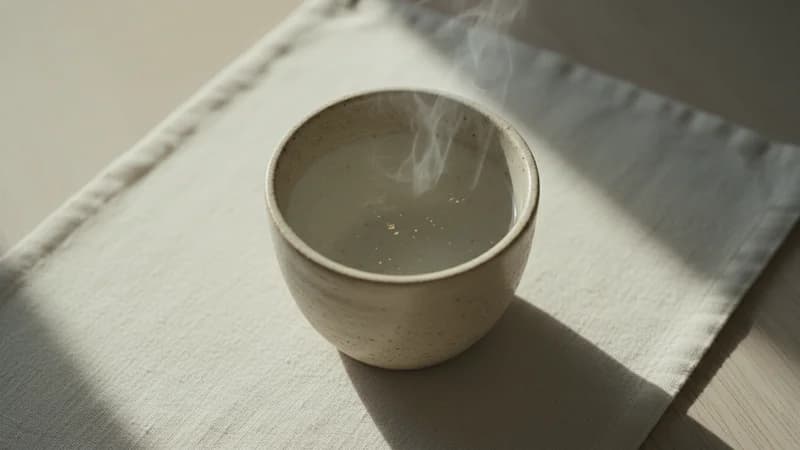
Coconut Water is best suited to Vata and Pitta, which it helps pacify. In excess it can raise Kapha. The clear liquid from the tender green coconut is prized in Ayurveda as a naturally cooling drink whose sweet rasa and cold virya (Sheeta) make it well suited to pacifying an aggravated Pitta during the heat of summer.. Best enjoyed during summer.
Ayurvedic Profile
Coconut Water (Narikela Jala (नारिकेल जल)) is a hydrating beverages treasured in Ayurvedic nutrition. Referenced in Sushruta Samhita, it is characterised by sweet rasa (taste), cooling virya (potency), and sweet vipaka (post-digestive effect). Narikela Jala from tender coconut is nature's Oral Rehydration Solution in Ayurveda; Bhavaprakasha describes it as Trishnahara (thirst-quenching), Mutrala (diuretic), and Dahashantikara (cooling), ideal for Pitta-related urinary conditions. Its light and oily gunas make it particularly suited for specific constitutional types. It pacifies Vata, pacifies Pitta, and can aggravate Kapha when consumed in excess. From a nutritional standpoint, coconut water provides approximately 19 calories per 100g, with 0.7g protein, 3.7g carbohydrates, and is a valuable source of Potassium, Magnesium, Manganese. Best enjoyed during summer, coconut water supports healthy Agni (digestive fire) when prepared according to Ayurvedic principles, helping prevent Ama (toxin) accumulation and nourish the dhatus (body tissues).
Ayurvedic Properties
Rasa (Taste)
sweet
Virya (Potency)
cold
Vipaka (Post-digestive)
sweet
Guna (Qualities)
light, oily
How Coconut Water Affects Vata, Pitta & Kapha
Ayurveda reads every food through the three doshas. Here is how coconut water’s qualities interact with each: Not sure which is yours? Take the free dosha quiz — about 4 minutes.
Coconut Water helps pacify Vata. Its cold virya (potency) and light and oily qualities, with its sweet rasa (taste), counterbalance Vata's tendencies — which is why it traditionally suits Vata dosha in regular use. Vata meal plan
Coconut Water helps pacify Pitta. Its cold virya (potency) and light and oily qualities, with its sweet rasa (taste), counterbalance Pitta's tendencies — which is why it traditionally suits Pitta dosha in regular use. Pitta meal plan
Coconut Water is well tolerated by those with Kapha dosha in normal amounts, but its cold virya and light and oily qualities may aggravate Kapha in excess — so people with Kapha as their leading dosha are best keeping to measured portions. Kapha meal plan
Nutrition Facts (per 100g)
19kcal
Calories
0.7g
Protein
3.7g
Carbs
0.2g
Fat
1.1g
Fibre
Ayurvedic Benefits
- The clear liquid from the tender green coconut is prized in Ayurveda as a naturally cooling drink whose sweet rasa and cold virya (Sheeta) make it well suited to pacifying an aggravated Pitta during the heat of summer.
- Its light yet subtly unctuous (Snigdha) quality means it hydrates without feeling heavy, and it is traditionally used to replenish Rasa dhatu (plasma) and support the body's fluid balance after sweating, travel or exertion.
- Naturally rich in potassium, magnesium and manganese, tender coconut water supports healthy fluid and electrolyte balance, which is why it has long been offered to help the body recover from summer heat and mild fluid loss.
- Its sweet vipaka is gentle on the stomach and the drink is considered mildly Mutrala (supportive of easy urination), traditionally used to cool a hot, overworked bladder and encourage comfortable flow through the urinary channels.
- Because it calms both Vata and Pitta, it is regarded as a Sattvic, grounding beverage that may help take the edge off irritability, thirst and the parched, overheated feeling that builds in Grishma Ritu (summer).
How to Use
- As coconut water is cooling (shita virya), favour it in warmer weather and pair it with warming spices like ginger or black pepper when the seasons turn cold.
- Coconut Water is at its best during summer — eating it in season keeps its Prana (vital energy) and benefit at their peak.
- Drink it fresh from a young green coconut, ideally within a few hours of opening, as its delicate sweetness and cooling virtue fade once it is exposed to air.
- Sip it at room temperature or lightly cool rather than ice-cold; over-chilling dulls Agni and can leave sensitive digestions feeling sluggish.
- Take it mid-morning or early afternoon on a hot day as a stand-alone drink, on a relatively empty stomach, so its light quality is absorbed cleanly.
- Add a small squeeze of lime and a pinch of rock salt after a long walk or a workout in the heat to make a simple, food-based hydrating drink.
- Favour it through late spring and summer; in cold, damp Kapha weather keep portions modest and choose warmer drinks instead.
Contraindications
- Those with a strong Kapha tendency, or anyone prone to water retention, sluggish digestion, colds or a heavy, congested feeling, should limit it, as its sweet, cooling, slightly heavy nature can increase Kapha in excess.
- People managing kidney conditions or taking potassium-sparing or blood-pressure medication should be cautious with large amounts because of its notable potassium content, and are best guided by their own doctor.
- It is not a warming drink: taken iced or in large volumes during cold, wet weather it can weaken Agni and leave those with weak digestion feeling bloated or chilled.
“Ayurveda classifies Coconut Water by its sweet rasa (taste), cold virya (thermal potency), and sweet vipaka (post-digestive effect). InnerVeda reads these three lenses together to map Coconut Water to your dosha and season.”
Frequently Asked Questions
Ayurveda sees acidity as excess Pitta, and coconut water's sweet rasa, cold virya and sweet vipaka are naturally Pitta-pacifying, so it is traditionally sipped to cool a hot, burning stomach. Take it plain and unchilled between meals rather than gulping it down with food, and see it as gentle support alongside a Pitta-calming diet, not a remedy for a medical condition.
In hot weather a glass a day suits most Vata and Pitta constitutions well. If you are Kapha-dominant, or notice heaviness, congestion or water retention, keep it occasional and seasonal instead, as its cooling, mildly heavy quality can build Kapha over time. Always choose fresh tender coconut water over sweetened packaged versions.
Not quite. Ayurveda values the water of the tender green coconut for its living freshness; once bottled and heat-treated it loses some of that delicate cooling quality, and many packaged versions add sugar or preservatives. If you can, drink it straight from a freshly opened young coconut, and if buying bottled, choose one that is pure and unsweetened.
Your dosha is the balance of Vata, Pitta and Kapha you were born with. Take the dosha quiz — free, about 4 minutes.
Three questions towards your dosha
These are the first three questions of the full dosha quiz. Answer them here and carry on where you left off.
Prefer to start from the beginning? Take the full dosha quiz.
Dietary information provided is for educational purposes only and is rooted in Ayurvedic tradition. It is not a substitute for professional nutritional or medical advice. Consult a qualified healthcare provider before making significant changes to your diet, especially if you have food allergies, intolerances, or a medical condition.
Want a meal plan matched to your dosha?
Take the free dosha assessment (about 4 minutes) and get a personalised nutrition plan with nearly 300 foods in the app, rated for your body.
Find Your Dosha: FreeAbout 4 minutes