Ayurveda for Better Sleep: A Dosha Approach
Sleep trouble is dosha-specific. The common 2am racing-mind pattern is Vata. What time to sleep, evening routine, and why dinner matters. Take the free quiz.

Sleep trouble is dosha-specific. The common 2am racing-mind pattern is Vata — light sleep, thoughts that will not switch off. Pitta tends to wake hot later; Kapha sleeps heavily. Find your dosha first. The levers only work if the pattern is actually yours. This is wellness guidance, not a diagnosis.
Sleep trouble is dosha-specific
Sleep trouble is not one problem. In Ayurveda it follows your dosha — the balance of Vata, Pitta and Kapha you were born with. The pattern people describe most often is Vata: a racing mind, light sleep, and a 2am wake you cannot talk down.
If that is the night you recognise, start at Vata insomnia and the racing mind. Then find your dosha. The levers only work if the pattern is actually Vata. A Pitta heat-wake and a Kapha heavy morning need different evenings.
This is wellness guidance, not a diagnosis. It complements medical care; it does not treat insomnia.
Find your dosha
Take the free 3-minute dosha assessment. You'll get personalised diet, breath, and routine guidance, matched to your body.
Find your doshaIn the classical texts, sleep (Nidra) is one of the three pillars of health, alongside food (Ahara) and balanced living (Brahmacharya). The Charaka Samhita says proper sleep supports happiness, nourishment, strength, knowledge and longevity. Disturbed sleep does the reverse. The useful part is not the proverb — it is that the kind of disturbance points to a dosha.
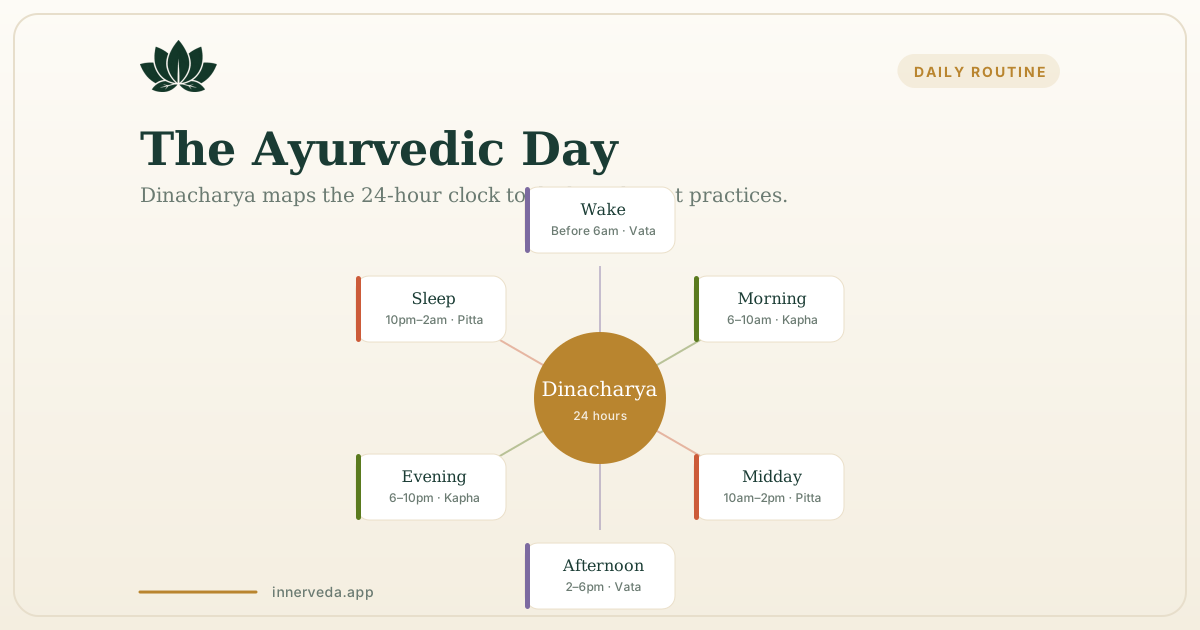
The Ayurvedic Sleep Clock
Ayurveda divides the 24-hour cycle into six four-hour periods, each governed by a different dosha:
- 6 PM to 10 PM, Kapha time: heavy, slow energy ideal for winding down
- 10 PM to 2 AM, Pitta time: transformative energy for deep cellular repair
- 2 AM to 6 AM, Vata time: light, mobile energy that prepares you for waking
Falling asleep during Kapha time (before 10 PM) uses natural heaviness. Miss that window and you are in Pitta time, when mental alertness can surge — the second wind. A 2am wake lands in Vata time, which is why a racing mind shows up then.
Sleep Challenges by Dosha
Vata Sleep Issues
The common pattern: trouble falling asleep because thoughts will not settle; waking between 2 and 4 AM; light, restless sleep; feeling unrested after enough hours in bed.
The four levers — dinner before 7pm, 4-7-8 breath, warm sesame on the feet, Yoga Nidra — are on the Vata insomnia page. Warm, cooked dinners that match that timing are on the Vata meal plan.
Personalised solutions:
- Warm sesame oil foot massage before bed. Massaging the soles of the feet calms the nervous system
- Warm spiced milk with nutmeg, cardamom, and a pinch of Ashwagandha
- Heavy blankets. The weight provides grounding
- Consistent bedtime by 9:30 PM at the latest
- Legs up the wall pose for 5 to 10 minutes before bed
- Avoid stimulating content (news, social media, thrillers) after 8 PM
Pitta Sleep Issues
Pitta types generally fall asleep well but may wake during Pitta time (10 PM to 2 AM) due to mental intensity.
Common patterns:
- Staying up too late working or solving problems
- Waking between 10 PM and 2 AM with an active mind
- Overheating during the night
- Intense or fiery dreams
Personalised solutions:
- Coconut oil foot massage. Cooling rather than warming
- Moon milk with rose water, cardamom, and saffron
- Cool bedroom temperature (18 to 20 degrees C)
- Brahmi supplement in the evening to cool mental fire
- Avoid work and screens after 9 PM
- Moonlight walks or stargazing to cool Pitta energy
- Silver or moonstone under the pillow (a traditional Ayurvedic practice)
Kapha Sleep Issues
Kapha types rarely struggle to fall asleep. Their challenge is often the opposite: excessive sleep, grogginess, difficulty waking.
Common patterns:
- Sleeping too much (9+ hours) and still feeling sluggish
- Heavy, dull feeling upon waking
- Difficulty getting out of bed
- Daytime drowsiness after meals
Personalised solutions:
- Lighter evening meals. Avoid heavy, oily foods after 6 PM
- No napping during the day
- Set an alarm and get up by 6 AM (before Kapha time)
- Mustard oil foot massage. Warming and stimulating
- Honey in warm water before bed rather than heavy milk
- Elevate the head slightly while sleeping
- Stimulating morning routine with dry brushing and vigorous exercise
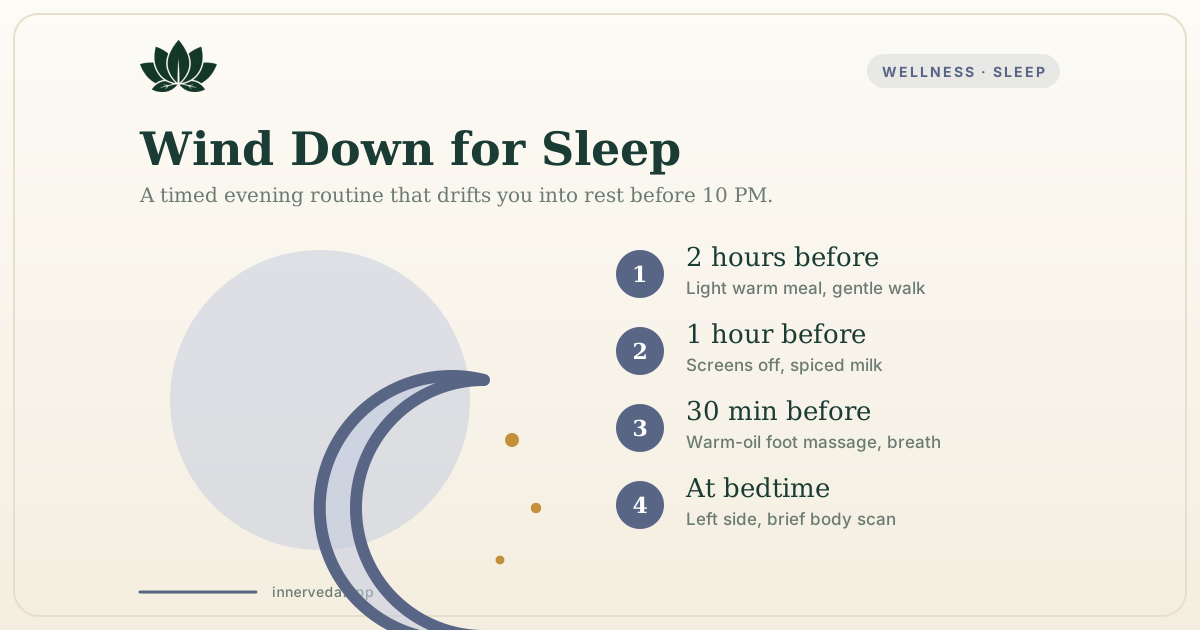
The Ayurvedic Evening Routine for Better Sleep
A consistent wind-down tells the body that sleep is coming. Adapt the template to the dosha you actually have.
2 Hours Before Bed
- Finish your last meal — light and warm. For a Vata pattern, aim for before 7pm; the Vata meal plan is built around that dinner
- Take a gentle walk to aid digestion
- Dim the lights in your home
1 Hour Before Bed
- Turn off all screens
- Prepare your sleep drink (spiced milk, herbal tea, or warm water with honey)
- Practice gentle stretching or restorative yoga
- Take a warm bath or shower
30 Minutes Before Bed
- Self-massage (Abhyanga) on feet, scalp, and ears with warm oil
- 5 to 10 minutes of Nadi Shodhana (alternate nostril breathing)
- Apply a small amount of warm ghee to the soles of your feet and nostrils (Nasya)
At Bedtime
- Lie on your left side (supports digestion and activates the right nostril, which is calming)
- Practice a brief body scan or gratitude meditation
- Let sleep come
Ayurvedic Herbs for Sleep
Several herbs have been used in Ayurveda to support healthy sleep:
- Ashwagandha, an adaptogen that may help regulate cortisol and promote relaxation without drowsiness
- Tagara (Indian Valerian), traditionally used for its calming properties, particularly for Vata-type insomnia
- Brahmi, supports mental calm and may help with Pitta-type wakefulness
- Jatamansi, known for its grounding properties, traditionally used for restless sleep
- Nutmeg, a small pinch in warm milk is a classic Ayurvedic sleep aid
- Tagar and Shankhpushpi combination, traditionally prescribed for chronic sleep disturbance
The Ashwagandha sleep-quality trial already cited on this page is the evidence we stand on. We do not add further claims.
Foods that support a Vata evening
Warm milk with spice, soaked almonds, a little ghee with dinner, and cooked sweet potato are the usual Vata-friendly close. Skip caffeine after 2pm, alcohol, a heavy fried plate, and raw or cold food at night.
If the pattern is Vata, dinner before 7pm matters more than any single ingredient. The Vata meal plan and Vata diet show a week of warm, cooked meals at regular times.
Start with one change
- Confirm the dosha — find your dosha before you collect herbs
- If it is Vata, move dinner to 7pm and open the racing-mind guide
- Sleep by 10pm on the nights you can
- Oil on the feet for two or three minutes
If sleep has been poor for more than a month, or days are impaired, see a clinician. Ayurveda here is a complement, not a substitute.
Frequently Asked Questions
Ayurveda recommends being in bed by 10pm, during Kapha time (6 to 10pm), when natural heaviness supports falling asleep. Staying up past 10pm enters Pitta time, which can bring a second wind. This is a wellness clock, not a medical prescription.
Vata hours run 2 to 6am. If Vata is already high — irregular meals, late dinner, cold food, a scattered day — the mind activates in that window and thoughts race. The common pattern is a 2am wake you cannot talk down. See the Vata insomnia guide for the four levers, starting with dinner before 7pm.
Finish a warm, light meal early — for a Vata pattern, before 7pm — then dim lights, drop screens, warm oil on the feet, and a short breath practice (4-7-8 or Nadi Shodhana) before 10pm. The meal plan for Vata shows dinners that match that timing.
Dinner before 7pm, 4-7-8 at lights-out, warm sesame on the feet, Yoga Nidra, bed by 10pm. Those four levers live on the Vata insomnia page. Confirm the pattern first with the free dosha quiz — a Pitta heat-wake needs a cooler evening, not more oil.
No. InnerVeda offers wellness guidance that complements medical care. Persistent poor sleep, daytime impairment, or suspected sleep apnoea belongs with a clinician. Dosha-aware routine may support rest; it does not diagnose or treat insomnia.
References & sources
- Effect of Ashwagandha (Withania somnifera) root extract on sleep quality: a randomised clinical trial— Journal of Ethnopharmacology, 2020
- Efficacy and Safety of Ashwagandha Root Extract on Cognitive Functions in Healthy, Stressed Adults— Evidence-Based Complementary and Alternative Medicine, 2021
- Nidra (sleep) in Ayurveda — a classical review— Ayu, 2013
Classical sources
- Charaka Samhita— Sutrasthana 11 (Tistraishaniya Adhyaya) 11.35
- Charaka Samhita— Sutrasthana 21 (Ashtauninditiya Adhyaya) 21.36
- Charaka Samhita— Sutrasthana 21 (Ashtauninditiya Adhyaya) 21.58-59
This article is for educational purposes only and reflects traditional Ayurvedic perspectives alongside selected research. It is not medical advice. Always consult a qualified healthcare provider before acting on any information presented here.
Written by
Ganesh Kompella
Founder, InnerVeda
Research assisted by Vaidya AI
Trained on 500+ classical Ayurvedic texts

Medically reviewed by Dr. Sheetal Rajput
BAMS (Bachelor of Ayurvedic Medicine & Surgery)
Practise this
Guided sessions that put this article into practice.
- Deep Sleep Yoga Nidra: Restful Descent into Prajna20 min · beginner
- Sharira Nyasa: Ayurvedic Body Scan for Sleep20 min · beginner
- Yoga Nidra: The Art of Yogic Sleep30 min · beginner
On the plate: Milk — how it affects Vata, Pitta and Kapha, and how to use it.
Continue Reading

Vata Insomnia & the Racing-Mind Pattern — The Ayurvedic Fix

Vata Diet: Best Foods, Recipes & 7-Day Meal Plan
Dinacharya: The Ayurvedic Daily Routine That Anchors Everything
Ayurveda for Stress Relief: Personalised by Dosha
Ayurveda for Women's Health: Cycle, Hormones & Dosha
The Gut-Brain Connection in Ayurveda: What Science Confirms
Put this into practice
Take the free dosha assessment. Get a personalised wellness plan with nutrition, meditation, and daily routines matched to your body.
Find Your Dosha — Free~3 min · no signup