The food guide for your dosha —
and a meal plan built for your kitchen.
Every food classified by its qualities, thermal effect, and post-digestive effect, then filtered for your dosha, your cause, and what's actually in season. Vaidya turns the library into a personalised 7-day meal plan that fits your diet, your cooking time, and the devices on your counter — vegan to non-vegetarian, 5-minute to 90-minute, stovetop to air-fryer.
Two products. One framework. Free to browse.
298 foods across four dimensions.
What makes the meal plan personal.
Four constraints, plus the memory layer that makes Week 2 different from Week 1.
Calculated from your dosha quiz.
Refined every quarter as your body and the season shift.
Vegan to non-veg.
Vegan, vegetarian, eggetarian, pescatarian, non-veg, Jain, halal, kosher, gluten-free, dairy-free, nut-free. Allergies filtered out, every meal.
5, 15, 30, or 90 minutes.
Vaidya pulls only from pools that fit your weeknight. You decide which days are which.
Whatever you actually own.
Stovetop, oven, air fryer, induction, instant pot, blender, microwave. No recipe ever asks for an appliance you don't have.
Same Monday breakfast.
Three kitchens.
Same dosha logic. Different cooking time, different appliances, different result. Nothing else on the internet does this.
Vegan? Swap ghee for coconut oil.
Vegan? Coconut oil + oat milk.
Vegan? Plant milk + olive oil.
Same dosha logic. Three kitchens.
Tell Vaidya about your kitchen.
Three short questions before the first plan generates — diet, allergies, and what your weeknight looks like. Tell Vaidya once; it remembers forever. Change any of it any time.
- Allergy lock — once you flag it, it's filtered forever.
- Families of 2–6: recipe scales automatically.
- Have a cook? Plan switches to delegate-friendly format with prep notes and fuller recipes.
Foods
Showing 1–20 of 298 · filtered: all

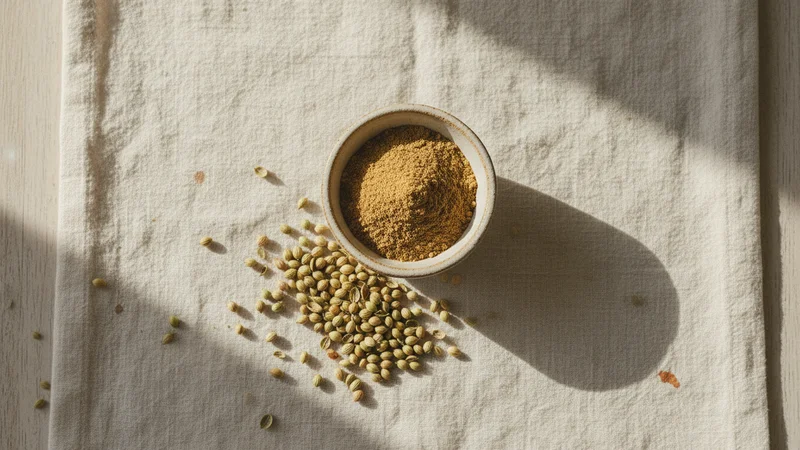
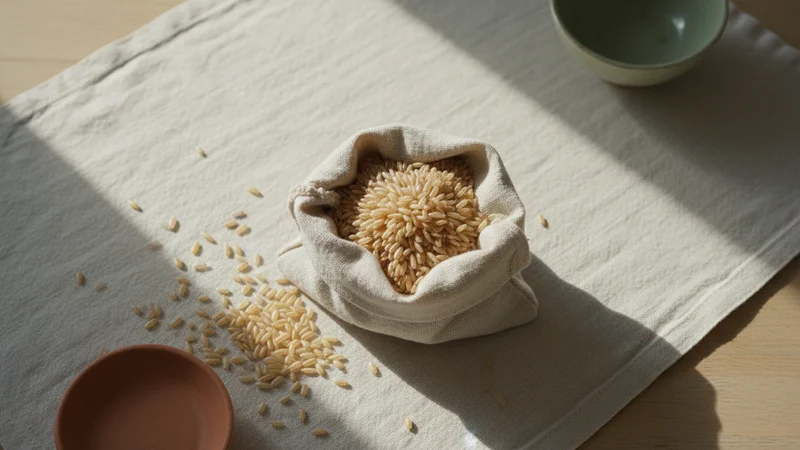
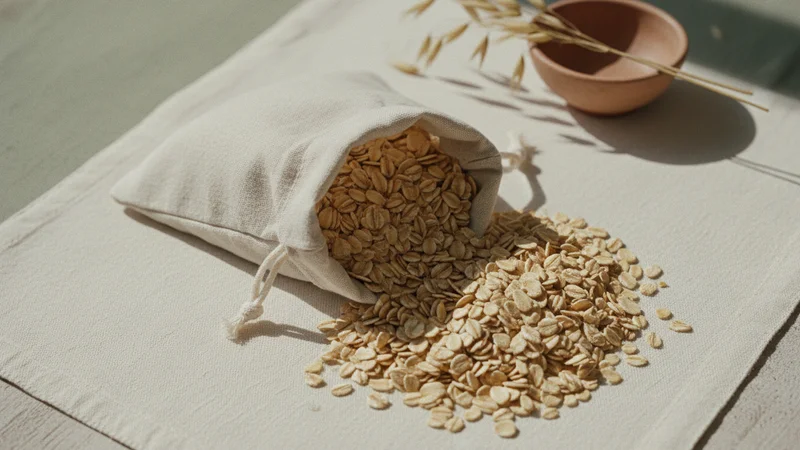
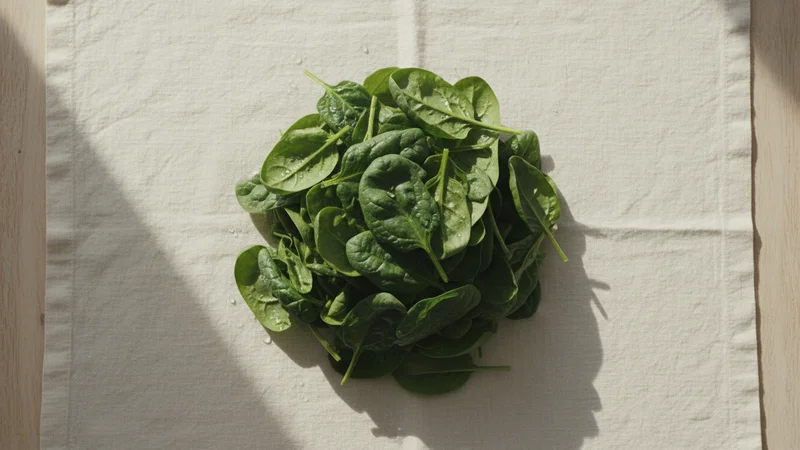
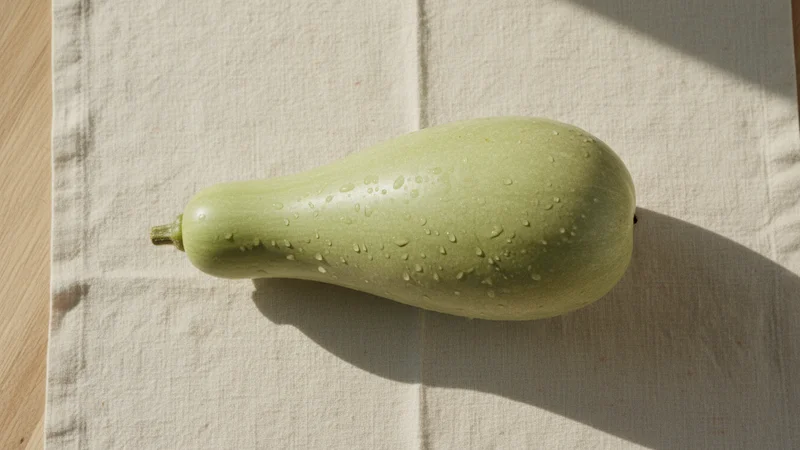
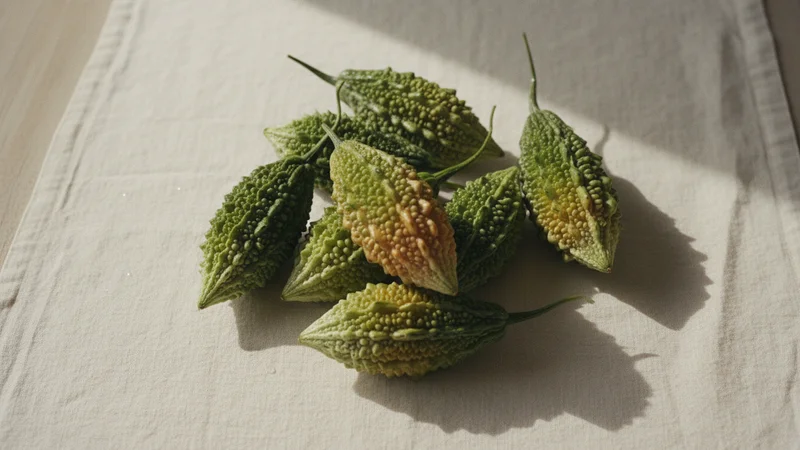
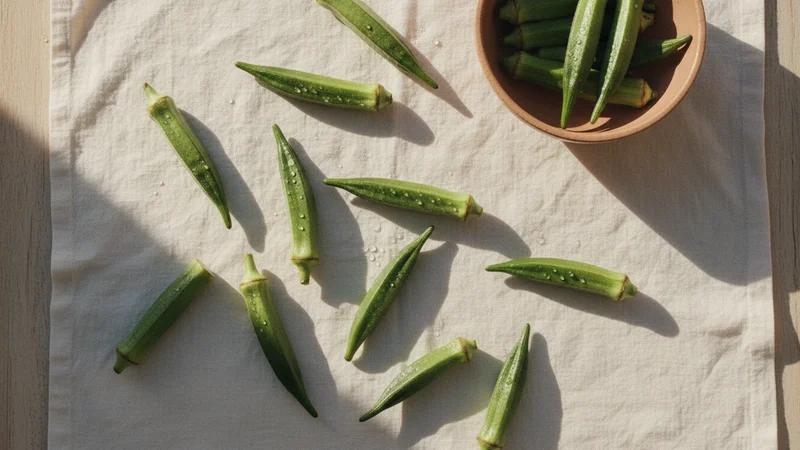
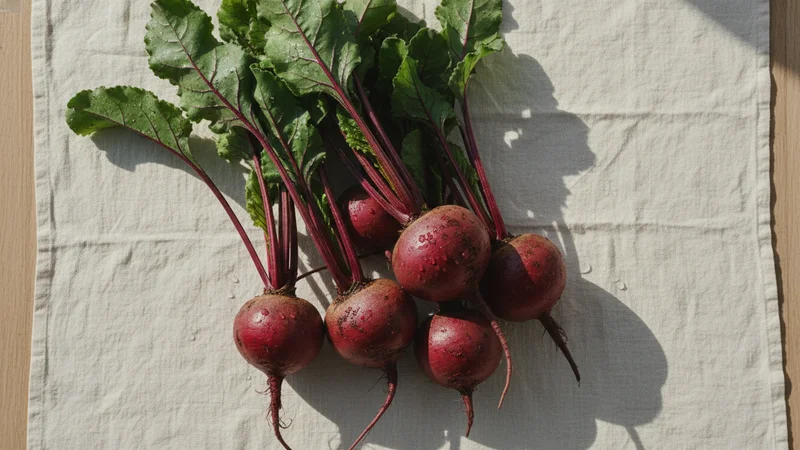



The complete guide — 298 foods.
Every food we cover, grouped by type. Each one is a full page: how it affects Vata, Pitta and Kapha, its Ayurvedic properties, and how to use it.
Spices
- Ajwain (Carom Seeds)
- Allspice
- Asafoetida (Hing)
- Bay Leaf
- Black Cardamom
- Black Pepper
- Caraway Seeds
- Cardamom
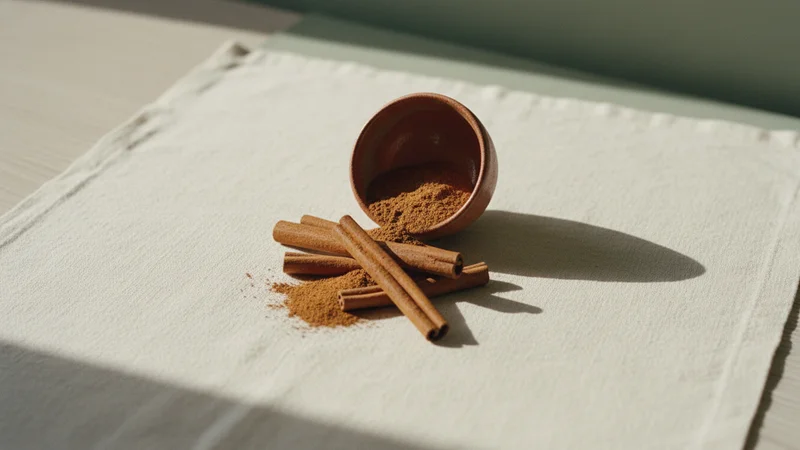
- Cinnamon
- Clove
- Coriander
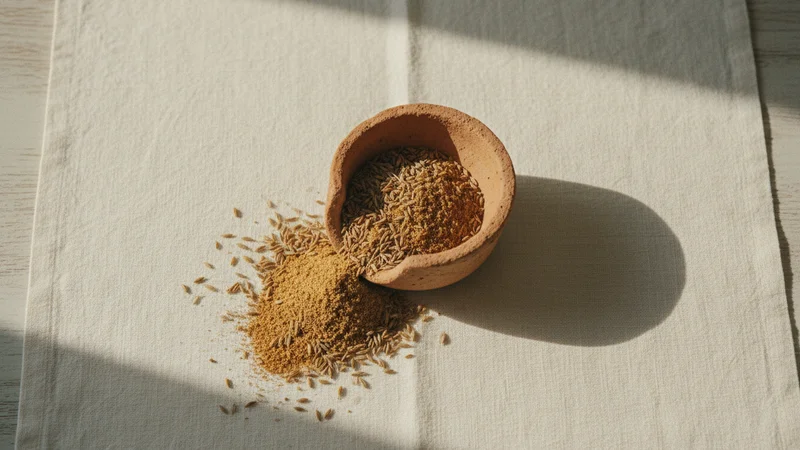
- Cumin
- Curry Powder
- Fennel
- Fenugreek Seeds
- Garam Masala
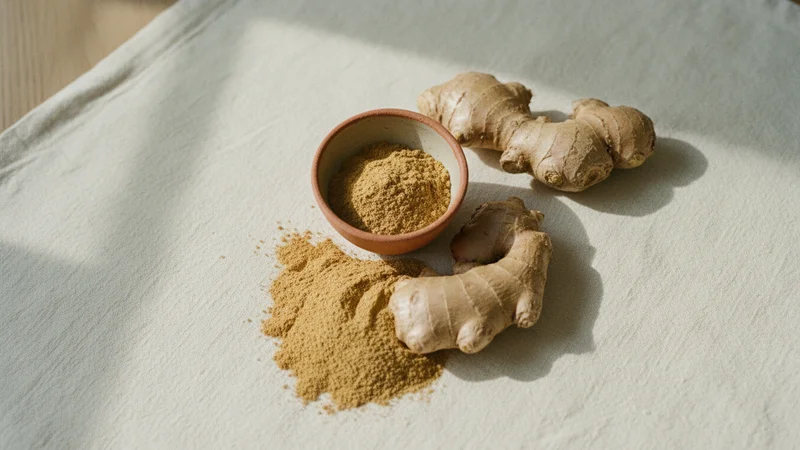
- Ginger
- Long Pepper (Pippali)
- Mace (Javitri)
- Mustard Seeds
- Nutmeg
- Saffron
- Star Anise
- Turmeric
- White Pepper
Herbs
- Aloe Vera
- Ashwagandha
- Basil
- Brahmi
- Curry Leaves
- Dill
- Gotu Kola
- Guduchi (Giloy)
- Lemongrass
- Licorice (Mulethi)
- Mint
- Moringa Leaves
- Neem
- Oregano
- Parsley
- Rosemary
- Shatavari
- Thyme
- Triphala
- Tulsi (Holy Basil)
Vegetables
- Ash Gourd
- Asparagus
- Beetroot
- Bell Pepper
- Bitter Gourd
- Bottle Gourd (Lauki)
- Broccoli
- Cabbage
- Carrot
- Cauliflower
- Celery
- Cluster Beans (Gavar)
- Cucumber
- Drumstick (Moringa)
- Eggplant
- Fenugreek Leaves (Methi)
- French Beans
- Garlic
- Ivy Gourd (Tindora)
- Kale
- Lettuce
- Lotus Root
- Mushroom
- Okra
- Onion
- Peas
- Pointed Gourd (Parwal)
- Pumpkin
- Radish
- Raw Banana (Plantain)
- Ridge Gourd
- Snake Gourd
- Spinach
- Spring Onion
- Sweet Potato
- Taro Root
- Tomato
- Turnip
- Yam
- Zucchini
Fruits
- Amla (Indian Gooseberry)
- Apple
- Apricot
- Banana
- Blueberry
- Cherry
- Coconut
- Cranberry
- Custard Apple
- Dates
- Fig
- Grape
- Guava
- Jackfruit
- Jamun (Indian Blackberry)
- Kiwi
- Lychee
- Mango
- Orange
- Papaya
- Passion Fruit
- Peach
- Pear
- Pineapple
- Plum
- Pomegranate
- Sapodilla (Chikoo)
- Strawberry
- Watermelon
- Wood Apple (Bael)
Grains
- Amaranth
- Barley
- Barnyard Millet
- Basmati Rice
- Brown Rice
- Buckwheat
- Bulgur Wheat
- Corn
- Couscous
- Foxtail Millet
- Kodo Millet
- Little Millet
- Oats
- Pearl Millet (Bajra)
- Poha (Flattened Rice)
- Quinoa
- Ragi (Finger Millet)
- Red Rice
- Semolina (Suji)
- Sorghum (Jowar)
- Spelt
- Teff
- Wheat
- Wild Rice
Legumes
- Black Beans
- Black-Eyed Peas
- Chana Dal
- Chickpeas
- French lentils
- Green Gram Sprouts
- Horse Gram (Kulthi)
- Kidney Beans
- Lima Beans
- Masoor Dal
- Moong Dal
- Moth Beans
- Mung Beans (Whole)
- Navy Beans
- Peanuts
- Red Lentils
- Soybeans
- Toor Dal
- Urad Dal
- Val Dal
Dairy
- Buffalo Milk
- Butter
- Buttermilk (Takra)
- Cottage Cheese (Paneer)
- Cream
- Ghee
- Goat Milk
- Kefir
- Khoya (Mawa)
- Lassi
- Milk
- Paneer
- Sheep Milk
- Whey Water
- Yoghurt
Nuts & Seeds
- Almonds
- Brazil Nuts
- Cashews
- Chia Seeds
- Coconut Flakes
- Flax Seeds
- Hazelnuts
- Lotus Seeds (Makhana)
- Macadamia Nuts
- Nigella Seeds (Kalonji)
- Pecans
- Pine Nuts
- Pistachios
- Poppy Seeds
- Pumpkin Seeds
- Sabja (Basil Seeds)
- Sesame Seeds
- Sunflower Seeds
- Walnuts
- Watermelon Seeds
Oils
- Almond Oil
- Avocado Oil
- Castor Oil
- Coconut Oil
- Flaxseed Oil
- Mustard Oil
- Neem Oil
- Olive Oil
- Peanut Oil
- Sesame Oil
- Sunflower Oil
Beverages
- Almond Milk
- Amla Juice
- Bael Sherbet
- CCF Tea (Cumin-Coriander-Fennel)
- Chamomile Tea
- Coconut Water
- Ginger Tea
- Golden Milk (Haldi Doodh)
- Green Tea
- Jal Jeera
- Kashaya (Herbal Decoction)
- Kokum Sherbet
- Lemon Water
- Masala Chai
- Pomegranate Juice
- Ragi Malt
- Rose Water Drink
- Sattu Drink
- Sugarcane Juice
- Tulsi Tea
Superfoods
- Acai Berry
- Baobab
- Bee Pollen
- Cacao Nibs
- Chlorella
- Chyawanprash
- Goji Berries
- Hemp Seeds
- Maca Root
- Moringa Powder
- Royal Jelly
- Sea Buckthorn
- Shilajit
- Spirulina
- Wheatgrass
Sweeteners
- Agave Nectar
- Coconut Sugar
- Date Sugar
- Honey
- Jaggery
- Maple Syrup
- Molasses
- Palm Sugar
- Rice Syrup
- Stevia
Condiments
- Amchur (Dry Mango Powder)
- Apple Cider Vinegar
- Black Salt (Kala Namak)
- Chaat Masala
- Coconut Chutney
- Dried Ginger (Saunth)
- Ghee Tadka
- Green Chutney
- Gulkand (Rose Petal Preserve)
- Kokum
- Lemon & Lime
- Mango Pickle (Achaar)
- Rock Salt (Sendha Namak)
- Tamarind
- Tamarind Chutney
Prepared Foods
- Aloo Gobi
- Besan Ladoo
- Chana Masala
- Chapati (Roti)
- Curd Rice
- Dal Fry
- Dal Tadka
- Dhokla
- Dosa
- Gajar Halwa
- Idli
- Khichdi
- Mixed Vegetable Sabzi
- Palak Paneer
- Paneer Tikka
- Paratha
- Payasam (Kheer)
- Pongal
- Raita
- Rasam
- Sambar
- Upma
- Vegetable Pulao
Meats & Proteins
- Bone Broth
- Chicken
- Duck
- Eggs
- Fish (Salmon)
- Goat Meat
- Lamb (Mutton)
- Shrimp (Prawns)
- Tofu
- Turkey
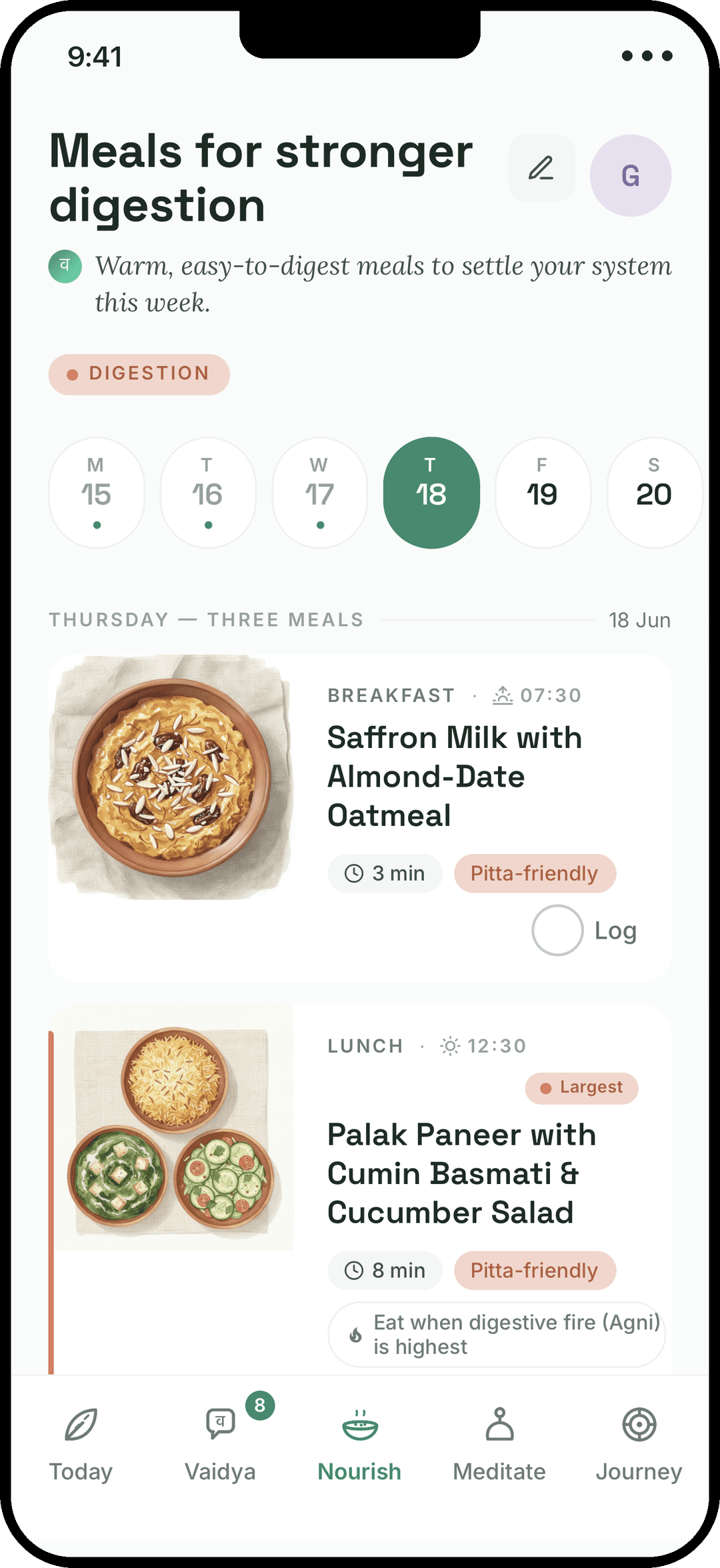
A week of meals,
built for your body and your kitchen.
The full library, pre-assembled into a 7-day plan that matches your dosha, your dietary preferences, your cooking time, and the devices you actually own. Every week, Vaidya regenerates from what worked last week.
Get my meal plan→7-day free trial. Cancel anytime.
Spiced oats, soaked almonds, ghee
Grilled white fish, basmati, sautéed greens, cumin tempering
Cooked vegetables, basmati, ghee, fennel tea
About food, the plan, and the kitchen.
The eight we hear most. For the rest, full FAQ →
Not by rule. Classical Ayurveda emphasises plant foods because they're easier to digest, but lists meat, fish, eggs, and dairy with detailed dosha guidance. InnerVeda's database includes all of them. Tell Vaidya how you eat and the plan respects it.
Yes. The plan filters by your declared allergies, dietary preferences (vegan, gluten-free, nut-free, dairy-free, Jain, halal, kosher), and culinary exclusions (no onion-garlic, no nightshades, etc.) at every meal. Tell Vaidya once; it remembers forever.
Yes. Nearly 300 foods in the app include oats, quinoa, avocado, salmon, kale, olive oil, sourdough, eggs, and everything else a global kitchen runs on. The meal plan pulls from your kitchen's actual ingredients and devices.
Vaidya knows. The meal plan pulls from a 5-minute pool for your busy nights and a longer pool for the weekend. You decide which days are which.
Tell Vaidya. The plan switches to a delegate-friendly format with prep notes and longer recipes a cook can build from. Most useful in India, UAE, and parts of South-East Asia.
Yes — 298 foods, all filters, all detail pages, free forever. The personalised meal plan is part of the InnerVeda membership (7-day free trial).
Yes. Any recipe in the app exports as a one-page PDF — ingredients, method, and the note Vaidya wrote for you — and goes straight to your share sheet.
After each meal you can tap “loved it / good / skip it.” Vaidya weights the recipe pool every week from what you actually ate. By month 3, the plan is 90% recipes you've already approved.
Free guide. Personalised plan.
Food guide: free, forever. Meal plan: part of the InnerVeda membership, 7-day free trial, cancel anytime.