Complete Guide to Pitta Dosha: Traits, Diet & Balance
Everything you need to know about Pitta dosha, the Ayurvedic constitution of fire and water. Learn Pitta characteristics, cooling diet tips, imbalance signs, and daily routines for balance.

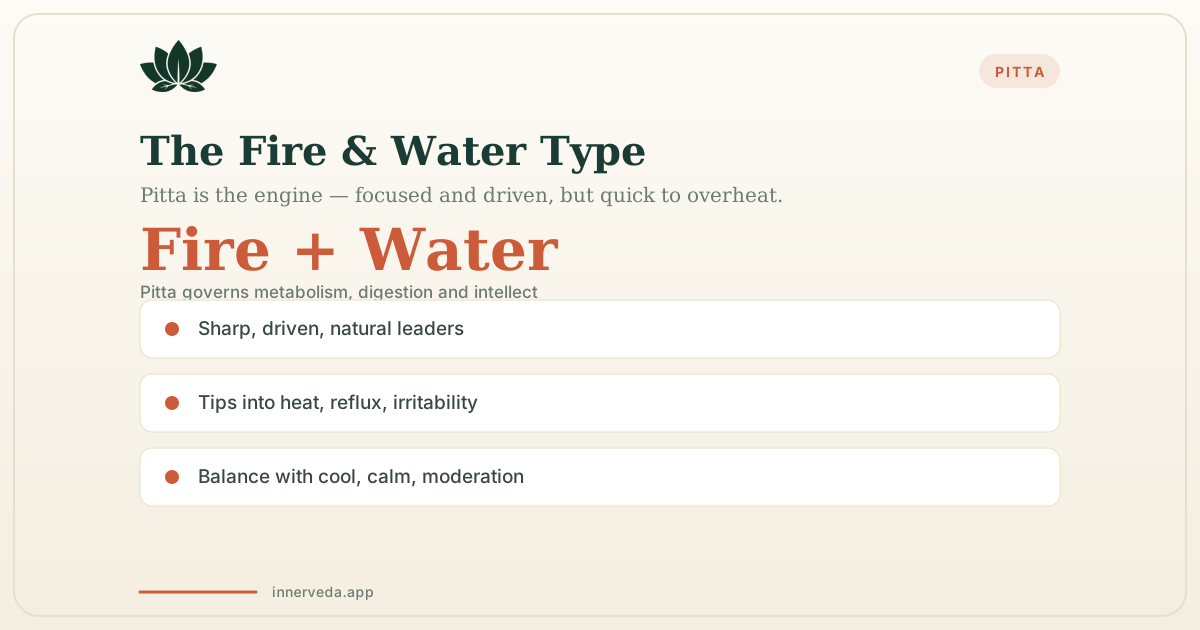
Pitta is the body type built from fire and water. It's the engine. People with dominant Pitta are focused, driven, and sharp-minded, but the same fire turns into irritability, inflammation, and acid reflux when they push too hard. Cooling food, moderate pace, and good stress hygiene are the keys to Pitta harmony.
What Is Pitta Dosha?
Pitta is the body type made of Fire (Tejas) and Water (Ap). The elements of transformation and fluidity. Pitta governs metabolism, all of it. The digestion of food, the processing of emotions, the metabolism of sensory information, the fire of intellect and ambition.
The word Pitta comes from the Sanskrit root tap, meaning "to heat" or "to transform." Pitta is the alchemist of the body. It converts food into energy, experience into understanding, and intention into action.
“Pitta governs digestion, heat, visual perception, hunger, thirst, lustre of the skin, intelligence, determination, courage, and the softness of the body.
”
When Pitta is in balance, you feel sharp, courageous, and warmly generous. When it tips, that fire turns destructive. Irritability, inflammation, a critical inner voice.
Pitta Body Type
People with a predominantly Pitta body type tend to have a medium, athletic build with warm skin and a strong metabolism. They typically have sharp features, good muscle tone, and a reliable appetite. Mentally, Pitta types are focused, ambitious, and natural leaders. They can become irritable, competitive, or prone to inflammation when out of balance. If you're curious about your body type, take our free quiz for a personalised assessment. Or explore the Pitta body type hub for signs, food, and a daily routine at a glance.
The Qualities of Pitta
Like all doshas, Pitta is defined by its inherent qualities (gunas). Understanding these qualities helps you recognise Pitta in yourself and know how to balance it:
- Hot (Ushna): warm body temperature, strong metabolism, aversion to heat
- Sharp (Tikshna): penetrating intellect, sharp hunger, acidic digestion
- Light (Laghu): medium frame, doesn't gain weight easily
- Oily (Snigdha): smooth, slightly oily skin, lustrous hair
- Liquid (Drava): tendency toward loose stools, sweating
- Spreading (Sara): rashes, inflammation that spreads, influence that radiates
- Sour/pungent smell (Amla/Katu): strong body odour when imbalanced
Pitta Physical Characteristics
People with a Pitta-dominant constitution (Prakriti) typically display these physical traits:
- Body frame: Medium, athletic, well-proportioned. Gains and loses weight with moderate ease
- Skin: Warm, soft, and slightly oily. Prone to redness, freckles, and sensitivity to sun
- Hair: Fine, straight, often fair or reddish. Early greying or thinning is common
- Eyes: Bright, penetrating gaze. Medium-sized. May be light-coloured (green, hazel)
- Digestion: Strong and regular. The most reliable digestion of all three doshas
- Body temperature: Runs warm. Prefers cool environments and cool drinks
- Sweating: Perspires easily, especially during exercise or stress
Pitta Mental and Emotional Traits
Pitta's fire illuminates the mind. It makes Pitta types some of the most capable and driven individuals.
When balanced:
- Sharp intellect with excellent comprehension and memory
- Natural leaders with clear decision-making ability
- Courageous, confident, and passionate
- Organised and goal-oriented
- Warm, generous, and articulate communicators
When imbalanced:
- Irritable, impatient, and quick to anger
- Overly critical of self and others
- Controlling, jealous, or competitive to a fault
- Burned out from overwork and perfectionism
- Prone to inflammatory speech and confrontation
Signs of Pitta Imbalance (Vikriti)
When Pitta's fire burns too hot, it creates inflammation across body and mind. Recognising these signs early lets you cool down before the heat intensifies.
Physical Signs
- Acid reflux, heartburn, or hyperacidity
- Skin rashes, acne, eczema, or hives
- Inflammation anywhere in the body
- Loose stools, diarrhoea, or burning sensation during digestion
- Excessive sweating and body odour
- Red, inflamed, or burning eyes
- Sensitivity to heat and direct sunlight
- Premature greying or hair loss
Mental and Emotional Signs
- Irritability and a short temper
- Perfectionism that leads to frustration
- Judgmental thoughts toward self and others
- Workaholism and inability to rest
- Impatience, especially with people who move slowly
- Competitive edge that damages relationships
- Difficulty delegating or trusting others
Common Causes of Pitta Aggravation
- Hot, humid weather (summer months)
- Spicy, sour, salty, and fermented foods
- Excess alcohol, coffee, or acidic drinks
- Overwork, tight deadlines, and competitive environments
- Skipping meals (especially lunch)
- Intense exercise in the heat
- Suppressed anger or unresolved conflict
Pitta-Balancing Diet
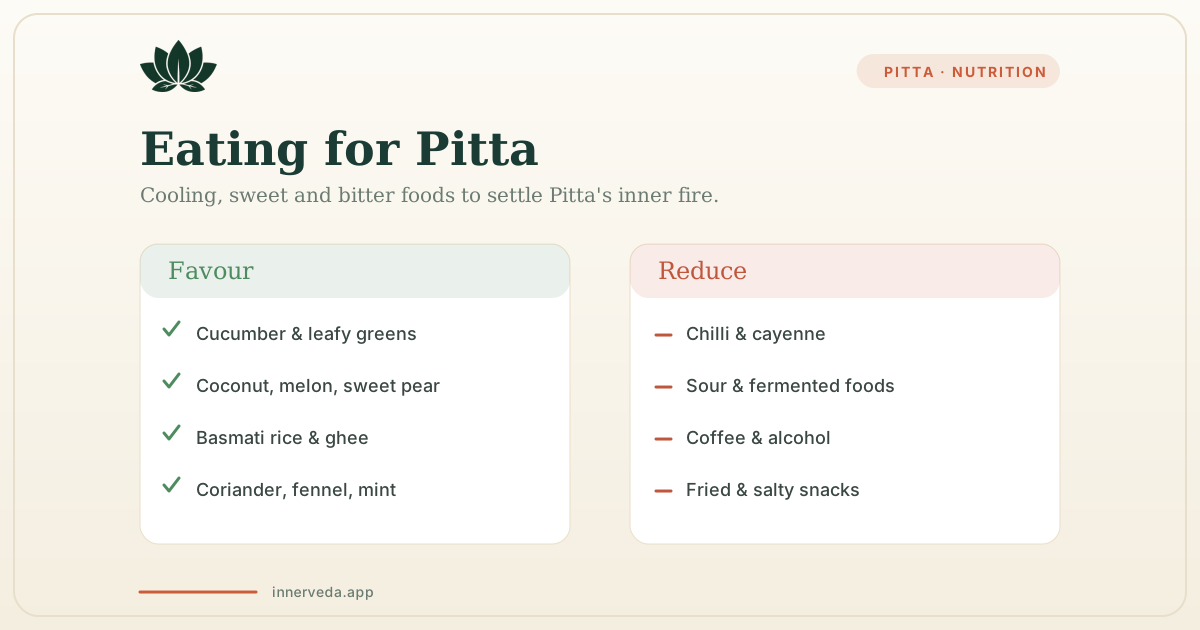
The Pitta diet is centred on one principle: cool the fire without extinguishing it. For a detailed food list, recipes, and a 7-day meal plan, see our complete Pitta diet guide. You want to moderate Pitta's heat, not suppress the energy and drive that makes Pitta types exceptional.
Tastes That Balance Pitta
Three of the six Ayurvedic tastes have a cooling, calming effect on Pitta:
- Sweet: grains, sweet fruits, dairy, natural sweeteners (nourishing and cooling)
- Bitter: leafy greens, turmeric, dandelion, neem (detoxifying and anti-inflammatory)
- Astringent: legumes, pomegranate, green tea, cruciferous vegetables (toning and cooling)
Foods to Favour and Reduce
Pitta Food Compatibility Guide
| Food / Item | Vata | Pitta | Kapha |
|---|
Green = favour, Amber = enjoy in moderation, Red = reduce or avoid
Pitta Meal Timing
Pitta types have the strongest Agni (digestive fire) of all three doshas. Honouring this fire with regular, well-timed meals is essential:
- Breakfast (7-8am): cool and sustaining. Fresh fruit, oat porridge with coconut, or avocado toast
- Lunch (12-1pm): the largest and most important meal. Pitta's fire peaks at midday
- Dinner (6-7pm): lighter and cooling. Salads, grain bowls, or lightly cooked vegetables
- Hydration: cool (not iced) water with cucumber or mint throughout the day
Signature Pitta-Cooling Recipe
Cooling Coconut Coriander Chutney
A refreshing condiment that cools Pitta fire. Serve with any grain or as a dip.
Ingredients
Instructions
Pitta-Balancing Daily Routine (Dinacharya)
Pitta types thrive on structure but tend to overload their schedules. The ideal Pitta routine balances productivity with rest and play, cooling the tendency toward burnout.
Morning Routine (6-8am)
- Wake by 6-6:30am: Pitta mornings are naturally energetic. Harness this calm energy
- Cool water: drink a glass of room-temperature water with a squeeze of lime
- Abhyanga (self-massage): use coconut oil in summer, sesame oil in winter. Focus on the scalp and feet
- Moderate exercise: swimming, cycling, hiking, or a flowing yoga practice. Avoid exercising in the midday heat
- Cool shower: not cold, but cooler than your natural preference to calm internal heat
Midday (10am-2pm)
- Eat your largest meal at lunch. This is non-negotiable for Pitta
- Take 10-15 minutes after eating to rest or walk gently
- Avoid intense work meetings directly after lunch. Give digestion space
Evening (6-10pm)
- Eat a lighter dinner by 7pm
- Spend time in nature. Even 20 minutes outdoors calms Pitta significantly
- Practice cooling pranayama (Sheetali or Sheekari breathing, inhaling through a curled tongue)
- Avoid work emails and competitive activities after 8pm
- Aim for sleep by 10:30pm. Pitta energy surges from 10pm to 2am and can cause second-wind insomnia
Pitta and the Seasons
Pitta is most aggravated during summer and early autumn (June to September), the season characterised by heat, intensity, and long days. During this period, everyone experiences some Pitta increase, but Pitta-dominant individuals are most vulnerable.
Seasonal Adjustments for Pitta
- Summer: Maximum cooling foods, avoid midday sun, favour swimming and moonlit walks
- Autumn: Gradually reintroduce warming foods as the weather cools. Watch for residual Pitta heat
- Winter: Pitta naturally calms. Enjoy moderate warmth but maintain cooling practices
- Spring: Light, bitter, and astringent foods to clear any accumulated heat
Pitta-Balancing Yoga and Exercise
Pitta types are naturally athletic and competitive. That's both a strength and a risk. The key is to exercise for joy and health, not to win or prove anything.
Best practices:
- Swimming. The ideal Pitta exercise (water + movement + cooling)
- Moderate cycling or hiking in nature
- Flowing yoga (Vinyasa, Moon Salutations) with emphasis on forward folds and twists
- Team sports played for fun, not just competition
- Evening walks in cool air
What to avoid:
- Hot yoga or exercising in direct midday sun
- Highly competitive training that triggers aggression
- Pushing through exhaustion. Pitta will keep going until it breaks
- Exercising when angry or frustrated (process the emotion first)
“Pitta, when properly nourished by cool, sweet, and pleasant substances, bestows sharp intellect, courage, and the lustre of good health. When aggravated by heat, it burns the body and mind alike.
”
Living with Pitta: Practical Tips
Here are everyday strategies for keeping Pitta in balance:
- Stay cool: avoid direct sun, wear breathable fabrics, and keep your living space well-ventilated
- Eat on time: regular meals prevent the sharp hunger that fuels Pitta irritability
- Moderate intensity: in exercise, work, and conversation. Not everything needs to be a competition
- Cultivate patience: Pitta's sharpness benefits from practices that soften. Gardening, art, cooking for others
- Laugh more: Pitta can become too serious. Laughter is genuinely cooling medicine
- Limit stimulants: coffee, alcohol, and spicy foods add fuel to the fire
- Spend time near water: lakes, rivers, the ocean, or even a long bath
- Practice forgiveness: Pitta holds grudges that burn from within. Letting go is literal medicine
When to Seek Professional Guidance
While self-care practices are powerful, consider consulting a qualified Ayurvedic practitioner if:
- You have persistent digestive issues (chronic acidity, ulcers, loose stools)
- Skin conditions (eczema, rosacea, acne) do not respond to dietary changes
- You experience chronic anger, frustration, or burnout
- You suspect a dual-dosha imbalance (Pitta-Vata or Pitta-Kapha)
- You want a personalised herbal protocol (Pitta-specific herbs like Amalaki, Brahmi, and Shatavari)
Your Next Step
Understanding your Pitta nature is the foundation. The next step is building a cooling, sustainable lifestyle that honours your fire without letting it consume you.
Think you might be Pitta?
Take the free 3-minute body type assessment. You'll know what's cooling for you, and what isn't.
Find your body typeFrequently Asked Questions
Pitta types tend to have medium, athletic builds with warm skin, strong digestion, sharp intellect, and natural leadership qualities. They often have reddish or coppery complexions, fine hair, and penetrating eyes.
Pitta types should favour cooling, sweet, and bitter foods such as sweet fruits, leafy greens, cucumber, coconut, basmati rice, and dairy. Avoid spicy, sour, salty, and fermented foods that increase internal heat.
Pitta becomes aggravated by hot weather, spicy or acidic foods, excessive competition, overwork, alcohol, skipping meals (causing sharp hunger), and suppressed anger or frustration.
Balance Pitta with cooling foods, time in nature, moderate (not competitive) exercise, coconut oil self-massage, regular mealtimes with lunch as the largest meal, and practices that cultivate patience and compassion.
Summer and early autumn (roughly June to September) are Pitta season, when hot weather naturally increases Pitta energy. Extra cooling practices and foods are important during this period.
References & sources
- Prakriti analysis of healthy volunteers using a standardised questionnaire— J Ayurveda Integr Med, 2014
- Genome-wide analysis correlates Ayurveda Prakriti types with distinct molecular and physiological signatures— Scientific Reports, 2017
- Ayurvedic body constitution types and genetic markers of susceptibility to disease— J Altern Complement Med, 2011
Classical sources
- Charaka Samhita— Sutrasthana, Ch. 12 (Vatakalakaliya Adhyaya), verse 11 Sutrasthana 12.11
- Hatha Yoga Pradipika— Chapter 2 (Dvitiya Upadesha — Pranayama), verses 57-58 2.57-2.58
- Sushruta Samhita— Sutrasthana, Ch. 21 (Vranaprashna Adhyaya) — NOT Chikitsasthana Ch. 24 Sutrasthana 21.10
- Ashtanga Hridaya— Sutrasthana, Ch. 1 (Ayushkamiya Adhyaya), verse 11 Sutrasthana 1.11
This article is for educational purposes only and reflects traditional Ayurvedic perspectives alongside selected research. It is not medical advice. Always consult a qualified healthcare provider before acting on any information presented here.
Written by
Ganesh Kompella
Founder, InnerVeda
Research assisted by Vaidya AI
Trained on 500+ classical Ayurvedic texts

Medically reviewed by Dr. Sheetal Rajput
BAMS (Bachelor of Ayurvedic Medicine & Surgery)
Continue Reading
Put this into practice
Take the free body type assessment. Get a personalised wellness plan with nutrition, meditation, and daily routines matched to your body.
Find Your Body Type — Free~3 min · no signup