Coconut Oil: Benefits & Dosha Effects
Sanskrit: Narikela Taila (नारिकेल तैल)
Coconut Oil is especially balancing for Pitta but can raise Kapha when eaten in excess. With sweet rasa (taste), cold virya (potency) and sweet vipaka, it is heavy, oily and smooth in quality and a source of lauric acid.

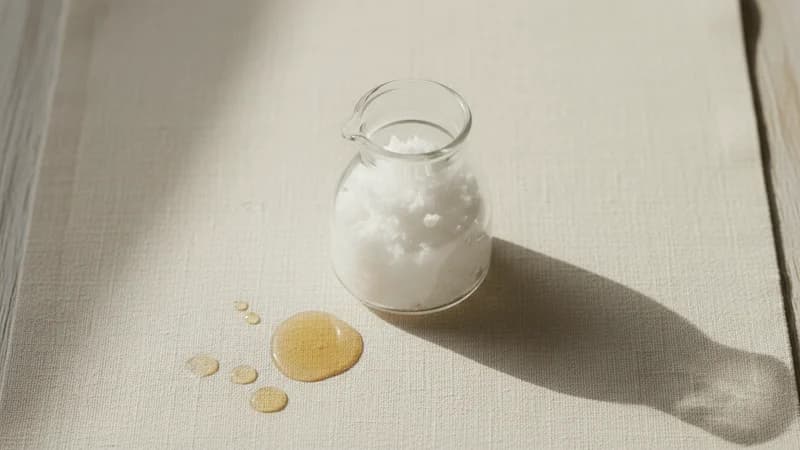
Coconut Oil is best suited to Pitta, which it helps pacify. In excess it can raise Kapha. Premier Pitta-pacifying oil for both internal and external use. Best enjoyed during summer.
Ayurvedic Profile
Coconut oil, known as Narikela Taila in Sanskrit, occupies a specific and important niche in the Ayurvedic oil hierarchy as the premier Pitta-pacifying oil. The Bhavaprakasha Nighantu describes Narikela (coconut) as possessing Madhura (sweet) rasa, Sheeta (cold) virya, and Madhura (sweet) vipaka with Guru (heavy), Snigdha (oily), and Mridu (soft) gunas. These profoundly cooling and nourishing qualities make it the ideal counterpart to sesame oil for hot climates and Pitta-dominant constitutions.
The Ashtanga Hridaya recommends Narikela and its products for Pitta Shamana (Pitta pacification), Daha Prashamana (burning sensation relief), and Keshya (hair nourishment). In tropical regions of India and Sri Lanka where Ayurveda has been practiced for millennia, coconut oil naturally replaces sesame oil as the primary cooking and massage oil, reflecting the fundamental Ayurvedic principle that diet and lifestyle should be adapted to climate and geography.
Coconut oil's medium-chain triglyceride (MCT) content provides a unique metabolic profile that Ayurveda would classify as more easily digestible than long-chain fats. MCTs are absorbed more directly and converted to energy efficiently, reducing the metabolic burden on Agni compared to other heavy oils. This partially mitigates coconut oil's inherent Guru (heavy) quality and makes it more accessible for digestion.
For external application, coconut oil excels in Pitta conditions: sunburn, skin inflammation, burning scalp, premature greying, and heat rashes. The classical Ayurvedic practice of Shiro Abhyanga (head massage) with coconut oil is recommended for those with Pitta-type hair issues including premature greying, hair loss from inflammation, and scalp heat. It is also the preferred oil for Pitta-dominant individuals performing daily Abhyanga.
The Charaka Samhita's Ritucharya (seasonal regimen) for Grishma Ritu (summer) emphasises Sheeta (cold), Madhura (sweet), and Snigdha (oily) substances, a description that perfectly matches coconut oil. Using coconut oil in cooking and for body application during summer months aligns with the seasonal adaptation principle and helps prevent Pitta accumulation that the hot season naturally promotes.
Ayurvedic Properties
Rasa (Taste)
sweet
Virya (Potency)
cold
Vipaka (Post-digestive)
sweet
Guna (Qualities)
heavy, oily, smooth
How Coconut Oil Affects Vata, Pitta & Kapha
Ayurveda reads every food through the three doshas. Here is how coconut oil’s qualities interact with each: Not sure which is yours? Take the free dosha quiz — about 4 minutes.
Coconut Oil has a broadly neutral effect on Vata. Its sweet rasa and heavy, oily and smooth qualities neither strongly aggravate nor pacify Vata, so those with Vata dosha can enjoy it in moderation within a varied diet. Vata meal plan
Coconut Oil helps pacify Pitta. Its cold virya (potency) and heavy, oily and smooth qualities, with its sweet rasa (taste), counterbalance Pitta's tendencies — which is why it traditionally suits Pitta dosha in regular use. Pitta meal plan
Coconut Oil is well tolerated by those with Kapha dosha in normal amounts, but its cold virya and heavy, oily and smooth qualities may aggravate Kapha in excess — so people with Kapha as their leading dosha are best keeping to measured portions. Kapha meal plan
Nutrition Facts (per 100g)
862kcal
Calories
0g
Protein
0g
Carbs
100g
Fat
0g
Fibre
Ayurvedic Benefits
- Premier Pitta-pacifying oil for both internal and external use
- Cooling Sheeta virya provides relief from heat, inflammation, and burning sensations
- MCT content offers more easily digestible fat compared to long-chain fatty acid oils
- Excellent Keshya (hair-nourishing) oil for preventing premature greying and hair loss
- Ideal summer and tropical climate oil following Ritucharya (seasonal regimen) principles
How to Use
- As coconut oil is cooling (shita virya), favour it in warmer weather and pair it with warming spices like ginger or black pepper when the seasons turn cold.
- Coconut Oil is at its best during summer — eating it in season keeps its Prana (vital energy) and benefit at their peak.
- Use as primary cooking oil during summer months and in hot climates
- Apply to scalp for Shiro Abhyanga to cool Pitta, nourish hair, and prevent greying
- Use for full body Abhyanga for Pitta-dominant individuals, especially in summer
- Apply to sunburned or inflamed skin for cooling relief
- Oil pull with coconut oil for oral health (alternative to sesame for Pitta types)
Contraindications
- Increases Kapha when consumed in excess; Kapha types should use sparingly
- Cooling nature is not ideal for Vata pacification during cold weather; prefer sesame oil
- Some individuals experience digestive heaviness; use moderately if Agni is weak
“Ayurveda classifies Coconut Oil by its sweet rasa (taste), cold virya (thermal potency), and sweet vipaka (post-digestive effect). InnerVeda reads these three lenses together to map Coconut Oil to your dosha and season.”
Frequently Asked Questions
Use coconut oil in summer, in hot climates, and for Pitta-dominant constitutions. Use sesame oil in winter, in cold climates, and for Vata-dominant constitutions. Coconut is cooling; sesame is warming. Both are excellent but serve different seasonal and constitutional needs.
Yes, coconut oil is stable at moderate heat due to its saturated fat content and is suitable for cooking. In Ayurveda, it is the preferred cooking oil for Pitta types and summer meals. Its sweet taste and cooling nature complement tropical and summer foods beautifully.
Coconut oil supports Pitta-type hair issues including inflammation-related thinning and premature greying. For Vata-type dryness, sesame oil may be more effective. Apply warm coconut oil to scalp, massage gently, leave for at least 30 minutes (or overnight), then wash with a gentle shampoo.
Your dosha is the balance of Vata, Pitta and Kapha you were born with. Take the dosha quiz — free, about 4 minutes.
Three questions towards your dosha
These are the first three questions of the full dosha quiz. Answer them here and carry on where you left off.
Prefer to start from the beginning? Take the full dosha quiz.
Dietary information provided is for educational purposes only and is rooted in Ayurvedic tradition. It is not a substitute for professional nutritional or medical advice. Consult a qualified healthcare provider before making significant changes to your diet, especially if you have food allergies, intolerances, or a medical condition.
Want a meal plan matched to your dosha?
Take the free dosha assessment (about 4 minutes) and get a personalised nutrition plan with nearly 300 foods in the app, rated for your body.
Find Your Dosha: FreeAbout 4 minutes