Vata-Kapha Body Type: Diet, Routine & Balance Guide
Complete guide for the Vata-Kapha dual body type. Learn the ideal diet, exercise, daily routine, and herbs to balance these opposing energies.

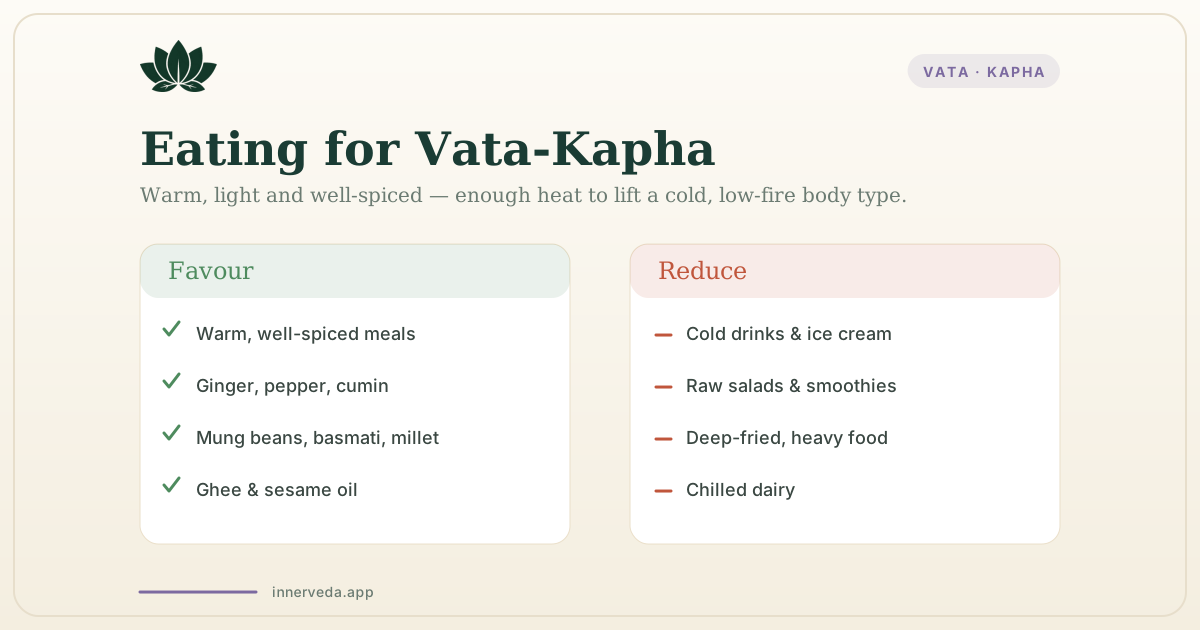
Vata-Kapha types combine movement with stability but lack internal heat. They need warming, light, well-spiced foods and regular stimulating exercise to keep both doshas balanced. Find Your Body Type to confirm your body type and get tailored recommendations.
Understanding the Vata-Kapha Constitution
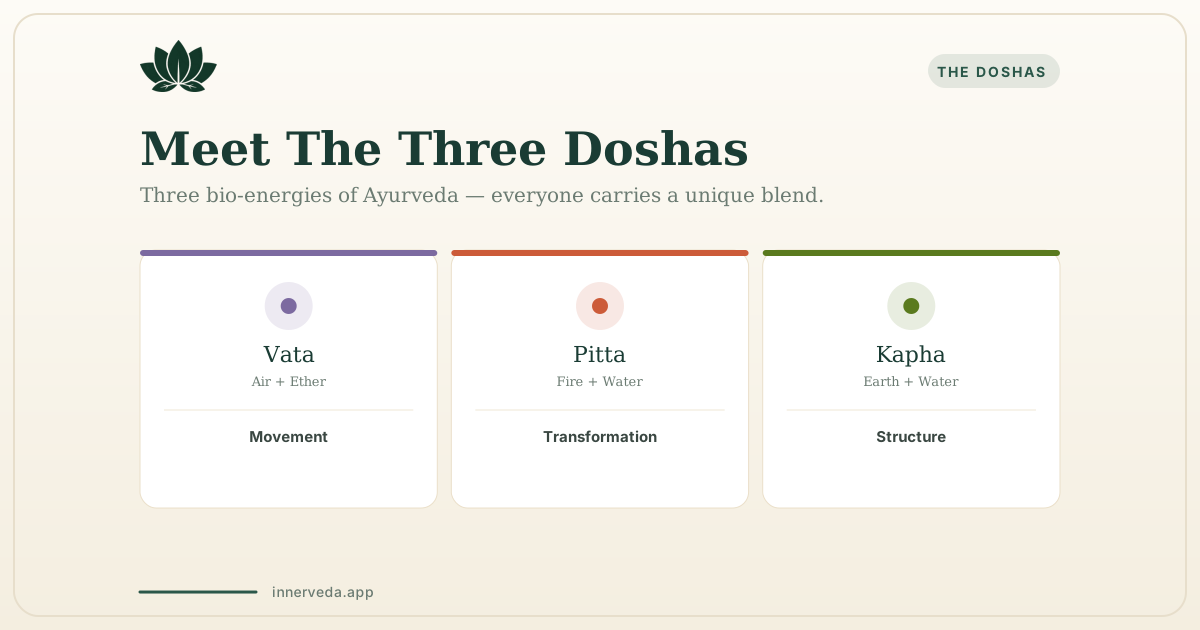
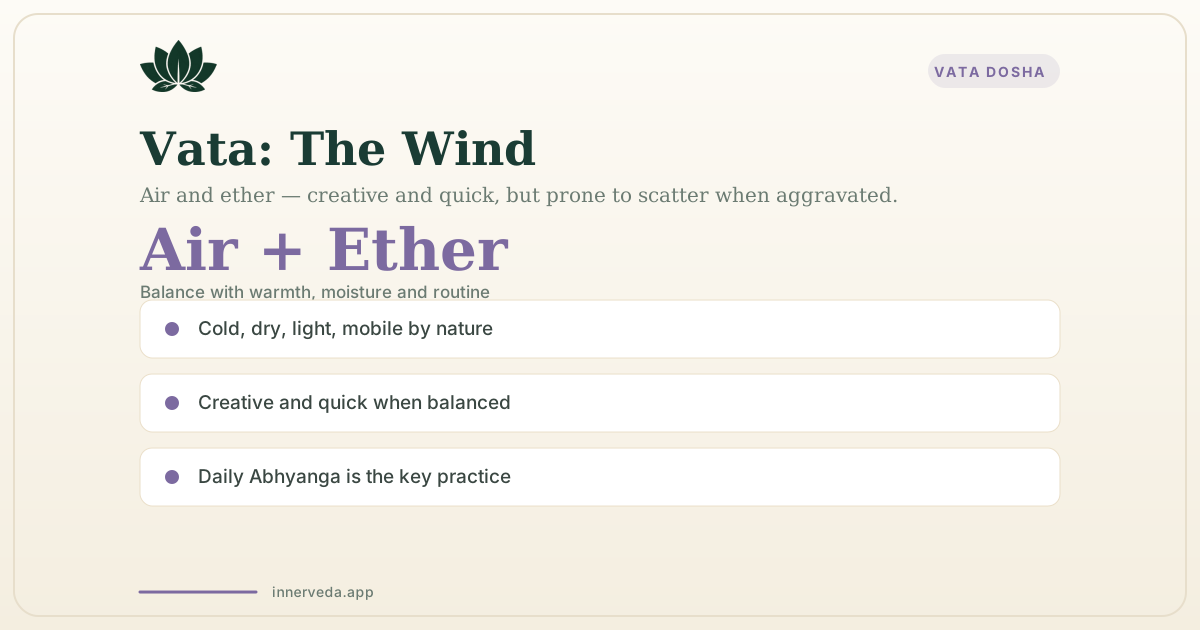
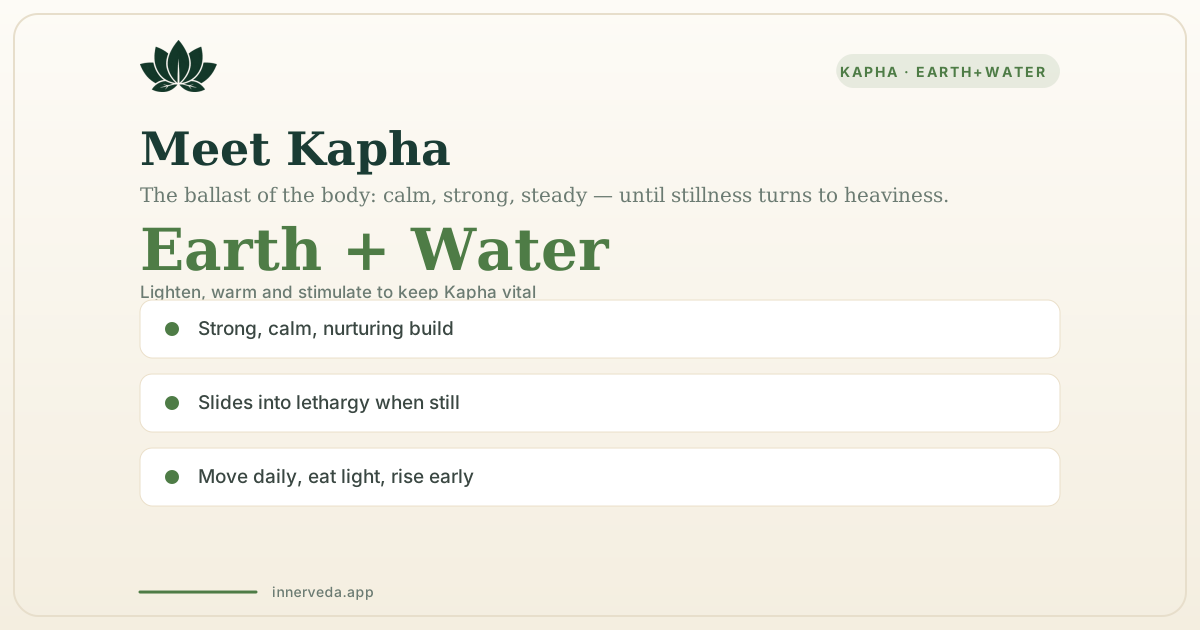
The Vata-Kapha body type is one of the most fascinating dual-dosha constitutions because Vata and Kapha are, in many ways, opposites. Vata is light, mobile, and dry. Kapha is heavy, stable, and moist. Yet both share one critical quality: cold.
This shared coldness, combined with relatively low Pitta (fire), means that Vata-Kapha individuals often struggle with low digestive fire, cold extremities, and fluctuating energy. The body may alternate between Vata patterns (anxiety, restlessness, weight loss) and Kapha patterns (lethargy, congestion, weight gain) depending on the season, stress levels, and diet.
The key to balance for this type is warmth. In food, in activity, in environment, and in lifestyle.
Physical Characteristics
Vata-Kapha types can present in varied ways:
- Build: Variable. May be slender in some areas (Vata) and fuller in others (Kapha), or may alternate between the two
- Skin: Cool, possibly dry in some areas (Vata) and smooth in others (Kapha)
- Hair: Can range from thin and dry (Vata) to thick and cool (Kapha)
- Eyes: Large and gentle (Kapha influence) with an alert quality (Vata)
- Digestion: Tends to be slow and variable. The most common challenge
- Weight: Fluctuates. May gain weight easily but also lose it under stress
- Temperature: Consistently cold. Poor circulation. Cold hands and feet
Mental and Emotional Traits
Strengths:
- Creative imagination (Vata) with follow-through potential (Kapha)
- Kind, compassionate, and empathetic
- Good listeners with deep emotional intelligence
- Can be both innovative and dependable
- Spiritual depth and sensitivity
Challenges:
- Alternating between anxiety (Vata) and depression or lethargy (Kapha)
- Difficulty with motivation and consistency
- Tendency to overthink then withdraw
- Resistance to change combined with restlessness about the status quo
- Emotional sensitivity that can become overwhelming
Dietary Guidelines for Vata-Kapha Types
The dietary priority is warm, light, well-spiced, and moderately oily. Warm and oily enough for Vata, light and spiced enough for Kapha.
Foods to Favour
- Grains: Basmati rice, millet, quinoa, buckwheat, amaranth (all served warm)
- Proteins: Mung beans, red lentils, chicken, eggs, freshwater fish
- Vegetables: Cooked vegetables. Asparagus, green beans, carrots, beetroot, spinach, onions, garlic
- Fruits: Warm, cooked fruits. Stewed apples, baked pears, cooked berries. Or room-temperature ripe fruits
- Dairy: Warm milk with spices (small amounts), ghee
- Oils: Sesame oil, ghee, mustard oil (all warming)
- Spices: Ginger, black pepper, cumin, cinnamon, turmeric, mustard seeds, fenugreek, asafoetida
- Beverages: Ginger tea, spiced chai, warm water with honey
Foods to Reduce
- Cold foods: Ice cream, cold drinks, raw salads, smoothies
- Heavy foods: Deep-fried items, heavy desserts, excess cheese
- Dry foods: Crackers, rice cakes, popcorn (without ghee)
- Excess sweet foods: Refined sugar, heavy cakes, sweet dairy desserts
- Cold dairy: Chilled milk, cold yoghurt, ice cream
- Raw vegetables: Particularly in cold weather
Meal Structure
- Breakfast: Warm porridge with ginger, cinnamon, and a drizzle of honey. Or spiced eggs with cooked vegetables
- Lunch (largest meal): Kitchari or a warm grain bowl with well-spiced vegetables and ghee
- Dinner (light): Warm soup or a small serving of lunch-style food
- Key rule: Always eat warm, freshly cooked food. Avoid leftovers and cold meals
Daily Routine for Vata-Kapha Types
Routine is essential to ground Vata's irregularity. Stimulation is essential to prevent Kapha stagnation.
Morning Routine (6:00 - 8:00 AM)
- Wake by 6 AM (before Kapha heaviness sets in)
- Warm water with honey and ginger
- Dry brushing (Garshana) to stimulate circulation
- Warm sesame oil self-massage (Abhyanga)
- 20-30 minutes of stimulating exercise
- Warm, spiced breakfast
Midday (12:00 - 2:00 PM)
- Eat your main meal when the sun is highest
- Brief walk after eating
- Stay mentally active. Avoid afternoon drowsiness
Evening Routine (6:00 - 10:00 PM)
- Light, warm dinner by 7 PM
- Gentle yoga or stretching
- Warm bath with ginger or eucalyptus essential oil
- Spiced warm milk before bed
- Bed by 10 PM
Exercise Recommendations
Exercise is medicine for Vata-Kapha types. It generates the internal heat that both doshas lack.
Ideal activities:
- Brisk walking (accessible and warming)
- Yoga with dynamic flow (Sun Salutations are excellent)
- Dancing (expressive and joyful)
- Swimming in heated pools
- Light jogging or hiking
- Tai chi or qigong (grounding yet stimulating)
Guidelines:
- Exercise daily, even if just for 20-30 minutes
- Morning exercise is best (counteracts Kapha morning heaviness)
- Dress warmly if exercising outdoors in cold weather
- Avoid exhausting exercise (depletes Vata) but ensure you break a light sweat (stimulates Kapha)
- Consistency matters more than intensity
Activities to avoid:
- Intense, depleting exercise (marathon training, extreme HIIT)
- Exercising in cold, windy conditions without protection
- Water sports in cold water
- Complete inactivity (the worst option for this type)
Seasonal Adjustments
Autumn and Winter (most challenging seasons):
- Increase warming foods, oils, and spices significantly
- Extra Abhyanga with warm sesame oil
- Warm, layered clothing
- Hot drinks throughout the day
- Consider a humidifier to combat dry, cold air
- Gentle exercise indoors if weather is harsh
Spring (Kapha season):
- Lighten the diet. Less oil, more spice
- Increase exercise intensity
- Dry brushing before bathing
- Reduce dairy and sweet foods
- Favour bitter and pungent tastes
Summer (most comfortable season):
- Enjoy the natural warmth
- Moderate spicing (Pitta is still low, so you can handle warmth)
- Stay active outdoors
- This is when Vata-Kapha types typically feel their best
Herbs for Vata-Kapha Balance
- Trikatu (ginger, black pepper, long pepper): the premier warming formula. Stimulates Agni and clears Kapha congestion
- Ashwagandha: warming, nourishing, and grounding. Ideal for Vata-Kapha
- Pippali (long pepper): gently kindles digestive fire without aggravating
- Guggulu: warming and metabolism-supporting
- Tulsi: warming adaptogen that supports immunity and reduces congestion
- Cinnamon: warming spice that supports digestion and circulation
- Ginger: the universal Vata-Kapha remedy. Use fresh and dried liberally
Recognising Imbalance
Signs of Vata aggravation:
- Anxiety, insomnia, racing thoughts
- Constipation, gas, bloating
- Dry skin, cracking joints
- Feeling cold, scattered, and ungrounded
Signs of Kapha aggravation:
- Lethargy, oversleeping, low motivation
- Congestion, excess mucus, sinus issues
- Weight gain, water retention
- Emotional heaviness, withdrawal
The alternating pattern: Many Vata-Kapha types experience an alternating cycle. Periods of anxious restlessness followed by crashes into lethargy. The antidote is always the same: warmth, regularity, moderate stimulation, and nourishing food.
Thriving as a Vata-Kapha Type
Your constitution gives you a unique blend of creativity and endurance, sensitivity and strength. The key is maintaining consistent internal warmth through diet, exercise, herbs, and daily routines.
Find Your Body Type with our free assessment to confirm your body type, and use the guidelines above to create a personalised wellness plan that keeps both Vata and Kapha in harmonious balance.
Frequently Asked Questions
A Vata-Kapha body type means both Vata (Air + Ether) and Kapha (Earth + Water) dominate your body type, with relatively low Pitta. You may have a variable build, cold tendencies, creative mind, and alternating patterns of restless energy and heavy lethargy. The cold quality is shared by both doshas, making warmth essential.
Vata-Kapha types should eat warm, lightly oily, and well-spiced foods. Favour warming spices like ginger, cumin, and black pepper. Include moderate amounts of healthy fats (ghee, sesame oil) but avoid heavy, cold, or overly rich foods. Cooked grains, soups, and stews are ideal.
Both Vata and Kapha have the cold quality, and with low Pitta (fire), Vata-Kapha types lack internal heat. This makes them particularly sensitive to cold weather and cold foods. Warming practices like hot drinks, heating spices, warm oil massage, and layered clothing are essential year-round.
References & sources
- Prakriti analysis of healthy volunteers using a standardised questionnaire— J Ayurveda Integr Med, 2014
- Genome-wide analysis correlates Ayurveda Prakriti types with distinct molecular and physiological signatures— Scientific Reports, 2017
- Adaptogenic and anxiolytic effects of Ashwagandha root extract: a systematic review and meta-analysis— Medicine, 2021
Classical sources
- Charaka Samhita— Sutrasthana, Chapter 1 (Deerghanjiviteeya Adhyaya) 1.59
- Charaka Samhita— Sutrasthana, Chapter 1 (Deerghanjiviteeya Adhyaya) 1.44-45
This article is for educational purposes only and reflects traditional Ayurvedic perspectives alongside selected research. It is not medical advice. Always consult a qualified healthcare provider before acting on any information presented here.
Written by
Ganesh Kompella
Founder, InnerVeda
Research assisted by Vaidya AI
Trained on 500+ classical Ayurvedic texts

Medically reviewed by Dr. Sheetal Rajput
BAMS (Bachelor of Ayurvedic Medicine & Surgery)
Continue Reading
Put this into practice
Take the free body type assessment. Get a personalised wellness plan with nutrition, meditation, and daily routines matched to your body.
Find Your Body Type — Free~3 min · no signup