Complete Guide to Kapha Dosha: Traits, Diet & Balance
Everything you need to know about Kapha dosha, the Ayurvedic constitution of earth and water. Learn Kapha characteristics, energising diet tips, imbalance signs, and daily routines for vitality.

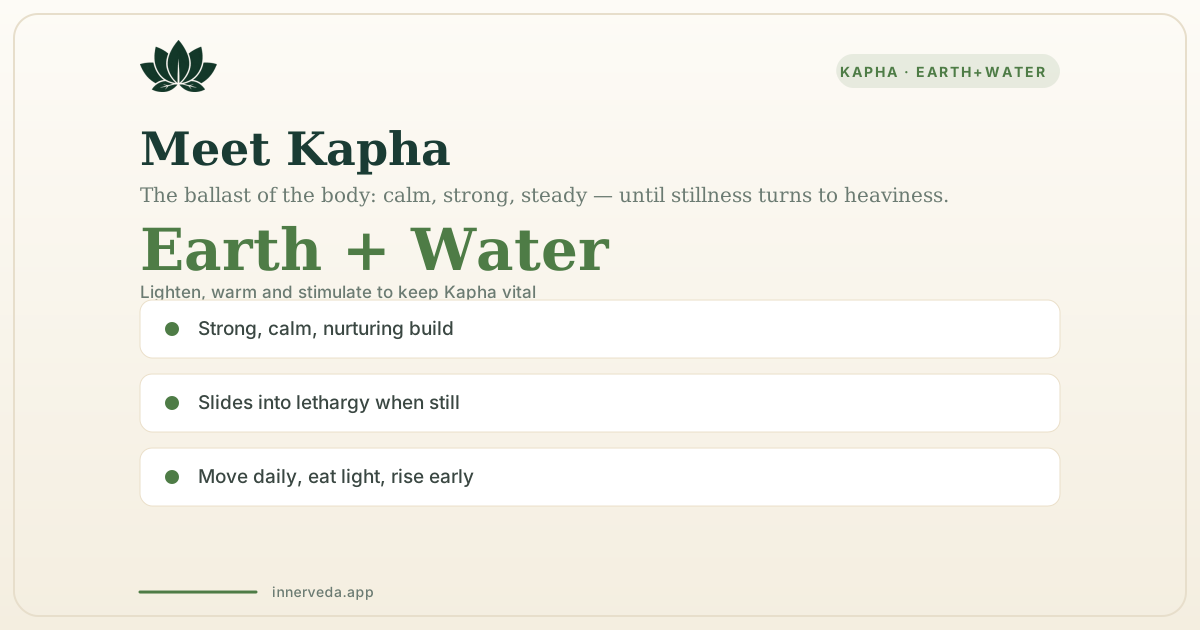
Kapha is the body type made of earth and water. It's the ballast. People with dominant Kapha are calm, nurturing, and physically strong, but the same steadiness slides into lethargy, weight gain, and congestion when they sit still too long. Light food, real movement, and a stimulating routine are the keys to Kapha vitality.
What Is Kapha Dosha?
Kapha is the body type made of Earth (Prithvi) and Water (Ap), the two heaviest and most stable elements. Kapha governs structure, cohesion, and lubrication. The physical framework of the body, the moisture of tissues, the strength of immunity, and the emotional capacity for love and forgiveness.
The word Kapha comes from the Sanskrit roots ka (water) and pha (to flourish). Kapha is what makes the body solid, the mind steady, and the heart generous. The nurturing mother of the doshas.
“Kapha, when in its natural state, bestows stability, lubrication, firmness of the joints (sandhi-bandha), and forbearance (kshama). It is the very foundation upon which the body stands.
”
When Kapha is balanced, you feel strong, loving, and deeply grounded. When it accumulates beyond your natural level, heaviness descends. Physically as weight gain and congestion, mentally as lethargy and attachment. Understanding your Kapha nature is the key to maintaining vibrant energy.
Kapha Body Type
People with a predominantly Kapha body type tend to have a sturdy, well-built frame with broad shoulders and good stamina. They typically have smooth, moisturised skin, thick hair, and a steady but sometimes slow digestion. Mentally, Kapha types are calm, loyal, and nurturing. They can become lethargic, resistant to change, or prone to weight gain when out of balance. Take our free body type quiz to discover your unique constitution. Or explore the Kapha body type hub for signs, food, and a daily routine at a glance.
The Qualities of Kapha
Kapha is defined by qualities that are the polar opposite of Vata. Where Vata is light and mobile, Kapha is heavy and stable:
- Heavy (Guru): solid build, tendency to gain weight, deep sleep
- Slow (Manda): slow metabolism, deliberate movements, steady thought process
- Cold (Sheeta): cool, damp skin. Prone to colds and congestion
- Oily (Snigdha): smooth, well-lubricated skin and joints. Oily hair
- Dense (Sandra): thick tissues, lush hair, strong bones
- Soft (Mridu): soft skin, gentle manner, compassionate nature
- Stable (Sthira): loyal, grounded, resistant to change
- Smooth (Shlakshna): smooth skin, even temperament, graceful movement
Kapha Physical Characteristics
People with a Kapha-dominant constitution (Prakriti) typically display these physical traits:
- Body frame: Solid, broad-shouldered, and well-built. Gains weight easily
- Skin: Smooth, cool, thick, and well-moisturised. Pale complexion
- Hair: Thick, lustrous, wavy, and abundant. Tends to be dark
- Eyes: Large, calm, and attractive. Often brown or deep-coloured
- Digestion: Slow but steady. Can comfortably skip meals without distress
- Joints: Well-cushioned and flexible. Strong ligaments
- Sleep: Deep, heavy sleeper. Needs external motivation to wake
- Stamina: Excellent endurance. Slow to start but capable of sustained effort
Kapha Mental and Emotional Traits
The Kapha mind is the embodiment of steady wisdom and emotional depth.
When balanced:
- Calm, patient, and tolerant
- Deeply compassionate and nurturing
- Loyal, reliable, and consistent
- Strong long-term memory
- Thoughtful decision-maker (doesn't rush)
- Emotionally stable and forgiving
- Natural peacemaker in conflicts
When imbalanced:
- Lethargic, unmotivated, and apathetic
- Possessive, clingy, or jealous
- Resistant to change, even when change is needed
- Prone to emotional eating and comfort-seeking
- Oversleeping and difficulty waking
- Hoarding. Physical objects and emotional grievances
- Depressive tendencies and withdrawal
Signs of Kapha Imbalance (Vikriti)
When Kapha accumulates beyond its natural level, it creates heaviness and stagnation. Recognising these signs early lets you lighten and energise before the pattern deepens.
Physical Signs
- Unexplained weight gain, especially around the midsection
- Sinus congestion, excess mucus, and frequent colds
- Feeling sluggish and heavy, especially in the morning
- Water retention and puffiness
- Slow digestion, nausea after eating
- Excessive sleeping (more than 9 hours) without feeling refreshed
- Oily skin, large pores, and cystic acne
- Diabetes or pre-diabetic tendencies
Mental and Emotional Signs
- Lack of motivation and procrastination
- Emotional eating or overeating for comfort
- Difficulty letting go of relationships, possessions, or the past
- Feeling stuck in a rut
- Avoiding social situations or new experiences
- Mild depression or persistent low mood
- Stubbornness and inflexibility
Common Causes of Kapha Aggravation
- Cold, damp, and cloudy weather (late winter and spring)
- Oversleeping and daytime napping
- Sedentary lifestyle. Sitting for long periods
- Excessive dairy, sugar, wheat, and oily foods
- Eating without genuine hunger
- Lack of variety and mental stimulation
- Avoiding exercise or movement
- Excessive attachment and difficulty with boundaries
Kapha-Balancing Diet
The Kapha diet centres on one guiding principle: lighten, warm, and stimulate. For a detailed food list, recipes, and a 7-day meal plan, see our complete Kapha diet guide. Kapha types have naturally slow digestion, so the goal is to stoke the digestive fire (Agni) with appropriate foods and spices.
Tastes That Balance Kapha
Three of the six Ayurvedic tastes have a lightening, energising effect on Kapha:
- Pungent: ginger, black pepper, chilli, garlic (warming, metabolism-boosting)
- Bitter: leafy greens, turmeric, fenugreek, dandelion (cleansing and drying)
- Astringent: legumes, pomegranate, green tea, broccoli (toning and light)
Foods to Favour and Reduce
Kapha Food Compatibility Guide
| Food / Item | Vata | Pitta | Kapha |
|---|
Green = favour, Amber = enjoy in moderation, Red = reduce or avoid
Kapha Meal Timing
Kapha types do best with fewer meals and lighter eating patterns. The slow Kapha metabolism does not need constant fuel:
- Breakfast (7-9am): light or optional. A warm spiced tea, stewed apple, or skip entirely if not hungry
- Lunch (12-1pm): the main meal. Well-spiced grains, vegetables, and legumes
- Dinner (6pm): light and early. Brothy soup, steamed vegetables, or a small grain bowl
- Fasting: Kapha is the dosha that benefits most from periodic light fasting or eating only two meals
Signature Kapha-Energising Recipe
Spiced Mung Dal with Greens
A light, protein-rich meal that boosts Kapha metabolism without heaviness.
Ingredients
Instructions
Kapha-Balancing Daily Routine (Dinacharya)
For Kapha types, the daily routine should be designed to energise and stimulate. Where Vata needs calming routine and Pitta needs moderation, Kapha needs activation and variety.
Morning Routine (5:30-7am)
- Wake early: before 6am is ideal. Sleeping past 7am increases Kapha heaviness
- Dry brushing (Garshana): brisk strokes with a silk or wool glove to stimulate lymphatic flow and reduce stagnation
- Warm water with lemon and ginger: ignites the digestive fire
- Vigorous exercise: this is Kapha's golden hour. 30-45 minutes of energetic movement
- Light or no breakfast: honour your body's actual hunger signals
Midday (10am-2pm)
- Eat your main meal at lunch. Well-spiced and satisfying but not heavy
- Take a brisk walk after eating to support digestion
- Avoid napping. Daytime sleep is the primary Kapha aggravator
Evening (6-9pm)
- Eat a very light dinner by 6pm, or skip it if not hungry
- Engage in stimulating activities. Learning something new, socialising, or creative projects
- Practice invigorating pranayama (Kapalabhati / skull-shining breath or Bhastrika / bellows breath)
- Avoid heavy screen time or sedentary entertainment
- Sleep by 10pm. But no more than 7-8 hours total
Kapha and the Seasons
Kapha is most aggravated during late winter and spring (February to May), the season characterised by cold, damp weather, melting snow, and heavy skies. This is when sinusitis, weight gain, and seasonal depression hit Kapha types hardest.
Seasonal Adjustments for Kapha
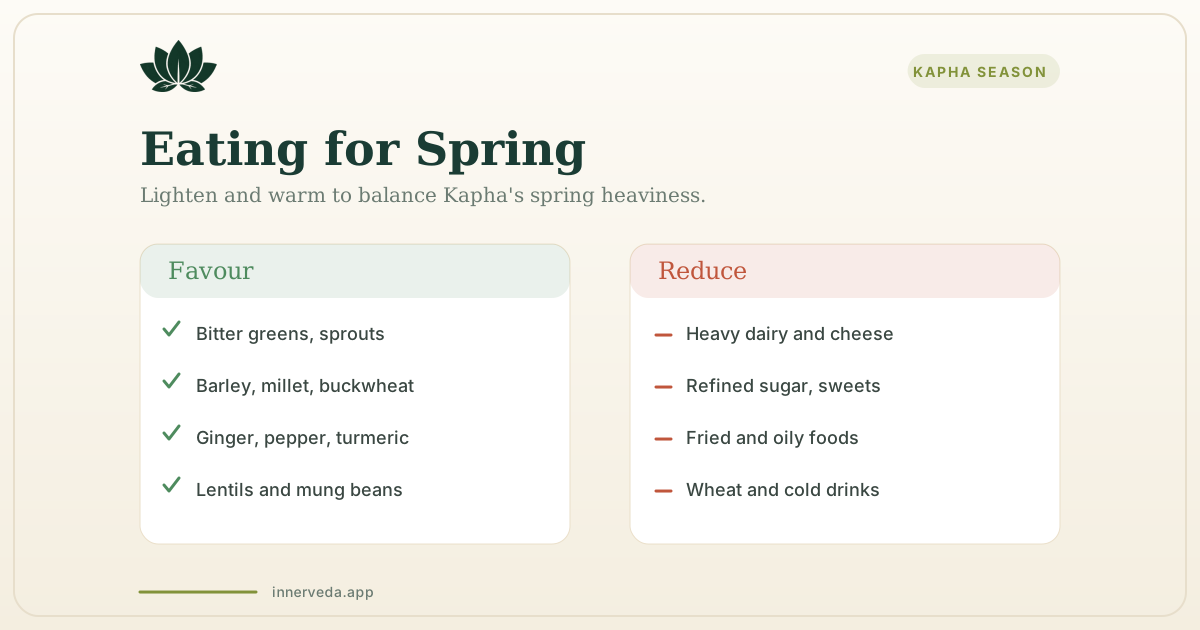
- Spring: Maximum lightening. Favour bitter and pungent foods, increase exercise, consider a gentle cleanse
- Summer: Kapha naturally lightens. Enjoy the warmth and outdoor activity
- Autumn: Maintain activity levels as days shorten. Watch for creeping sluggishness
- Winter: Stay warm and active. Favour hot, spiced soups and avoid heavy comfort foods
Kapha-Balancing Yoga and Exercise
Movement is medicine for Kapha. Unlike Vata (who needs gentleness) and Pitta (who needs moderation), Kapha thrives with vigorous, challenging, and varied exercise.
Best practices:
- Running, jogging, or brisk walking
- High-energy yoga (Power Yoga, Ashtanga, Sun Salutations)
- Dancing. Especially upbeat, social dance forms
- Martial arts and boxing
- Hiking and outdoor adventures
- Group fitness classes (the social element motivates Kapha)
What to avoid:
- Sedentary routines disguised as exercise (very slow walking)
- Staying in comfort zones with no physical challenge
- Exercising alone if you tend to skip sessions (accountability helps Kapha)
- Using exercise as an excuse to eat more heavy foods afterward
“For those of Kapha constitution, vigorous exercise, dry massage, fasting, pungent and bitter foods, and waking before dawn are the supreme remedies. What is heavy must be met with lightness.
”
Living with Kapha: Practical Tips
Here are everyday strategies for keeping Kapha in balance:
- Rise early: set your alarm before 6am and resist the snooze button. This is your most important habit
- Move daily: at least 30 minutes of vigorous exercise. Make it non-negotiable
- Embrace the new: try a new recipe, take a different route, learn a skill. Novelty stimulates Kapha
- Eat light: two meals per day with minimal snacking. Let your digestion rest between meals
- Spice generously: ginger, black pepper, turmeric, and cinnamon boost sluggish metabolism
- Declutter regularly: physical clutter mirrors mental stagnation. Keep your space open and light
- Seek stimulation: Kapha minds need variety. Podcasts, courses, travel, and conversation keep you sharp
- Practice generosity: channel Kapha's natural love outward rather than inward as possessiveness
When to Seek Professional Guidance
While self-care practices are powerful, consider consulting a qualified Ayurvedic practitioner if:
- You experience persistent weight gain despite dietary changes
- Chronic sinus congestion or respiratory issues affect your quality of life
- Low mood or depressive tendencies persist beyond seasonal changes
- You suspect a dual-dosha imbalance (Kapha-Vata or Kapha-Pitta)
- You want a personalised herbal protocol (Kapha-specific herbs like Trikatu, Guggulu, and Punarnava)
Your Next Step
Understanding your Kapha nature is the foundation. The next step is building an energising, varied lifestyle that honours your strength while keeping stagnation at bay.
Think you might be Kapha?
Take the free 3-minute body type assessment. You'll know what's energising for you, and what isn't.
Find your body typeFrequently Asked Questions
Kapha types tend to have solid, sturdy builds with smooth skin, thick lustrous hair, calm temperaments, and steady energy. They are naturally compassionate, loyal, and patient but can become sluggish or resistant to change when imbalanced.
Kapha types should favour light, warm, dry, and stimulating foods such as leafy greens, legumes, millet, barley, and pungent spices like ginger and black pepper. Avoid heavy, oily, sweet, and cold foods that increase Kapha.
Kapha becomes aggravated by cold and damp weather, oversleeping, sedentary lifestyle, excessive sweet or oily foods, dairy overconsumption, emotional eating, and lack of mental stimulation or variety.
Balance Kapha with regular vigorous exercise, light and spiced meals, dry brushing or stimulating massage with mustard oil, early rising, reducing daytime napping, and engaging in new experiences that challenge comfort zones.
Late winter and spring (roughly February to May) are Kapha season, when cold and damp weather naturally increases Kapha energy. This is when Kapha types are most prone to congestion, lethargy, and weight gain.
References & sources
- Prakriti analysis of healthy volunteers using a standardised questionnaire— J Ayurveda Integr Med, 2014
- Genome-wide analysis correlates Ayurveda Prakriti types with distinct molecular and physiological signatures— Scientific Reports, 2017
- Ayurvedic body constitution types and genetic markers of susceptibility to disease— J Altern Complement Med, 2011
Classical sources
- Ashtanga Hridaya— Sutrasthana, Ch. 1 (Ayushkamiya), verse 11-12 Su. 1.11-12
- Ashtanga Hridaya— Sutrasthana, Ch. 11 (Doshadi-Vijnaniya), verse 2-3 Su. 11.2-3
- Ashtanga Hridaya— Sutrasthana, Ch. 2 (Dinacharya), verses 10-15 Su. 2.10-12
- Ashtanga Hridaya— Sutrasthana, Ch. 3 (Ritucharya), Vasanta Ritu section —
This article is for educational purposes only and reflects traditional Ayurvedic perspectives alongside selected research. It is not medical advice. Always consult a qualified healthcare provider before acting on any information presented here.
Written by
Ganesh Kompella
Founder, InnerVeda
Research assisted by Vaidya AI
Trained on 500+ classical Ayurvedic texts

Medically reviewed by Dr. Sheetal Rajput
BAMS (Bachelor of Ayurvedic Medicine & Surgery)
Continue Reading
Put this into practice
Take the free body type assessment. Get a personalised wellness plan with nutrition, meditation, and daily routines matched to your body.
Find Your Body Type — Free~3 min · no signup