Vata-Pitta Body Type: Diet, Routine & Balance Guide
Complete guide for the Vata-Pitta dual body type. Learn the best diet, daily routine, exercise, and herbs to keep both doshas balanced year-round.

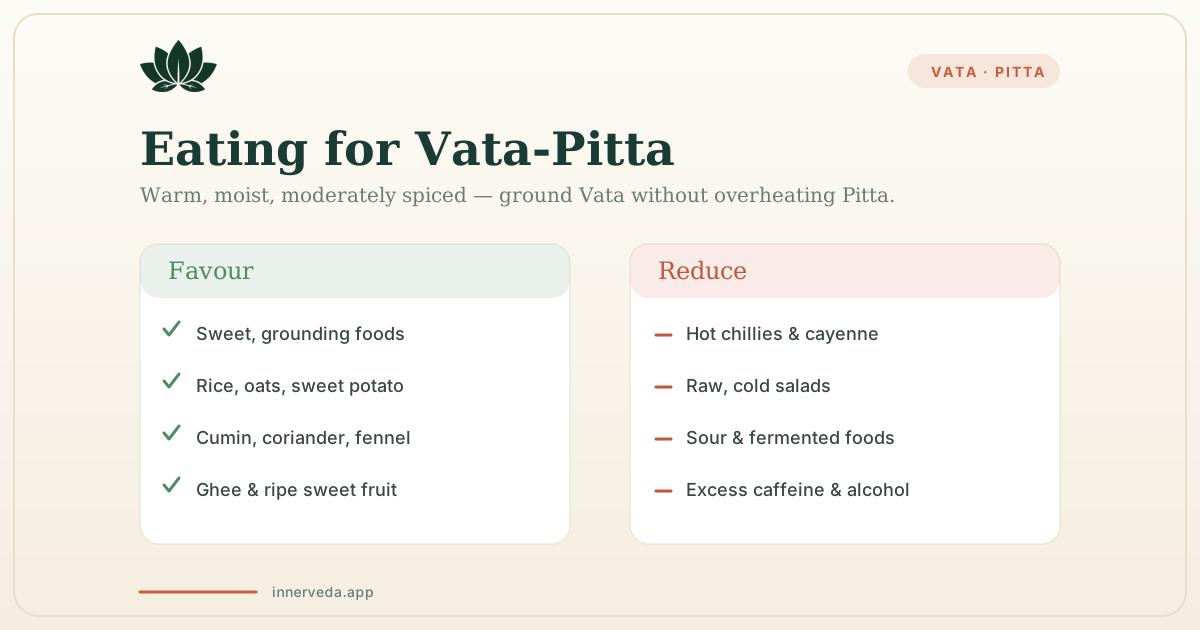
Vata-Pitta types combine creativity and drive but are prone to burnout. They need warm yet not overly heating foods, consistent routines, and moderate exercise. Balance both doshas by favouring sweet, grounding nourishment. Find Your Body Type for personalised guidance.
Understanding the Vata-Pitta Constitution
The Vata-Pitta body type is one of the most dynamic dual-dosha constitutions. You carry the creative, mobile energy of Vata combined with the focused, transformative drive of Pitta. This creates a person who is intellectually sharp, highly creative, enthusiastic, and action-oriented.
When balanced, Vata-Pitta individuals are among the most productive and innovative people. When imbalanced, they are prone to burnout, anxiety with an edge of irritability, and digestive irregularity.
Understanding which dosha is acting up at any given time, and how to pacify it without aggravating the other, is the key to thriving as a Vata-Pitta type.
Physical Characteristics
Vata-Pitta types typically display:
- Build: Lean to medium frame, often taller than average
- Skin: Combination. Dry in some areas (Vata) with warmth or sensitivity in others (Pitta)
- Hair: Fine to medium thickness, may be prone to early thinning
- Eyes: Bright, alert, medium-sized
- Hands: Warm but slender with long fingers
- Weight: Tends toward lean. Can fluctuate with stress
- Temperature: Generally warm but sensitive to both cold wind and intense heat
Mental and Emotional Traits
Strengths:
- Quick, sharp intellect with creative vision
- Ability to both generate ideas (Vata) and execute them (Pitta)
- Enthusiastic, articulate, and persuasive
- Adaptable and driven
- Natural leaders who inspire others
Challenges:
- Prone to burnout from overcommitting
- Can oscillate between anxiety (Vata) and frustration (Pitta)
- Perfectionism combined with self-doubt
- Difficulty relaxing or switching off
- Impatience with slower-paced people
Dietary Guidelines for Vata-Pitta Types
The key dietary principle for Vata-Pitta types is warm, moist, and moderately spiced. Satisfying Vata's need for warmth and grounding without overheating Pitta.
Foods to Favour
- Grains: Basmati rice, oats, wheat, quinoa
- Proteins: Mung beans, tofu, chicken, freshwater fish, eggs
- Vegetables: Sweet potatoes, courgettes, asparagus, green beans, carrots, beetroot (cooked)
- Fruits: Sweet fruits like mangoes, peaches, pears, grapes, figs, dates
- Dairy: Warm milk, ghee, fresh paneer, butter
- Oils: Ghee, olive oil, sunflower oil
- Spices: Cumin, coriander, fennel, turmeric, cardamom, small amounts of ginger
- Sweeteners: Maple syrup, raw honey (in moderation), dates
Foods to Reduce
- Very spicy foods: Hot chillies, cayenne, mustard (aggravate Pitta)
- Raw, cold foods: Salads, smoothies, ice cream (aggravate Vata)
- Dry, crunchy foods: Crackers, popcorn, rice cakes (aggravate Vata)
- Sour and fermented: Vinegar, pickles, kombucha (aggravate Pitta)
- Stimulants: Excess caffeine, alcohol
- Nightshades in excess: Tomatoes, peppers, aubergine (can aggravate Pitta)
Meal Structure
- Breakfast: Warm porridge with ghee, cinnamon, and stewed fruit. Or sweet potato hash with eggs
- Lunch (largest meal): Rice with dal, cooked vegetables, and ghee. Or grain bowls with moderate spice
- Dinner (lighter): Soup, kitchari, or a simple grain-and-vegetable meal
- Snacks: Soaked almonds, dates, warm milk, ripe fruit
Daily Routine for Vata-Pitta Types
A consistent daily routine is essential for Vata-Pitta balance. It grounds Vata's irregularity while preventing Pitta from overworking.
Morning Routine (6:00 - 8:00 AM)
- Wake by 6:30 AM
- Tongue scraping and warm water with a squeeze of lime
- Self-massage with warm sunflower or coconut oil
- 20-30 minutes of moderate yoga or walking
- Meditation or pranayama for 10 minutes
- Warm, nourishing breakfast
Midday (12:00 - 2:00 PM)
- Eat your largest meal when Agni is strongest
- Take a 10-minute walk after eating
- Avoid intense work during the hottest part of the day
Evening Routine (6:00 - 10:00 PM)
- Dinner by 7 PM. Light and warm
- Gentle stretching or restorative yoga
- Reduce screens by 9 PM
- Warm milk with cardamom and a pinch of nutmeg
- Bed by 10 PM
Exercise Recommendations
Vata-Pitta types need exercise that is moderately stimulating without being depleting or overheating.
Ideal activities:
- Yoga (especially Hatha or Vinyasa, not hot yoga)
- Swimming (cooling and grounding simultaneously)
- Hiking in nature
- Cycling at moderate intensity
- Dance (creative expression with movement)
- Pilates (structured but not aggressive)
Activities to moderate:
- High-intensity interval training (too depleting for Vata)
- Hot yoga or exercising in intense heat (aggravates Pitta)
- Competitive sports (Pitta can become overly intense)
- Very long-distance running (depletes Vata)
Exercise timing: Morning is ideal. Avoid intense exercise during the midday heat or late at night.
Seasonal Adjustments
Vata-Pitta types need to shift focus seasonally:
Autumn and Winter (Vata season):
- Increase warming foods and oils
- Add more ghee to meals
- Use warming spices: ginger, cinnamon, cardamom
- Prioritise routine and early bedtime
- Warm oil massage daily
- Reduce raw and cold foods completely
Spring and Summer (Pitta season):
- Shift to cooling foods: coconut, mint, cucumber
- Reduce heating spices
- Exercise in the morning or evening, not midday
- Spend time near water
- Use coconut oil for massage
- Include more sweet fruits
Herbs for Vata-Pitta Balance
- Ashwagandha: grounding and nourishing. Supports both Vata calm and Pitta resilience
- Shatavari: cooling, nourishing, and balancing for both doshas
- Brahmi: calms the mind without depleting energy
- Amalaki: cooling, rejuvenating, and rich in vitamin C
- Licorice root: sweet and soothing. Nourishes both doshas (avoid with high blood pressure)
- Triphala: gentle digestive support suitable for all types
Recognising Imbalance
Signs of Vata aggravation (common in autumn and winter or during stress):
- Anxiety, racing thoughts, insomnia
- Dry skin, constipation, bloating
- Feeling ungrounded or scattered
- Cold hands and feet, muscle tension
Signs of Pitta aggravation (common in summer or during overwork):
- Irritability, impatience, anger
- Acid reflux, skin rashes, inflammation
- Perfectionism, competitiveness
- Overheating, night sweats
When you notice these signs, increase the balancing practices for that specific dosha while maintaining your overall Vata-Pitta routine.
Thriving as a Vata-Pitta Type
The Vata-Pitta constitution is a gift. You have both the creative spark and the fire to bring ideas to life. The key to long-term wellbeing is learning to pace yourself. Build in regular rest, nourish yourself well, and resist the urge to burn the candle at both ends.
Start by finding your body type to confirm your body type and receive personalised recommendations tailored to your unique Vata-Pitta balance.
Frequently Asked Questions
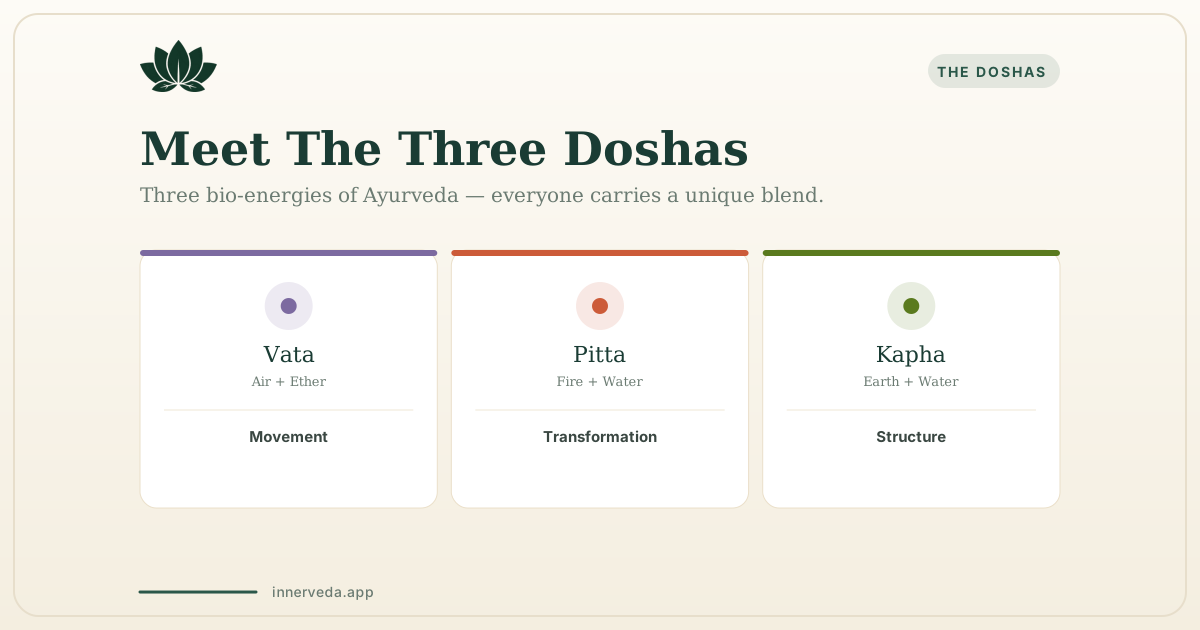
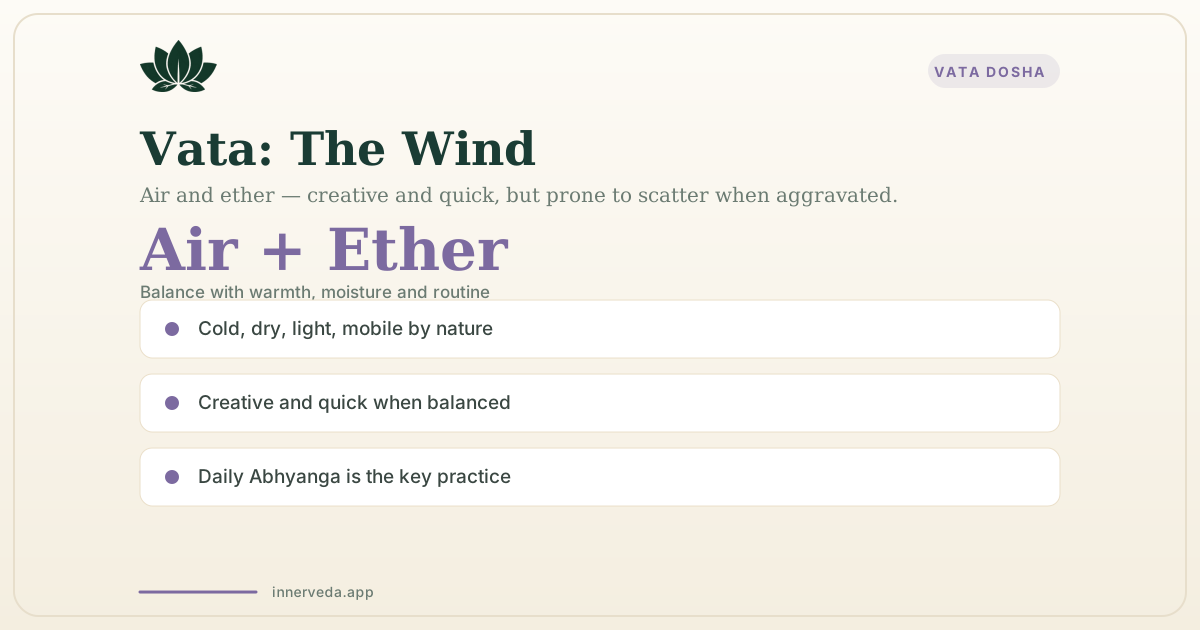
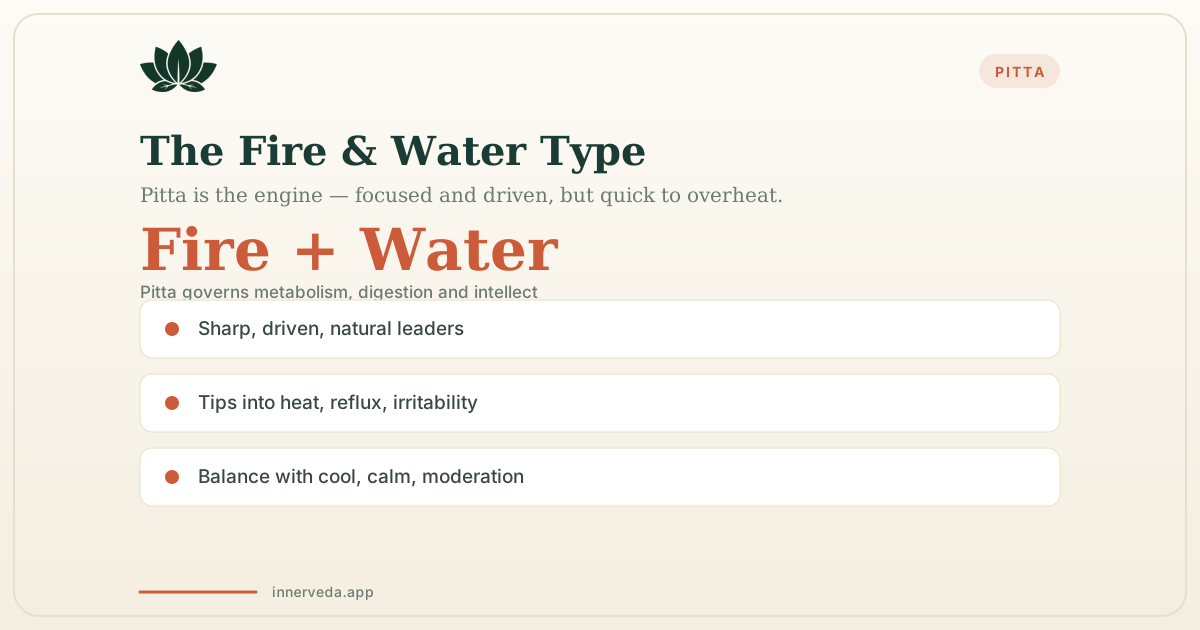
A Vata-Pitta body type means both Vata (Air + Ether) and Pitta (Fire + Water) doshas are dominant in your body type. You likely have a lean-to-medium build, sharp intellect, creative mind, strong ambition, and variable digestion. You may oscillate between Vata traits (anxiety, dryness) and Pitta traits (irritability, heat) depending on circumstances.
Vata-Pitta types should favour warm, moist, mildly spiced foods. Sweet, grounding foods like rice, sweet potatoes, and ghee balance both doshas. Avoid very spicy foods (aggravates Pitta) and raw, cold foods (aggravates Vata). Cook with moderate spices like cumin, coriander, fennel, and turmeric.
Generally, balance whichever dosha is currently most aggravated. In autumn and winter, focus on pacifying Vata with warming, grounding practices. In summer, focus on cooling Pitta. If unsure, the sweet taste and warm-but-not-hot foods pacify both doshas simultaneously.
References & sources
- Prakriti analysis of healthy volunteers using a standardised questionnaire— J Ayurveda Integr Med, 2014
- Adaptogenic and anxiolytic effects of Ashwagandha root extract: a systematic review and meta-analysis— Medicine, 2021
- Triphala: a comprehensive review of its chemistry, pharmacology and clinical use— J Altern Complement Med, 2017
Classical sources
- Charaka Samhita— Sutrasthana 26 (Atreyabhadrakapyiya Adhyaya) 26.43.1
- Charaka Samhita— Sutrasthana 20 (Maharoga Adhyaya) —
- Ashtanga Hridaya— Sutrasthana 3 (Ritucharya Adhyaya) —
This article is for educational purposes only and reflects traditional Ayurvedic perspectives alongside selected research. It is not medical advice. Always consult a qualified healthcare provider before acting on any information presented here.
Written by
Ganesh Kompella
Founder, InnerVeda
Research assisted by Vaidya AI
Trained on 500+ classical Ayurvedic texts

Medically reviewed by Dr. Sheetal Rajput
BAMS (Bachelor of Ayurvedic Medicine & Surgery)
Continue Reading
Put this into practice
Take the free body type assessment. Get a personalised wellness plan with nutrition, meditation, and daily routines matched to your body.
Find Your Body Type — Free~3 min · no signup