Ayurveda for Beginners: Where to Start (2026 Guide)
New to Ayurveda? This step-by-step beginner's guide shows you exactly where to start, what to do first, and how to build an Ayurvedic lifestyle gradually.

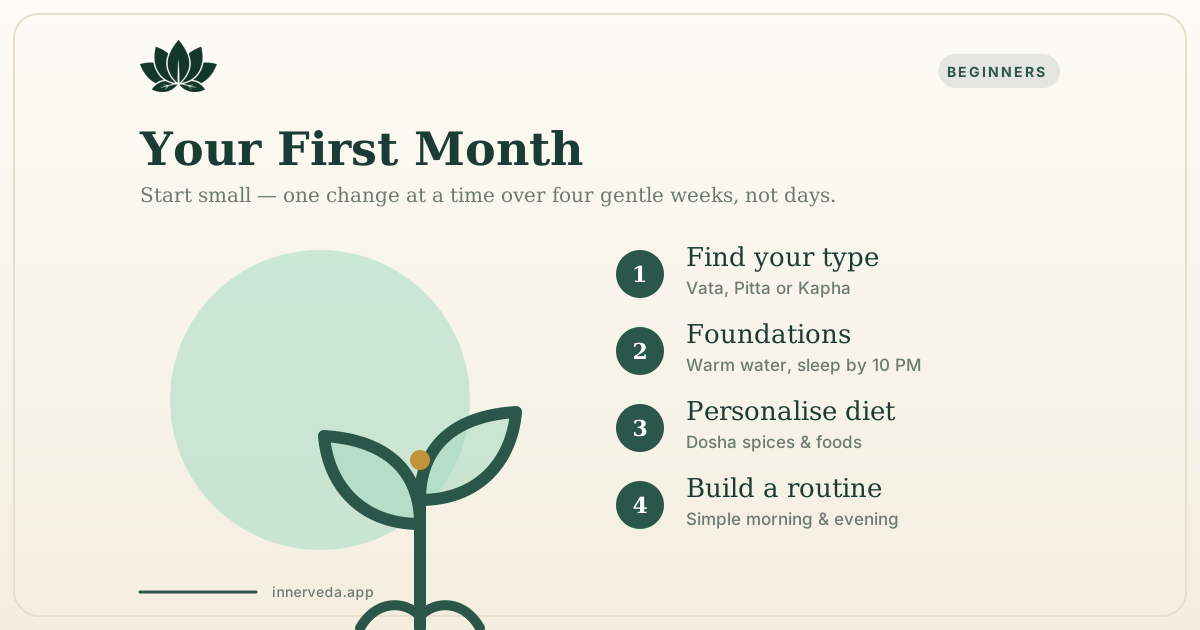
Start Ayurveda by discovering your dosha, then make small daily changes: drink warm water, eat your biggest meal at lunch, and establish a consistent sleep schedule. Build gradually over weeks, not days. Find Your Dosha with our free assessment to begin.
Welcome to Ayurveda
If you are reading this, you have probably heard about Ayurveda and you are wondering where to actually begin. Maybe a golden milk recipe scrolled past, maybe a friend started talking about doshas, maybe you just want a more personalised way to eat and sleep.
Here is the good news. Starting Ayurveda is simpler than you think. You don't need to overhaul your life, become vegetarian, or move to an ashram. It is a practical, flexible system that meets you where you are. Recognised as a traditional system of medicine by global health bodies, it is now studied alongside modern healthcare.
This guide gives you a clear, step-by-step path for your first month.
Step 1: Discover Your Dosha (Week 1)
Everything in Ayurveda begins with understanding your constitution. Your dosha — the balance of the three bio-energies Vata, Pitta, and Kapha — shapes your ideal diet, exercise, sleep habits, and daily routine. Genomic research has found that these constitutional types correspond to distinct gene expression patterns, giving modern scientific footing to an ancient classification.
The three doshas are:
- Vata (Air + Ether): creative, energetic, lean. Prone to anxiety and dryness when imbalanced.
- Pitta (Fire + Water): focused, driven, medium build. Prone to inflammation and irritability when imbalanced.
- Kapha (Earth + Water): calm, strong, sturdy build. Prone to lethargy and weight gain when imbalanced.
Most people have one or two dominant doshas. Find Your Dosha with our free assessment to get started.
Step 2: Adopt the Universal Foundations (Week 2)
These practices benefit everyone, regardless of dosha. Start with just 2-3 and add more as they become habitual.
Morning Practices
Drink warm water upon waking. This one habit gently stimulates digestion, hydrates the body, and helps the overnight clean-up. Add a squeeze of lemon if you wish (skip lemon if you are Pitta-dominant with acid sensitivity).
Scrape your tongue. Use a tongue scraper (copper or stainless steel) each morning before brushing your teeth. This removes overnight bacterial buildup and stimulates digestive organs. You'll notice the coating varies. A thick coating tends to mean weaker digestion.
Eat breakfast mindfully. Whatever you eat, sit down, ditch the phone, and chew thoroughly. This single change can quietly transform your digestion.
Eating Practices
Make lunch your largest meal. Ayurveda teaches that Agni (digestive fire) peaks with the midday sun. Eating your biggest meal between 12-2 PM gives your body the best chance to actually use it.
Eat at regular times. Consistency in meal timing trains your digestive system to be efficient. Aim for the same general times each day.
Favour warm, cooked food. Cooked food is easier to digest than raw food for most people. This doesn't mean never eating salads. Just shift the balance toward more cooked meals, especially in cooler weather.
Evening Practices
Wind down by 9 PM. Reduce screens, lower lights, and begin preparing for sleep. Your circadian rhythm will reward you.
Sleep by 10 PM. This is one of Ayurveda's most impactful recommendations. The hours before midnight are the most restorative for sleep.
Step 3: Personalise Your Diet (Week 3)
Once you know your dosha, begin adjusting your food choices. Don't overhaul everything. Make one change per day or per week.
If You Are Predominantly Vata
Favour: Warm soups and stews, cooked grains, root vegetables, ghee, warming spices (ginger, cinnamon, cumin), sweet fruits, nuts, and seeds
Reduce: Raw salads, cold drinks, dried foods, excess caffeine, irregular eating patterns
One change to start: Add ghee to your meals and drink warm water throughout the day
If You Are Predominantly Pitta
Favour: Cooling foods like cucumber, coconut, leafy greens, sweet fruits, basmati rice, mint, coriander, fennel
Reduce: Spicy food, alcohol, fried food, sour and fermented foods, eating when angry or stressed
One change to start: Replace one spicy meal per week with a cooling, well-balanced alternative
If You Are Predominantly Kapha
Favour: Light, warm, spiced foods; leafy greens, legumes, ginger, black pepper, berries, honey
Reduce: Heavy dairy, fried foods, excess sweet and salty foods, large portions, eating when not hungry
One change to start: Add warming spices (ginger, black pepper) to your cooking daily
Step 4: Build a Simple Daily Routine (Week 4)
Ayurveda calls the daily routine Dinacharya, and it is one of the most powerful health tools in the system. Here is a simple beginner version:
Beginner Morning Routine (15-20 minutes)
- Wake at a consistent time (ideally before 7 AM)
- Drink a glass of warm water
- Scrape tongue and brush teeth
- 5 minutes of gentle stretching or yoga
- Eat a dosha-appropriate breakfast
Beginner Evening Routine (15-20 minutes)
- Eat a lighter dinner by 7 PM
- Take a 10-minute walk after dinner
- Reduce screens by 9 PM
- Drink warm milk with a pinch of nutmeg (or herbal tea)
- Bed by 10 PM
Common Beginner Mistakes to Avoid
Trying to Change Everything at Once
The most common mistake is enthusiasm overload. You read about Ayurveda, get inspired, and try to adopt twenty new practices at once. A week later, you're overwhelmed and you've quit.
Instead: Choose one new practice per week. Master it before adding another.
Being Too Rigid
Ayurveda is a guide, not a prison. If you are Pitta-dominant but love a bit of spice, you don't need to eliminate it entirely. Reduce it, balance it with cooling foods, and pay attention to how you feel.
Instead: Use the 80/20 approach. Follow your dosha guidelines 80% of the time.
Ignoring Your Own Experience
Books and assessments give you a starting framework, but your body is the ultimate authority. If a recommended food doesn't agree with you, listen.
Instead: Track how you feel after meals, sleep patterns, and energy levels. Adjust based on results.
Obsessing Over Dosha Scores
Your dosha is a useful guide, not a definitive label. It shifts slightly with seasons, life stages, and circumstances.
Instead: Focus on how you feel. Use your dosha as a compass, not a cage.
Essential Ayurvedic Pantry Items
Stock these basics to support your new practice:
- Ghee: used in cooking and as a health tonic
- Fresh ginger: the universal digestive aid
- Cumin, coriander, and fennel seeds: the CCF trio for digestive tea
- Turmeric powder: anti-inflammatory staple supported by extensive research
- Rock salt: preferred over refined table salt
- Raw honey: natural sweetener (never heated)
- Sesame oil: for self-massage (Vata and Kapha types)
- Coconut oil: for self-massage (Pitta types)
- Basmati rice: the most balanced grain in Ayurveda
- Split yellow mung dal: the easiest legume to digest
Your 30-Day Ayurveda Starter Plan
| Week | Focus | Key Actions |
|---|---|---|
| Week 1 | Discovery | Take the dosha assessment; read about your result |
| Week 2 | Foundations | Warm water, tongue scraping, regular meal times, sleep by 10 PM |
| Week 3 | Diet | Add dosha-appropriate spices; adjust 2-3 food choices |
| Week 4 | Routine | Establish morning and evening routines; add 5 min of pranayama |
What Comes Next
After your first month, you will likely notice improvements in digestion, sleep, and energy. From here, you can explore deeper practices:
- Abhyanga (self-massage): a transformative daily practice
- Pranayama: breathing exercises for your dosha
- Seasonal eating: adjusting your diet and routine with the seasons
- Ayurvedic nutrition: deeper exploration of dosha-specific eating
- Herbal support: introducing Ayurvedic herbs with professional guidance
Find Your Dosha today and begin your 30-day journey. The best time to start is now, and the most important step is the first one.
References & Sources
Clinical Research
- Patwardhan B. "Bridging Ayurveda with evidence-based scientific approaches in medicine." Journal of Ayurveda and Integrative Medicine, 2014. PubMed
- Prasher B, Negi S, Aggarwal S, et al. "Whole genome expression and biochemical correlates of extreme constitutional types defined in Ayurveda." Journal of Translational Medicine, 2008. PubMed
- Chauhan A, Semwal DK, Mishra SP, Semwal RB. "Ayurvedic research and methodology." Journal of Traditional and Complementary Medicine, 2017. DOI
- Gupta SC, Patchva S, Aggarwal BB. "Therapeutic roles of curcumin: lessons learned from clinical trials." AAPS Journal, 2013. PubMed
Classical Texts
- Charaka Samhita (Brihat Trayi). Available at Wisdom Library
- Sushruta Samhita (Brihat Trayi). Available at Wisdom Library
- Ashtanga Hridaya (Brihat Trayi). Available at Wisdom Library
InnerVeda's content is for educational purposes only and does not constitute medical advice.
Frequently Asked Questions
Start by discovering your dosha (Vata, Pitta, or Kapha) with a free assessment. Then implement one small change at a time: drink warm water instead of cold, eat your largest meal at lunch, go to bed by 10 PM, and add dosha-appropriate spices to your cooking. Build gradually over 4-6 weeks.
No. Ayurveda encourages gradual, sustainable changes rather than dramatic overhauls. Start by adjusting how you eat (warm, cooked, mindful) before changing what you eat. Add appropriate spices, eat at regular times, and slowly increase dosha-appropriate foods while reducing imbalancing ones.
Yes. While Ayurveda values sattvic (pure) food and many practitioners are vegetarian, the classical texts include guidance on meat consumption for specific doshas and conditions. Ayurveda is about eating what is appropriate for your dosha, health status, and lifestyle, not rigid dietary rules.
References & sources
- Prakriti and its associations with metabolism, chronic diseases, and genotypes— Journal of Ayurveda and Integrative Medicine, 2014
- Recapitulation of Ayurveda constitution types by machine learning of phenotypic traits— Scientific Reports, 2017
- Therapeutic roles of curcumin: lessons learned from clinical trials— Foods, 2017
Classical sources
- Ashtanga Hridaya (Vagbhata)— Sutrasthana, Chapter 2 (Dinacharya Adhyaya) verse 4
- Ashtanga Hridaya (Vagbhata)— Sutrasthana, Chapter 2 (Dinacharya Adhyaya) verse 1
- Ashtanga Hridaya— Sutrasthana 1 (Ayushkamiya Adhyaya) 1.7
This article is for educational purposes only and reflects traditional Ayurvedic perspectives alongside selected research. It is not medical advice. Always consult a qualified healthcare provider before acting on any information presented here.
Written by
Ganesh Kompella
Founder, InnerVeda
Research assisted by Vaidya AI
Trained on 500+ classical Ayurvedic texts

Medically reviewed by Dr. Sheetal Rajput
BAMS (Bachelor of Ayurvedic Medicine & Surgery)
Practise this
Guided sessions that put this article into practice.
Continue Reading

What Is Ayurveda? A Complete Beginner's Guide

What Is My Dosha? Vata, Pitta and Kapha Explained

Ayurvedic Morning Routine (Dinacharya): Your Daily Foundation
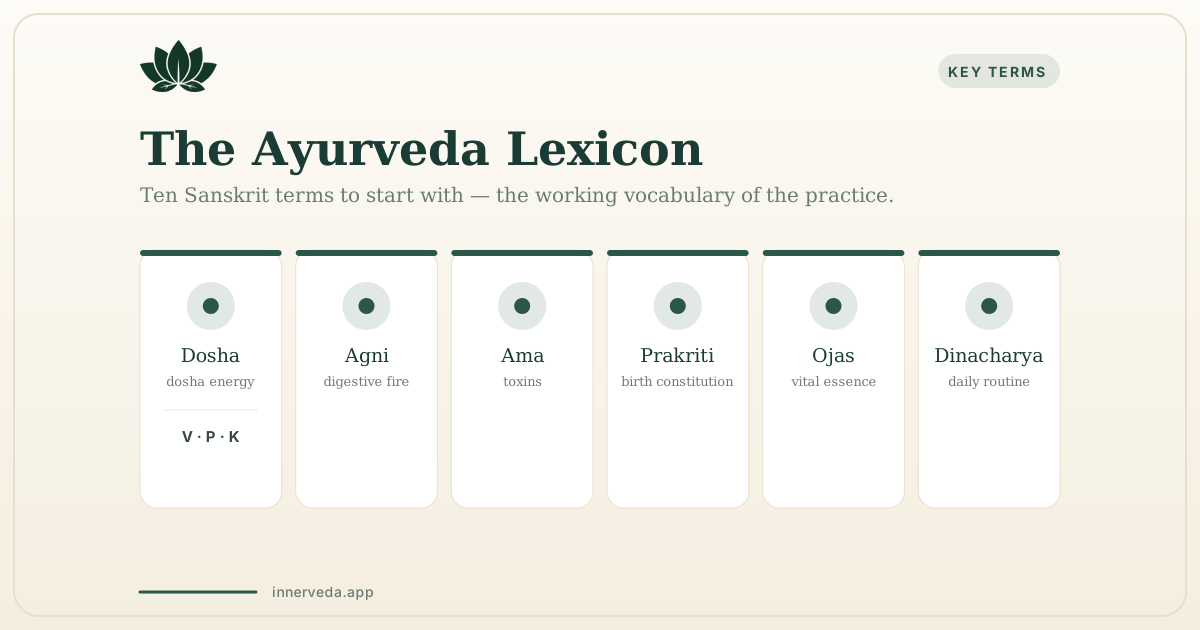
Ayurveda Glossary: 50 Key Terms Explained Simply
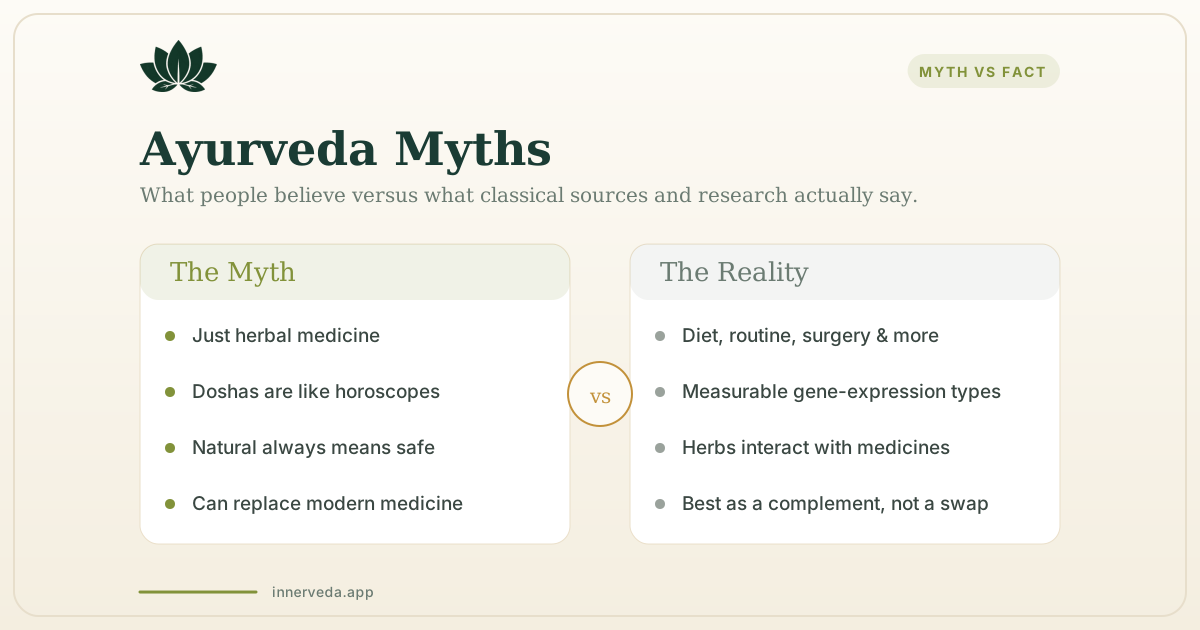
7 Ayurveda Myths Debunked by Science
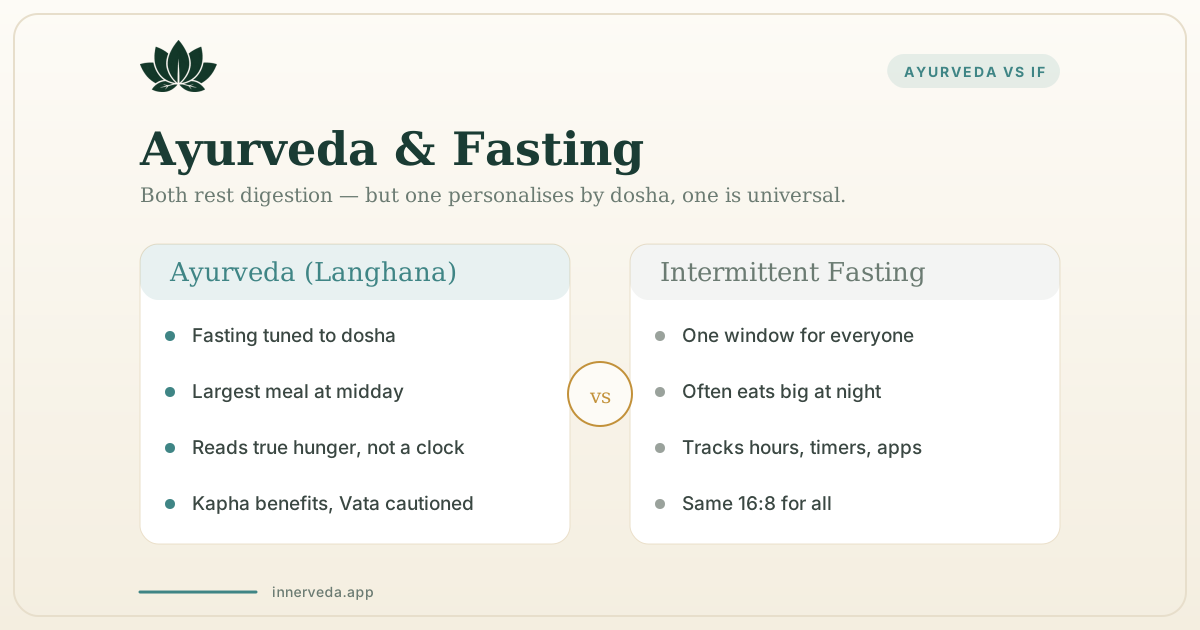
Ayurveda vs Intermittent Fasting
Put this into practice
Take the free dosha assessment. Get a personalised wellness plan with nutrition, meditation, and daily routines matched to your body.
Find Your Dosha — Free~3 min · no signup