Ayurvedic Skincare by Dosha
Build an Ayurvedic skincare routine for your dosha. The best cleansers, oils, herbs and DIY face masks for Vata, Pitta and Kapha skin types.

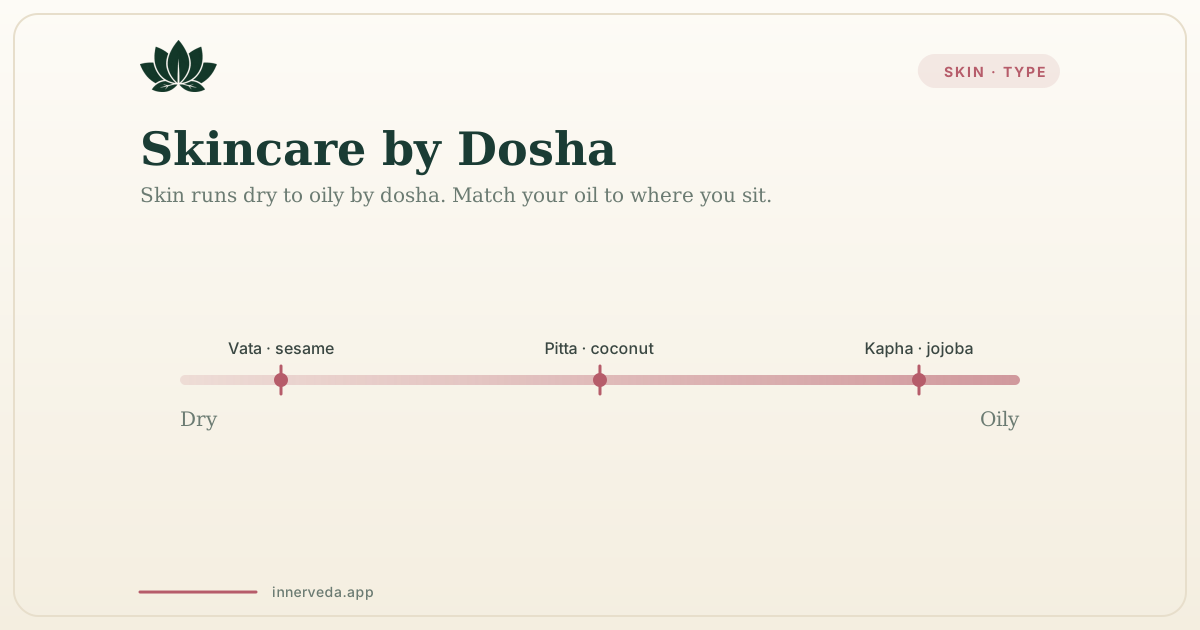
Ayurveda tailors skincare to your dosha. Vata skin tends toward dryness and benefits from rich oils like sesame and almond. Pitta skin is sensitive and responds well to cooling ingredients like rose and coconut. Kapha skin leans oily and benefits from lighter, stimulating herbs like neem and tulsi.
Why Ayurveda Personalises Skincare
Modern skincare often classifies skin as dry, oily, combination, or sensitive. Ayurveda arrived at a remarkably similar system thousands of years ago. It goes further by connecting skin type to your overall constitution (Prakriti) and current state of balance (Vikriti).
In Ayurvedic thought, your skin isn't separate from the rest of your body. A 2018 review in Clinical, Cosmetic and Investigational Dermatology explored how traditional Ayurvedic botanicals are being validated by modern dermatological research. Your skin reflects the health of your digestion, the quality of your sleep, your emotional state, and the balance of your doshas. This is why Ayurveda approaches skincare not just from the outside in, but from the inside out, combining topical care with dietary and lifestyle recommendations.
The Charaka Samhita describes skin (Twak) as one of the five sense organs and identifies it as a site where the health of the deeper tissues (Dhatus) becomes visible. When the body is well nourished and in balance, the skin naturally tends toward clarity, softness, and a healthy glow.
Understanding Your Skin Type by Dosha
Vata Skin: The Dry Type
Characteristics:
- Thin, delicate texture with fine pores
- Tendency toward dryness, flakiness, roughness
- May develop fine lines and wrinkles earlier
- Appears dull or ashy when dehydrated
- Often feels tight after washing
- Can be sensitive to cold and wind
Root cause: Vata's dry, light, cool, and rough qualities naturally show up in the skin. When Vata increases (through cold weather, stress, travel, or irregular routines), the skin tends to lose moisture more rapidly.
Pitta Skin: The Sensitive Type
Characteristics:
- Warm, slightly oily, medium thickness
- Prone to redness, inflammation, irritation
- May experience breakouts, rosacea, or sunburn easily
- Often has freckles or moles
- Reacts strongly to harsh products, spicy foods, heat
- Can develop a yellowish or reddish undertone when imbalanced
Root cause: Pitta's hot, sharp, and oily qualities create skin that's naturally warm and reactive. When Pitta increases (through sun exposure, spicy foods, intense exercise, or emotional heat), the skin tends toward inflammation and sensitivity.
Kapha Skin: The Oily Type
Characteristics:
- Thick, soft, well-hydrated texture
- Larger pores with a tendency toward oiliness
- Prone to congestion, blackheads, cystic breakouts
- Ages slowly with fewer fine lines
- Can appear puffy or waterlogged
- Tolerates sun and environmental stressors relatively well
Root cause: Kapha's heavy, oily, cool, and smooth qualities produce skin that's naturally well-lubricated. When Kapha increases (through heavy foods, sedentary habits, or damp weather), excess oil and water can accumulate, leading to congestion.
Ayurvedic Cleansing Routines by Type
Cleansing is the foundation of any skincare routine. Ayurveda traditionally uses natural powders (Ubtan), herbal pastes, and oils rather than soap-based cleansers.
Vata Cleansing Routine
- Morning: Splash face with lukewarm water only. Avoid stripping natural oils
- Evening: Gently massage the face with warm sesame or almond oil for 1 to 2 minutes, then remove with a soft, warm washcloth
- Weekly: A gentle Ubtan made from oat flour, milk, and a few drops of rose water
- Avoid: Hot water, foaming cleansers, alcohol-based toners, and anything that leaves skin feeling tight
Pitta Cleansing Routine
- Morning: Wash with cool to lukewarm water and a gentle, fragrance-free cleanser or a paste of chickpea flour (Besan) and rose water
- Evening: Cleanse with coconut oil or a cooling herbal cleanser, followed by rose water toner
- Weekly: A soothing Ubtan of sandalwood powder, turmeric, and aloe vera gel
- Avoid: Hot water, harsh exfoliants, products with artificial fragrance, and anything containing alcohol or strong acids
Kapha Cleansing Routine
- Morning: Wash with warm water and a stimulating herbal cleanser. Chickpea flour with a pinch of turmeric and lemon juice works well
- Evening: Use a light oil like jojoba or grapeseed for oil cleansing, followed by a warm washcloth
- Weekly: A detoxifying Ubtan of neem powder, turmeric, and honey
- Avoid: Heavy creams, over-moisturising, and skipping cleansing. Kapha skin needs consistent clearing to prevent congestion
Oils and Herbs for Each Skin Type
Vata Skin: Nourish and Hydrate
Recommended oils:
- Sesame oil, warming, deeply nourishing, traditionally the best oil for Vata
- Almond oil, softening and rich in vitamin E
- Avocado oil, heavy and hydrating for very dry patches
- Kumkumadi Tailam, a classical Ayurvedic facial oil with saffron
Supportive herbs:
- Shatavari, traditionally used to support tissue hydration and nourishment
- Ashwagandha, may help with stress-related skin dullness
- Liquorice (Yashtimadhu), traditionally used for its soothing and brightening properties
Pitta Skin: Cool and Calm
Recommended oils:
- Coconut oil, cooling and light, ideal for Pitta's natural warmth
- Sunflower oil, gentle and non-irritating
- Brahmi oil, traditionally cooling for both skin and mind
- Kumkumadi Tailam. The saffron and sandalwood content is particularly good for Pitta
Supportive herbs:
- Aloe vera, cooling, soothing, anti-inflammatory
- Rose, traditionally the queen of Pitta-pacifying herbs
- Sandalwood (Chandana), cooling and calming for irritated skin
- Manjistha, traditionally used to support clear, even-toned skin
- Turmeric, well-studied for its potential anti-inflammatory and skin-protective properties
Kapha Skin: Stimulate and Clarify
Recommended oils:
- Jojoba oil, light and closely resembles the skin's natural sebum
- Grapeseed oil, light and astringent
- Mustard oil, warming and stimulating (use sparingly on the face)
- Neem oil, traditionally used for its purifying properties (dilute before applying)
Supportive herbs:
- Neem, one of Ayurveda's premier skin-purifying herbs
- Tulsi (Holy Basil), traditionally used for its clarifying and detoxifying properties
- Triphala, may support skin clarity when taken internally or used as a gentle wash
- Haridra (Turmeric), traditionally used for its cleansing and brightening qualities
Seasonal Adjustments
Ayurveda recognises that your skincare needs shift with the seasons, regardless of your dominant dosha.
Spring (Kapha Season)
- Lighten your moisturiser and reduce oil application
- Increase gentle exfoliation with herbal powders
- Use warming, stimulating ingredients like turmeric and ginger
- This is a good time for deeper cleansing masks
Summer (Pitta Season)
- Switch to cooling oils (coconut, sunflower) regardless of your dosha
- Increase use of aloe vera, rose water, and sandalwood
- Protect skin from excessive sun exposure
- Avoid heating practices like hot oil massage on the face
- Hydrate well from the inside with cooling drinks
Autumn and Winter (Vata Season)
- Increase oil application and switch to heavier oils
- Protect skin from cold, dry wind
- Use warm (not hot) water for cleansing
- Add a nightly facial oil massage, even if you're a Kapha type
- Consider internal oleation with ghee to support skin hydration from within
DIY Ayurvedic Face Masks
These simple masks use ingredients commonly available at home or in health food stores. Always patch-test new ingredients on a small area of skin before applying to your full face.
Vata Nourishing Mask
- 1 tablespoon mashed avocado
- 1 teaspoon raw honey
- 1 teaspoon warm sesame oil
- A pinch of nutmeg
Mix into a smooth paste and apply to clean skin. Leave for 15 to 20 minutes, then remove with a warm, damp cloth. Follow with your usual facial oil.
Pitta Cooling Mask
- 2 tablespoons aloe vera gel
- 1 teaspoon sandalwood powder
- 1 teaspoon rose water
- A pinch of turmeric
Mix well and apply a thin layer to clean skin. Leave for 10 to 15 minutes (turmeric may stain, so use sparingly). Rinse with cool water and pat dry. Follow with coconut oil or rose water.
Kapha Clarifying Mask
- 1 tablespoon chickpea flour (Besan)
- 1 teaspoon honey
- 1/2 teaspoon turmeric
- 1 teaspoon lemon juice
- A pinch of neem powder (optional)
Mix into a paste, adding a little water if needed. Apply to clean skin and leave for 10 to 15 minutes. Rinse with warm water using gentle circular motions to lightly exfoliate. Follow with a light application of jojoba oil.
The Inside-Out Approach
Ayurveda consistently emphasises that beautiful skin begins with healthy digestion. No amount of topical treatment can fully compensate for poor diet, chronic stress, or inadequate sleep. To support your skin from within:
- Eat according to your dosha. Balanced nutrition supports all seven tissue layers (Dhatus), including the skin
- Stay hydrated. Warm water throughout the day supports tissue hydration and waste elimination
- Prioritise sleep. Skin repair happens primarily during deep sleep
- Manage stress. Chronic stress elevates cortisol, which can accelerate skin ageing and trigger inflammation
- Support digestion. Strong Agni (digestive fire) makes sure nutrients reach the skin tissue effectively
- Include healthy fats. Ghee, olive oil, and nuts provide the building blocks for supple skin
Building Your Routine
Start simple and build gradually:
- Identify your dominant skin type using the descriptions above or by taking the dosha quiz
- Choose one oil appropriate for your type and use it as a nightly facial moisturiser
- Adjust your cleanser. Move toward gentler, more natural options
- Try one face mask per week using the recipe for your type
- Notice seasonal shifts and adjust your approach every few months
- Address internal factors: digestion, hydration, sleep
The Ayurvedic approach to skincare isn't about achieving perfection. It's about developing a relationship with your skin that's attentive, consistent, and responsive to your body's changing needs.
References & Sources
Clinical Research
- Sharma R, Martins N, Kuca K, et al. "Ayurveda-based botanical interventions for skin health." Clinical, Cosmetic and Investigational Dermatology, 2018. PubMed
- Vollono L, Faloni M, Gaziano R, et al. "Potential of curcumin in skin disorders." Nutrients, 2019. PubMed
- Field T. "Massage therapy research review." Complementary Therapies in Clinical Practice, 2016. PubMed
Classical Texts
- Charaka Samhita, Chikitsa Sthana (Kushtha Chikitsa, on skin conditions and treatment). Available at Wisdom Library
This article is for educational and informational purposes only and reflects traditional Ayurvedic perspectives. It isn't intended as medical or dermatological advice. Natural ingredients can cause allergic reactions in some individuals. Always patch-test before full application. If you have a skin condition such as eczema, psoriasis, rosacea, or acne, please consult a qualified dermatologist or healthcare provider before making changes to your skincare routine.
Frequently Asked Questions
Your Ayurvedic skin type generally corresponds to your dominant dosha. Vata skin tends to be thin, dry, and prone to early fine lines. Pitta skin is warm, sensitive, prone to redness or inflammation. Kapha skin is thick, oily, prone to congestion. Many people have a combination skin type reflecting a dual-dosha constitution. A dosha quiz helps.
Yes. Many people successfully integrate Ayurvedic principles with their existing skincare routine. For example, you might use a gentle commercial cleanser but switch to a dosha-appropriate facial oil for moisturising. Listen to your skin and introduce new ingredients gradually, patch-testing any natural ingredient first.
Ayurveda recommends oils based on your dosha. Sesame or almond oil for dry Vata skin, coconut or sunflower oil for sensitive Pitta skin, and jojoba or grapeseed oil for oily Kapha skin. Kumkumadi Tailam, a traditional Ayurvedic facial oil containing saffron, is considered suitable for all skin types and has been used for centuries to support radiance.
For most people, an Ayurvedic face mask once or twice a week is enough. Kapha skin types may benefit from twice-weekly masks to help manage oiliness. Vata types should limit masks to once a week and choose deeply nourishing ingredients to avoid over-drying. Always follow with appropriate moisturisation.
Classical Ayurvedic texts predate modern sunscreen, but the principles of skin protection are well established. Ayurveda recommends avoiding excessive sun exposure, particularly for Pitta types. Many practitioners today recommend combining traditional Ayurvedic skincare with a suitable modern sunscreen for adequate UV protection, especially in strong sunlight.
References & sources
- Potential of curcumin in skin disorders— Nutrients, 2016
- Genomic basis of Prakriti (Ayurvedic constitution) and its clinical relevance— J Ayurveda Integr Med, 2014
- Curcumin: a review of its effects on human health— Foods, 2017
Classical sources
- Charaka Samhita— Sutra Sthana, Chapter 5 (Matrashiteeya Adhyaya) 5.87-89
- Charaka Samhita— Sutra Sthana, Chapter 5 (Matrashiteeya Adhyaya); cf. Sharira Sthana (Sankhya Sharira) Sutra Sthana 5.87
This article is for educational purposes only and reflects traditional Ayurvedic perspectives alongside selected research. It is not medical advice. Always consult a qualified healthcare provider before acting on any information presented here.
Written by
Ganesh Kompella
Founder, InnerVeda
Research assisted by Vaidya AI
Trained on 500+ classical Ayurvedic texts

Medically reviewed by Dr. Sheetal Rajput
BAMS (Bachelor of Ayurvedic Medicine & Surgery)
Practise this
Guided sessions that put this article into practice.
On the plate: Coconut Oil — how it affects Vata, Pitta and Kapha, and how to use it.
Continue Reading
Ayurveda for Skin: A Dosha Approach to Clear Skin
Ayurveda for Hair: Nourish Hair Based on Your Dosha

What Is My Dosha? Vata, Pitta and Kapha Explained
Dinacharya: The Ayurvedic Daily Routine That Anchors Everything

Dynamics of the Mind: Understanding Manas, Buddhi & Chitta
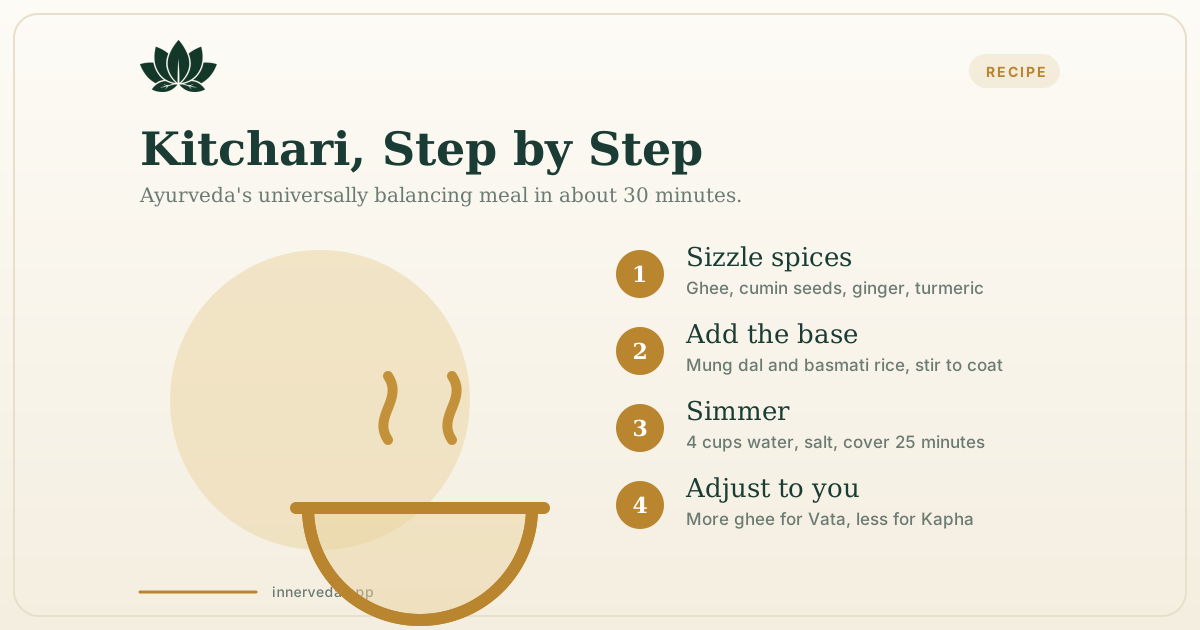
Kitchari Recipe: The Universal Ayurvedic Meal, Adjusted by Dosha
Put this into practice
Take the free dosha assessment. Get a personalised wellness plan with nutrition, meditation, and daily routines matched to your body.
Find Your Dosha — Free~3 min · no signup