Bell Pepper: Benefits & Dosha Effects
Sanskrit: Simla Mirch (शिमला मिर्च)
Bell Pepper is especially balancing for Pitta and Kapha but can raise Vata when eaten in excess. With sweet and bitter rasa (taste), cold virya (potency) and sweet vipaka, it is light and dry in quality and a source of vitamin c.

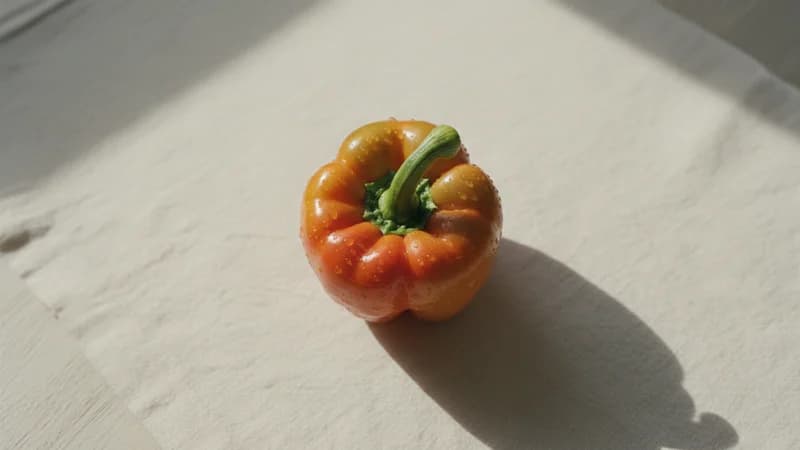
Bell Pepper is best suited to Pitta and Kapha, which it helps pacify. In excess it can raise Vata. Cooling virya and sweet vipaka make bell pepper a naturally Pitta-pacifying vegetable, well suited to the heat and sharpness of summer.. Best enjoyed during summer.
Ayurvedic Profile
Bell Pepper (Simla Mirch (शिमला मिर्च)) is a nourishing vegetables treasured in Ayurvedic nutrition. Referenced in Sushruta Samhita, it is characterised by sweet and bitter rasa (taste), cooling virya (potency), and sweet vipaka (post-digestive effect). Bell pepper is recognised in modern Ayurvedic practice as a mild, sweet-bitter vegetable with cooling virya that soothes Pitta without aggravating Kapha. Its rich Vitamin C content supports Bhrajaka Pitta and skin radiance when consumed seasonally. Its light and dry gunas make it particularly suited for specific constitutional types. It can aggravate Vata when consumed in excess, pacifies Pitta, and pacifies Kapha. From a nutritional standpoint, bell pepper provides approximately 31 calories per 100g, with 1.0g protein, 6.0g carbohydrates, and is a valuable source of Vitamin C, Vitamin A, Vitamin B6. Best enjoyed during summer, bell pepper supports healthy Agni (digestive fire) when prepared according to Ayurvedic principles, helping prevent Ama (toxin) accumulation and nourish the dhatus (body tissues).
Ayurvedic Properties
Rasa (Taste)
sweet, bitter
Virya (Potency)
cold
Vipaka (Post-digestive)
sweet
Guna (Qualities)
light, dry
How Bell Pepper Affects Vata, Pitta & Kapha
Ayurveda reads every food through the three doshas. Here is how bell pepper’s qualities interact with each: Not sure which is yours? Take the free dosha quiz — about 4 minutes.
Bell Pepper is well tolerated by those with Vata dosha in normal amounts, but its cold virya and light and dry qualities may aggravate Vata in excess — so people with Vata as their leading dosha are best keeping to measured portions. Vata meal plan
Bell Pepper helps pacify Pitta. Its cold virya (potency) and light and dry qualities, with its sweet and bitter rasa (taste), counterbalance Pitta's tendencies — which is why it traditionally suits Pitta dosha in regular use. Pitta meal plan
Bell Pepper helps pacify Kapha. Its cold virya (potency) and light and dry qualities, with its sweet and bitter rasa (taste), counterbalance Kapha's tendencies — which is why it traditionally suits Kapha dosha in regular use. Kapha meal plan
Nutrition Facts (per 100g)
31kcal
Calories
1g
Protein
6g
Carbs
0.3g
Fat
2.1g
Fibre
Ayurvedic Benefits
- Cooling virya and sweet vipaka make bell pepper a naturally Pitta-pacifying vegetable, well suited to the heat and sharpness of summer.
- Its light and drying guna gently reduces Kapha, helping counter the heaviness a sluggish Kapha constitution tends to accumulate.
- Rich in vitamin C, especially the red and yellow ripe capsicums, it supports the body's natural defences and the healthy formation of Rasa dhatu.
- The bitter note alongside its sweetness lends a mild scraping (lekhana) quality that traditionally supports clear channels and comfortable digestion in Pitta-Kapha types.
- Vitamin A and vitamin B6 support eye health and steady energy, giving a light vegetable a genuinely nourishing role on a balanced plate.
How to Use
- As bell pepper is cooling (shita virya), favour it in warmer weather and pair it with warming spices like ginger or black pepper when the seasons turn cold.
- Bell Pepper is at its best during summer — eating it in season keeps its Prana (vital energy) and benefit at their peak.
- Enjoy thin raw strips in a summer salad with lime and a pinch of rock salt to keep the vitamin C intact and cool Pitta at its peak.
- Stir-fry with cumin, ginger and a little ghee so a light, dry vegetable stays easy on the gut, which especially helps Vata types who otherwise find it aggravating.
- Roast whole until the skin blisters, then peel; roasting deepens the sweetness and makes the flesh softer and more digestible.
- Stuff halved peppers with spiced paneer or rice and bake for a satisfying main that keeps the vegetable cooked and warm.
- Blend a small amount into a chilled gazpacho-style soup for a hot afternoon, balanced with cucumber and a hint of black pepper to lift digestion.
Contraindications
- Vata types should limit raw bell pepper, as its light, dry, cooling nature can aggravate Vata; prefer it cooked with ghee and warming spices.
- As a member of the nightshade family, bell pepper is best limited by those with joint pain or a known sensitivity to nightshades, who may feel worse after eating it regularly.
- During flare-ups of acid reflux or gastritis, go gently with raw or under-ripe green peppers, whose sharper edge can feel unsettling on an already irritated gut.
“Ayurveda classifies Bell Pepper by its sweet, bitter rasa (taste), cold virya (thermal potency), and sweet vipaka (post-digestive effect). InnerVeda reads these three lenses together to map Bell Pepper to your dosha and season.”
Frequently Asked Questions
They are the same plant at different stages of ripeness, and that changes their quality. Green peppers are picked unripe, so they carry more of the bitter, sharp note and are the most drying. Red and yellow peppers are fully ripened, sweeter, gentler and richer in vitamin C and vitamin A, which makes them the kinder choice for Pitta and for anyone with a sensitive stomach.
Vata benefits least. Bell pepper's light, dry, cooling nature can increase the dryness and cold that Vata already tends towards, sometimes leading to bloating or discomfort. Vata types do not need to avoid it, but should eat it cooked with a little ghee and warming spices such as cumin or ginger rather than raw and chilled.
It depends on your constitution and the season. Raw strips keep the vitamin C fully intact and cool Pitta beautifully in hot weather, so ripe red and yellow ones suit Pitta types in summer. Cooking softens the vegetable, deepens its sweetness and makes it more digestible, which suits Vata types and cooler months. A light stir-fry is a sensible middle path for most people.
Your dosha is the balance of Vata, Pitta and Kapha you were born with. Take the dosha quiz — free, about 4 minutes.
Three questions towards your dosha
These are the first three questions of the full dosha quiz. Answer them here and carry on where you left off.
Prefer to start from the beginning? Take the full dosha quiz.
Dietary information provided is for educational purposes only and is rooted in Ayurvedic tradition. It is not a substitute for professional nutritional or medical advice. Consult a qualified healthcare provider before making significant changes to your diet, especially if you have food allergies, intolerances, or a medical condition.
Want a meal plan matched to your dosha?
Take the free dosha assessment (about 4 minutes) and get a personalised nutrition plan with nearly 300 foods in the app, rated for your body.
Find Your Dosha: FreeAbout 4 minutes