Goji Berries: Benefits & Dosha Effects
Sanskrit: Goji Phala (गोजी फल)
Goji Berries is especially balancing for Vata and Pitta but can raise Kapha when eaten in excess. With sweet rasa (taste), cold virya (potency) and sweet vipaka, it is light and oily in quality and a source of vitamin c.

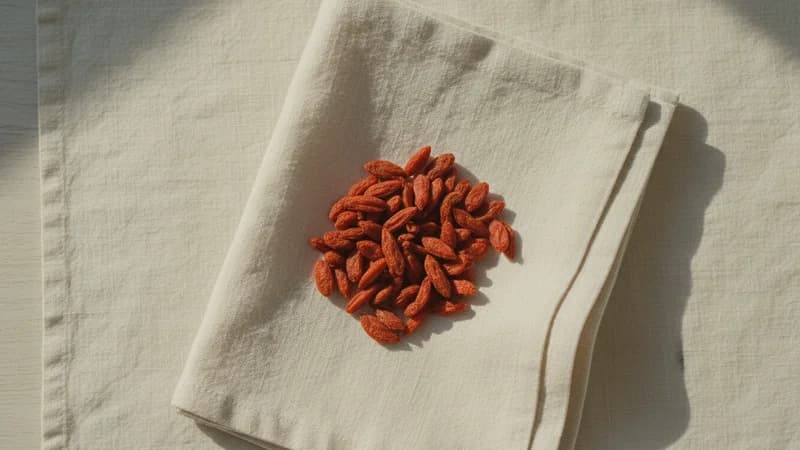
Goji Berries is best suited to Vata and Pitta, which it helps pacify. In excess it can raise Kapha. With a sweet rasa, cold virya and sweet vipaka, these small red-orange berries are traditionally regarded as a Rasayana (rejuvenative), valued for nourishing the blood and building Ojas, the essence that underlies vitality and immunity.. Best enjoyed during winter.
Ayurvedic Profile
Goji Berries (Goji Phala (गोजी फल)) is a vitality-boosting superfoods treasured in Ayurvedic nutrition. Referenced in Sushruta Samhita, it is characterized by sweet rasa (taste), cooling virya (potency), and sweet vipaka (post-digestive effect). Goji berries share Madhura-Sheeta properties comparable to classical Draksha (grapes) in Ayurveda; their exceptional zeaxanthin content supports Drishti (vision) and Alochaka Pitta, while their adaptogenic profile nourishes Rasa and Rakta dhatus. Its light and oily gunas make it particularly suited for specific constitutional types. It pacifies Vata, pacifies Pitta, and can aggravate Kapha when consumed in excess. From a nutritional standpoint, goji berries provides approximately 349 calories per 100g, with 14.3g protein, 77.1g carbohydrates, and is a valuable source of Vitamin C, Vitamin A, Iron. Best enjoyed during winter, goji berries supports healthy Agni (digestive fire) when prepared according to Ayurvedic principles, helping prevent Ama (toxin) accumulation and nourish the dhatus (body tissues).
Ayurvedic Properties
Rasa (Taste)
sweet
Virya (Potency)
cold
Vipaka (Post-digestive)
sweet
Guna (Qualities)
light, oily
How Goji Berries Affects Vata, Pitta & Kapha
Ayurveda reads every food through the three doshas. Here is how goji berries’s qualities interact with each: Not sure which is yours? Take the free dosha quiz — about 3 minutes, no signup.
Goji Berries helps pacify Vata. Its cold virya (potency) and light and oily qualities, with its sweet rasa (taste), counterbalance Vata's tendencies — which is why it traditionally suits Vata dosha in regular use.
Goji Berries helps pacify Pitta. Its cold virya (potency) and light and oily qualities, with its sweet rasa (taste), counterbalance Pitta's tendencies — which is why it traditionally suits Pitta dosha in regular use.
Goji Berries is well tolerated by those with Kapha dosha in normal amounts, but its cold virya and light and oily qualities may aggravate Kapha in excess — so Kapha types are best keeping to measured portions.
Nutrition Facts (per 100g)
349kcal
Calories
14.3g
Protein
77.1g
Carbs
0.4g
Fat
13g
Fiber
Ayurvedic Benefits
- With a sweet rasa, cold virya and sweet vipaka, these small red-orange berries are traditionally regarded as a Rasayana (rejuvenative), valued for nourishing the blood and building Ojas, the essence that underlies vitality and immunity.
- Their light yet oily (Laghu, Snigdha) quality makes goji berries nourishing without being cloying, so they pacify Vata and Pitta while sitting more easily on the digestion than heavier dried fruits.
- Exceptionally rich in vitamin C and the carotenoids that give the berry its warm colour, goji is traditionally reached for to support the eyes and clear, healthy-looking skin, echoing its long-standing reputation as a tonic for the eyes.
- A useful plant source of iron paired with vitamin C, goji berries nourish the Rakta dhatu (blood tissue), which is why they are a favoured winter tonic for those who feel depleted, pale or run-down.
- The cooling, sweet vipaka gently soothes an aggravated Pitta and settles a restless Vata, so a small handful can steady energy and mood during the cold, dry Vata season.
How to Use
- As goji berries is cooling (shita virya), favour it in warmer weather and pair it with warming spices like ginger or black pepper when the seasons turn cold.
- Goji Berries is at its best during winter — eating it in season keeps its Prana (vital energy) and benefit at their peak.
- Soak a tablespoon of dried goji berries in warm water or herbal tea for ten minutes until plump, then eat them and sip the soft, faintly sweet infusion, which is the classical way to rehydrate their light quality.
- Simmer a few berries into a spiced winter porridge, kheer or stewed apple so their sweetness and colour infuse the dish as it cooks gently.
- Steep goji with warming spices such as cinnamon and cardamom in a cup of hot water for a rosy, Vata-friendly winter tea that offsets the berry's cooling potency.
- Fold soaked berries into a nourishing trail mix with almonds and dates for a grounding snack during cold, windy weather, keeping the portion modest.
- Scatter a small spoonful over warm milk or a saffron-spiced dessert; the heat softens the dried skin and marries the berry's sweetness with the milk's nourishing quality.
Contraindications
- Their concentrated natural sugars and cooling nature can aggravate Kapha or unsettle a weak Agni, so those with sluggish digestion, blood-sugar concerns or a Kapha tendency are best limiting intake to a small handful.
- Goji berries may interact with warfarin and other blood-thinning medications, and with some blood-pressure and diabetes drugs, so anyone taking these should seek professional advice before eating them regularly.
- Best limited during pregnancy and in anyone prone to loose stools; introduce them slowly, as the sweet, cooling quality can loosen digestion if eaten in excess.
“Ayurveda classifies Goji Berries by its sweet rasa (taste), cold virya (thermal potency), and sweet vipaka (post-digestive effect). InnerVeda reads these three lenses together to map Goji Berries to your dosha and season.”
Frequently Asked Questions
Soaking is preferable. Dried goji berries have a firm, chewy skin, and rehydrating them in warm water or tea for about ten minutes restores their soft, light and slightly oily quality, making them gentler on the digestion. You can then eat the berries and drink the fragrant liquid. Eaten dry they are still fine, just chewier.
For general wellness a small handful, roughly one to two tablespoons of the dried berries, is enough. Because their sweet rasa is concentrated, larger amounts add unnecessary sugar and can aggravate Kapha. Consistency matters more than quantity, and they are best enjoyed through the cold winter months when their nourishing quality is most welcome.
Their sweet, cooling, lightly oily nature makes goji berries especially soothing for Vata and Pitta, who benefit from their nourishing, blood-building quality. Kapha types are best using them more sparingly because of the sugar content and cold potency. Warming the berries with spices such as cinnamon or cardamom helps balance their cooling effect for everyone.
Dietary information provided is for educational purposes only and is rooted in Ayurvedic tradition. It is not a substitute for professional nutritional or medical advice. Consult a qualified healthcare provider before making significant changes to your diet, especially if you have food allergies, intolerances, or a medical condition.
Want a meal plan matched to your dosha?
Take the free 3-minute dosha assessment and get a personalised nutrition plan with 300 foods rated for your body.
Find Your Dosha — Free~3 min · no signup