Ashwagandha: Benefits & Dosha Effects
Sanskrit: Ashvagandha (अश्वगन्धा)
Ashwagandha is especially balancing for Vata but can raise Pitta and Kapha when eaten in excess. With bitter, astringent and sweet rasa (taste), hot virya (potency) and sweet vipaka, it is light and oily in quality and a source of withanolides.

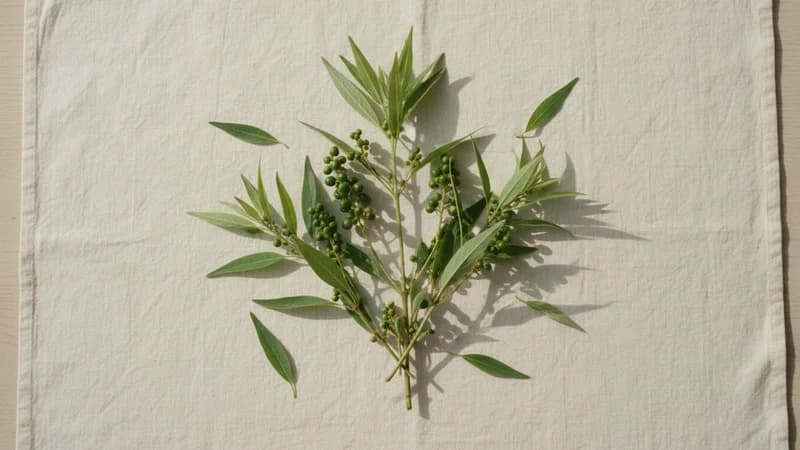
Ashwagandha is best suited to Vata, which it helps pacify. In excess it can raise Pitta and Kapha. Supreme Balya (strength-building) and Rasayana (rejuvenative) herb in Ayurveda. Best enjoyed during winter.
Ayurvedic Profile
Ashwagandha, meaning 'smell of the horse,' references both the herb's distinctive odour and its legendary ability to impart the vitality and strength of a stallion. The Charaka Samhita classifies Ashwagandha among the Balya (strength-promoting), Brimhaniya (nourishing/weight-building), and Vata-pacifying groups, establishing it as one of Ayurveda's most important Rasayana (rejuvenative) herbs. The Ashtanga Hridaya further includes it among Shukrala (reproductive tissue nourishing) herbs.
Ashwagandha possesses Tikta-Kashaya-Madhura (bitter-astringent-sweet) rasa, Ushna (hot) virya, and Madhura (sweet) vipaka. The sweet vipaka is therapeutically crucial, as it means the herb ultimately nourishes and builds tissues despite its initially bitter taste. This combination of hot virya with sweet vipaka creates a uniquely anabolic therapeutic action: it stimulates metabolic activity (through Ushna virya) while directing that activity toward tissue building (through Madhura vipaka).
The Bhavaprakasha Nighantu describes Ashwagandha as Shothahara (anti-inflammatory), Rasayana (rejuvenative), and Nidrajanana (sleep-promoting). These three actions together address the modern epidemic of stress-related conditions: chronic inflammation, premature aging, and sleep disruption. The herb's withanolide content has been extensively studied and shown to modulate cortisol, GABA, and serotonin pathways.
In classical Ayurvedic practice, Ashwagandha is administered with specific Anupana (vehicle substances) depending on the therapeutic goal. With warm milk and ghee, it acts as a supreme Brinhana (nourishing) tonic. With honey, it becomes more Lekhana (scraping). With warm water, its general Rasayana properties are emphasised. This principle of Anupana-specific action demonstrates the sophistication of Ayurvedic pharmacology.
The Charaka Samhita prescribes Ashwagandha Rasayana as a specific therapeutic protocol for rejuvenation, where the herb is consumed in increasing doses with specific dietary restrictions over a defined period. This systematic approach to rejuvenation therapy, described over two thousand years ago, anticipates modern concepts of periodised supplementation and therapeutic cycling.
Ayurvedic Properties
Rasa (Taste)
bitter, astringent, sweet
Virya (Potency)
hot
Vipaka (Post-digestive)
sweet
Guna (Qualities)
light, oily
How Ashwagandha Affects Vata, Pitta & Kapha
Ayurveda reads every food through the three doshas. Here is how ashwagandha’s qualities interact with each: Not sure which is yours? Take the free dosha quiz — about 4 minutes.
Ashwagandha helps pacify Vata. Its hot virya (potency) and light and oily qualities, with its bitter, astringent and sweet rasa (taste), counterbalance Vata's tendencies — which is why it traditionally suits Vata dosha in regular use. Vata meal plan
Ashwagandha is well tolerated by those with Pitta dosha in normal amounts, but its hot virya and light and oily qualities may aggravate Pitta in excess — so people with Pitta as their leading dosha are best keeping to measured portions. Pitta meal plan
Ashwagandha is well tolerated by those with Kapha dosha in normal amounts, but its hot virya and light and oily qualities may aggravate Kapha in excess — so people with Kapha as their leading dosha are best keeping to measured portions. Kapha meal plan
Nutrition Facts (per 100g)
245kcal
Calories
3.9g
Protein
49.9g
Carbs
0.3g
Fat
32.3g
Fibre
Ayurvedic Benefits
- Supreme Balya (strength-building) and Rasayana (rejuvenative) herb in Ayurveda
- Adaptogenic properties traditionally valued for supporting stress resilience
- Nidrajanana (sleep-promoting) action supports deep, restorative rest
- Shukrala (reproductive tissue nourishing) properties support fertility in both genders
- Shothahara action traditionally valued for joint comfort and recovery
- Medhya (intellect-promoting) qualities enhance memory and cognitive function
How to Use
- As ashwagandha is heating (ushna virya), balance it with cooling accompaniments such as coriander, fennel or a little ghee — especially through the warmer months.
- Ashwagandha is at its best during winter — eating it in season keeps its Prana (vital energy) and benefit at their peak.
- Dose, timing and Anupana should be decided after consultation with a qualified Ayurvedic practitioner.
- Combine with Shatavari for balanced male and female reproductive health support
- Use Ashwagandha ghrita (ghee infused with ashwagandha) for deeper tissue nourishment
Contraindications
- In excess it can aggravate Pitta, as it is heating.
- If you are pregnant or breastfeeding, avoid it unless a qualified practitioner advises it.
- Avoid if you have a thyroid condition or an autoimmune condition, unless a qualified practitioner advises it.
- If you take sedatives or sleep medicines, check with your doctor first, as several medication interactions have been reported.
- Take extra care if you have liver disease; rare liver injury has been reported.
- It can cause stomach upset or drowsiness in some people.
- Use it only after screening by a qualified practitioner; it should not be chosen on the basis of your dosha alone.
- Check with your doctor first if you take prescription medicines (for example blood thinners, or medicines for diabetes, blood pressure or thyroid), have a liver or kidney condition, or are thinking of giving it to a child.
- See a doctor if poor sleep lasts more than 4 weeks or is affecting your day, or sooner if you snore loudly, gasp or stop breathing in your sleep. If you feel very low or have thoughts of harming yourself, speak to a doctor or a crisis line today.
“Ayurveda classifies Ashwagandha by its bitter, astringent, sweet rasa (taste), hot virya (thermal potency), and sweet vipaka (post-digestive effect). InnerVeda reads these three lenses together to map Ashwagandha to your dosha and season.”
Frequently Asked Questions
Ashwagandha works cumulatively rather than overnight. Dose, timing and Anupana should be decided after consultation with a qualified Ayurvedic practitioner.
Yes, ashwagandha is commonly combined with other herbs. With shatavari, it supports reproductive health. With brahmi, it enhances cognitive function. A qualified Vaidya can create personalised combinations for your needs.
Yes, ashwagandha is beneficial for women when used appropriately. It supports stress management, sleep, and reproductive health. The traditional pairing with shatavari creates a balanced female wellness combination. Avoid during pregnancy and consult a practitioner for specific health conditions.
Your dosha is the balance of Vata, Pitta and Kapha you were born with. Take the dosha quiz — free, about 4 minutes.
Three questions towards your dosha
These are the first three questions of the full dosha quiz. Answer them here and carry on where you left off.
Prefer to start from the beginning? Take the full dosha quiz.
Dietary information provided is for educational purposes only and is rooted in Ayurvedic tradition. It is not a substitute for professional nutritional or medical advice. Consult a qualified healthcare provider before making significant changes to your diet, especially if you have food allergies, intolerances, or a medical condition.
Want a meal plan matched to your dosha?
Take the free dosha assessment (about 4 minutes) and get a personalised nutrition plan with nearly 300 foods in the app, rated for your body.
Find Your Dosha: FreeAbout 4 minutes