Kefir: Benefits & Dosha Effects
Sanskrit: Kshira Amla (क्षीर अम्ल)
Kefir is especially balancing for Vata but can raise Pitta and Kapha when eaten in excess. With sour and sweet rasa (taste), cold virya (potency) and sour vipaka, it is light and oily in quality and a source of calcium.

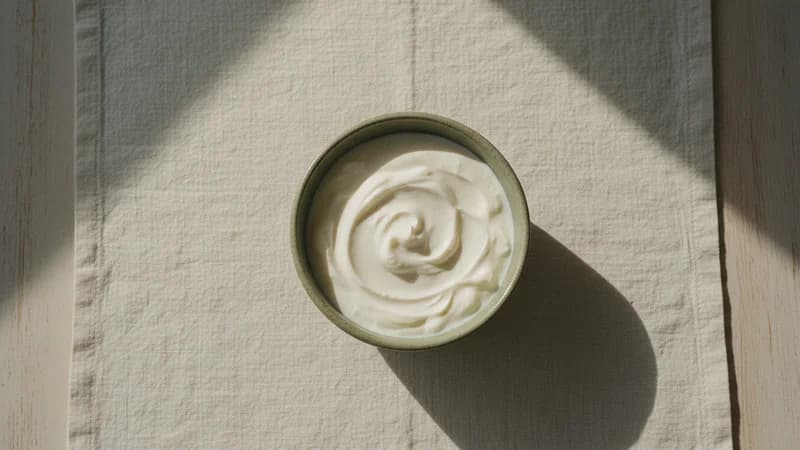
Kefir is best suited to Vata, which it helps pacify. In excess it can raise Pitta and Kapha. Kefir is a cultured milk drink whose fermentation gives it a light yet oily quality (laghu-snigdha) and a pronounced sour taste (amla rasa), which traditionally makes it a gentle appetiser that helps kindle a slow or nervous Vata Agni.. Suitable year-round.
Ayurvedic Profile
Kefir (Kshira Amla (क्षीर अम्ल)) is a ojas-building dairy treasured in Ayurvedic nutrition. Referenced in Bhavaprakasha Nighantu, it is characterised by sour and sweet rasa (taste), cooling virya (potency), and sour vipaka (post-digestive effect). Kefir's unique fermentation process creates a probiotic-rich beverage that aligns with the Ayurvedic concept of Swarasa (self-fermented essence). Its live cultures support Agni and Pachaka Pitta function, while its Amla rasa stimulates appetite and improves nutrient assimilation. Its light and oily gunas make it particularly suited for specific constitutional types. It pacifies Vata, can aggravate Pitta when consumed in excess, and can aggravate Kapha when consumed in excess. From a nutritional standpoint, kefir provides approximately 63 calories per 100g, with 3.8g protein, 4.7g carbohydrates, and is a valuable source of Calcium, Probiotics, Vitamin B12. Best enjoyed during all-seasons, kefir supports healthy Agni (digestive fire) when prepared according to Ayurvedic principles, helping prevent Ama (toxin) accumulation and nourish the dhatus (body tissues).
Ayurvedic Properties
Rasa (Taste)
sour, sweet
Virya (Potency)
cold
Vipaka (Post-digestive)
sour
Guna (Qualities)
light, oily
How Kefir Affects Vata, Pitta & Kapha
Ayurveda reads every food through the three doshas. Here is how kefir’s qualities interact with each: Not sure which is yours? Take the free dosha quiz — about 4 minutes.
Kefir helps pacify Vata. Its cold virya (potency) and light and oily qualities, with its sour and sweet rasa (taste), counterbalance Vata's tendencies — which is why it traditionally suits Vata dosha in regular use. Vata meal plan
Kefir is well tolerated by those with Pitta dosha in normal amounts, but its cold virya and light and oily qualities may aggravate Pitta in excess — so people with Pitta as their leading dosha are best keeping to measured portions. Pitta meal plan
Kefir is well tolerated by those with Kapha dosha in normal amounts, but its cold virya and light and oily qualities may aggravate Kapha in excess — so people with Kapha as their leading dosha are best keeping to measured portions. Kapha meal plan
Nutrition Facts (per 100g)
63kcal
Calories
3.8g
Protein
4.7g
Carbs
3.5g
Fat
0g
Fibre
Ayurvedic Benefits
- Kefir is a cultured milk drink whose fermentation gives it a light yet oily quality (laghu-snigdha) and a pronounced sour taste (amla rasa), which traditionally makes it a gentle appetiser that helps kindle a slow or nervous Vata Agni.
- Its living cultures supply probiotics that support a healthy gut flora and comfortable digestion, echoing the classical use of well-made soured milk drinks (takra-like preparations) to keep the digestive channels clear.
- Sour to the taste and stimulating to the appetite despite its cold potency (shita virya), a small serving is traditionally used to ease the dryness, gas and irregularity of an aggravated Vata, while remaining lighter than yoghurt or paneer.
- It delivers well-absorbed calcium alongside vitamin B12 and complete milk protein, supporting the maintenance of normal bones, red-blood-cell formation and steady nerve function in vegetarians who may otherwise fall short of B12.
- Because fermentation partly breaks down the milk sugars, kefir is often tolerated by people who find plain milk heavy, offering the nourishing, Ojas-supporting qualities of dairy in a far lighter, more digestible form.
How to Use
- As kefir is cooling (shita virya), favour it in warmer weather and pair it with warming spices like ginger or black pepper when the seasons turn cold.
- Sip a small glass (around half a cup) at room temperature earlier in the day rather than straight from the fridge, so its cold quality does not blunt your Agni; take it as a between-meals appetiser rather than last thing at night.
- Blend plain kefir with a pinch of roasted cumin, black salt and fresh coriander to make a light, spiced drink in the spirit of chaas, turning it into an easy after-lunch digestive.
- Stir a spoon of kefir into a smoothie with ripe banana or mango and a little cardamom for a lighter alternative to a heavy milkshake, best enjoyed in the first half of the day.
- Use it as a tangy base for overnight-soaked oats or a savoury cucumber-and-mint dip, which lets its sourness lift a meal while its cultures aid digestion.
- Choose plain, unsweetened kefir and keep servings modest and regular; a small daily amount suits its all-season, light nature better than one large sour glass, which can overheat Pitta or unsettle the gut.
Contraindications
- Those with a heated Pitta constitution, active acidity, reflux or inflammatory skin flare-ups should keep kefir small and infrequent, since its strong sour taste and sour vipaka can add to internal heat when overdone.
- People with clear Kapha congestion, heavy colds or a lot of mucus should limit it, especially chilled and at night, as any cold soured-milk drink can feel damp and cloying for that constitution.
- Anyone who is significantly lactose intolerant, has a dairy allergy, or is immunocompromised should introduce this live-cultured drink cautiously and check with their doctor; start with a very small amount to see how digestion responds.
“Ayurveda classifies Kefir by its sour, sweet rasa (taste), cold virya (thermal potency), and sour vipaka (post-digestive effect). InnerVeda reads these three lenses together to map Kefir to your dosha and season.”
Frequently Asked Questions
Both are soured milk, but kefir is fermented with a wider mix of cultures and is thinner and lighter (laghu) than set yoghurt, which is heavy (guru) and traditionally regarded as channel-clogging when eaten at night. Kefir's more liquid, cultured nature makes it closer in spirit to takra (spiced buttermilk) and generally easier to digest, though both share a sour taste and cold potency, so both are best taken in daylight and in modest amounts.
A small daily glass suits kefir's light, all-season character well, and its cultures support ongoing digestive balance. Keep it to roughly half a cup, take it at room temperature earlier in the day, and choose the plain unsweetened kind. If you notice acidity, loose stools or skin flare-ups, that is a sign your Pitta has had enough, so reduce the amount or take it less often.
The first half of the day is ideal, taken between or after meals rather than at bedtime. Kefir is sour and cold in potency, and sour, cultured milk drinks are traditionally kept out of the late evening because they can feel heavy and damp overnight. Room-temperature kefir, lightly spiced with cumin, works beautifully as a midday or early-afternoon digestive.
Your dosha is the balance of Vata, Pitta and Kapha you were born with. Take the dosha quiz — free, about 4 minutes.
Three questions towards your dosha
These are the first three questions of the full dosha quiz. Answer them here and carry on where you left off.
Prefer to start from the beginning? Take the full dosha quiz.
Dietary information provided is for educational purposes only and is rooted in Ayurvedic tradition. It is not a substitute for professional nutritional or medical advice. Consult a qualified healthcare provider before making significant changes to your diet, especially if you have food allergies, intolerances, or a medical condition.
Want a meal plan matched to your dosha?
Take the free dosha assessment (about 4 minutes) and get a personalised nutrition plan with nearly 300 foods in the app, rated for your body.
Find Your Dosha: FreeAbout 4 minutes