Neem Oil: Benefits & Dosha Effects
Sanskrit: Nimba Taila (निम्ब तैल)
Neem Oil is especially balancing for Pitta and Kapha and tends to aggravate Vata. With bitter and astringent rasa (taste), cold virya (potency) and pungent vipaka, it is light, dry and sharp in quality and a source of azadirachtin.

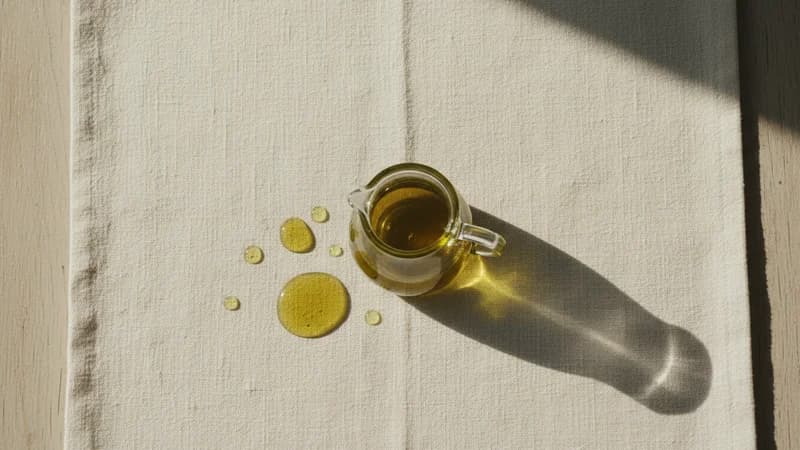
Neem Oil is best suited to Pitta and Kapha, which it helps pacify. It can aggravate Vata, so people with Vata as their leading dosha should use it sparingly. Applied externally, traditionally used to cool and soothe Pitta heat and inflammation of the skin. Suitable year-round.
Ayurvedic Profile
Neem oil (Nimba Taila, निम्ब तैल). In the Sushruta Samhita, Nimba Taila is classed as Krimighna (anti-parasitic) and Kushtaghna (for the skin), and it is traditionally applied to the skin. Referenced in Dhanvantari Nighantu, it is characterised by bitter and astringent rasa (taste), cooling virya (potency), and pungent vipaka (post-digestive effect). Its light, dry and sharp gunas shape how it suits each dosha: it may increase Vata, and it pacifies Pitta and Kapha. It is not a cooking oil and should not be eaten.
Ayurvedic Properties
Rasa (Taste)
bitter, astringent
Virya (Potency)
cold
Vipaka (Post-digestive)
pungent
Guna (Qualities)
light, dry, sharp
How Neem Oil Affects Vata, Pitta & Kapha
Ayurveda reads every food through the three doshas. Here is how neem oil’s qualities interact with each: Not sure which is yours? Take the free dosha quiz — about 4 minutes.
Neem Oil tends to increase Vata. Its cold virya and light, dry and sharp qualities, with its bitter and astringent rasa, align with Vata's own nature, so those with Vata dosha are best using it sparingly and pairing it with Vata-pacifying foods.
Neem Oil helps pacify Pitta. Its cold virya (potency) and light, dry and sharp qualities, with its bitter and astringent rasa (taste), counterbalance Pitta's tendencies — which is why it traditionally suits Pitta dosha in regular use.
Neem Oil helps pacify Kapha. Its cold virya (potency) and light, dry and sharp qualities, with its bitter and astringent rasa (taste), counterbalance Kapha's tendencies — which is why it traditionally suits Kapha dosha in regular use.
Ayurvedic Benefits
- Applied externally, traditionally used to cool and soothe Pitta heat and inflammation of the skin
- Traditionally valued in external use as Kushtaghna (for the skin) and Krimighna (anti-parasitic), as described in Sushruta Samhita
How to Use
- Apply neem oil externally for Abhyanga (self-massage) suited to your dosha constitution
- Store neem oil in dark glass containers to preserve therapeutic qualities and prevent rancidity
- Warm neem oil slightly before use to enhance its penetrating properties and absorption
- For external use only — do not eat, drink or cook with neem oil.
Contraindications
- For external use only; do not take neem oil by mouth.
- Do a patch test first: dab a little on the inside of your forearm and wait 48 hours. Do not use it if your skin becomes red, itchy or swollen.
- Keep it away from your eyes, the inside of your mouth and nose, and any broken, raw or infected skin.
- Keep neem oil out of reach of children and do not use it on babies or young children; swallowing even a small amount can be dangerous for them.
- If you are pregnant or breastfeeding, avoid it unless a qualified practitioner advises it.
- Stop using it if your skin reacts. See a doctor or pharmacist if a skin problem has not improved after 2 weeks, is spreading or looks infected.
“Ayurveda classifies Neem Oil by its bitter, astringent rasa (taste), cold virya (thermal potency), and pungent vipaka (post-digestive effect). InnerVeda reads these three lenses together to map Neem Oil to your dosha and season.”
Frequently Asked Questions
Neem oil is traditionally considered most suited to Pitta and Kapha because of its bitter and astringent rasa and cooling virya. It is used externally only; it is not a food.
No. Neem oil is for external use only, for example in Abhyanga (self-massage); it should not be consumed.
Neem oil is applied externally, for example in Abhyanga (self-massage) suited to your dosha. Warm it slightly before use and store it in a dark glass container. It is not a cooking oil and should not be taken by mouth.
Your dosha is the balance of Vata, Pitta and Kapha you were born with. Take the dosha quiz — free, about 4 minutes.
Three questions towards your dosha
These are the first three questions of the full dosha quiz. Answer them here and carry on where you left off.
Prefer to start from the beginning? Take the full dosha quiz.
Dietary information provided is for educational purposes only and is rooted in Ayurvedic tradition. It is not a substitute for professional nutritional or medical advice. Consult a qualified healthcare provider before making significant changes to your diet, especially if you have food allergies, intolerances, or a medical condition.
Want a meal plan matched to your dosha?
Take the free dosha assessment (about 4 minutes) and get a personalised nutrition plan with nearly 300 foods in the app, rated for your body.
Find Your Dosha: FreeAbout 4 minutes