Pitta-Kapha Body Type: Diet, Routine & Balance Guide
Complete guide for the Pitta-Kapha dual body type. Discover the ideal diet, exercise, daily routine, and herbal support to maintain lifelong balance.

Pitta-Kapha types are strong, resilient, and driven but must guard against excess heat and heaviness. They thrive on bitter and astringent foods, vigorous exercise, and stimulating routines. Find Your Body Type to confirm your body type and get personalised guidance.
Understanding the Pitta-Kapha Constitution
The Pitta-Kapha body type combines the fiery determination of Pitta with the steady endurance of Kapha. This creates one of the most physically robust and resilient constitutions in Ayurveda.
Pitta-Kapha individuals are often natural athletes, successful professionals, and reliable leaders. They have the drive to achieve (Pitta) and the stamina to sustain effort over time (Kapha). Their digestion is generally strong, their immunity robust, and their physical structure solid.
The challenge for this type lies in managing excess heat (from Pitta) and excess heaviness (from Kapha). When both doshas accumulate, the result can be weight gain with inflammation, a combination that modern medicine links to metabolic syndrome.
Physical Characteristics
Pitta-Kapha types typically display:
- Build: Medium to large, muscular frame with good proportions
- Skin: Warm, slightly oily, prone to both acne (Pitta) and congestion (Kapha)
- Hair: Thick, often with warm tones. May experience early greying (Pitta)
- Eyes: Bright, penetrating, medium to large
- Digestion: Generally strong but can become sluggish with heavy foods
- Weight: Tends toward solid. Gains muscle easily but also gains fat if sedentary
- Temperature: Runs warm. Dislikes both extreme heat and damp cold
Mental and Emotional Traits
Strengths:
- Determined, focused, and goal-oriented
- Excellent stamina, both physical and mental
- Natural leaders who inspire confidence
- Loyal, protective, and generous
- Strong memory and organisational skills
Challenges:
- Can become controlling or domineering (Pitta + Kapha stubbornness)
- Difficulty adapting to change or letting go
- Tendency toward overwork followed by crash
- Possessiveness in relationships
- Competitive intensity that may alienate others
Dietary Guidelines for Pitta-Kapha Types
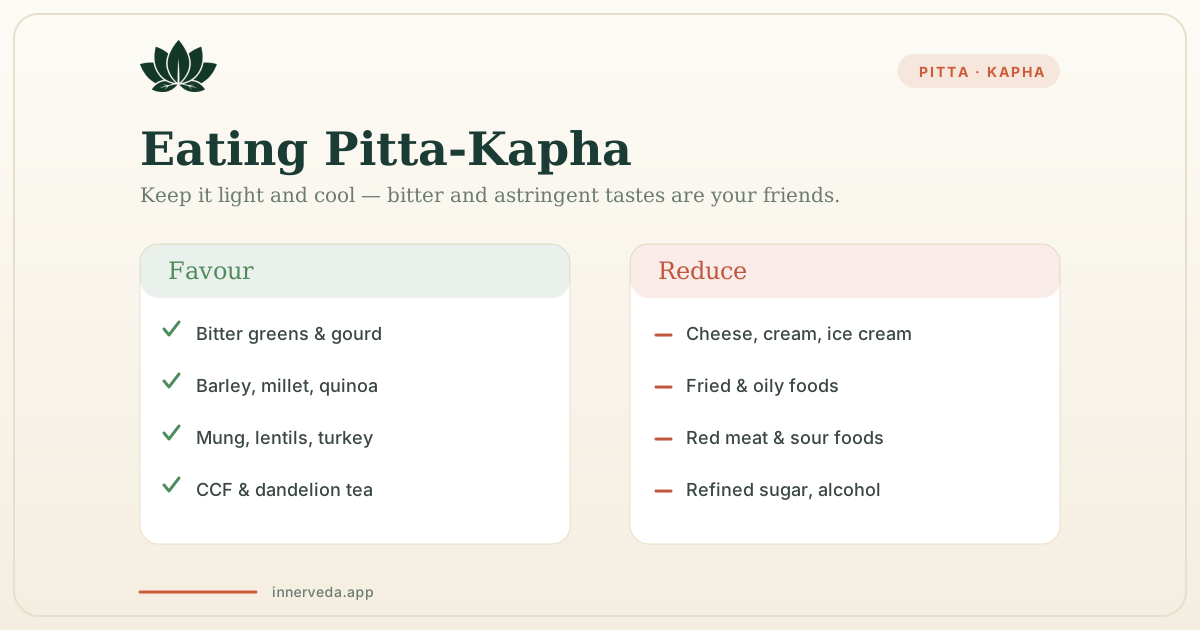
The ideal diet for Pitta-Kapha types is light, warm, and well-spiced without being overly heating. The bitter and astringent tastes are your best friends.
Foods to Favour
- Grains: Barley, millet, quinoa, buckwheat, basmati rice (in moderation)
- Proteins: Mung beans, lentils, chickpeas, chicken, turkey, freshwater fish
- Vegetables: Leafy greens, broccoli, cauliflower, asparagus, bitter gourd, celery, brussels sprouts
- Fruits: Apples, pears, pomegranates, berries, cranberries
- Dairy: Small amounts of goat's milk, ghee (in moderation)
- Oils: Small amounts of sunflower or ghee
- Spices: Turmeric, coriander, fennel, cumin, black pepper (moderate), mint, dill
- Beverages: Dandelion tea, green tea, CCF tea (cumin, coriander, fennel)
Foods to Reduce
- Heavy dairy: Cheese, cream, ice cream, full-fat yoghurt
- Fried and oily foods: Deep-fried items, excessive oil in cooking
- Red meat: Heavy and heating
- Very sour foods: Vinegar, citrus in excess, fermented foods
- Refined sugar and sweets: Aggravate both Kapha (weight) and Pitta (inflammation)
- Alcohol: Heating and congesting
- Excess salt: Increases water retention and heat
Meal Structure
- Breakfast: Light. Fruit with a few soaked almonds, or a small bowl of quinoa porridge with berries
- Lunch (largest meal): Grain with dal, abundant bitter greens, and moderate spicing
- Dinner (light): Soup or steamed vegetables with a small amount of grain
- Fasting: Pitta-Kapha types can benefit from occasional light fasting or eating just two meals per day
Daily Routine for Pitta-Kapha Types
Morning Routine (5:30 - 7:30 AM)
- Wake by 6 AM. Essential to avoid Kapha morning sluggishness
- Warm water with lemon and a pinch of turmeric
- Dry brushing (Garshana) followed by a brief self-massage with sunflower oil
- 30-45 minutes of vigorous exercise
- Cool shower (not cold, but not hot)
- Light breakfast only if hungry
Midday (12:00 - 2:00 PM)
- Largest meal of the day
- Walk for 15 minutes after eating
- Avoid heavy afternoon napping (aggravates Kapha)
- Stay mentally active and engaged
Evening Routine (6:00 - 10:00 PM)
- Light dinner by 7 PM
- Evening walk or gentle activity
- Avoid snacking after dinner
- Relaxation practices like reading and light stretching
- Bed by 10 PM (avoid late-night Pitta productivity surges)
Exercise Recommendations
Pitta-Kapha types genuinely need vigorous, regular exercise. This is one constitution where physical challenge is not optional. It is essential medicine.
Ideal activities:
- Swimming (cools Pitta while stimulating Kapha)
- Hiking and trail running
- Cycling (outdoor preferred)
- Martial arts
- Team sports (football, basketball, rowing)
- High-intensity interval training (3-4 times per week)
- Power yoga or Ashtanga yoga
Exercise guidelines:
- 45-60 minutes daily, minimum 5 days per week
- Morning exercise is ideal (before Pitta midday heat)
- Include variety to maintain Kapha motivation
- Competitive activities can motivate, but monitor Pitta aggression
- Balance intense sessions with recovery days
Seasonal Adjustments
Spring (Kapha season):
- Increase exercise intensity
- Eat lighter, more bitter foods
- Reduce dairy and sweet foods
- Use Trikatu (ginger, black pepper, long pepper) to stimulate metabolism
- Best time for detoxification
Summer (Pitta season):
- Shift to cooling exercise (swimming, early morning walks)
- Increase bitter and astringent foods
- Reduce heating spices
- Stay hydrated with room-temperature water
- Coconut water and mint tea
Autumn/Winter:
- Moderate exercise. Maintain activity but don't overdo
- Warming spices are acceptable in moderation
- Watch for Kapha accumulation from holiday eating
- Keep meals light despite cold-weather cravings
Herbs for Pitta-Kapha Balance
- Guduchi (Giloy): cooling, immune-supporting, and detoxifying. Balances both doshas
- Kutki: bitter herb that supports liver function and reduces both heat and congestion
- Turmeric: anti-inflammatory (Pitta) and metabolism-supporting (Kapha)
- Triphala: gentle detox and digestive regulation
- Punarnava: reduces water retention and supports kidney function
- Neem: cooling and purifying. Excellent for Pitta-Kapha skin issues
- Guggulu: traditionally used to support metabolism and healthy weight
Recognising Imbalance
Signs of Pitta aggravation:
- Skin inflammation, rashes, or acne
- Acid reflux, heartburn
- Irritability, impatience, anger
- Overheating, excessive sweating
- Criticism and judgement of others
Signs of Kapha aggravation:
- Weight gain, water retention
- Mucus congestion, sinus issues
- Lethargy, difficulty waking
- Emotional eating, attachment
- Resistance to change
Signs of dual aggravation:
- Weight gain with inflammation (the most important pattern to watch for)
- Oily skin with breakouts
- Heavy digestion with acid reflux
- Stubbornness combined with irritability
Thriving as a Pitta-Kapha Type
Your constitution gives you remarkable physical and mental strength. The key to long-term wellbeing is keeping things light and cool. Light foods, regular vigorous exercise, and practices that prevent both heat and heaviness from accumulating.
Find Your Body Type to confirm your body type and receive tailored recommendations for your specific Pitta-Kapha balance.
Frequently Asked Questions
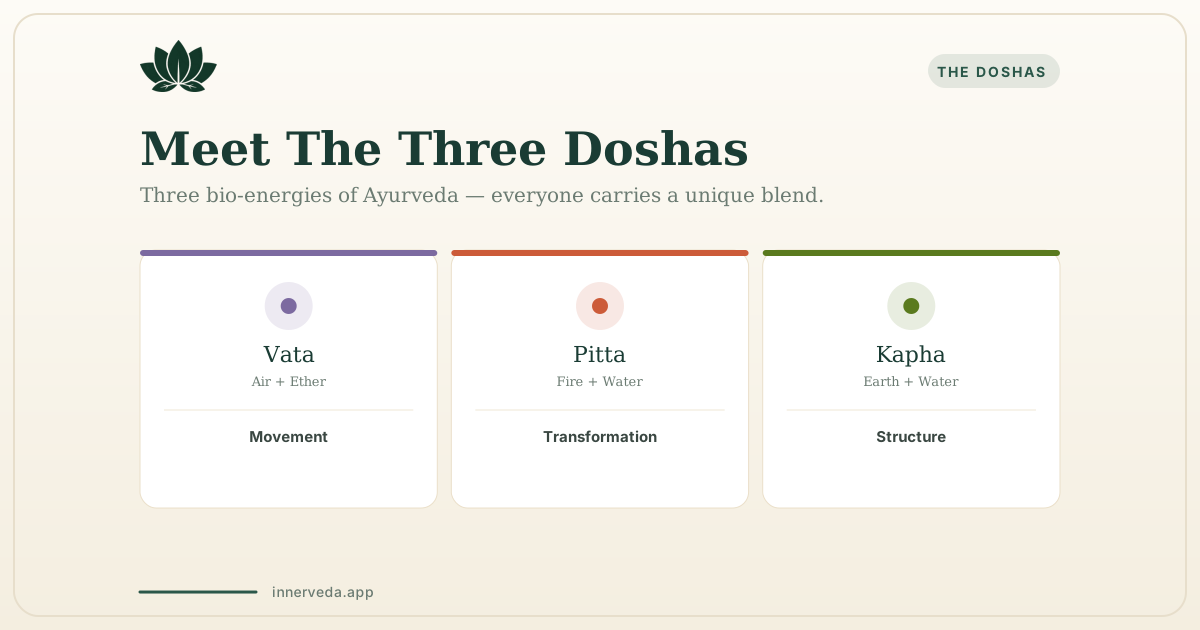
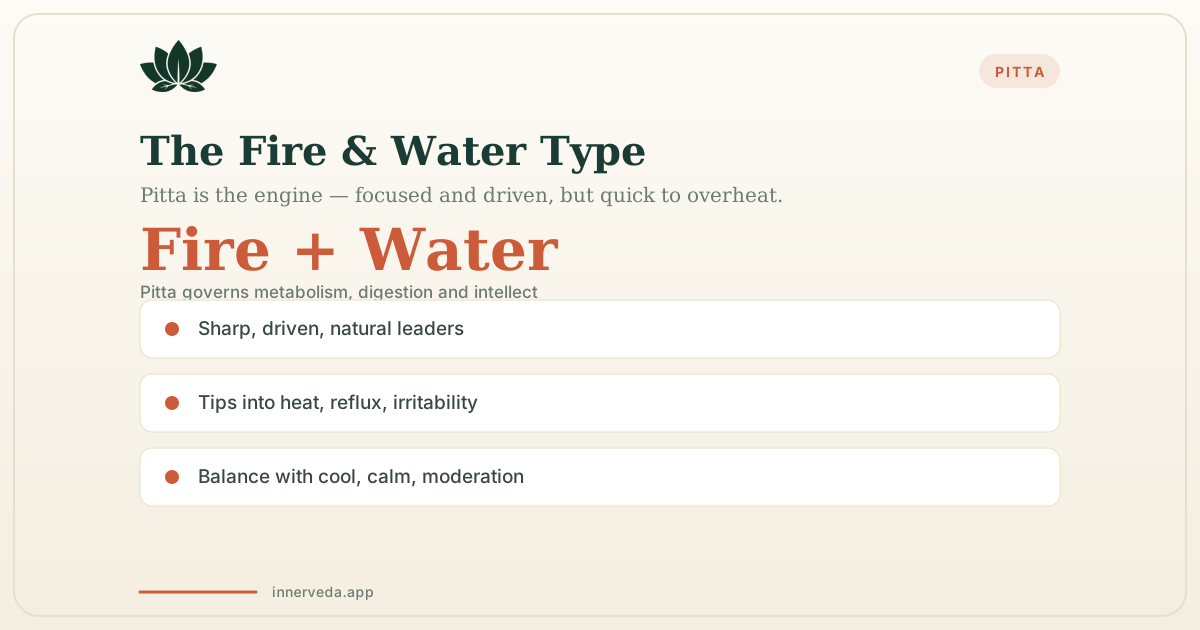
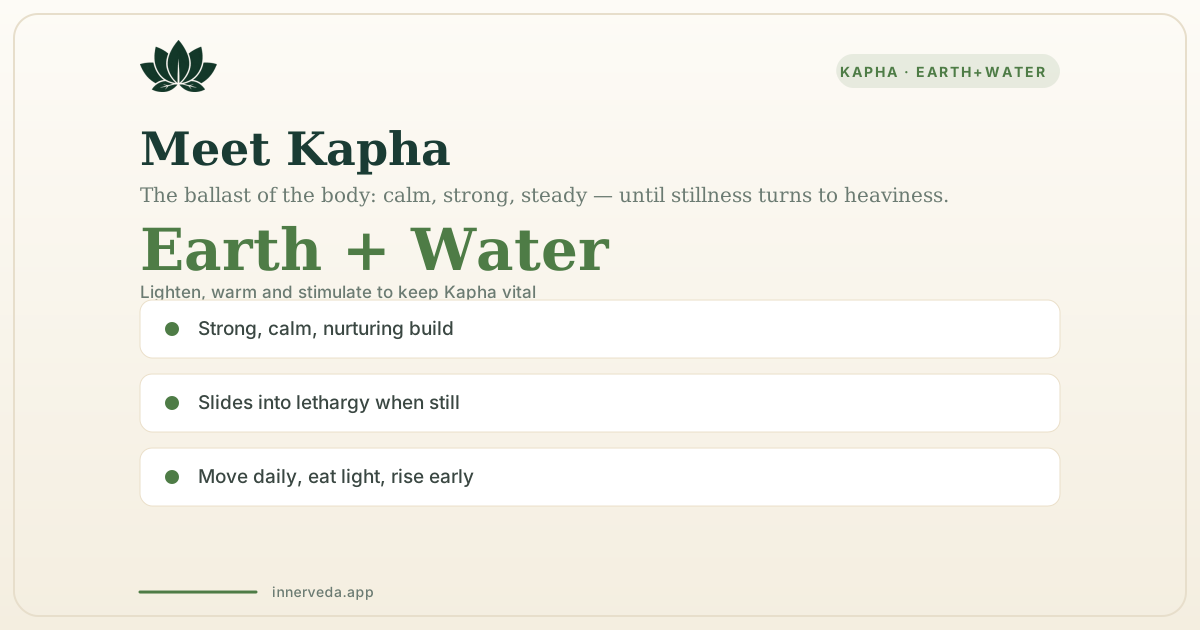
A Pitta-Kapha body type means both Pitta (Fire + Water) and Kapha (Earth + Water) doshas dominate your body type. You likely have a strong, solid build with good muscle definition, warm skin, excellent stamina, strong digestion, and a determined yet steady personality. Water is the common element, which can manifest as fluid retention or excess moisture.
Pitta-Kapha types should reduce heavy, oily, and overly spicy foods. Specifically, limit fried foods, excess dairy (especially cheese and cream), red meat, sour foods, refined sugar, alcohol, and extremely hot spices. These aggravate either Pitta's heat or Kapha's heaviness or both.
Pitta-Kapha types thrive with vigorous, regular exercise. Swimming is ideal as it satisfies Pitta's need for cooling and Kapha's need for stimulation. Hiking, cycling, martial arts, and team sports also work well. Aim for 45-60 minutes daily, avoiding the hottest part of the day.
References & sources
- Prakriti analysis of healthy volunteers using a standardised questionnaire— J Ayurveda Integr Med, 2014
- Genome-wide analysis correlates Ayurveda Prakriti types with distinct molecular and physiological signatures— Scientific Reports, 2017
- Curcumin: a review of its effects on human health— Foods, 2017
- Triphala: a comprehensive review of its chemistry, pharmacology and clinical use— J Altern Complement Med, 2017
Classical sources
- Ashtanga Hridaya— Sutrasthana, Chapter 10 (Rasabhediya Adhyaya) 15
- Charaka Samhita— Sutrasthana, Chapter 26 (Atreyabhadrakapyiya Adhyaya) 42-43
- Ashtanga Hridaya— Sutrasthana, Chapter 2 (Dinacharya Adhyaya) 1
This article is for educational purposes only and reflects traditional Ayurvedic perspectives alongside selected research. It is not medical advice. Always consult a qualified healthcare provider before acting on any information presented here.
Written by
Ganesh Kompella
Founder, InnerVeda
Research assisted by Vaidya AI
Trained on 500+ classical Ayurvedic texts

Medically reviewed by Dr. Sheetal Rajput
BAMS (Bachelor of Ayurvedic Medicine & Surgery)
Continue Reading
Put this into practice
Take the free body type assessment. Get a personalised wellness plan with nutrition, meditation, and daily routines matched to your body.
Find Your Body Type — Free~3 min · no signup