Ayurveda for Anxiety: Natural Approaches That Work
Discover Ayurvedic approaches to anxiety relief personalised by dosha. Learn herbs, breathing techniques, and daily routines that may help calm your mind.

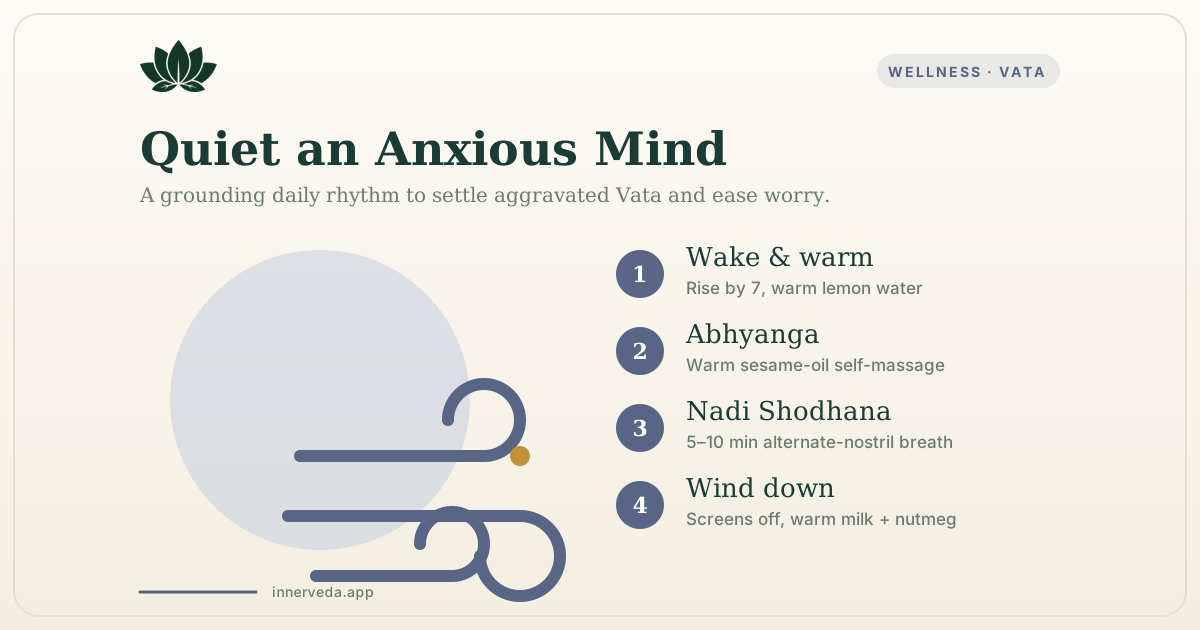
Ayurveda views anxiety as primarily a Vata imbalance. Grounding routines, warm oils, calming herbs like Ashwagandha, and breathing practices may help restore balance. Find Your Dosha to get personalised anxiety-relief strategies.
Understanding Anxiety Through Ayurveda
In Ayurveda, anxiety isn't a standalone condition. It's a symptom of deeper imbalance, most often an excess of Vata dosha. Vata, composed of Air and Ether, governs all movement in the body. Nerve impulses, thoughts, the flow of breath. When Vata gets aggravated, the mind goes restless, scattered, and prone to worry.
This ancient view lines up remarkably well with modern understanding. Anxiety involves an overactive nervous system, racing thoughts, and a sense of instability. All qualities of excess Vata.
But Ayurveda goes further. Rather than treating everyone the same way, it recognises that your dosha shapes how anxiety shows up and what actually works for you.
How Anxiety Manifests by Dosha
Vata-Type Anxiety
Vata-dominant people are the most prone to anxiety. Their natural qualities (light, mobile, dry, cold) predispose them to nervous system imbalances.
- Symptoms: Racing thoughts, insomnia, restlessness, panic attacks, feeling ungrounded
- Triggers: Irregular schedules, travel, cold weather, excess screen time, skipping meals
- Key approach: Grounding, warming, routine, and nourishment
Pitta-Type Anxiety
When Pitta types get anxious, it usually has an edge. Frustration, irritability, the need to control outcomes.
- Symptoms: Irritability, perfectionism, fear of failure, burning sensations, digestive upset
- Triggers: Overwork, competitive environments, heat, spicy food, criticism
- Key approach: Cooling, surrendering control, creative outlets, moderation
Kapha-Type Anxiety
Kapha types feel anxious less often. When they do, it tends to land as a heavy, stuck feeling.
- Symptoms: Withdrawal, emotional eating, oversleeping, resistance to change, heaviness in the chest
- Triggers: Loss, major life changes, stagnation, damp cold weather
- Key approach: Stimulation, movement, lightness, social connection
Daily Routine Adjustments for Anxiety
One of Ayurveda's strongest tools against anxiety is Dinacharya, a consistent daily routine. Regularity is the antidote to Vata's erratic nature.
Morning Practices
- Wake at a consistent time, ideally before 7 AM
- Warm water with lemon wakes digestion without aggravating the nervous system
- Abhyanga (self-massage) with warm sesame oil (Vata), coconut oil (Pitta), or mustard oil (Kapha) before bathing
- 5 to 10 minutes of pranayama. Nadi Shodhana (alternate nostril breathing) is particularly calming
- Meditation, even 5 minutes of seated stillness, helps regulate the nervous system
Evening Wind-Down
- Reduce screens 1 hour before bed
- Warm milk with nutmeg, a traditional Ayurvedic sleep aid
- Gentle yoga. Forward folds and restorative poses calm Vata
- Journaling empties the mind onto paper and reduces mental loops
- Consistent bedtime, ideally 10 PM, to align with natural rhythms
Ayurvedic Herbs for Anxiety Support
Several herbs have been used in Ayurveda for centuries to support mental calm. Modern research is starting to validate some of these traditional uses.
- Ashwagandha (Withania somnifera), an adaptogen that may help the body manage stress. Studies suggest it supports healthy cortisol levels.
- Brahmi (Bacopa monnieri), traditionally used for mental clarity and calm. Research suggests it may support cognitive function under stress.
- Jatamansi (Nardostachys jatamansi), known as Indian Spikenard. Traditionally used for restlessness and insomnia.
- Shankhpushpi (Convolvulus pluricaulis), a Medhya Rasayana (mind-nourishing) herb used to support tranquillity.
- Tulsi (Holy Basil), an adaptogenic herb that may help the body adapt to stress.
Breathing Techniques for Immediate Relief
Pranayama offers some of the fastest relief for anxious feelings. Three techniques, suited to different doshas.
Nadi Shodhana (All Doshas)
Alternate nostril breathing balances the left and right hemispheres of the brain and calms the nervous system.
- Close your right nostril, inhale through the left for 4 counts
- Close both nostrils, hold for 4 counts
- Release the right nostril, exhale for 8 counts
- Inhale through the right for 4 counts
- Close both, hold for 4 counts
- Exhale through the left for 8 counts
- 5 to 10 rounds
Bhramari (Best for Vata and Pitta)
The humming bee breath creates vibrations that soothe the vagus nerve.
- Close your ears gently with your thumbs
- Place fingers lightly over closed eyes
- Inhale deeply, then exhale with a long humming sound
- 7 to 10 times
Ujjayi (Best for Kapha)
Ocean breath builds internal heat and focus while staying calm.
- Slightly constrict the back of your throat
- Breathe in and out through the nose, creating an ocean-like sound
- 3 to 5 minutes
Dietary Recommendations
What you eat directly affects your mental state. For anxiety relief, focus on:
Foods to favour:
- Warm, cooked meals (soups, stews, porridges)
- Healthy fats (ghee, olive oil, avocado)
- Root vegetables (sweet potatoes, beetroot, carrots)
- Warm spices (cinnamon, cardamom, ginger)
- Soaked almonds and dates
Foods to reduce:
- Cold, raw foods (especially in winter)
- Caffeine and stimulants
- Refined sugar and processed foods
- Very spicy or pungent foods (especially for Pitta)
- Carbonated drinks and dry, crunchy snacks
Lifestyle Practices That Support Calm
Beyond diet and herbs, these Ayurvedic lifestyle practices may help manage anxiety:
- Shirodhara, a warm oil stream poured over the forehead, traditionally used for deep nervous system relaxation
- Yoga Nidra, guided sleep meditation that promotes profound rest (see our Yoga Nidra guide)
- Nature walks. Connecting with earth and greenery naturally grounds Vata energy
- Warm baths with Epsom salts and lavender essential oil
- Creative expression (painting, music, writing) channels excess Vata energy constructively
When to Seek Professional Help
Ayurvedic practices are wonderful tools for managing everyday anxiety. If you experience severe or persistent anxiety that interferes with daily life, it's essential to seek support from a qualified mental health professional. Ayurveda works best as a complement to professional care, not a replacement.
Your Personalised Path Forward
The most effective approach to anxiety relief is one tailored to your unique constitution. What calms a Vata type may not work for a Pitta or Kapha individual.
Start by understanding your dosha. Find Your Dosha with our free assessment, then apply the specific strategies above. Consistency matters more than perfection. Even small daily practices can create meaningful shifts in how you experience and manage anxiety.
Frequently Asked Questions
Anxiety is most commonly associated with excess Vata dosha, which governs movement and the nervous system. When Vata gets aggravated through stress, irregular routines, or cold and dry conditions, it shows up as worry, restlessness, and racing thoughts.
Ashwagandha, Brahmi, Jatamansi, and Shankhpushpi are traditionally used to support a calm mind. These adaptogenic herbs may help the body manage stress responses. Consult a healthcare provider before starting any herbal regimen.
Some practitioners report gradual improvements over time with consistent practice. Individual experiences vary. Ayurveda takes a holistic approach, so combining diet, daily routines, herbal support, and breathing exercises tends to produce the best results over time.
References & sources
- An investigation into the stress-relieving and pharmacological actions of an ashwagandha extract— Medicine, 2021
- A prospective, randomized double-blind, placebo-controlled study of safety and efficacy of ashwagandha root in reducing stress and anxiety in adults— Indian Journal of Psychological Medicine, 2012
- Meditation programs for psychological stress and well-being: A systematic review and meta-analysis— JAMA Internal Medicine, 2014
Classical sources
- Charaka Samhita— Chikitsa Sthana, Chapter 1 (Rasayana Adhyaya), Pada 3 (Karaprachitiya Rasayana Pada) 1/3/30-31
- Ashtanga Hridaya (Vagbhata)— Sutrasthana, Chapter 2 (Dinacharya Adhyaya — Daily Regimen) 2/8
- Hatha Yoga Pradipika (Svatmarama)— Chapter 2 (On Pranayama) 2/7-10
- Hatha Yoga Pradipika (Svatmarama)— Chapter 2 (On Pranayama) 2/68
This article is for educational purposes only and reflects traditional Ayurvedic perspectives alongside selected research. It is not medical advice. Always consult a qualified healthcare provider before acting on any information presented here.
Written by
Ganesh Kompella
Founder, InnerVeda
Research assisted by Vaidya AI
Trained on 500+ classical Ayurvedic texts

Medically reviewed by Dr. Sheetal Rajput
BAMS (Bachelor of Ayurvedic Medicine & Surgery)
Practise this
Guided sessions that put this article into practice.
- Anxiety SOS5 min · beginner
- Nadi Shodhana: Alternate Nostril Breathing15 min · beginner
- Bhramari: Humming Bee Breath10 min · beginner
On the plate: Brahmi — how it affects Vata, Pitta and Kapha, and how to use it.
Continue Reading
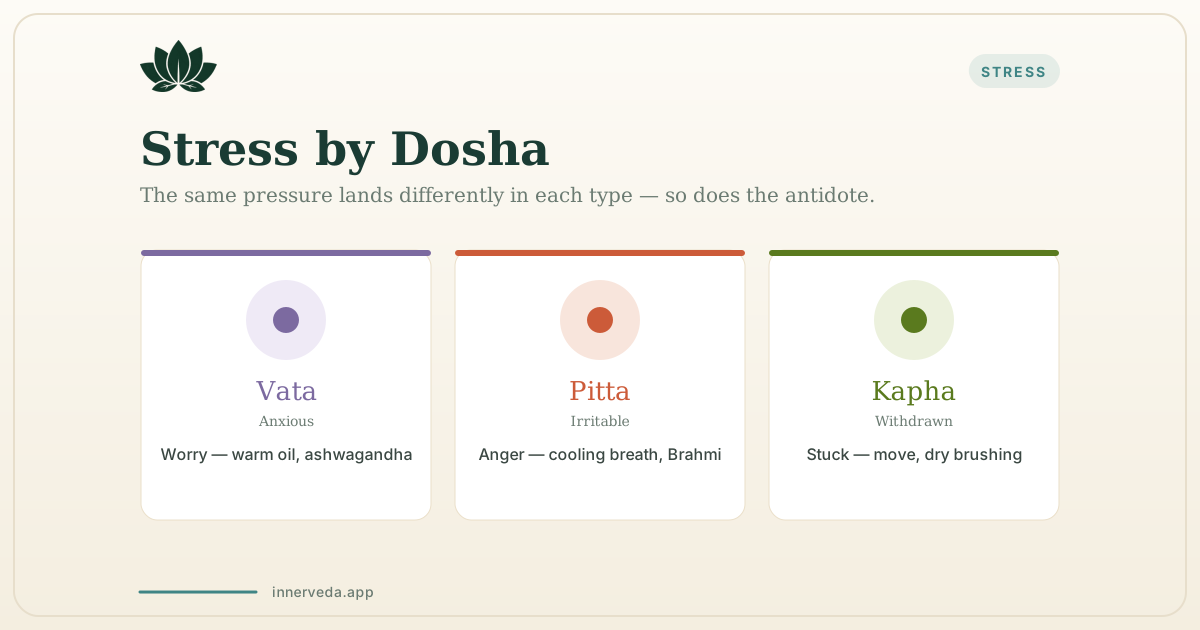
Ayurveda for Stress Relief: Personalised by Dosha
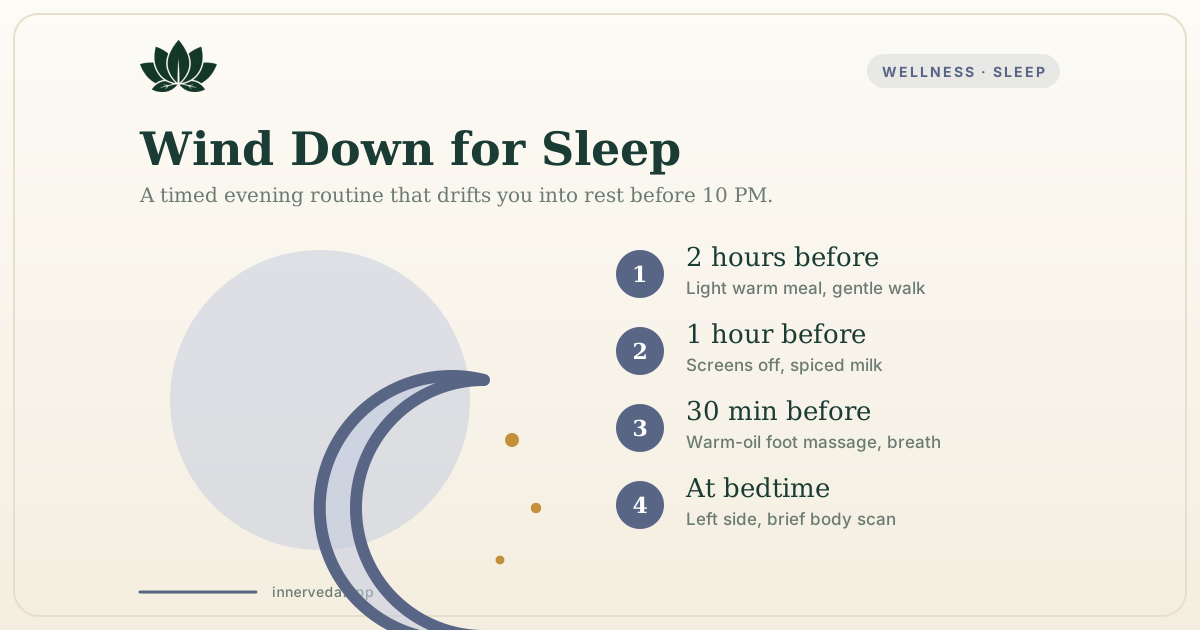
Ayurveda for Better Sleep: A Dosha Approach

Pranayama for Beginners: 5 Breathing Exercises for Balance & Calm
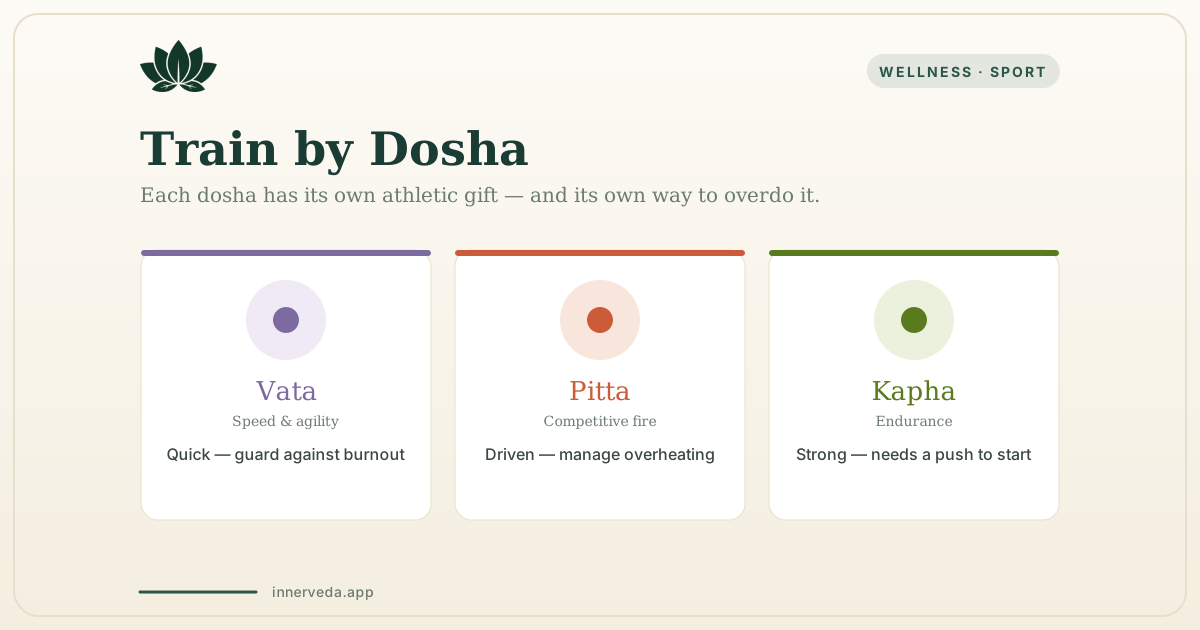
Ayurveda for Athletes: Train Smarter by Dosha
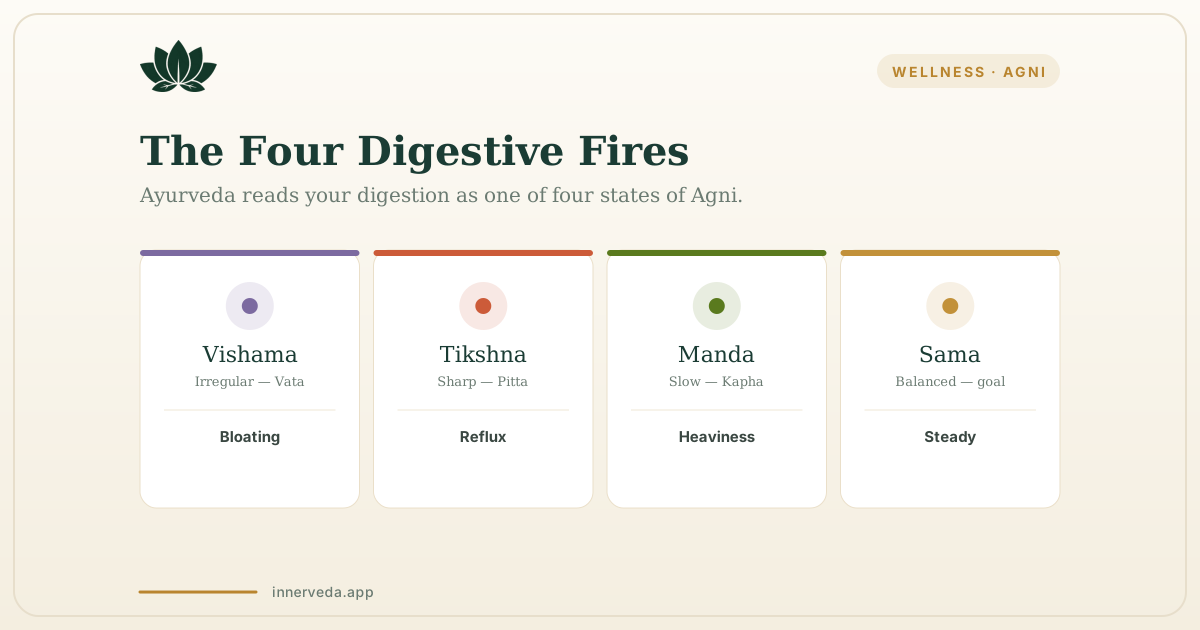
Ayurveda for Digestion: Fix Bloating, Gas & Gut Health
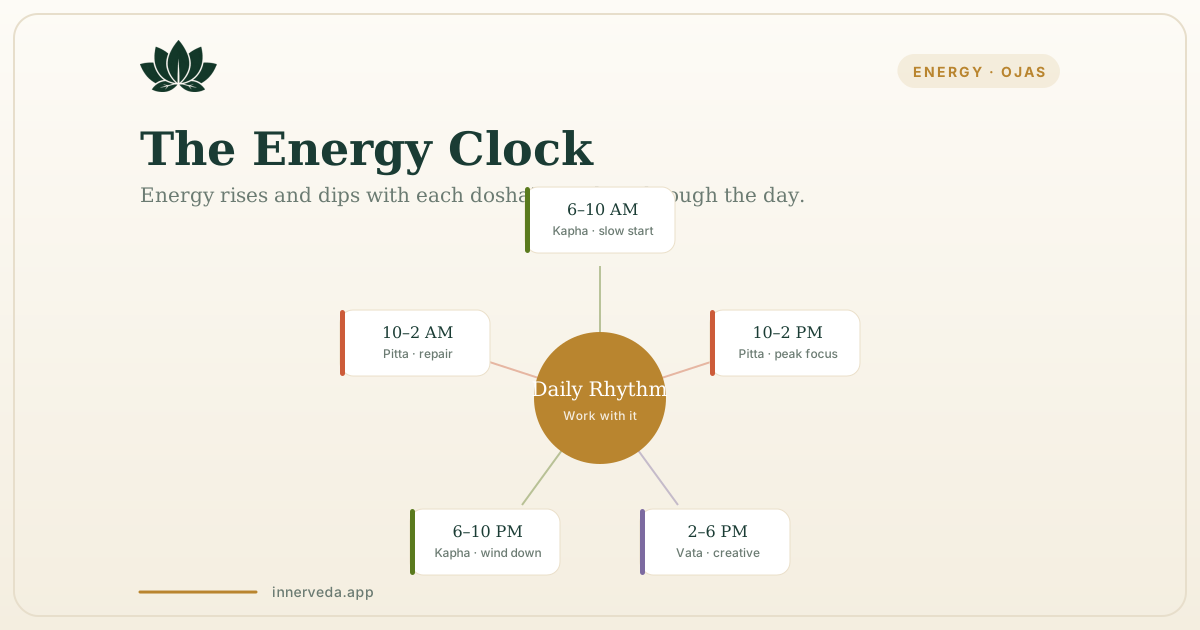
Ayurveda for Energy: Beat Fatigue With Your Dosha
Put this into practice
Take the free dosha assessment. Get a personalised wellness plan with nutrition, meditation, and daily routines matched to your body.
Find Your Dosha — Free~3 min · no signup