Ayurveda for Stress Relief: Personalised by Dosha
Learn how Ayurveda approaches stress differently for each dosha. Discover personalised herbs, routines, and practices for lasting stress relief.

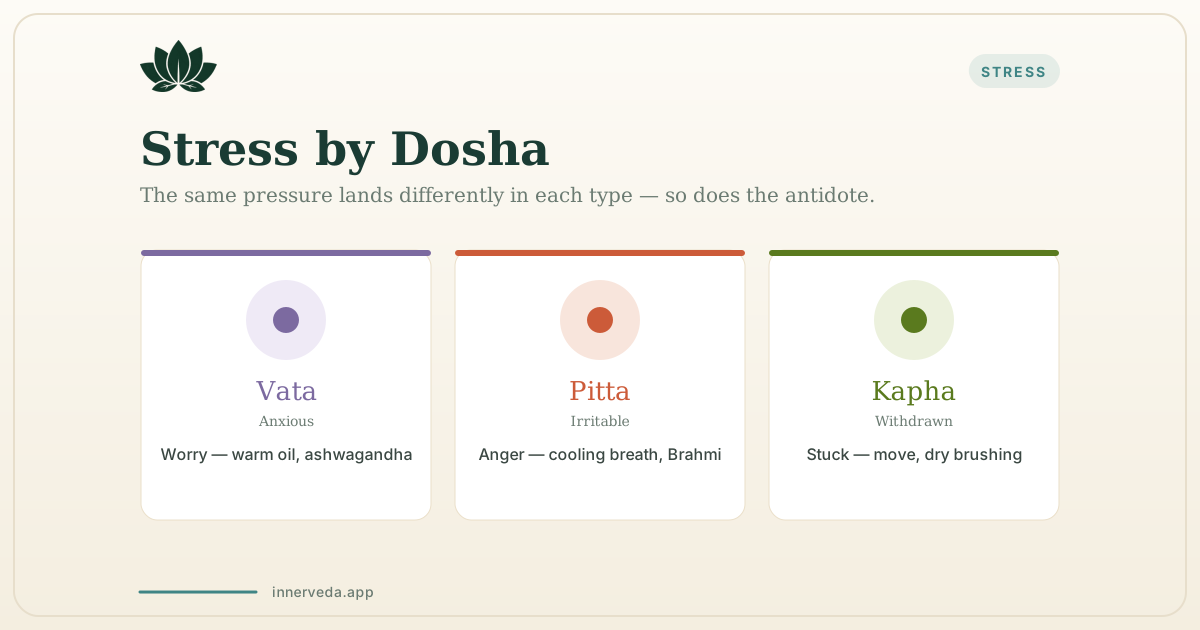
Ayurveda recognises that stress affects each dosha differently. Vata types feel anxious, Pitta types become irritable, and Kapha types withdraw. Personalised solutions based on your dosha offer the most effective relief. Find Your Dosha for tailored strategies.
How Ayurveda Understands Stress
Stress isn't a modern invention. The ancient Ayurvedic texts describe Sahasa (overexertion) and Chinta (excessive worry) as major factors that deplete Ojas, the vital essence that maintains immunity, vitality, and emotional resilience.
What makes Ayurveda's approach to stress uniquely powerful is its recognition that stress isn't one-size-fits-all. The same deadline at work can trigger very different responses depending on your dosha. Understanding your dosha lets you identify your stress pattern and apply the precise antidote.
Your Stress Response by Dosha
Vata Stress: The Anxious Response
When Vata types encounter stress, the Air and Ether elements get aggravated, creating scattered, fearful energy. How it manifests:
- Worry, overthinking, catastrophising
- Insomnia and restless sleep
- Loss of appetite, or forgetting to eat
- Physical tension in the jaw, neck, shoulders
- Feeling overwhelmed and unable to focus
Personalised relief strategies:
- Warm Abhyanga with sesame oil. Deeply grounding
- Regular, warm meals eaten at consistent times
- Ashwagandha, the premier Vata-calming adaptogen
- Nadi Shodhana breathing balances the nervous system
- Reduce stimulation: less caffeine, screens, multitasking
- Warm baths with lavender and ginger essential oils
Pitta Stress: The Irritable Response
Pitta types under stress experience an intensification of Fire. The drive that normally fuels productivity becomes destructive.
How it manifests:
- Irritability, impatience, anger
- Criticising others and self
- Heartburn, acid reflux, inflammation
- Skin rashes or breakouts
- Perfectionism and workaholism
- Difficulty delegating or relaxing
Personalised relief strategies:
- Coconut oil Abhyanga. Cooling and soothing
- Brahmi and Shatavari, cooling, mind-nourishing herbs
- Shitali pranayama (cooling breath). Curl the tongue, inhale through it, exhale through the nose
- Moonlight walks and time near water
- Creative outlets that have no performance pressure
- Sweet, bitter, and astringent foods to cool internal fire
- Scheduled downtime that's non-negotiable
Kapha Stress: The Withdrawal Response
Kapha types respond to stress by becoming heavy, withdrawn, and stuck. The Earth and Water elements create emotional density.
How it manifests:
- Emotional eating and comfort-seeking
- Oversleeping and lethargy
- Withdrawal from social connections
- Resistance to change or action
- Feeling stuck, heavy, or depressed
- Attachment and possessiveness
Personalised relief strategies:
- Dry brushing (Garshana) before bathing. Stimulating and clearing
- Trikatu (ginger, black pepper, long pepper), warming spice blend
- Kapalabhati pranayama, energising skull-shining breath
- Vigorous exercise. The best medicine for Kapha stress
- New experiences and social connection
- Pungent, bitter, and astringent foods to lighten energy
- Avoid napping and heavy daytime meals
The Ayurvedic Stress-Relief Toolkit
1. Abhyanga (Self-Massage)
Daily self-massage with warm oil is one of the most effective Ayurvedic stress-relief practices. The Sanskrit word "Sneha" means both "oil" and "love". Self-massage is literally an act of self-love.
How to practise:
- Warm your oil (sesame for Vata, coconut for Pitta, mustard or sunflower for Kapha)
- Apply oil to your entire body using long strokes on limbs and circular strokes on joints
- Massage your scalp, ears, and the soles of your feet
- Leave on for 15 to 20 minutes, then bathe in warm water
- Even 5 minutes is good if time is tight
2. Pranayama (Breathing Exercises)
Controlled breathing directly influences the autonomic nervous system, shifting from stress (sympathetic) to calm (parasympathetic).
- Vata: Nadi Shodhana (alternate nostril). Balancing and calming
- Pitta: Shitali (cooling breath). Reduces internal heat
- Kapha: Kapalabhati (skull-shining). Energising and clearing
- All types: Deep belly breathing. 4 counts in, 7 hold, 8 out
3. Meditation
Even brief daily meditation may help build long-term stress resilience.
- Vata: Guided meditation or mantra repetition (provides structure)
- Pitta: Loving-kindness meditation (softens intensity)
- Kapha: Walking meditation or dynamic meditation (prevents stagnation)
4. Adaptogenic Herbs
Ayurveda's adaptogenic herbs support the body's natural ability to handle stress:
- Ashwagandha, best for Vata. Supports nervous system resilience
- Brahmi, best for Pitta. Cools the mind and supports clarity
- Tulsi (Holy Basil), good for all types. Supports overall adaptability
- Shatavari, nourishing for Vata and Pitta. Supports hormonal balance
- Guduchi, immune-supporting and stress-protective for all types
Dietary Approaches to Stress Management
Food is medicine in Ayurveda, and what you eat directly affects your stress response.
Stress-reducing foods for all types:
- Ghee. Nourishes Ojas and supports brain function
- Warm, cooked meals. Easier to digest and more grounding than raw food
- Seasonal fruits. Nature provides what you need at each time of year
- Soaked almonds. Traditional brain tonic
- Warm spiced milk. Calms the nervous system
Foods that may increase stress:
- Caffeine. Stimulates the nervous system and may worsen anxiety
- Refined sugar. Creates energy spikes and crashes
- Processed foods. Lack prana (life force) and burden digestion
- Excess alcohol. Disrupts sleep and depletes Ojas
- Leftover or reheated food. Considered low in prana
Creating Your Personalised Stress-Relief Plan
The most effective stress-relief plan is tailored to your unique constitution. Here's how to build yours:
- Identify your dosha. Find Your Dosha with our free assessment
- Recognise your stress pattern. Which of the three responses above matches yours?
- Choose 2 to 3 practices from the recommendations for your type
- Build a consistent routine: same wake time, meal times, bedtime
- Track your progress. Notice changes in sleep, energy, mood, and digestion over 2 to 4 weeks
- Adjust seasonally. Your stress-relief needs shift with the seasons
When Stress Becomes Chronic
If stress has been a constant companion for months or years, Ayurveda recommends a more comprehensive approach:
- Panchakarma, a supervised detoxification process that deeply resets the nervous system
- Rasayana therapy, rejuvenation protocols using specific herbs and foods to rebuild Ojas
- Professional guidance. Work with an Ayurvedic practitioner for personalised formulations
And always: if stress is severely affecting your quality of life, seek support from a qualified mental health professional. Ayurveda works beautifully alongside modern therapeutic approaches.
Frequently Asked Questions
Ayurveda reduces stress through a combination of personalised daily routines (Dinacharya), adaptogenic herbs like Ashwagandha and Brahmi, breathing exercises (Pranayama), oil massage (Abhyanga), meditation, and dietary adjustments tailored to your unique dosha.
Ashwagandha is the most widely recommended Ayurvedic adaptogen for stress. Research suggests it may help regulate cortisol levels and support resilience. The best herb for you depends on your dosha. Brahmi suits Pitta types, while Ashwagandha is ideal for Vata.
Ayurveda may be particularly effective for chronic stress because it addresses root causes rather than symptoms. By identifying which dosha is imbalanced and correcting it through diet, lifestyle, herbs, and practices, Ayurveda supports the body's natural stress-response mechanisms over time.
References & sources
- An Overview on Ashwagandha: A Rasayana (Rejuvenator) of Ayurveda— African Journal of Traditional, Complementary and Alternative Medicines, 2011
- Adaptogenic and Anxiolytic Effects of Ashwagandha Root Extract — A Prospective Study— Indian Journal of Psychological Medicine, 2012
- Effect of Yoga Nidra on physiological variables— Indian Journal of Physiology and Pharmacology, 2006
Classical sources
- Hatha Yoga Pradipika— Chapter 2 (Pranayama) 2.57
- Hatha Yoga Pradipika— Chapter 2 (Shatkarma / Pranayama) 2.35
- Charaka Samhita— Sutrasthana, Chapter 17 (Kiyanta Shiraseeya Adhyaya) 17.76
- Hatha Yoga Pradipika— Chapter 2 (Pranayama / Nadi-shuddhi) 2.7-2.10
This article is for educational purposes only and reflects traditional Ayurvedic perspectives alongside selected research. It is not medical advice. Always consult a qualified healthcare provider before acting on any information presented here.
Written by
Ganesh Kompella
Founder, InnerVeda
Research assisted by Vaidya AI
Trained on 500+ classical Ayurvedic texts

Medically reviewed by Dr. Sheetal Rajput
BAMS (Bachelor of Ayurvedic Medicine & Surgery)
Practise this
Guided sessions that put this article into practice.
- Five-Minute Stress Reset Meditation5 min · beginner
- Sama Vritti: Box Breathing for Equanimity10 min · beginner
- Progressive Muscle Relaxation: Ayurvedic Approach20 min · beginner
On the plate: Ashwagandha — how it affects Vata, Pitta and Kapha, and how to use it.
Continue Reading
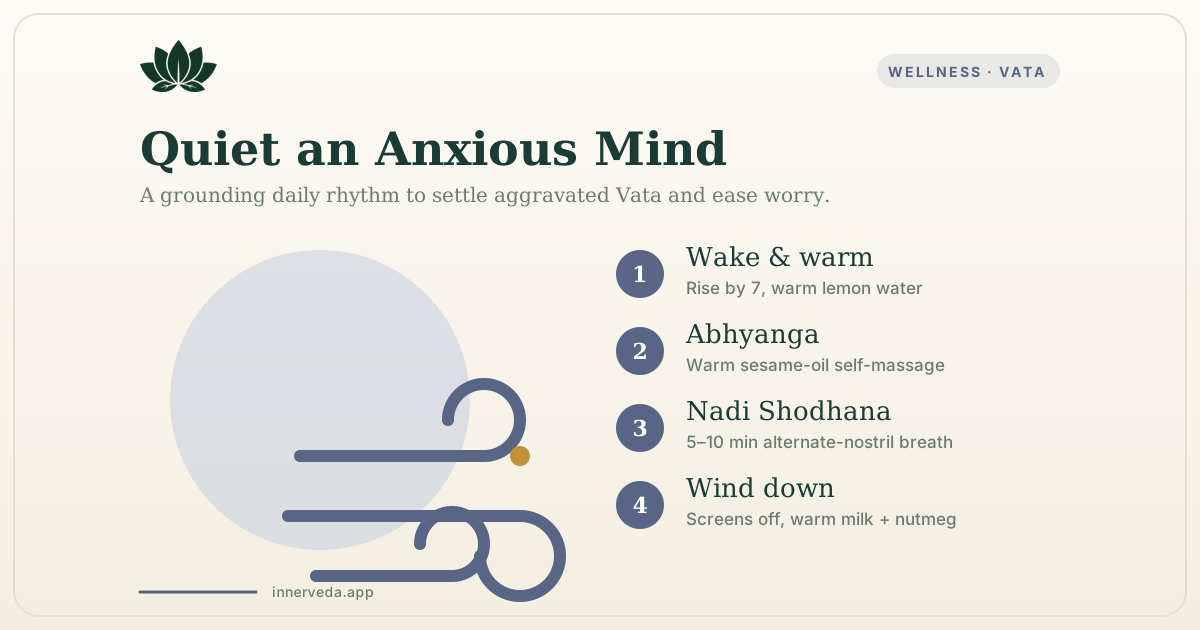
Ayurveda for Anxiety: Natural Approaches That Work
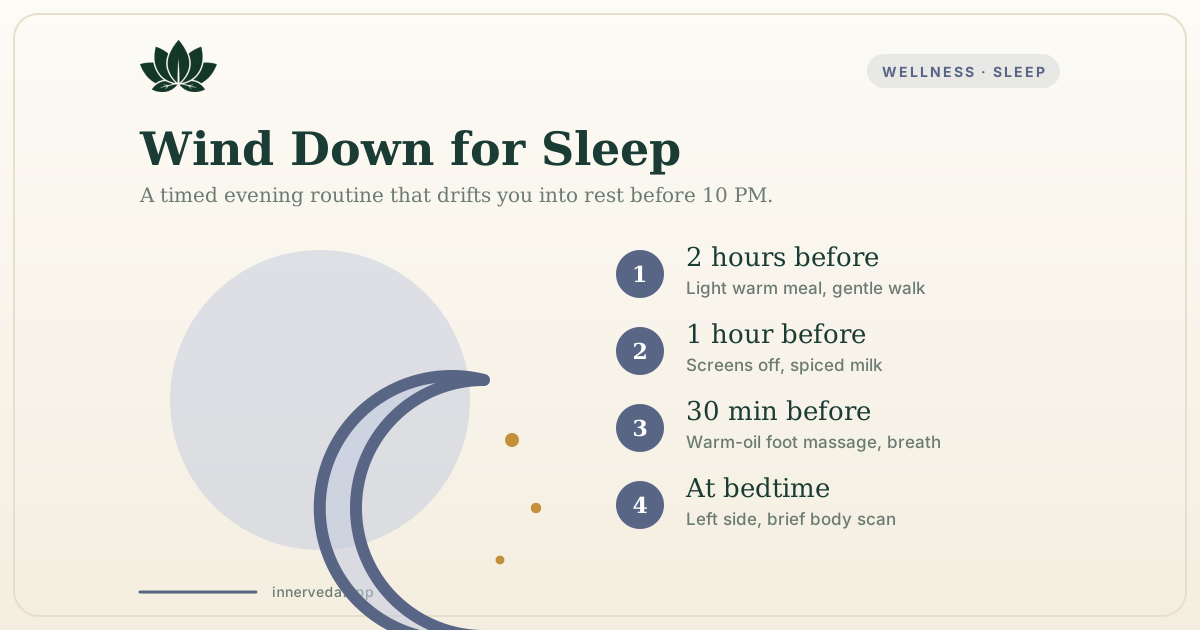
Ayurveda for Better Sleep: A Dosha Approach

Pranayama for Beginners: 5 Breathing Exercises for Balance & Calm
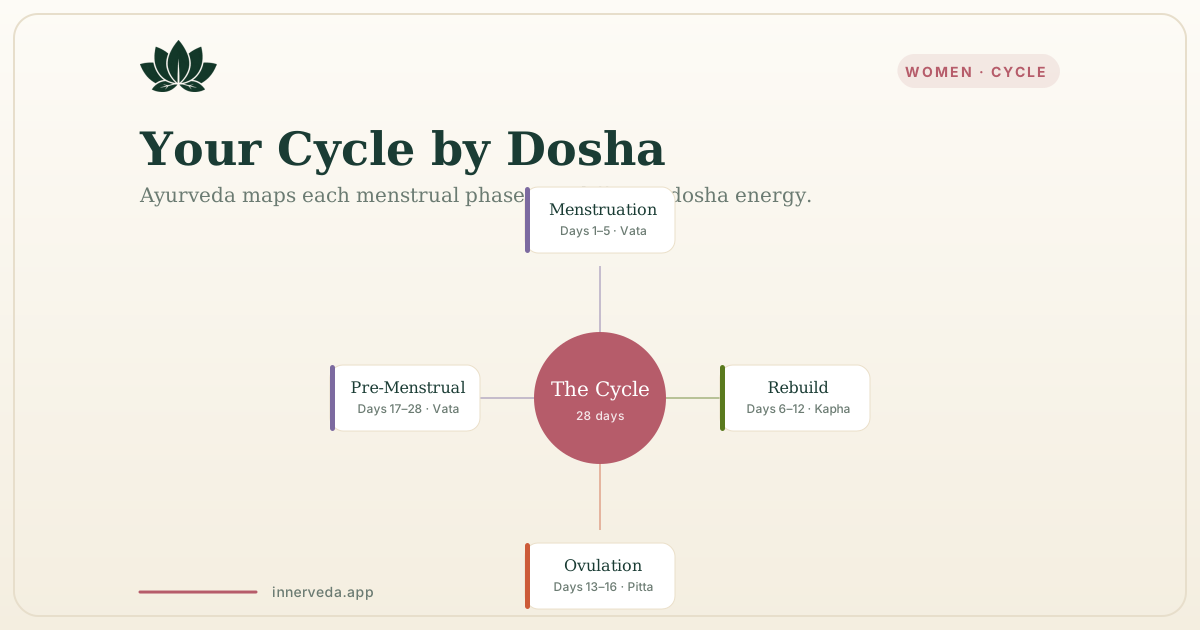
Ayurveda for Women's Health: Cycle, Hormones & Dosha
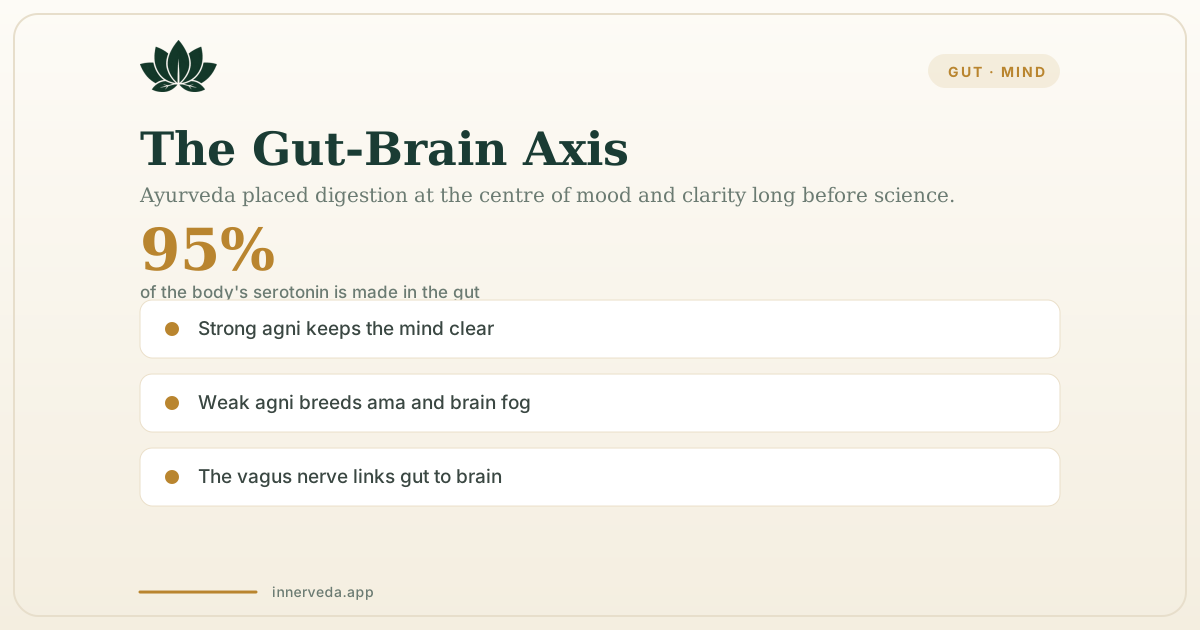
The Gut-Brain Connection in Ayurveda: What Science Confirms
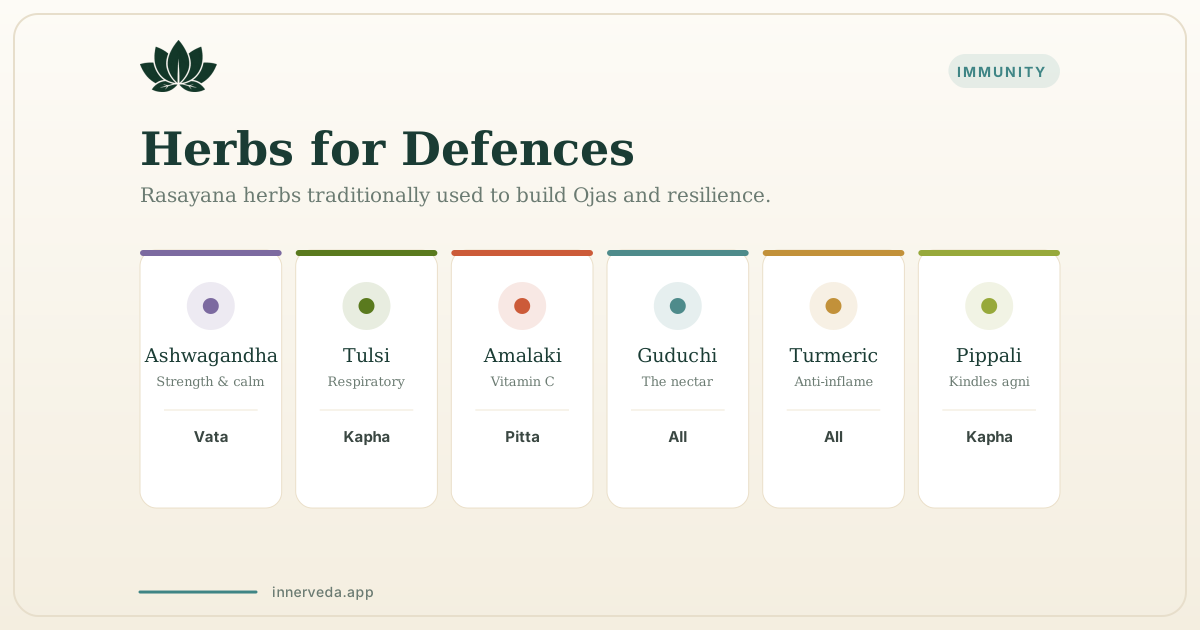
Ayurveda for Immunity: Strengthen Your Natural Defences
Put this into practice
Take the free dosha assessment. Get a personalised wellness plan with nutrition, meditation, and daily routines matched to your body.
Find Your Dosha — Free~3 min · no signup