Ayurveda for Athletes: Train Smarter by Dosha
Learn how your dosha shapes athletic performance. Discover dosha-specific training, recovery, and nutrition strategies for Vata, Pitta, and Kapha athletes.

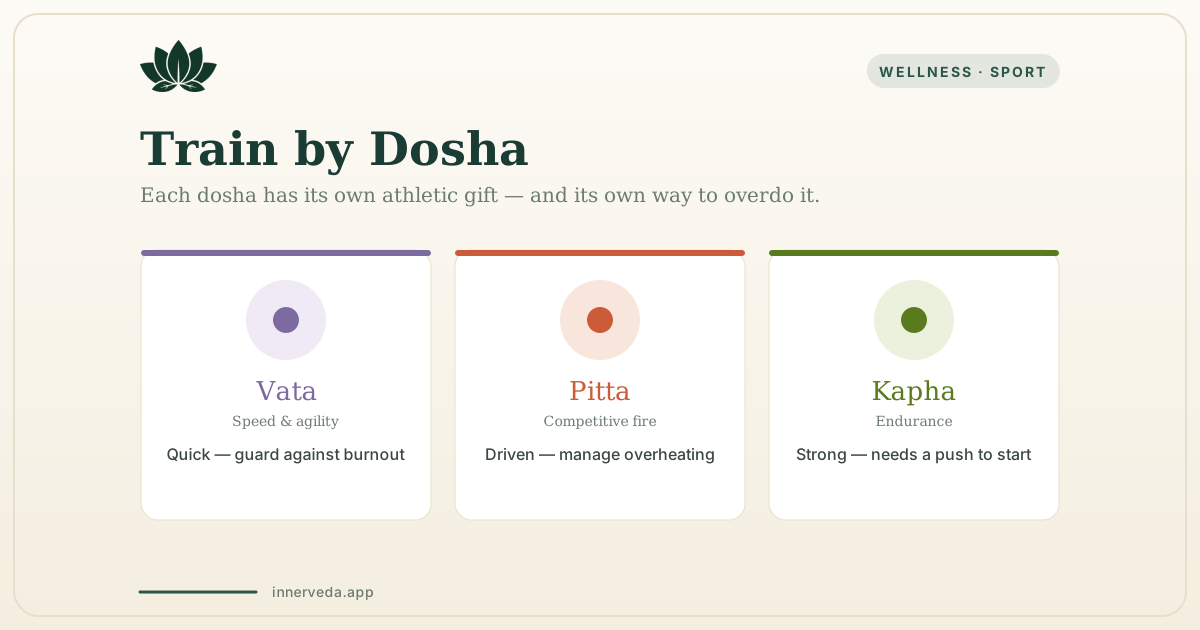
Your dosha type determines your natural athletic strengths and vulnerabilities. Vata athletes excel at speed and agility but risk burnout, Pitta athletes thrive in competitive intensity but overheat easily, and Kapha athletes have unmatched endurance but need motivation to start.
Why Your Dosha Matters in Sport
Most training programmes treat all athletes the same. Identical periodisation, identical nutrition, identical recovery protocols. But anyone who has trained with others knows people respond differently to the same stimulus. One person thrives on intense interval training while another breaks down. One recovers overnight while another needs three days.
Ayurveda has an explanation. Your dosha constitution shapes how you build muscle, burn energy, handle heat, manage stress, and recover from exertion. Training with your dosha rather than against it helps you perform better and stay healthier for longer.
The Vata Athlete
Natural Strengths
- Speed and agility. Light frame and quick reflexes make Vata types natural sprinters and dancers
- Flexibility. Naturally mobile joints (though this can become hypermobility)
- Quick learning. Fast neural processing means rapid skill acquisition
- Burst energy. Excellent for short, intense efforts
Natural Vulnerabilities
- Low endurance. Energy comes in bursts and depletes quickly
- Injury-prone. Thin bones, dry joints, and hypermobility increase injury risk
- Inconsistency. Enthusiasm fluctuates. May overtrain then undertrain
- Anxiety under pressure. Competition stress can scatter Vata energy
Training Recommendations
- Ideal sports: Sprinting, dance, gymnastics, martial arts, rock climbing, cycling (short distances)
- Training style: Shorter, focused sessions (30 to 45 minutes). Quality over quantity. Regular rest days.
- Intensity: Moderate. Avoid pushing to exhaustion. Sushruta's "half capacity" rule is crucial for Vata.
- Best training times: 6 to 10 AM (Kapha time provides grounding energy) or 6 to 8 PM
- Avoid: Ultra-endurance events, excessive cold-weather outdoor sports, training in wind
Recovery for Vata Athletes
- Warm oil massage. Sesame or Mahanarayan oil after training. Non-negotiable for Vata athletes.
- Warm baths with Epsom salt and ginger
- Sleep: 8 hours minimum. Naps are good for Vata
- Rest days: at least 2 to 3 per week
- Grounding foods: warm, oily, protein-rich meals post-training
Vata Sports Nutrition
- Pre-workout: Warm oatmeal with ghee, dates, and almonds (60 to 90 minutes before)
- During: Warm water with honey and a pinch of salt for longer sessions
- Post-workout: Warm milk with ashwagandha, or a warm smoothie with banana, almond butter, and spices
- Key nutrients: Healthy fats, warm proteins, complex carbohydrates, warming spices
The Pitta Athlete
Natural Strengths
- Competitive fire. Pitta's drive to win is a powerful athletic advantage
- Strong digestion. Efficiently converts food to energy
- Medium endurance. Sustains moderate-to-high effort for reasonable durations
- Leadership. Natural team captains and motivators
Natural Vulnerabilities
- Overheating. Both physically (heat exhaustion risk) and emotionally (anger, frustration)
- Overtraining. Competitive drive can override recovery signals
- Inflammation. Prone to tendinitis, bursitis, and inflammatory injuries
- Burnout. Intense focus can lead to mental and physical exhaustion
Training Recommendations
- Ideal sports: Swimming, tennis, martial arts, team sports, cycling, skiing
- Training style: Structured, goal-oriented, periodised. Include deload weeks.
- Intensity: Can handle higher intensity than Vata but must manage heat
- Best training times: Early morning (before 8 AM) or evening (after 6 PM). Avoid midday heat.
- Avoid: Hot yoga, exercising in extreme heat, overly competitive training partners who escalate intensity
Recovery for Pitta Athletes
- Cool-down rituals: coconut oil massage, cool (not cold) showers
- Anti-inflammatory nutrition: turmeric, aloe vera, cooling foods post-training
- Mental recovery. Pitta athletes need to disconnect from competition mentality. Nature walks, non-competitive hobbies
- Sleep: 7 to 8 hours in a cool room
- Rest days: at least 1 to 2 per week. Resist the urge to "just do something light"
Pitta Sports Nutrition
- Pre-workout: Cooling grains with coconut, sweet fruits (60 to 90 minutes before)
- During: Coconut water, room-temperature water with lime
- Post-workout: Smoothie with coconut milk, mango, and cardamom. Or a cooling grain bowl.
- Key nutrients: Cooling proteins, anti-inflammatory fats (coconut, olive oil), complex carbohydrates, alkalising vegetables
The Kapha Athlete
Natural Strengths
- Endurance. Superior stamina for long-duration activities
- Strength. Naturally muscular, strong frame
- Stability. Steady performance without dramatic energy fluctuations
- Resilience. Recovers well and tolerates high training volumes
Natural Vulnerabilities
- Slow to start. Getting motivated is the biggest challenge
- Weight management. Tendency to gain weight if training drops off
- Sluggishness. Morning heaviness can prevent early training sessions
- Complacency. May coast rather than push for improvement
Training Recommendations
- Ideal sports: Long-distance running, rowing, wrestling, weightlifting, hiking, team sports
- Training style: Regular, vigorous, varied. Needs training partners or a coach for accountability.
- Intensity: Can and should train at higher intensity. This is the dosha that benefits from being pushed
- Best training times: 6 to 10 AM (counters Kapha morning heaviness) is ideal
- Avoid: Sedentary recovery days (active recovery is better), training alone if motivation is low
Recovery for Kapha Athletes
- Active recovery: light walks, gentle swimming, easy cycling on rest days
- Dry brushing: stimulates circulation and lymphatic flow
- Sauna or steam: warmth helps clear Kapha congestion from training
- Moderate sleep: 7 hours maximum. Avoid oversleeping
- Social recovery: training with others energises Kapha types
Kapha Sports Nutrition
- Pre-workout: Light. Spiced stewed apple, or just ginger tea (30 to 60 minutes before)
- During: Warm water with ginger and honey for longer sessions
- Post-workout: Light protein with warming spices. Mung dal soup or a light grain bowl.
- Key nutrients: Lighter proteins, warming spices, minimal dairy and sugar, plenty of vegetables
Universal Training Principles from Ayurveda
Regardless of dosha, these ancient principles support all athletes:
- Train to half capacity. Stop while you still have energy in reserve
- Breathe through the nose. Nasal breathing during training supports endurance and calmness
- Honour seasonal rhythms. Train harder in winter (Kapha season), moderate in summer (Pitta season)
- Oil your joints. Daily massage of major joints supports longevity in sport
- Eat your main meal at lunch. When agni is strongest and nutrient absorption peaks
- Sleep is not optional. Recovery happens during sleep. Prioritise it as part of training
Next Steps
- Know your type. Take our dosha quiz to personalise your training approach
- Support your joints. Read Ayurveda for joint health
- Fuel correctly. Explore eating for your dosha
Frequently Asked Questions
No single dosha is best. Each has unique athletic strengths. Vata types are naturally quick and agile, Pitta types are competitive and driven, and Kapha types have superior endurance and strength. The key is training to your type's strengths while managing its vulnerabilities.
Ayurveda recommends dosha-specific sports nutrition. Vata athletes need warming, grounding, high-calorie foods. Pitta athletes need cooling, anti-inflammatory nutrition. Kapha athletes benefit from lighter, stimulating meals. All types should eat their largest meal at lunch and avoid training on a full stomach.
Yes. Ayurvedic recovery practices include warm oil massage (abhyanga) for muscle repair, specific herbs like ashwagandha for strength recovery, dietary adjustments based on training intensity, and adequate rest tailored to your dosha's needs.
References & sources
- Genomic basis of Prakriti (Ayurvedic constitution) and its clinical relevance— J Ayurveda Integr Med, 2014
- Efficacy and safety of Ashwagandha root extract on cognitive functions— Medicine, 2021
- Withania somnifera (Ashwagandha): a comprehensive ethnopharmacological review— J Ethnopharmacol, 2020
Classical sources
- Sushruta Samhita— Chikitsasthana, Chapter 24 (Anagatabadha-pratishedha — Prevention of Future Diseases) 24.47
- Charaka Samhita— Sutrasthana, Chapter 7 (Navegandharaniya Adhyaya) 7.31-33
This article is for educational purposes only and reflects traditional Ayurvedic perspectives alongside selected research. It is not medical advice. Always consult a qualified healthcare provider before acting on any information presented here.
Written by
Ganesh Kompella
Founder, InnerVeda
Research assisted by Vaidya AI
Trained on 500+ classical Ayurvedic texts

Medically reviewed by Dr. Sheetal Rajput
BAMS (Bachelor of Ayurvedic Medicine & Surgery)
Practise this
Guided sessions that put this article into practice.
- Bhastrika: Bellows Breath Pranayama15 min · intermediate
- Body Restoration Yoga Nidra: Somatic Healing Practice25 min · beginner
On the plate: Ashwagandha — how it affects Vata, Pitta and Kapha, and how to use it.
Continue Reading
Ayurveda for Joint Health: Nourish by Dosha

What Is My Dosha? Vata, Pitta and Kapha Explained
Ayurveda for Digestion: Fix Bloating, Gas & Gut Health
Ayurveda for Energy: Beat Fatigue With Your Dosha
Ayurveda for Focus: Sharpen Your Mind by Dosha
Put this into practice
Take the free dosha assessment. Get a personalised wellness plan with nutrition, meditation, and daily routines matched to your body.
Find Your Dosha — Free~3 min · no signup