Ayurvedic Nutrition: Eating for Your Dosha Type
Discover the Ayurvedic approach to nutrition — learn which foods balance each dosha type, meal timing tips, and the six tastes that form the foundation of an Ayurvedic diet.

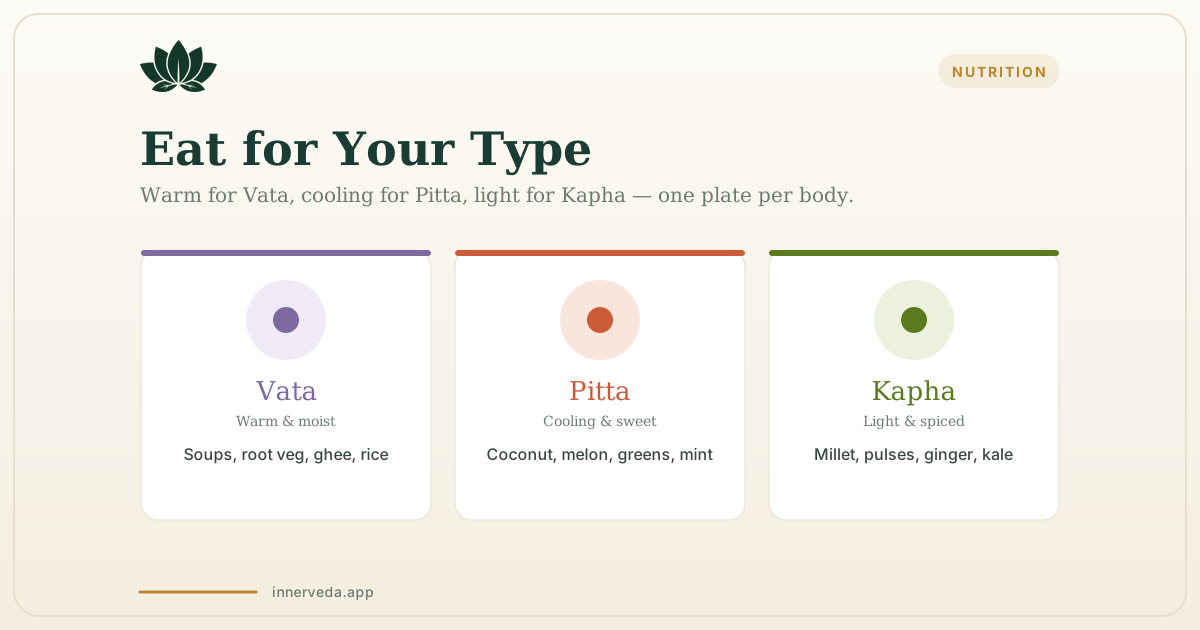
Ayurvedic nutrition is about eating for your body type. Vata types do well on warm, grounding foods. Pitta types need cooling, moderate meals. Kapha types do best with light, stimulating food. Every meal should ideally include the six tastes: sweet, sour, salty, bitter, pungent and astringent.
The Foundation: Six Tastes of Ayurveda
Ayurvedic nutrition is built on one elegant idea: the six tastes (Shad Rasa). The old texts say every meal should ideally carry all six. That's how you get a meal that actually satisfies, not just fills you up.
The six tastes and what they do:
- Sweet (Madhura). Grounding and nourishing. Grains, dairy, sweet fruits.
- Sour (Amla). Wakes up digestion and appetite. Citrus, fermented foods, yoghurt.
- Salty (Lavana). Adds flavour, helps you absorb minerals. Sea salt, seaweed.
- Pungent (Katu). Warms the body, clears congestion. Chilli, ginger, black pepper.
- Bitter (Tikta). Detoxifying and cooling. Leafy greens, turmeric, neem.
- Astringent (Kashaya). Toning and drying. Legumes, green tea, pomegranate.
Eating for Vata Dosha
Vata is cold, dry and light. So you balance it with warm, moist, grounding food. For the full food list and a 7-day meal plan, see our complete Vata diet guide.
Best Foods for Vata
- Grains: Cooked oats, rice, quinoa, wheat
- Vegetables: Cooked root vegetables. Sweet potato, beetroot, carrots
- Fruits: Sweet, ripe fruits. Bananas, mangoes, berries, avocado
- Proteins: Mung beans, tofu, eggs, warm soups
- Spices: Ginger, cumin, cinnamon, cardamom, fennel
- Oils: Sesame oil and ghee are especially balancing
Vata Meal Timing
Vata types do well with regular meal times. Eat at the same times each day if you can. Three warm meals plus small snacks keeps the energy steady.
Eating for Pitta Dosha
Pitta is hot, sharp and intense. The balance comes from cooling, moderate, calming food. For the full food list and a 7-day meal plan, see our complete Pitta diet guide.
Best Foods for Pitta
- Grains: Basmati rice, oats, barley, wheat
- Vegetables: Cooling vegetables. Cucumber, courgette, leafy greens, broccoli
- Fruits: Sweet fruits. Melons, grapes, pears, coconut
- Proteins: Mung beans, chickpeas, tofu, moderate dairy
- Spices: Coriander, fennel, cardamom, turmeric, mint
- Oils: Coconut oil, sunflower oil, ghee
Pitta Meal Timing
Pitta has the strongest digestive fire. Lunch should be the largest meal, eaten between 10am and 2pm when Pitta's fire peaks. Don't eat angry. Don't eat stressed.
Eating for Kapha Dosha
Kapha is heavy, slow and cool. Balance it with light, warming, stimulating food. For the full food list and a 7-day meal plan, see our complete Kapha diet guide.
Best Foods for Kapha
- Grains: Light grains. Millet, buckwheat, corn, barley
- Vegetables: Pungent and bitter vegetables. Kale, spinach, radish, peppers
- Fruits: Light fruits. Apples, berries, cherries, pomegranate
- Proteins: Lentils, chickpeas, black beans
- Spices: Black pepper, ginger, turmeric, cayenne, mustard seeds
- Oils: Use sparingly. Small amounts of mustard oil or sunflower oil
Kapha Meal Timing
Kapha does well with two substantial meals a day. A very light breakfast (or skip it), a hearty lunch, a lighter dinner before 7pm.
The Concept of Agni
The middle of Ayurvedic nutrition is Agni, your digestive fire. Strong Agni means efficient digestion, good immunity and clear thinking. Weak Agni leads to Ama, the toxins that build up when food isn't broken down well.
Tips for strong Agni:
- Eat your biggest meal at lunch when the fire is highest.
- Sip warm water through the day.
- Avoid cold drinks with meals. They put out the fire.
- Chew thoroughly. Digestion starts in the mouth.
- Wait until you're hungry before the next meal.
Getting Started
Don't overhaul your whole diet. Start small.
- Find your dosha. Take the free quiz if you haven't.
- Add one balancing food per meal for your type.
- Notice how you feel. Ayurveda is personal. You learn by paying attention.
- Adjust by season. What works in July won't work in January.
Frequently Asked Questions
Vata types do best on warm, cooked, moist foods like soups, stews and porridges. Sweet, sour and salty tastes are balancing. Skip the raw, cold and dry stuff.
Pitta types thrive on cooling foods like salads, sweet fruits, coconut and dairy. Sweet, bitter and astringent tastes calm the fire. Avoid spicy, fermented and very oily food.
Kapha types should keep heavy, oily, sweet and cold foods to a minimum. Favour light, warm, dry food with pungent, bitter and astringent tastes. Go easy on dairy, wheat and sugar.
References & sources
- Prakriti and its associations with metabolism, chronic diseases, and genotypes— J Ayurveda Integr Med, 2014
- Genomic insights into Ayurvedic Prakriti classifications— Scientific Reports, 2017
- Turmeric, the golden spice— Foods, 2017
Classical sources
- Ashtanga Hridaya— Sutrasthana, Chapter 1 (Ayushkamiya Adhyaya) 1.14
- Charaka Samhita— Chikitsasthana, Chapter 15 (Grahanidosha Chikitsa) 15.3-4
- Ashtanga Hridaya— Sutrasthana 1 (Ayushkamiya Adhyaya) 1.7-1.8
This article is for educational purposes only and reflects traditional Ayurvedic perspectives alongside selected research. It is not medical advice. Always consult a qualified healthcare provider before acting on any information presented here.
Written by
Ganesh Kompella
Founder, InnerVeda
Research assisted by Vaidya AI
Trained on 500+ classical Ayurvedic texts

Medically reviewed by Dr. Sheetal Rajput
BAMS (Bachelor of Ayurvedic Medicine & Surgery)
Continue Reading
Put this into practice
Take the free body type assessment. Get a personalised wellness plan with nutrition, meditation, and daily routines matched to your body.
Find Your Body Type — Free~3 min · no signup