Ayurveda for Digestion: Fix Bloating, Gas & Gut Health
Resolve bloating, gas, and digestive issues with Ayurvedic practices tailored to your dosha. Learn about Agni, digestive herbs, and eating guidelines.

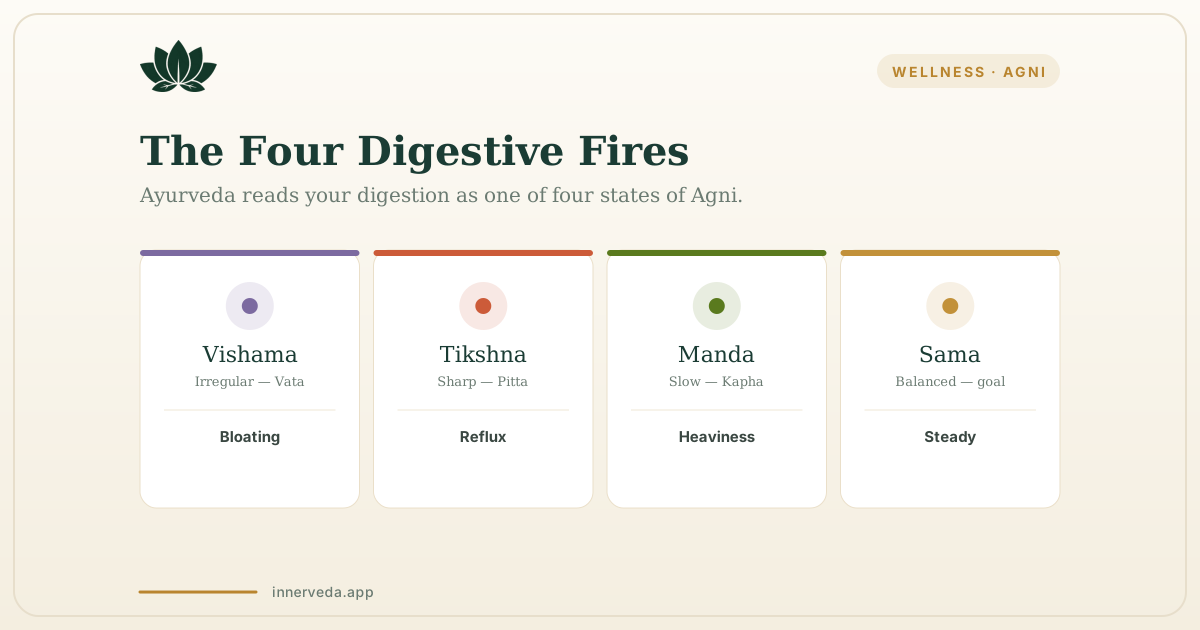
Ayurveda views digestion as the cornerstone of health, governed by Agni (digestive fire). Vata types need warming foods, Pitta types need cooling balance, and Kapha types need lighter meals. Find Your Dosha to get personalised digestive guidance.
Agni: The Foundation of Ayurvedic Digestion
In Ayurveda, Agni (digestive fire) is the single most important factor in health. The ancient texts say it bluntly: "When Agni is strong, a person is healthy. When Agni is extinguished, a person dies. When Agni is disturbed, a person becomes ill."
This isn't a metaphor. Agni represents the entire digestive and metabolic capacity, from the enzymes in your stomach to the cellular metabolism in every tissue. When your Agni works well, you transform food into nourishment efficiently with minimal waste. When it falters, undigested material piles up as Ama (toxins), considered a contributing factor to imbalance.
The Four Types of Agni
Ayurveda identifies four states of digestive fire, each associated with different dosha imbalances:
Vishama Agni (Irregular Fire), Vata Imbalance
- Pattern: Appetite and digestion are unpredictable. Ravenous one day, no appetite the next
- Symptoms: Bloating, gas, variable stool consistency, gurgling sounds, abdominal distension
- Root cause: Vata's irregular, mobile quality destabilises the digestive fire
Tikshna Agni (Sharp Fire), Pitta Imbalance
- Pattern: Extremely strong appetite with fast digestion that can get too intense
- Symptoms: Acid reflux, heartburn, loose stools, burning sensations, irritability when meals are delayed
- Root cause: Pitta's sharp, hot quality creates excessive digestive fire
Manda Agni (Slow Fire), Kapha Imbalance
- Pattern: Consistently weak appetite with slow, heavy digestion
- Symptoms: Heaviness after eating, mucus in stools, lethargy, weight gain, nausea, feeling full quickly
- Root cause: Kapha's heavy, slow qualities dampen the digestive fire
Sama Agni (Balanced Fire), the Goal
- Pattern: Consistent appetite, comfortable digestion, regular elimination
- Symptoms: Energy after meals, clear mind, no bloating, formed stools 1 to 2 times daily
- This is the state Ayurveda aims to restore in everyone
Fixing Digestion by Dosha
Vata Digestion: Taming the Irregular Fire
Key principles:
- Eat warm, cooked, oily foods at regular times
- Favour sweet, sour, and salty tastes
- Avoid raw, cold, and dry foods
- Eat in a calm, settled environment
Best spices: Ginger, cumin, fennel, asafoetida (hing), cinnamon, cardamom
Supportive recipe, Vata Digestive Tea: Steep 1/2 tsp fresh grated ginger, 1/2 tsp cumin seeds, and a pinch of rock salt in hot water for 5 minutes. Sip 15 minutes before meals to kindle Agni.
Daily practices:
- Sip warm water throughout the day (never iced)
- Take a gentle walk after meals
- Massage the abdomen clockwise with warm sesame oil before bed
- Eat your largest meal at lunch when Agni is strongest
Pitta Digestion: Cooling the Sharp Fire
Key principles:
- Eat cooling, moderately spiced foods
- Favour sweet, bitter, and astringent tastes
- Avoid very spicy, sour, and fermented foods
- Never skip meals. Pitta Agni demands regular fuel
Best spices: Fennel, coriander, cumin, turmeric, cardamom, mint
Supportive recipe, Pitta Digestive Tea: Steep 1/2 tsp fennel seeds, 1/2 tsp coriander seeds, and a few fresh mint leaves in hot water for 5 minutes. Sip between meals to cool excess Agni.
Daily practices:
- Eat meals at consistent times (never too late)
- Don't eat when angry or stressed
- Include bitter greens (rocket, kale, dandelion) in your diet
- Take Amalaki (Indian Gooseberry), a cooling digestive tonic
Kapha Digestion: Stoking the Slow Fire
Key principles:
- Eat light, warm, well-spiced foods
- Favour pungent, bitter, and astringent tastes
- Avoid heavy, oily, sweet, and cold foods
- Eat only when genuinely hungry. It's okay to skip a meal
Best spices: Black pepper, ginger, mustard seeds, turmeric, cayenne, fenugreek
Supportive recipe, Kapha Digestive Tea: Steep 1/2 tsp fresh grated ginger, 1/4 tsp black pepper, and 1/4 tsp turmeric in hot water for 5 minutes. Add a squeeze of lemon. Sip before meals to ignite sluggish Agni.
Daily practices:
- Fast until genuine hunger in the morning (skip heavy breakfast)
- Make lunch the largest meal
- Take a brisk walk after meals
- Use Trikatu (ginger, black pepper, long pepper) before meals
The 10 Golden Rules of Ayurvedic Eating
Regardless of dosha, these principles support strong digestion:
- Eat only when hungry. True hunger, not boredom or habit
- Eat in a calm environment. No screens, arguments, or rushing
- Chew thoroughly. Digestion begins in the mouth
- Fill your stomach one-third food, one-third liquid, one-third empty. Space allows proper churning
- Drink warm water. Cold water dampens Agni like water on a fire
- Eat your largest meal at lunch. When the sun (and Agni) is strongest
- Wait until the previous meal is digested, typically 3 to 6 hours
- Include all six tastes in each meal when possible (sweet, sour, salty, pungent, bitter, astringent)
- Eat freshly prepared food. Leftovers have diminished prana
- Rest briefly after eating. Sit for 5 to 10 minutes, then take a gentle walk
Ayurvedic Remedies for Common Digestive Issues
For Bloating and Gas
- Chew a small piece of fresh ginger with rock salt and lemon juice before meals
- Drink CCF tea (equal parts cumin, coriander, fennel) between meals
- Add asafoetida (hing) to bean and legume dishes
- Don't combine fruit with other foods
For Acid Reflux
- Take 1/2 tsp of Shatavari powder in cool water before meals
- Chew fennel seeds after eating
- Drink Amalaki juice or take Amalaki powder
- Avoid citrus, tomatoes, and vinegar temporarily
For Sluggish Digestion
- Take Trikatu (ginger, black pepper, long pepper) with honey before meals
- Drink warm lemon water first thing in the morning
- Reduce dairy, wheat, and sugar intake
- Increase physical activity, especially before meals
For Constipation
- Take Triphala powder in warm water before bed
- Increase ghee intake (1 to 2 tsp with meals)
- Drink warm water throughout the day
- Practise abdominal self-massage in a clockwise direction
Building Your Digestive Health Plan
Strong digestion isn't built overnight. It needs consistent, gradual changes. Start here:
- Identify your Agni type. Find Your Dosha to understand your digestive pattern
- Adopt 2 to 3 eating rules from the golden rules above
- Introduce dosha-specific spices into your daily cooking
- Drink warm water throughout the day instead of cold
- Track your digestion: energy after meals, bloating, bowel regularity
Within 2 to 4 weeks of consistent practice, most people notice significant improvements in bloating, energy levels, and overall digestive comfort. In Ayurveda, a healthy gut is the foundation of a healthy life.
Frequently Asked Questions
Agni is the digestive fire responsible for transforming food into nutrients and energy. Ayurveda identifies 13 types of Agni, with Jatharagni (stomach fire) being the most important. When Agni is strong, digestion is efficient. When weak, it creates Ama (toxins) that may contribute to health challenges.
Ayurveda identifies the root cause based on your dosha. For Vata bloating (gas and distension), warming spices like ginger and cumin help. For Pitta bloating (acid-related), cooling herbs like fennel and coriander work better. For Kapha bloating (heaviness), light foods and Trikatu spice blend.
Ginger (universal digestive aid), cumin (reduces gas), fennel (soothes inflammation), coriander (cooling digestive), turmeric (anti-inflammatory), and black pepper (stimulates Agni). A classic combination is CCF tea: cumin, coriander, and fennel steeped in hot water.
References & sources
- Therapeutic uses of Triphala in Ayurvedic medicine— Journal of Alternative and Complementary Medicine, 2017
- Ginger (Zingiber officinale) in gastrointestinal disorders: a systematic review— Food Science & Nutrition, 2019
- A Review of the Gastroprotective Effects of Ginger (Zingiber officinale Roscoe)— Food & Function, 2020
Classical sources
- Charaka Samhita— Chikitsa Sthana, Chapter 15 (Grahani Dosha Chikitsa) 15/3-4
- Charaka Samhita— Vimana Sthana, Chapter 6 (Roganika Vimana) 6/12
- Ashtanga Hridaya— Sutrasthana, Chapter 8 (Matrashitiya Adhyaya) 8/46
This article is for educational purposes only and reflects traditional Ayurvedic perspectives alongside selected research. It is not medical advice. Always consult a qualified healthcare provider before acting on any information presented here.
Written by
Ganesh Kompella
Founder, InnerVeda
Research assisted by Vaidya AI
Trained on 500+ classical Ayurvedic texts

Medically reviewed by Dr. Sheetal Rajput
BAMS (Bachelor of Ayurvedic Medicine & Surgery)
Practise this
Guided sessions that put this article into practice.
On the plate: Ginger — how it affects Vata, Pitta and Kapha, and how to use it.
Continue Reading

Ayurvedic Diet: Eat for Your Dosha

Ayurvedic Nutrition: Eating for Your Dosha Type

Ayurvedic Food Combining Rules: What to Eat Together
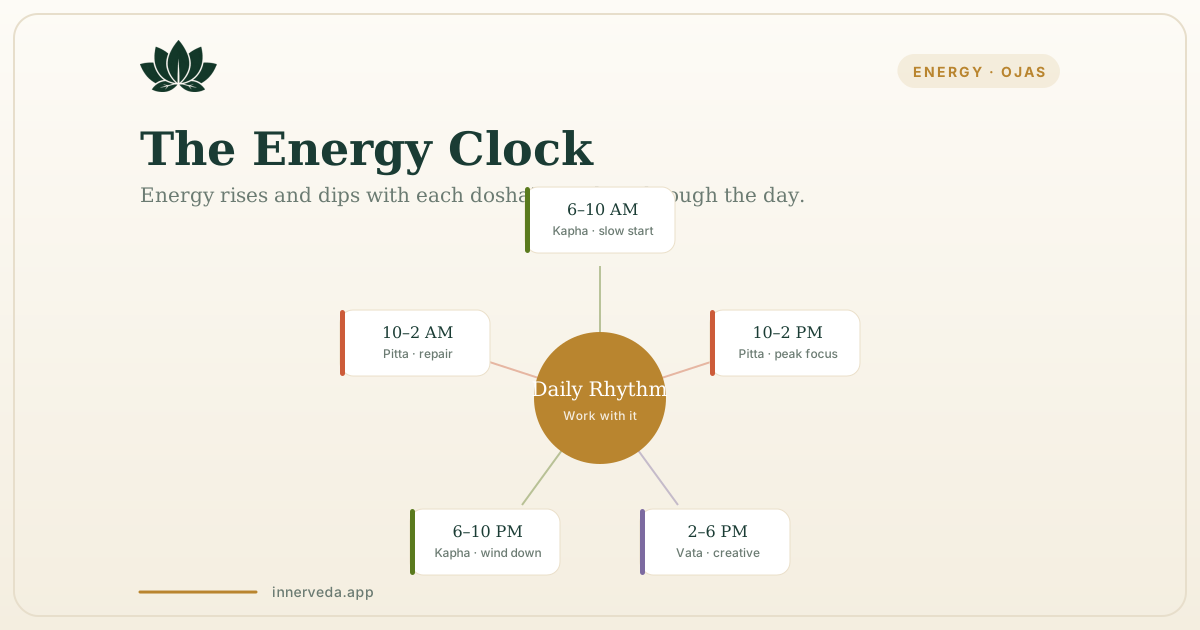
Ayurveda for Energy: Beat Fatigue With Your Dosha
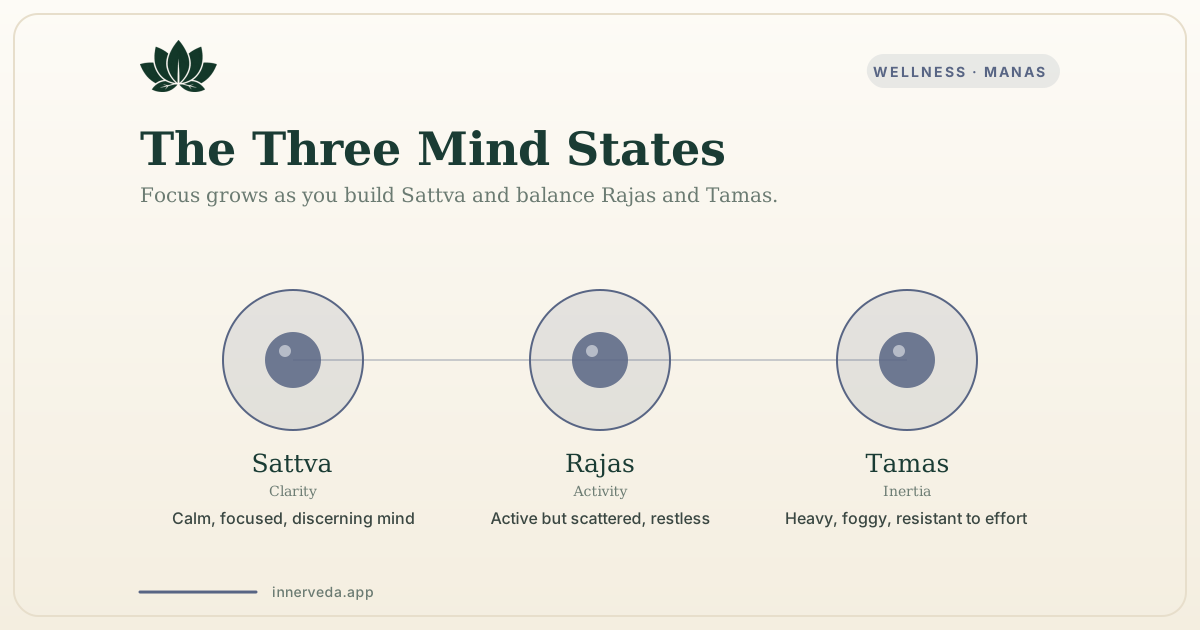
Ayurveda for Focus: Sharpen Your Mind by Dosha
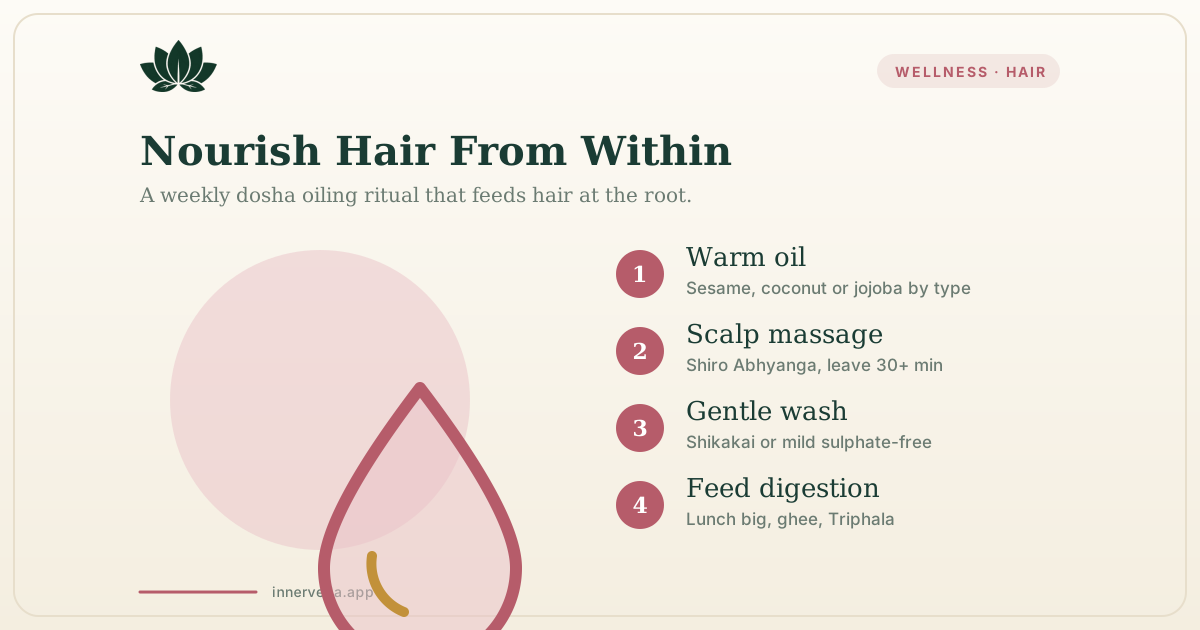
Ayurveda for Hair: Nourish Hair Based on Your Dosha
Put this into practice
Take the free dosha assessment. Get a personalised wellness plan with nutrition, meditation, and daily routines matched to your body.
Find Your Dosha — Free~3 min · no signup