Ayurveda for Mental Clarity: Clear Brain Fog by Dosha
Clear brain fog with dosha-specific Ayurvedic strategies. Learn how Vata, Pitta, and Kapha imbalances cloud thinking and what to do about it.

Brain fog has different causes depending on your dosha. Vata brain fog comes from scattered, anxious energy. Pitta brain fog results from mental overheating and burnout. Kapha brain fog stems from heaviness and sluggishness. Each type responds to different dietary, herbal, and lifestyle interventions.
Why Your Brain Gets Foggy
In Ayurveda, mental clarity isn't just a brain function. It's a whole-body phenomenon. Your ability to think clearly depends on:
- Strong agni (digestive fire). The same fire that digests food also "digests" thoughts and experiences
- Clear srotas (channels). The channels carrying nutrients to the brain must be unblocked
- Balanced doshas. Each dosha, when imbalanced, clouds the mind in its own characteristic way
- Minimal ama (toxins). Digestive toxins are the primary physical cause of mental dullness
- Healthy ojas. The subtle essence of vitality that nourishes both body and mind
When any of these is compromised, the result is what we commonly call brain fog. Difficulty concentrating, poor memory, mental fatigue, confusion, an inability to think clearly.
Three Types of Brain Fog
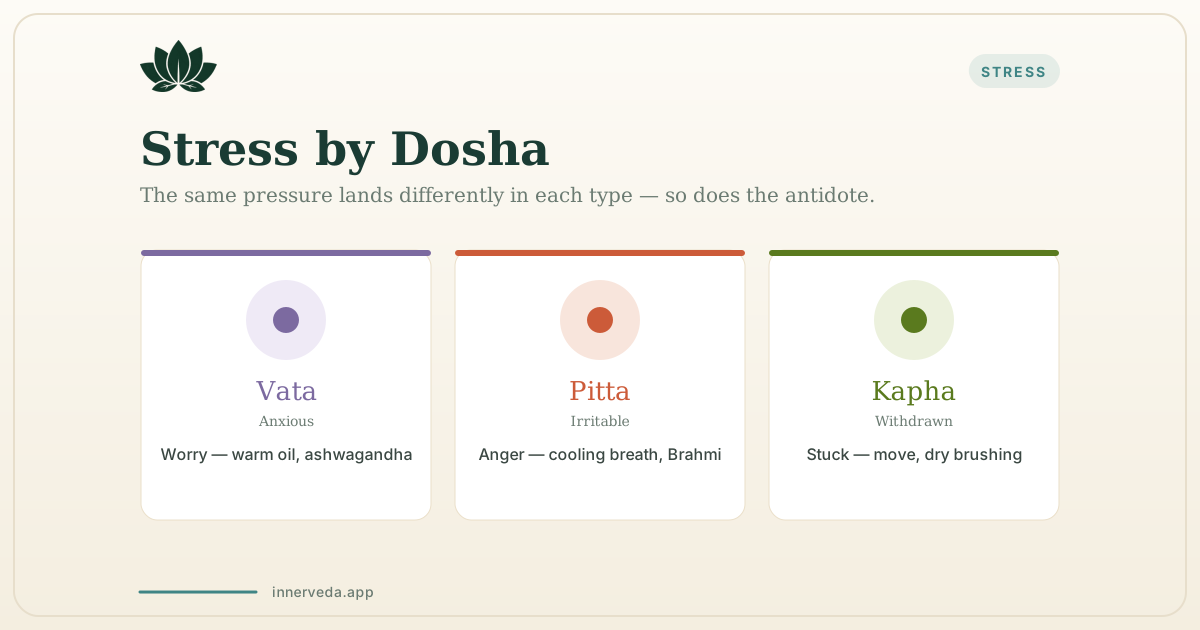
Vata Brain Fog: Scattered and Anxious
How it feels: Racing thoughts that go nowhere, difficulty focusing, forgetting what you were doing mid-task, anxiety that prevents clear thinking, mental fatigue from overthinking Root causes:
- Irregular eating and sleeping patterns
- Excess screen time and stimulation
- Lack of routine and grounding
- Dehydration and dry, cold foods
- Excessive travel or change
Physical signs: Dry skin, constipation, cold hands, insomnia, restless legs
Pitta Brain Fog: Burned Out and Irritable
How it feels: Mental exhaustion despite pushing through, inability to make decisions, irritability when trying to concentrate, perfectionism that blocks progress, sharp mental fatigue
Root causes:
- Overwork and insufficient rest
- Excessive competition and intensity
- Inflammatory diet (alcohol, spicy food, processed food)
- Screen overuse generating visual and mental heat
- Skipping meals due to being "too busy"
Physical signs: Acid reflux, skin rashes, red eyes, disturbed sleep, irritability
Kapha Brain Fog: Heavy and Dull
How it feels: Thick mental heaviness, difficulty initiating tasks, slowness in processing information, drowsiness during the day, emotional flatness, lack of motivation
Root causes:
- Overeating, especially heavy, sweet, and oily foods
- Sedentary lifestyle
- Excess sleep (more than 8 to 9 hours)
- Dairy, wheat, and sugar excess
- Lack of stimulating activities and social engagement
Physical signs: Congestion, weight gain, lethargy, thick tongue coating, mucus
Clearing Vata Brain Fog
Dietary Adjustments
- Eat warm, cooked, regular meals. Consistency is the single most important factor
- Include healthy fats. Ghee, sesame oil, almonds, and avocado nourish the nervous system
- Favour sweet, sour, and salty tastes. These ground Vata energy
- Drink warm water throughout the day. Dehydration worsens Vata mental fog
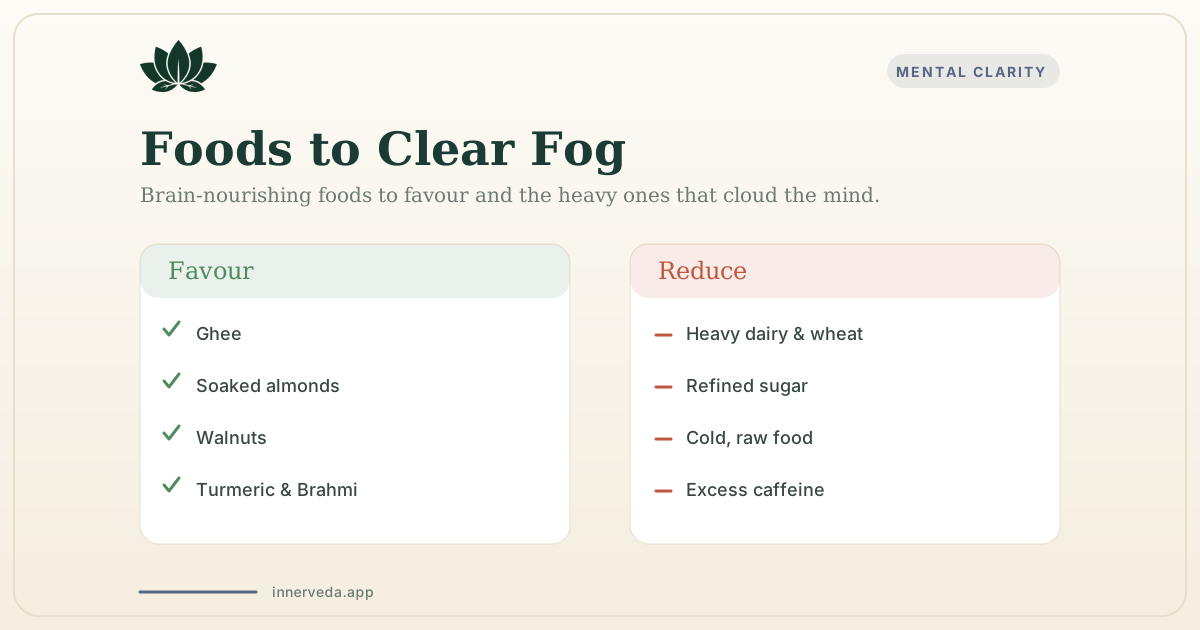
- Avoid: Caffeine, raw salads, cold foods, irregular meal timing
Daily Practices
- Establish a rigid routine. Same wake time, meal times, bedtime daily
- Warm sesame oil massage (abhyanga). 15 minutes each morning before showering
- Nadi shodhana (alternate nostril breathing). 5 minutes morning and evening
- Meditation. 10 to 15 minutes of focused, guided meditation
- Reduce stimulation. Fewer screens, less multitasking, quieter environment
Key Herbs (Traditionally Used)
- Brahmi, the premier herb for Vata-type mental fog
- Ashwagandha, supports the nervous system and counters stress-related scatter
- Vacha (calamus root), traditionally used to sharpen mental clarity
Clearing Pitta Brain Fog
Dietary Adjustments
- Cool, nourishing foods: Sweet fruits, coconut, leafy greens, cucumber
- Never skip meals. Pitta's strong fire becomes destructive when unfed
- Reduce inflammatory foods: Alcohol, caffeine, spicy food, processed food
- Favour sweet, bitter, and astringent tastes. These cool Pitta's mental fire
- Include ghee. Cooling and nourishing for the brain
Daily Practices
- Schedule mandatory rest. Pitta types must be forced to stop. Book it in the diary
- Moonlight walks. Cooling, calming, restorative for overheated Pitta
- Sheetali pranayama. Cooling breath, 10 to 15 rounds
- Nature immersion. Time near water especially helps cool the mental fire
- Reduce competition. Step back from winning and achieving temporarily
Key Herbs (Traditionally Used)
- Brahmi, cooling and clarifying for Pitta-type overheated minds
- Guduchi, traditionally a premier Pitta-clearing herb
- Amalaki, cooling rejuvenative that supports clear thinking
Clearing Kapha Brain Fog
Dietary Adjustments
- Light, warm, well-spiced meals. Kapha needs stimulation, not comfort food
- Reduce heavy foods. Dairy, wheat, sugar, fried foods, excess carbohydrates
- Favour bitter, pungent, and astringent tastes. These cut through Kapha heaviness
- Include warming spices generously: Black pepper, ginger, turmeric, cayenne
- Honey in warm water. Traditionally considered Kapha-reducing and mind-clearing
Daily Practices
- Vigorous morning exercise. The single most effective practice for Kapha brain fog
- Dry brushing (garshana). Stimulates circulation and lymphatic flow
- Kapalabhati pranayama. Energising, skull-shining breath
- Reduce sleep. If sleeping more than 7 to 8 hours, cut back gradually
- Social stimulation. Engage with people, new activities, new environments
Key Herbs (Traditionally Used)
- Vacha (calamus), a potent mind-clearing herb for Kapha
- Guggulu, traditionally used to clear channels and reduce heaviness
- Trikatu, the warming trio of ginger, black pepper, and long pepper to kindle agni
Universal Clarity Practices
These support mental clarity regardless of dosha:
Morning Clarity Routine (10 minutes)
- Tongue scraping. Removes ama and stimulates internal organs
- Warm water. A full glass to flush overnight toxins
- 5 minutes of pranayama. Choose your dosha-appropriate breathing technique
- Set a clear intention for the day. Focus creates clarity
Brain-Nourishing Foods for All Types
- Ghee. The premier brain food in Ayurveda. Crosses the blood-brain barrier
- Walnuts. Their brain-shaped appearance reflects their traditional use for cognitive support
- Almonds. Soaked and peeled. Traditionally used as a brain tonic
- Turmeric. Research suggests it may support neuroplasticity and reduce brain inflammation
- Brahmi. The universal Ayurvedic brain herb, suitable for all doshas
The Agni-Clarity Connection
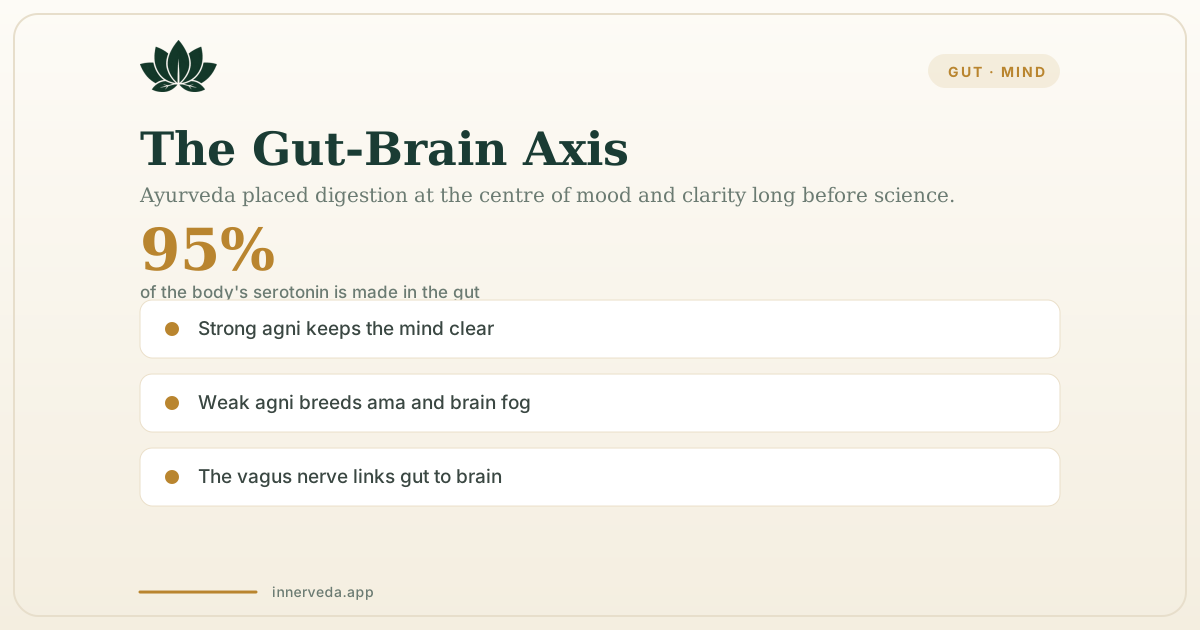
Since digestive fire and mental fire are linked:
- Eat your main meal at lunch. When agni peaks, nutrient absorption and mental energy peak too
- Don't overeat. Excess food diverts energy from mental function to digestion
- Fast occasionally. A light day of kitchari or soup can reset both digestion and mental clarity
- Use CCF tea. Cumin, coriander, and fennel tea supports digestion and indirectly supports clear thinking
Next Steps
- Identify your fog type. Take our dosha quiz to understand your brain fog pattern
- Support your gut. Read the gut-brain connection in Ayurveda
- Start meditating. Explore the Ayurvedic meditation guide
Frequently Asked Questions
Ayurveda attributes mental fog primarily to ama (digestive toxins) clouding the mind, weak agni (digestive fire) failing to produce clear mental energy, and dosha imbalances affecting the channels that carry nutrients to the brain (manovaha srotas).
Brahmi (Bacopa monnieri) is traditionally the foremost herb for mental clarity and memory. Shankhpushpi supports calm focus, ashwagandha helps with stress-related fog, and gotu kola (mandukparni) supports overall cognitive function. Consult a practitioner before starting herbs.
Dietary changes and daily practices like tongue scraping, warm water, and meditation may produce gradual improvements over time. Herbal support typically needs consistent use over several weeks. Individual results vary, and deeper imbalances may require professional guidance.
References & sources
- Meta-analysis of randomized controlled trials on cognitive effects of Bacopa monnieri extract— Journal of Ethnopharmacology, 2014
- Efficacy and safety of ashwagandha root extract on cognitive functions in healthy, stressed adults— Evidence-Based Complementary and Alternative Medicine, 2021
- Meditation programs for psychological stress and well-being: A systematic review and meta-analysis— JAMA Internal Medicine, 2014
Classical sources
- Charaka Samhita— Chikitsasthana, Chapter 1 (Rasayana Adhyaya), Quarter 3 (Karaprachitiya Rasayana Pada) 1/3/30-31
- Charaka Samhita— Sutrasthana, Chapter 30 (Arthedashamahamuliya Adhyaya) 30/4
This article is for educational purposes only and reflects traditional Ayurvedic perspectives alongside selected research. It is not medical advice. Always consult a qualified healthcare provider before acting on any information presented here.
Written by
Ganesh Kompella
Founder, InnerVeda
Research assisted by Vaidya AI
Trained on 500+ classical Ayurvedic texts

Medically reviewed by Dr. Sheetal Rajput
BAMS (Bachelor of Ayurvedic Medicine & Surgery)
Practise this
Guided sessions that put this article into practice.
- Trataka: Candle Gazing Meditation15 min · intermediate
- Third Eye (Ajna) Awakening Meditation20 min · advanced
On the plate: Brahmi — how it affects Vata, Pitta and Kapha, and how to use it.
Continue Reading
The Gut-Brain Connection in Ayurveda: What Science Confirms

Beginner's Guide to Ayurvedic Meditation: Practices for Your Dosha

Ayurveda for Skin: A Dosha Approach to Clear Skin
Ayurveda for Better Sleep: A Dosha Approach
Ayurveda for Stress Relief: Personalised by Dosha
Put this into practice
Take the free dosha assessment. Get a personalised wellness plan with nutrition, meditation, and daily routines matched to your body.
Find Your Dosha — Free~3 min · no signup