The Gut-Brain Connection in Ayurveda: What Science Confirms
Explore how Ayurveda understood the gut-brain axis centuries ago. Learn what modern science confirms and dosha-specific tips for digestive wellness.

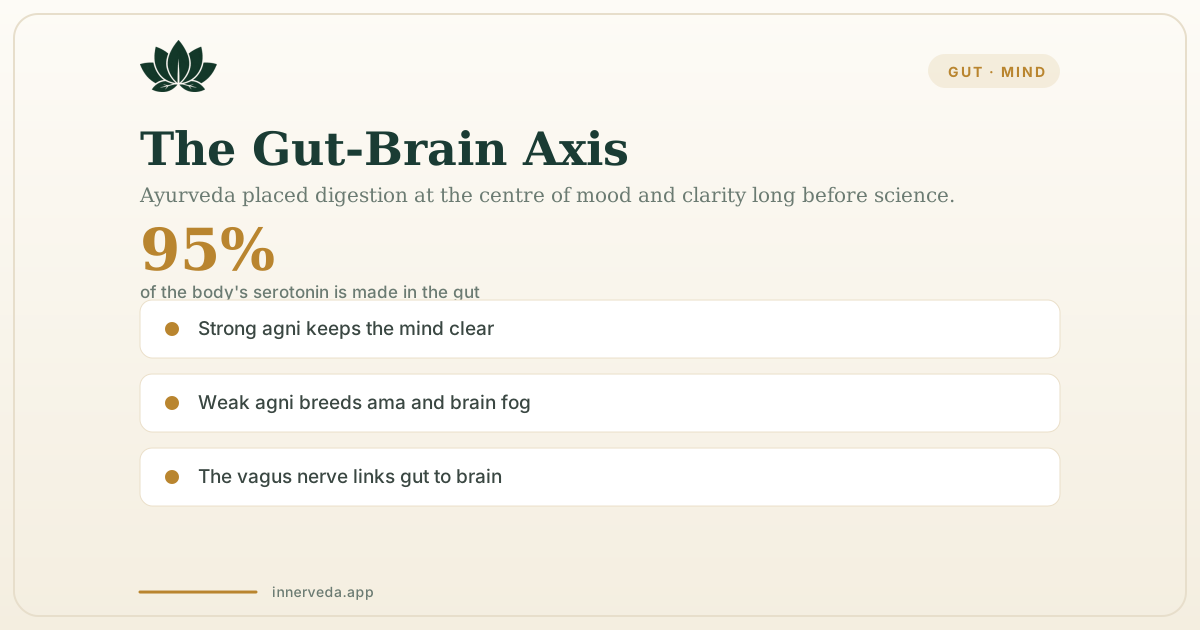
Ayurveda has long taught that digestive health (agni) directly governs mental clarity and emotional balance. Modern science now confirms this through the gut-brain axis, the bidirectional communication system between the gut microbiome and the brain via the vagus nerve.
Ayurveda Knew It First
Long before modern science discovered the gut-brain axis, Ayurvedic texts placed digestive health at the very centre of overall well-being. The Charaka Samhita states that agni (digestive fire) is the root of health, longevity, and even mental clarity.
This wasn't metaphor. Ayurveda developed an entire framework connecting digestive function to psychological states. A framework that modern neurogastroenterology is now validating in remarkable ways.
The Ayurvedic Framework: Agni and Ama
Agni: The Digestive Fire
In Ayurveda, agni isn't merely stomach acid or enzymes. It's the entire transformative intelligence of the body. Responsible for breaking down food into usable nutrients, separating waste from nourishment, and converting physical nourishment into mental clarity. There are 13 types of agni in Ayurveda. The most relevant to the gut-brain connection is Jatharagni, the central digestive fire located in the stomach and small intestine.
Ama: Metabolic Byproducts
When agni is weak or irregular, food isn't fully digested. The resulting residue is called ama. A sticky, heavy substance considered a contributing factor to imbalances in Ayurvedic theory. Ama is described as:
- Physically: Heavy, sticky, cloudy, foul-smelling
- Mentally: Associated with brain fog, low mood, lethargy, confusion
- Emotionally: Linked to attachment, heaviness, lack of motivation
The Ayurvedic approach to the gut-brain connection is straightforward. Strengthen agni, reduce ama, and the mind clears.
What Modern Science Says
The Gut-Brain Axis
Modern research has identified a bidirectional communication highway between the gut and the brain, known as the gut-brain axis. This system operates through:
- The vagus nerve, the longest cranial nerve, carrying signals between the gut and brain in both directions
- Neurotransmitter production. The gut produces roughly 95% of the body's serotonin and 50% of its dopamine
- The gut microbiome, trillions of bacteria that influence mood, cognition, and immune function
- Inflammatory pathways. Gut inflammation can trigger brain inflammation and vice versa
Key Research Findings
- Gut bacteria influence anxiety and depression. Studies show germ-free mice exhibit more anxious behaviour, reversed when beneficial bacteria are introduced
- Probiotics may support mood. Some strains of beneficial bacteria, termed "psychobiotics", have shown promise in supporting emotional well-being
- Diet affects the microbiome rapidly. Changes in diet can alter gut bacteria composition within 24 to 48 hours
- Stress disrupts gut function. Chronic stress measurably alters gut permeability and microbiome diversity
Where Ayurveda and Science Align
The overlap between ancient Ayurvedic wisdom and modern findings is striking:
| Ayurvedic Concept | Modern Scientific Parallel |
|---|---|
| Agni (digestive fire) | Digestive enzyme activity + microbiome function |
| Ama (metabolic byproducts) | Endotoxins, gut permeability, inflammatory mediators |
| Food combining rules | Research on digestive transit times and fermentation |
| Meal timing | Circadian rhythm influence on gut function |
| Spices as medicine | Bioactive compounds in turmeric, ginger, cumin |
| Mind-body connection | Vagus nerve, gut-brain axis, psychoneuroimmunology |
The Gut-Brain Connection by Dosha
Vata Gut-Brain Pattern
Digestive tendency: Irregular. Alternating between good and poor digestion, variable appetite, gas, bloating, constipation
Mental pattern when gut is disturbed: Anxiety, racing thoughts, difficulty concentrating, insomnia, worry
Support strategies:
- Eat warm, cooked, moist foods at regular times
- Use warming digestive spices: ginger, cumin, fennel, asafoetida (hing)
- Avoid cold, raw, and dry foods, especially in winter
- Routine. Same mealtimes daily
- Warm water sipping throughout the day
Pitta Gut-Brain Pattern
Digestive tendency: Strong but prone to excess. Acidity, heartburn, loose stools, inflammation
Mental pattern when gut is disturbed: Irritability, anger, critical thinking, perfectionism, frustration
Support strategies:
- Favour cooling foods: coconut, cucumber, sweet fruits, leafy greens
- Avoid excess spicy, sour, fermented, and fried foods
- Use cooling digestive spices: coriander, fennel, cardamom, mint
- Don't skip meals. Pitta's strong fire becomes destructive when unfed
- Aloe vera juice (small amounts) may help soothe the digestive tract
Kapha Gut-Brain Pattern
Digestive tendency: Slow and heavy. Sluggish metabolism, heaviness after meals, mucus, weight gain
Mental pattern when gut is disturbed: Lethargy, depression, attachment, brain fog, emotional eating
Support strategies:
- Eat lighter, warm, well-spiced meals
- Use stimulating spices: black pepper, ginger, turmeric, mustard seeds
- Avoid heavy, oily, sweet, and cold foods
- Eat your largest meal at lunch when agni is strongest
- Consider occasional light fasting or eating only kitchari for a day
Practical Steps to Strengthen the Gut-Brain Connection
1. Assess Your Agni
Signs of strong agni:
- Regular appetite at mealtimes
- Comfortable digestion without bloating or gas
- Clear tongue coating in the morning
- Regular, well-formed elimination
- Mental clarity and stable energy
Signs of weak agni:
- Irregular or absent appetite
- Bloating, gas, or heaviness after meals
- Thick coating on the tongue
- Irregular or difficult elimination
- Brain fog, mood swings, fatigue
2. Follow the Ayurvedic Eating Rules
- Eat your largest meal at lunch. Agni is strongest between 10 AM and 2 PM
- Eat only when hungry. Eating without appetite weakens agni
- Avoid cold drinks with meals. Cold dampens the digestive fire
- Chew thoroughly. Digestion begins in the mouth
- Leave space in your stomach. Fill one-third with food, one-third with liquid, one-third with space
3. Use Kitchen Spices as Medicine
Simple spice combinations that may support digestion:
- CCF tea (cumin, coriander, fennel). Balancing for all doshas
- Ginger tea. Kindle agni before meals, especially for Vata and Kapha
- Triphala. The classic Ayurvedic formula for digestive health and gentle detoxification
4. Address the Mind-Gut Feedback Loop
Because the connection is bidirectional, calming the mind also supports the gut:
- Eat mindfully. Screen-free, seated, in a calm environment
- Practise diaphragmatic breathing. Stimulates the vagus nerve and supports gut motility
- Manage stress. Chronic stress directly impairs digestive function
- Sleep well. The gut microbiome follows circadian rhythms
Next Steps
- Find your dosha. Take our dosha quiz to understand your digestive pattern
- Optimise your diet. Read eating for your dosha
- Clear brain fog. Explore Ayurveda for mental clarity
Frequently Asked Questions
Ayurveda describes the gut-brain connection through the concept of agni (digestive fire) and ama (toxins). When agni is strong, digestion is complete and the mind is clear. When agni is weak, ama accumulates and may cloud thinking, mood, and energy.
Each dosha has characteristic digestive patterns. Vata tends toward irregular digestion with gas and bloating, Pitta toward strong digestion with acidity and inflammation, and Kapha toward slow digestion with heaviness and congestion. Knowing your pattern helps you support your gut appropriately.
Research suggests yes. The gut produces roughly 95% of the body's serotonin and communicates directly with the brain via the vagus nerve. Improve gut health through diet and lifestyle and you may see better mood, sleep, and mental clarity.
References & sources
- Triphala: A comprehensive review on its traditional uses, phytochemistry, pharmacology, and clinical applications— Journal of Alternative and Complementary Medicine, 2017
- Therapeutic uses of Triphala in Ayurvedic medicine— Indian Journal of Pharmaceutical Sciences, 2012
- Meditation programs for psychological stress and well-being: A systematic review and meta-analysis— JAMA Internal Medicine, 2014
Classical sources
- Charaka Samhita— Chikitsa Sthana, Chapter 15 (Grahani-dosha Chikitsa), verses 3-4 Chikitsasthana 15.3-4
- Charaka Samhita— Chikitsa Sthana, Chapter 15 (Grahani-dosha Chikitsa), verse 38 onward Chikitsasthana 15.38
- Charaka Samhita— Vimana Sthana, Chapter 2 (Trividha-kukshiya / measure of stomach capacity) Vimanasthana 2.3
This article is for educational purposes only and reflects traditional Ayurvedic perspectives alongside selected research. It is not medical advice. Always consult a qualified healthcare provider before acting on any information presented here.
Written by
Ganesh Kompella
Founder, InnerVeda
Research assisted by Vaidya AI
Trained on 500+ classical Ayurvedic texts

Medically reviewed by Dr. Sheetal Rajput
BAMS (Bachelor of Ayurvedic Medicine & Surgery)
Practise this
Guided sessions that put this article into practice.
On the plate: CCF Tea (Cumin-Coriander-Fennel) — how it affects Vata, Pitta and Kapha, and how to use it.
Continue Reading

Ayurvedic Nutrition: Eating for Your Dosha Type
Ayurveda for Mental Clarity: Clear Brain Fog by Dosha
Ayurveda for Immunity: Strengthen Your Natural Defences
Ayurveda for Weight Management: A Dosha Approach
Ayurvedic Skincare by Dosha
Put this into practice
Take the free dosha assessment. Get a personalised wellness plan with nutrition, meditation, and daily routines matched to your body.
Find Your Dosha — Free~3 min · no signup