Ayurveda for Immunity: Strengthen Your Natural Defences
Learn how Ayurveda strengthens immunity through Ojas, digestive fire & dosha-specific practices. Discover herbs, foods & routines to support your defences.

Ayurveda views immunity as the strength of Ojas, your vital essence produced through proper digestion. Strong Agni (digestive fire), balanced doshas, wholesome food, restful sleep, and specific herbs like ashwagandha and tulsi traditionally support natural immunity from the inside out.
The Ayurvedic View of Immunity
Modern science speaks of the immune system, a complex network of cells, tissues, and organs. Ayurveda, thousands of years earlier, described something remarkably similar through the concept of Vyadhikshamatva (disease resistance) and Ojas (vital essence).
According to the Charaka Samhita, immunity depends on three interconnected factors:
- Ojas, the subtle essence of vitality produced through perfect digestion
- Agni, the digestive fire that transforms food into nourishment
- Bala, physical and mental strength that resists disease
When these three are strong and balanced, the body naturally resists illness. When weakened, through poor diet, stress, inadequate sleep, or seasonal transitions, vulnerability increases.
Understanding Ojas: Your Vital Essence
Ojas is perhaps the most beautiful concept in Ayurvedic immunity. It's described as the finest product of digestion. The subtle essence created when all seven tissue layers (dhatus) are properly nourished.
Signs of strong Ojas:
- Consistent energy throughout the day
- Clear, bright eyes and radiant skin
- Strong digestion with regular appetite
- Emotional stability and contentment
- Resistance to seasonal illness
- Restful, refreshing sleep
Signs of depleted Ojas:
- Chronic fatigue and low energy
- Frequent colds, infections, or allergies
- Anxiety, fear, or mental fog
- Poor appetite or sluggish digestion
- Dry, dull skin and brittle nails
- Difficulty recovering from illness
The Agni-Immunity Connection
Ayurveda places Agni (digestive fire) at the centre of all health, and immunity is no exception. Here's the chain:
- Strong Agni properly digests food into nutrients
- Nutrients nourish all seven tissue layers sequentially
- The finest essence of this nourishment becomes Ojas
- Strong Ojas provides natural disease resistance
When Agni is weak or irregular, food is incompletely digested, producing Ama. Ayurveda describes Ama as a sticky substance related to metabolic byproducts, considered a contributing factor to imbalances. Ama clogs the body's channels, weakens tissues, and depletes Ojas.
Immunity by Dosha
Vata Immunity
Vata types tend to have variable immunity. Strong some weeks, vulnerable others. Their natural tendency toward irregularity affects immune consistency.
Common vulnerabilities: Dry coughs, joint pain, nervous exhaustion, insomnia-related immune dips
Support strategies:
- Maintain a regular daily routine. Vata thrives on consistency
- Eat warm, nourishing, oily foods: soups, stews, ghee, cooked grains
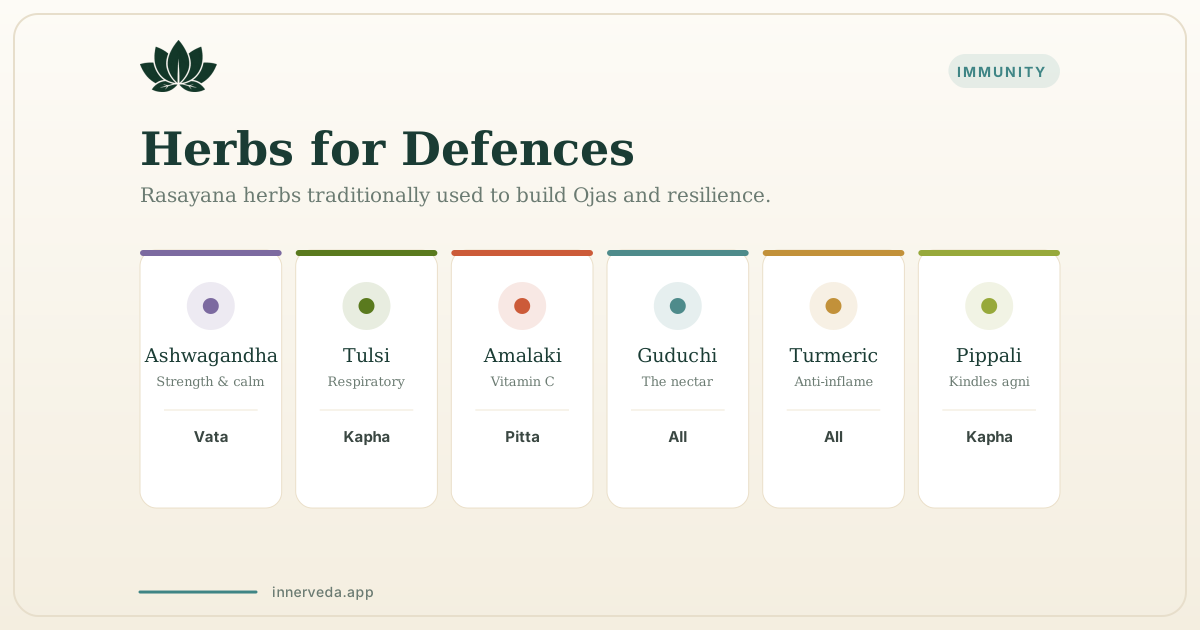
- Take ashwagandha. This adaptogenic herb is traditionally the premier Vata-balancing immune tonic
- Prioritise 8 hours of sleep with a consistent bedtime
- Practice gentle, grounding yoga and meditation
Pitta Immunity
Pitta types generally have strong immunity when balanced, thanks to robust digestive fire. Excess heat and inflammation can paradoxically weaken defences.
Common vulnerabilities: Inflammatory conditions, skin rashes, acid reflux, burnout-related immune crashes
Support strategies:
- Avoid overheating. Both physically and emotionally
- Eat cooling, sweet, and bitter foods: coconut, leafy greens, cucumber, sweet fruits
- Take amalaki (Indian gooseberry). One of the richest natural sources of vitamin C and a premier Pitta-balancing rejuvenative
- Manage stress and overwork. Pitta types push too hard and crash
- Practice cooling pranayama and moderate exercise
Kapha Immunity
Kapha types have naturally strong, stable immunity. The sturdiest of all three types. Excess Kapha creates congestion and stagnation that may weaken respiratory defences.
Common vulnerabilities: Respiratory congestion, sinus issues, sluggish lymph, water retention
Support strategies:
- Stay physically active. Regular vigorous exercise is essential for Kapha immunity
- Eat light, warm, spiced foods. Reduce dairy, wheat, and heavy sweets
- Take tulsi (holy basil). Traditionally used for respiratory support and Kapha balance
- Practice dry brushing (garshana) to stimulate lymphatic circulation
- Include honey in warm (not hot) water. Traditionally considered a Kapha-balancing immune tonic
Seven Ayurvedic Herbs for Immunity
1. Ashwagandha (Withania somnifera)
An adaptogenic herb traditionally used to build strength, reduce stress, and support Ojas. Modern research suggests it may modulate immune cell activity.
2. Tulsi (Ocimum sanctum)
Holy basil is revered in Ayurveda as a Rasayana (rejuvenative). It traditionally supports respiratory health and may have antimicrobial properties.
3. Turmeric (Curcuma longa)
The golden spice contains curcumin, extensively studied for its anti-inflammatory properties. Ayurveda has used turmeric for immunity for millennia.
4. Amalaki (Emblica officinalis)
Indian gooseberry is one of the three fruits in Triphala and is exceptionally rich in vitamin C. Considered a premier Rasayana for building Ojas.
5. Guduchi (Tinospora cordifolia)
Known as "Amrita" (the divine nectar), guduchi is traditionally one of the most important immune-modulating herbs in Ayurveda.
6. Pippali (Piper longum)
Long pepper is traditionally used to strengthen Agni and support respiratory immunity. Often combined with honey for Kapha-type congestion.
7. Shatavari (Asparagus racemosus)
A nourishing Rasayana traditionally used for building Ojas, particularly for Vata and Pitta types. May support overall vitality and resilience.
Daily Practices for Stronger Immunity
Morning Routine (Dinacharya)
A consistent morning routine is one of the most powerful immunity-building practices in Ayurveda:
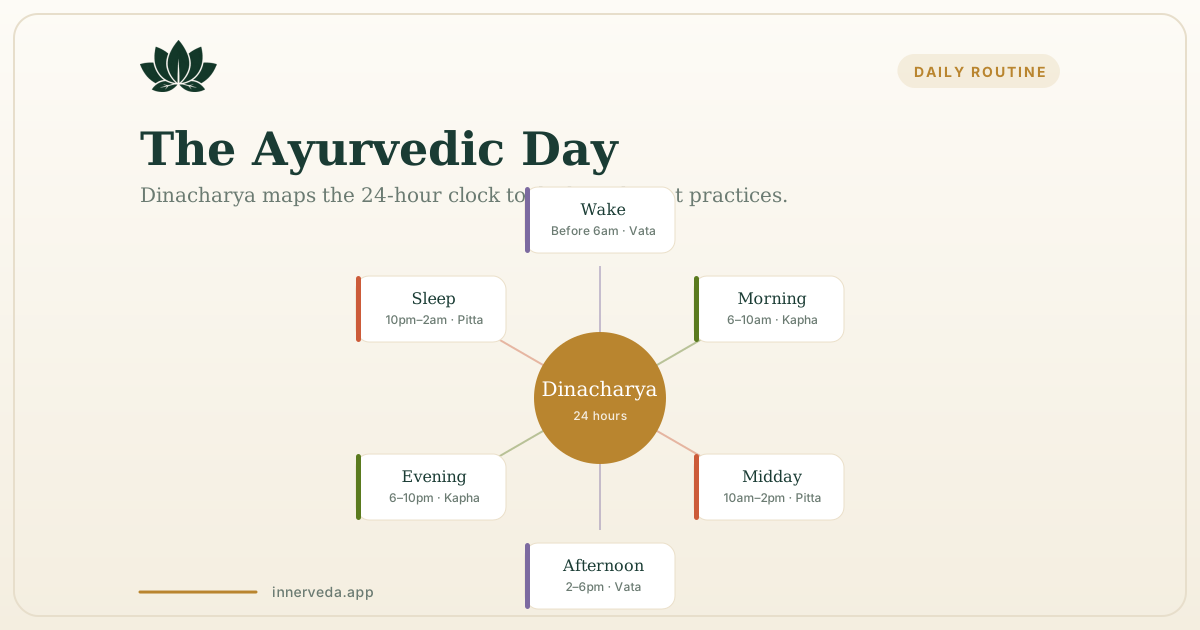
- Wake before sunrise when Vata energy supports lightness and clarity
- Scrape your tongue to remove overnight Ama accumulation
- Drink warm water with lemon or ginger to kindle Agni
- Practice oil pulling (gandusha) with sesame or coconut oil for oral health
- Self-massage (abhyanga) with warm oil appropriate for your dosha
- Move your body: yoga, walking, or exercise appropriate for your dosha
- Meditate for 10 to 20 minutes to reduce stress hormones
Evening Routine
- Eat dinner by 7 PM and keep it lighter than lunch
- Drink warm spiced milk (golden milk with turmeric) before bed
- Avoid screens for at least 30 minutes before sleep
- Sleep by 10 PM. The Kapha time of night supports deep, restorative sleep
Ojas-Building Foods
The following foods are traditionally considered to build Ojas:
- Ghee, the most Ojas-building food in Ayurveda
- Dates and figs, sweet, nourishing, grounding
- Almonds (soaked and peeled), rich and strengthening
- Warm milk with spices: saffron, cardamom, turmeric
- Honey (raw, unheated), traditionally a Rasayana
- Sweet, juicy fruits: mangoes, grapes, pomegranates
- Wholesome grains: basmati rice, oats, wheat (if tolerated)
Seasonal Immunity Support
Ayurveda recognises that immunity naturally fluctuates with seasons:
- Late winter/Spring: Kapha accumulates. Focus on lightening, warming spices, and movement
- Summer: Pitta rises. Focus on cooling foods, moderate activity, and hydration
- Autumn/Early winter: Vata increases. Focus on grounding, nourishing routines and warm, oily foods
Aligning your diet and lifestyle with seasonal rhythms is one of the most effective long-term immunity strategies in Ayurveda.
Building Immunity: A Long-Term Practice
Ayurvedic immunity isn't built overnight with a supplement. It's cultivated through:
- Consistent daily routines that support your dosha
- Proper digestion through mindful eating and Agni-strengthening practices
- Adequate rest. Sleep is when the body repairs and builds Ojas
- Stress management. Chronic stress is one of the greatest Ojas-depleting forces
- Seasonal alignment. Adjusting your practices as nature changes
- Appropriate herbal support guided by a qualified practitioner
Start with one practice today. Build on it tomorrow. Over weeks and months, you'll notice a shift. Not just in how often you fall ill, but in your overall vitality, energy, and resilience.
Frequently Asked Questions
Ojas is the subtle essence of all bodily tissues, the end product of perfect digestion. It represents vitality, immunity, and resilience. When Ojas is strong, you feel energetic, clear-minded, and naturally resistant to illness.
Traditional Ayurvedic herbs for immunity include ashwagandha (adaptogenic strength), tulsi (respiratory support), turmeric (anti-inflammatory), amalaki (vitamin C-rich), and guduchi (immune modulation). Always consult a practitioner before starting new herbs.
Ayurveda doesn't claim to prevent specific illnesses, but its immunity-building practices (strong digestion, balanced routine, seasonal eating, herbal support) may help strengthen your body's natural defences against common seasonal ailments.
Ayurveda considers Agni (digestive fire) the foundation of immunity. Weak digestion produces what Ayurveda describes as Ama (related to metabolic byproducts) that may clog channels and weaken Ojas. Supporting strong, balanced digestion is the single most important step for building immunity.
References & sources
- Efficacy and safety of ashwagandha root extract in insomnia and anxiety— Journal of Ethnopharmacology, 2020
- Turmeric, the golden spice: From traditional medicine to modern medicine— Foods, 2017
- Triphala: A comprehensive review on its traditional uses, phytochemistry, pharmacology, and clinical applications— Journal of Alternative and Complementary Medicine, 2017
Classical sources
- Charaka Samhita— Chikitsasthana 15 (Grahani Chikitsa), verses 3-4 Chikitsasthana 15.3-4
- Charaka Samhita— Sutrasthana 17 (Kiyanta Shiraseeya Adhyaya), Ojas section Sutrasthana 17.74-75
- Charaka Samhita— Chikitsasthana 1.1 (Rasayana Adhyaya — Abhaya Amalakiya Rasayana Pada) —
This article is for educational purposes only and reflects traditional Ayurvedic perspectives alongside selected research. It is not medical advice. Always consult a qualified healthcare provider before acting on any information presented here.
Written by
Ganesh Kompella
Founder, InnerVeda
Research assisted by Vaidya AI
Trained on 500+ classical Ayurvedic texts

Medically reviewed by Dr. Sheetal Rajput
BAMS (Bachelor of Ayurvedic Medicine & Surgery)
Practise this
Guided sessions that put this article into practice.
- Nadi Shodhana: Alternate Nostril Breathing15 min · beginner
- Ujjayi: Victorious Ocean Breath15 min · beginner
On the plate: Chyawanprash — how it affects Vata, Pitta and Kapha, and how to use it.
Continue Reading

12 Essential Ayurvedic Spices and How to Use Them

Ayurvedic Morning Routine (Dinacharya): Your Daily Foundation

Ayurvedic Nutrition: Eating for Your Dosha Type
Ayurveda for Weight Management: A Dosha Approach
Ayurvedic Skincare by Dosha
Dinacharya: The Ayurvedic Daily Routine That Anchors Everything
Put this into practice
Take the free dosha assessment. Get a personalised wellness plan with nutrition, meditation, and daily routines matched to your body.
Find Your Dosha — Free~3 min · no signup