Barnyard Millet: Benefits & Dosha Effects
Sanskrit: Sanwa (सांवा)
Barnyard Millet is especially balancing for Pitta and Kapha. With sweet and astringent rasa (taste), cold virya (potency) and sweet vipaka, it is light and dry in quality and a source of iron.

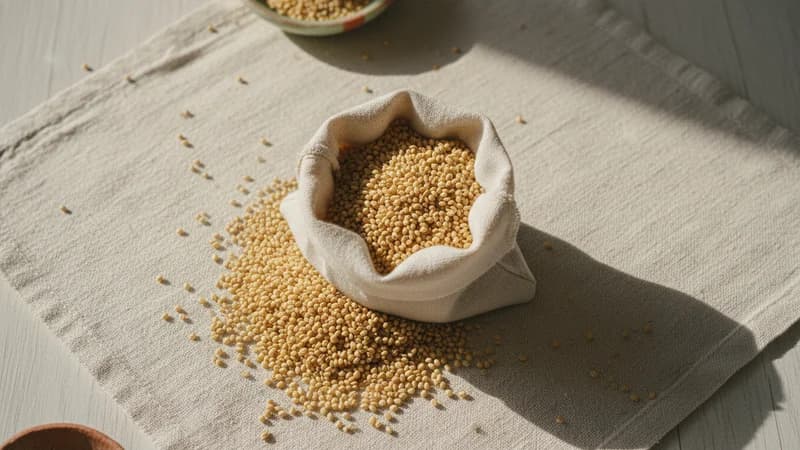
Barnyard Millet is best suited to Pitta and Kapha, which it helps pacify. Barnyard millet is one of the lightest, quickest-cooking grains, and its light, dry (laghu-ruksha) quality makes it especially easy on a tired or monsoon-dampened Agni.. Best enjoyed during monsoon.
Ayurvedic Profile
Barnyard Millet (Sanwa (सांवा)) is a sustaining grains treasured in Ayurvedic nutrition. Referenced in Dhanvantari Nighantu, it is characterised by sweet and astringent rasa (taste), cooling virya (potency), and sweet vipaka (post-digestive effect). Sanwa (barnyard millet) is traditionally used as a fasting grain in Indian Ayurvedic practice, similar to Kuttu. Its low glycemic index and high fibre content make it ideal for Prameha (diabetes) management, while its Laghu quality ensures it does not burden weak monsoon Agni. Its light and dry gunas make it particularly suited for specific constitutional types. It has a neutral effect on Vata, pacifies Pitta, and pacifies Kapha. From a nutritional standpoint, barnyard millet provides approximately 307 calories per 100g, with 6.2g protein, 65.5g carbohydrates, and is a valuable source of Iron, Calcium, Phosphorus. Best enjoyed during monsoon, barnyard millet supports healthy Agni (digestive fire) when prepared according to Ayurvedic principles, helping prevent Ama (toxin) accumulation and nourish the dhatus (body tissues).
Ayurvedic Properties
Rasa (Taste)
sweet, astringent
Virya (Potency)
cold
Vipaka (Post-digestive)
sweet
Guna (Qualities)
light, dry
How Barnyard Millet Affects Vata, Pitta & Kapha
Ayurveda reads every food through the three doshas. Here is how barnyard millet’s qualities interact with each: Not sure which is yours? Take the free dosha quiz — about 4 minutes.
Barnyard Millet has a broadly neutral effect on Vata. Its sweet and astringent rasa and light and dry qualities neither strongly aggravate nor pacify Vata, so those with Vata dosha can enjoy it in moderation within a varied diet. Vata meal plan
Barnyard Millet helps pacify Pitta. Its cold virya (potency) and light and dry qualities, with its sweet and astringent rasa (taste), counterbalance Pitta's tendencies — which is why it traditionally suits Pitta dosha in regular use. Pitta meal plan
Barnyard Millet helps pacify Kapha. Its cold virya (potency) and light and dry qualities, with its sweet and astringent rasa (taste), counterbalance Kapha's tendencies — which is why it traditionally suits Kapha dosha in regular use. Kapha meal plan
Nutrition Facts (per 100g)
307kcal
Calories
6.2g
Protein
65.5g
Carbs
2.2g
Fat
9.8g
Fibre
Ayurvedic Benefits
- Barnyard millet is one of the lightest, quickest-cooking grains, and its light, dry (laghu-ruksha) quality makes it especially easy on a tired or monsoon-dampened Agni.
- Its sweet-astringent rasa and cooling virya help pacify Pitta and reduce excess Kapha, suiting the sticky, sluggish feeling many notice during the rains.
- Very high in dietary fibre with a low glycaemic load, it releases energy slowly, which is why it is traditionally chosen as a light rice substitute for those watching their sugars.
- A useful source of iron and calcium, it gently supports Rakta and Asthi dhatu (blood and bone) while remaining feather-light in the stomach.
- As a naturally gluten-free grain low in calories among cereals, it gives a satisfying, unheavy base for fasting and everyday meals alike.
How to Use
- As barnyard millet is cooling (shita virya), favour it in warmer weather and pair it with warming spices like ginger or black pepper when the seasons turn cold.
- Barnyard Millet is at its best during monsoon — eating it in season keeps its Prana (vital energy) and benefit at their peak.
- Cook it like rice in about two-and-a-half parts water for a fluffy grain ready in ten minutes, the ideal quick base for a light monsoon lunch.
- Use it as the fasting grain (samo, sanwa or vrat ke chawal) for ekadashi and Navratri, made into a simple khichdi with cumin, ginger and rock salt.
- Simmer it into a creamy kheer with milk, jaggery and cardamom for a light festive sweet that does not sit heavily.
- Toss the cooked grain into an upma with vegetables, curry leaves and a little ghee to keep its dryness in check.
- Grind it to flour for quick dosa or pancake batters when you want a lighter, faster-cooking alternative to rice.
Contraindications
- Its very light, dry nature can aggravate Vata if eaten plain or cold, so cook it soft and finish with ghee or a moist accompaniment.
- During strict fasting some prepare it with very little spice; anyone with low energy or unstable blood sugar should not rely on it alone and should eat regularly.
- Being high in fibre and quick to fill, large portions can feel drying without enough fluids, so drink water and add healthy fats such as ghee.
“Ayurveda classifies Barnyard Millet by its sweet, astringent rasa (taste), cold virya (thermal potency), and sweet vipaka (post-digestive effect). InnerVeda reads these three lenses together to map Barnyard Millet to your dosha and season.”
Frequently Asked Questions
Yes. Barnyard millet is the grain sold as samo, sanwa, moraiyo or vrat ke chawal for Hindu fasting days. It is treated as a pseudo-grain rather than a conventional cereal, which is why it is permitted during ekadashi and Navratri, and its lightness makes it comfortable to eat when the body is resting.
It has one of the lower glycaemic loads among grains, with plenty of fibre that slows digestion, so energy is released gradually. In Ayurvedic terms its astringent rasa and dry, light quality support steadier, lighter digestion. It suits balanced eating but does not replace medical management of blood sugar.
Rinse it, then cook one cup in about two-and-a-half cups of water until soft, roughly ten minutes, and let it rest covered. Finishing with a spoon of ghee, and serving it with a moist dal, curd or curry, offsets its naturally dry quality, especially helpful for Vata types.
Your dosha is the balance of Vata, Pitta and Kapha you were born with. Take the dosha quiz — free, about 4 minutes.
Three questions towards your dosha
These are the first three questions of the full dosha quiz. Answer them here and carry on where you left off.
Prefer to start from the beginning? Take the full dosha quiz.
Dietary information provided is for educational purposes only and is rooted in Ayurvedic tradition. It is not a substitute for professional nutritional or medical advice. Consult a qualified healthcare provider before making significant changes to your diet, especially if you have food allergies, intolerances, or a medical condition.
Want a meal plan matched to your dosha?
Take the free dosha assessment (about 4 minutes) and get a personalised nutrition plan with nearly 300 foods in the app, rated for your body.
Find Your Dosha: FreeAbout 4 minutes