Little Millet: Benefits & Dosha Effects
Sanskrit: Kutki (कुटकी)
Little Millet is especially balancing for Pitta and Kapha but can raise Vata when eaten in excess. With sweet and astringent rasa (taste), cold virya (potency) and sweet vipaka, it is light and dry in quality and a source of iron.

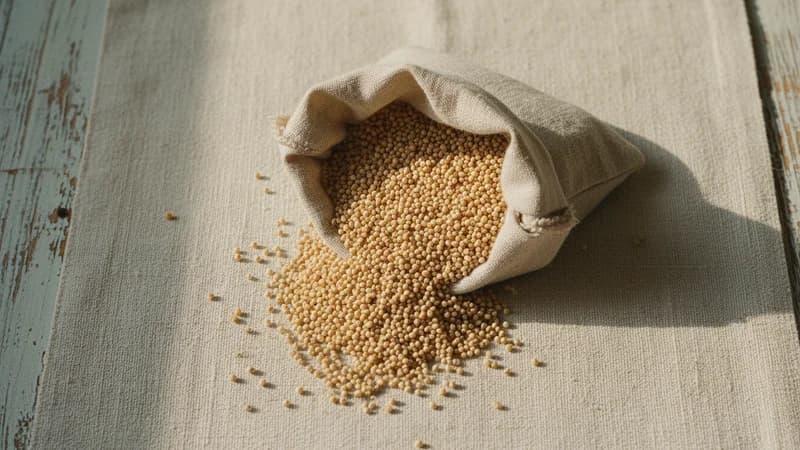
Little Millet is best suited to Pitta and Kapha, which it helps pacify. In excess it can raise Vata. Little millet (Kutki) shares the sweet-astringent rasa and cold virya of its family, and its especially small, quick-cooking grain makes it one of the gentlest millets on the digestion, traditionally valued as a light, cooling staple for Pitta and Kapha.. Suitable year-round.
Ayurvedic Profile
Little Millet (Kutki (कुटकी)) is a sustaining grains treasured in Ayurvedic nutrition. Referenced in Bhavaprakasha Nighantu, it is characterised by sweet and astringent rasa (taste), cooling virya (potency), and sweet vipaka (post-digestive effect). Little millet is among the lightest of all millets with excellent Laghu-Ruksha properties that support Kapha-Medas (obesity) management. Its gentle nature on Agni makes it suitable for those transitioning from refined grains to whole millets in their Ayurvedic diet. Its light and dry gunas make it particularly suited for specific constitutional types. It can aggravate Vata when consumed in excess, pacifies Pitta, and pacifies Kapha. From a nutritional standpoint, little millet provides approximately 329 calories per 100g, with 7.7g protein, 65.5g carbohydrates, and is a valuable source of Iron, Zinc, Calcium. Best enjoyed during all-seasons, little millet supports healthy Agni (digestive fire) when prepared according to Ayurvedic principles, helping prevent Ama (toxin) accumulation and nourish the dhatus (body tissues).
Ayurvedic Properties
Rasa (Taste)
sweet, astringent
Virya (Potency)
cold
Vipaka (Post-digestive)
sweet
Guna (Qualities)
light, dry
How Little Millet Affects Vata, Pitta & Kapha
Ayurveda reads every food through the three doshas. Here is how little millet’s qualities interact with each: Not sure which is yours? Take the free dosha quiz — about 4 minutes.
Little Millet is well tolerated by those with Vata dosha in normal amounts, but its cold virya and light and dry qualities may aggravate Vata in excess — so people with Vata as their leading dosha are best keeping to measured portions. Vata meal plan
Little Millet helps pacify Pitta. Its cold virya (potency) and light and dry qualities, with its sweet and astringent rasa (taste), counterbalance Pitta's tendencies — which is why it traditionally suits Pitta dosha in regular use. Pitta meal plan
Little Millet helps pacify Kapha. Its cold virya (potency) and light and dry qualities, with its sweet and astringent rasa (taste), counterbalance Kapha's tendencies — which is why it traditionally suits Kapha dosha in regular use. Kapha meal plan
Nutrition Facts (per 100g)
329kcal
Calories
7.7g
Protein
65.5g
Carbs
4.7g
Fat
7.6g
Fibre
Ayurvedic Benefits
- Little millet (Kutki) shares the sweet-astringent rasa and cold virya of its family, and its especially small, quick-cooking grain makes it one of the gentlest millets on the digestion, traditionally valued as a light, cooling staple for Pitta and Kapha.
- With a good measure of iron and zinc, little millet supports the nourishment of rakta (blood) and the body's natural resilience, which is why village kitchens across India have long relied on it as a sustaining everyday grain.
- Its calcium content and light, dry guna make it a grounding wholegrain that can be eaten across all seasons, offering steady, slow-releasing energy without the post-meal heaviness that Kapha types tend to feel.
- The astringent note gives little millet a mild, Ama-reducing, absorbent quality; traditionally it is used to firm up a loose, sluggish digestion and lighten a system weighed down by heaviness when Agni is even.
- Because it is easily kindled and quick to cook, little millet is often the first millet Ayurveda recommends to those transitioning away from refined grains, as its soft texture and modest size make it especially easy to assimilate.
How to Use
- As little millet is cooling (shita virya), favour it in warmer weather and pair it with warming spices like ginger or black pepper when the seasons turn cold.
- Cook one part little millet to two parts water and use it exactly as you would rice, alongside dal and cooked vegetables for a light, everyday meal.
- Soak for a few hours, then simmer with milk, jaggery and cardamom into a soft kheer, its small grains breaking down into a creamy, comforting pudding.
- Prepare a khichdi with little millet and split moong dal, generous ghee, cumin and ginger, a nourishing one-pot dish that keeps the grain's dryness in check.
- Because it is Vata-aggravating and dry, always add a fat such as ghee or coconut and warming spices, and cook it soft rather than serving it firm or undercooked.
- Toss cooled little millet through a lemony herb salad or fold it into vegetable patties, where its fine texture binds well and stays light.
Contraindications
- As a dry, light grain with cold virya, little millet increases Vata; those prone to gas, bloating, dryness or irregular bowels are best limiting it, cooking it well with ghee, and favouring it in warmer, moister preparations.
- Its cooling potency makes it less ideal for people with weak digestive fire or a tendency to feel cold; at such times choose warmer, heavier grains and reserve little millet for milder weather or Pitta-Kapha days.
- Introduce it gradually if your body is unaccustomed to millets; those managing a thyroid condition may prefer to keep servings moderate and always cook it thoroughly rather than consuming it raw or in large sprouted quantities, following their own doctor's advice.
“Ayurveda classifies Little Millet by its sweet, astringent rasa (taste), cold virya (thermal potency), and sweet vipaka (post-digestive effect). InnerVeda reads these three lenses together to map Little Millet to your dosha and season.”
Frequently Asked Questions
Its very small grains cook into a soft, easily assimilated texture, and its light (laghu) guna means a healthy Agni handles it readily. To keep it comfortable for Vata-predominant people it should be cooked soft with ghee and warming spices rather than eaten firm or plain.
Yes, it cooks and behaves much like rice and can stand in for it in khichdi, pilafs and everyday meals, while offering more iron and zinc. Because it is cooling and drying by nature, pair it with a fat and warming spices, especially in cold weather or for Vata types.
Little millet is regarded as an all-season grain, gentle enough for regular use across the year. In the cooler months, simply favour warmer, ghee-rich preparations to offset its cooling, drying nature and keep it kind to Vata.
Your dosha is the balance of Vata, Pitta and Kapha you were born with. Take the dosha quiz — free, about 4 minutes.
Three questions towards your dosha
These are the first three questions of the full dosha quiz. Answer them here and carry on where you left off.
Prefer to start from the beginning? Take the full dosha quiz.
Dietary information provided is for educational purposes only and is rooted in Ayurvedic tradition. It is not a substitute for professional nutritional or medical advice. Consult a qualified healthcare provider before making significant changes to your diet, especially if you have food allergies, intolerances, or a medical condition.
Want a meal plan matched to your dosha?
Take the free dosha assessment (about 4 minutes) and get a personalised nutrition plan with nearly 300 foods in the app, rated for your body.
Find Your Dosha: FreeAbout 4 minutes