Ragi (Finger Millet): Benefits & Dosha Effects
Sanskrit: Ragi (रागी)
Ragi (Finger Millet) is especially balancing for Pitta and Kapha. With sweet and astringent rasa (taste), cold virya (potency) and sweet vipaka, it is light and dry in quality and a source of calcium.

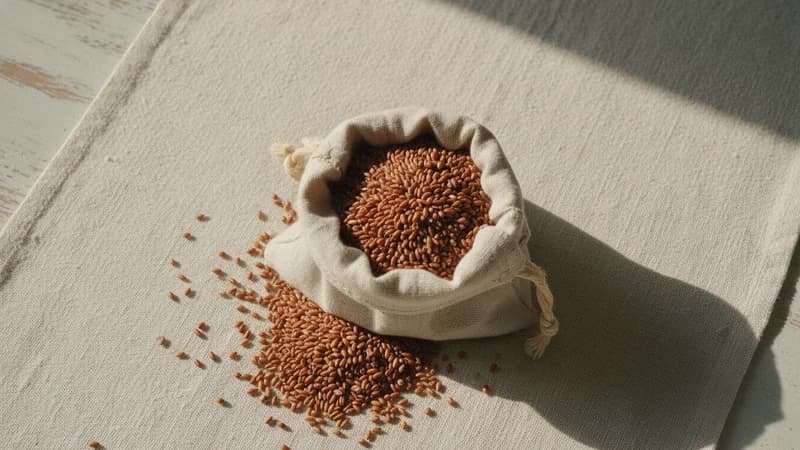
Ragi (Finger Millet) is best suited to Pitta and Kapha, which it helps pacify. Ragi carries the highest calcium of any common cereal (around 344 mg per 100 g), which in Ayurveda supports Asthi dhatu, the bone tissue, making it a traditional grain valued for growing children and older adults.. Suitable year-round.
Ayurvedic Profile
Ragi (Finger Millet) (Ragi (रागी)) is a sustaining grains treasured in Ayurvedic nutrition. Referenced in Ashtanga Hridaya, it is characterised by sweet and astringent rasa (taste), cooling virya (potency), and sweet vipaka (post-digestive effect). Ragi stands out among millets for its exceptionally high calcium content, making it invaluable for strengthening Asthi dhatu (bone tissue); its Kashaya anurasa helps manage Kapha while keeping it suitable for Pitta types. Its light and dry gunas make it particularly suited for specific constitutional types. It has a neutral effect on Vata, pacifies Pitta, and pacifies Kapha. From a nutritional standpoint, ragi (finger millet) provides approximately 328 calories per 100g, with 7.3g protein, 72.0g carbohydrates, and is a valuable source of Calcium, Iron, Phosphorus. Best enjoyed during all-seasons, ragi (finger millet) supports healthy Agni (digestive fire) when prepared according to Ayurvedic principles, helping prevent Ama (toxin) accumulation and nourish the dhatus (body tissues).
Ayurvedic Properties
Rasa (Taste)
sweet, astringent
Virya (Potency)
cold
Vipaka (Post-digestive)
sweet
Guna (Qualities)
light, dry
How Ragi (Finger Millet) Affects Vata, Pitta & Kapha
Ayurveda reads every food through the three doshas. Here is how ragi (finger millet)’s qualities interact with each: Not sure which is yours? Take the free dosha quiz — about 4 minutes.
Ragi (Finger Millet) has a broadly neutral effect on Vata. Its sweet and astringent rasa and light and dry qualities neither strongly aggravate nor pacify Vata, so those with Vata dosha can enjoy it in moderation within a varied diet. Vata meal plan
Ragi (Finger Millet) helps pacify Pitta. Its cold virya (potency) and light and dry qualities, with its sweet and astringent rasa (taste), counterbalance Pitta's tendencies — which is why it traditionally suits Pitta dosha in regular use. Pitta meal plan
Ragi (Finger Millet) helps pacify Kapha. Its cold virya (potency) and light and dry qualities, with its sweet and astringent rasa (taste), counterbalance Kapha's tendencies — which is why it traditionally suits Kapha dosha in regular use. Kapha meal plan
Nutrition Facts (per 100g)
328kcal
Calories
7.3g
Protein
72g
Carbs
1.3g
Fat
3.6g
Fibre
Ayurvedic Benefits
- Ragi carries the highest calcium of any common cereal (around 344 mg per 100 g), which in Ayurveda supports Asthi dhatu, the bone tissue, making it a traditional grain valued for growing children and older adults.
- Its sweet-astringent (madhura-kashaya) rasa with a cooling virya makes it well suited to pacifying Pitta and mopping up excess Kapha, so it may help those who feel heated or heavy after wheat.
- The light, dry (laghu-ruksha) quality keeps ragi easy to digest, and its high fibre slows the release of sugars, which is why it is traditionally valued for steadier energy through the morning.
- Being naturally gluten-free, ragi gives wheat-sensitive people a grounding grain that still holds together in roti and porridge, supporting a varied diet without discomfort.
- Its useful iron content, paired with a squeeze of citrus or a Pitta-friendly amla, traditionally supports the building of Rakta dhatu and healthy colour in those prone to tiredness.
How to Use
- As ragi (finger millet) is cooling (shita virya), favour it in warmer weather and pair it with warming spices like ginger or black pepper when the seasons turn cold.
- Sprout the whole grain, sun-dry it, then grind to make ragi malt (ragi ambali) simmered into a thin porridge, the classic first weaning food and a cooling summer drink with buttermilk.
- Steam the flour with hot water into ragi mudde (soft dumplings) and eat with a light sambar or greens, the South-Indian way to keep the grain moist and easy on Vata.
- Roll ragi flour with a little warm water into thin roti or dosa, adding grated coconut or cumin so the dry quality does not aggravate Vata.
- Fold the flour into idli and dosa batters (about one part ragi to two of rice) for a mineral-rich, gut-friendly breakfast.
- Toast ragi flour in a dry pan before use to lift its earthy note and make the starch more digestible for tender stomachs.
Contraindications
- Its dry, light quality can unsettle a delicate or Vata-type digestion if eaten cold or plain, so pair ragi with ghee, buttermilk or warm spices rather than eating it dry.
- Because it is so calcium-rich, people with a history of calcium-based kidney stones should keep portions modest and follow their doctor's guidance on overall calcium intake.
- Like other millets, ragi contains natural goitrogens, so those with a very weak Agni or known thyroid concerns are best eating it well-cooked, in moderate amounts, and checking with their physician if on medication.
“Ayurveda classifies Ragi (Finger Millet) by its sweet, astringent rasa (taste), cold virya (thermal potency), and sweet vipaka (post-digestive effect). InnerVeda reads these three lenses together to map Ragi (Finger Millet) to your dosha and season.”
Frequently Asked Questions
Neither is simply better; they suit different bodies. Ragi is gluten-free, far richer in calcium and iron, cooling and lower on the glycaemic scale, so it often suits Pitta and Kapha types and those avoiding gluten. Wheat is heavier and warming. If you find wheat leaves you heated or bloated, rotating ragi in a few times a week is a sensible, traditional choice.
Ragi malt has been a first weaning porridge across South India for generations, prized for its calcium and iron. Sprout the grain, dry and grind it, then cook a very thin, smooth porridge. Introduce it around six months alongside your paediatrician's advice, starting with tiny amounts to check tolerance.
Ayurveda would say its astringent rasa and dry, light quality, together with its fibre, slow digestion and give steadier energy, which is why it is traditionally favoured over refined grains. It supports balanced eating rather than treating any condition; anyone managing blood sugar should keep to their doctor's plan.
Your dosha is the balance of Vata, Pitta and Kapha you were born with. Take the dosha quiz — free, about 4 minutes.
Three questions towards your dosha
These are the first three questions of the full dosha quiz. Answer them here and carry on where you left off.
Prefer to start from the beginning? Take the full dosha quiz.
Dietary information provided is for educational purposes only and is rooted in Ayurvedic tradition. It is not a substitute for professional nutritional or medical advice. Consult a qualified healthcare provider before making significant changes to your diet, especially if you have food allergies, intolerances, or a medical condition.
Want a meal plan matched to your dosha?
Take the free dosha assessment (about 4 minutes) and get a personalised nutrition plan with nearly 300 foods in the app, rated for your body.
Find Your Dosha: FreeAbout 4 minutes