Orange: Benefits & Dosha Effects
Sanskrit: Naranga (नारङ्ग)
Orange is especially balancing for Vata and Kapha but can raise Pitta when eaten in excess. With sour and sweet rasa (taste), hot virya (potency) and sour vipaka, it is light and oily in quality and a source of vitamin c.

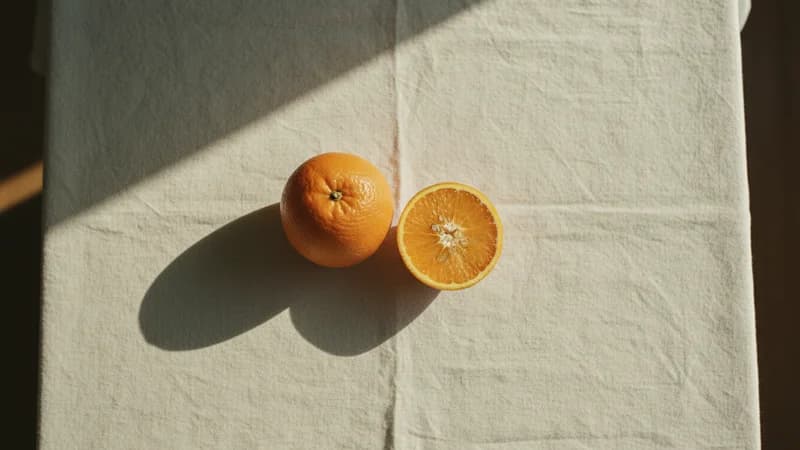
Orange is best suited to Vata and Kapha, which it helps pacify. In excess it can raise Pitta. Sweet-sour rasa with light, slightly oily guna makes orange grounding for Vata while its juiciness gently loosens Kapha, supporting a bright, unclogged feeling through damp winter months. Best enjoyed during winter.
Ayurvedic Profile
Orange (Naranga (नारङ्ग)) is a rejuvenating fruits treasured in Ayurvedic nutrition. Referenced in Sushruta Samhita, it is characterised by sour and sweet rasa (taste), heating virya (potency), and sour vipaka (post-digestive effect). Naranga's Amla rasa makes it an excellent Agni stimulant that also provides Snigdha nourishment; Ayurveda recommends consuming oranges in winter when their sourness supports depleted digestive fire. Its light and oily gunas make it particularly suited for specific constitutional types. It pacifies Vata, can aggravate Pitta when consumed in excess, and pacifies Kapha. From a nutritional standpoint, orange provides approximately 47 calories per 100g, with 0.9g protein, 11.8g carbohydrates, and is a valuable source of Vitamin C, Folate, Thiamine. Best enjoyed during winter, orange supports healthy Agni (digestive fire) when prepared according to Ayurvedic principles, helping prevent Ama (toxin) accumulation and nourish the dhatus (body tissues).
Ayurvedic Properties
Rasa (Taste)
sour, sweet
Virya (Potency)
hot
Vipaka (Post-digestive)
sour
Guna (Qualities)
light, oily
How Orange Affects Vata, Pitta & Kapha
Ayurveda reads every food through the three doshas. Here is how orange’s qualities interact with each: Not sure which is yours? Take the free dosha quiz — about 4 minutes.
Orange helps pacify Vata. Its hot virya (potency) and light and oily qualities, with its sour and sweet rasa (taste), counterbalance Vata's tendencies — which is why it traditionally suits Vata dosha in regular use. Vata meal plan
Orange is well tolerated by those with Pitta dosha in normal amounts, but its hot virya and light and oily qualities may aggravate Pitta in excess — so people with Pitta as their leading dosha are best keeping to measured portions. Pitta meal plan
Orange helps pacify Kapha. Its hot virya (potency) and light and oily qualities, with its sour and sweet rasa (taste), counterbalance Kapha's tendencies — which is why it traditionally suits Kapha dosha in regular use. Kapha meal plan
Nutrition Facts (per 100g)
47kcal
Calories
0.9g
Protein
11.8g
Carbs
0.1g
Fat
2.4g
Fibre
Ayurvedic Benefits
- Sweet-sour rasa with light, slightly oily guna makes orange grounding for Vata while its juiciness gently loosens Kapha, supporting a bright, unclogged feeling through damp winter months
- Naturally high in Vitamin C, a nutrient traditionally valued for supporting the body's seasonal resilience and the health of gums, skin and connective tissue
- Folate and thiamine in the flesh support the everyday nervous-system and energy metabolism that Ayurveda links to steady Vata and clear Ojas
- Its Ushna (hot) virya kindles Agni, so a segment before a meal may help wake sluggish winter digestion and ease the heaviness of Ama
- The soft pith and pulp carry gentle fibre and moisture that traditionally support comfortable elimination without the drying quality of many astringent fruits
How to Use
- As orange is heating (ushna virya), balance it with cooling accompaniments such as coriander, fennel or a little ghee — especially through the warmer months.
- Orange is at its best during winter — eating it in season keeps its Prana (vital energy) and benefit at their peak.
- Peel and eat fresh segments at mid-morning as a between-meals snack, when Agni is active and the sour-hot fruit will not clash with a heavy meal
- Warm fresh-squeezed juice slightly and add a pinch of ginger or cinnamon in winter, so the sour, heating fruit sits gently on the throat and settles Kapha
- Grate a little of the zest into warm water with honey as a fragrant, Agni-friendly morning drink during the cold season
- Pair segments with a few soaked almonds or walnuts so the light fruit is balanced by grounding, oily nourishment for Vata types
- Keep it to the winter table when oranges are naturally in season, eaten at room temperature rather than chilled straight from the fridge
Contraindications
- Pitta types and anyone prone to acidity, heartburn or mouth ulcers should limit orange, as its sour rasa and hot virya can aggravate Pitta in excess
- Best not eaten last thing at night or immediately after a full meal; its sourness and Ushna virya sit better on active daytime Agni
- The fruit acids can be hard on sensitive tooth enamel and on an already inflamed stomach, so rinse the mouth after eating and go gently if you are prone to reflux
“Ayurveda classifies Orange by its sour, sweet rasa (taste), hot virya (thermal potency), and sour vipaka (post-digestive effect). InnerVeda reads these three lenses together to map Orange to your dosha and season.”
Frequently Asked Questions
Despite their fresh, juicy taste, oranges are classified as Ushna (hot) in virya. The sweetness makes the fruit feel refreshing, but the underlying sour rasa and hot potency mean they gently kindle Agni. That is why they suit Vata and Kapha in winter, and why Pitta types are asked to keep the portion small.
Eating the whole segments is preferable in Ayurveda. The pulp and soft pith carry fibre and moisture that slow the fruit's sour-hot action, whereas a large glass of juice concentrates the sourness and can aggravate Pitta and acidity. If you prefer juice, take a small amount, ideally warmed slightly with a pinch of ginger in winter.
Mid-morning or mid-afternoon, as a snack between meals when digestion is strongest. Ayurveda avoids sour, heating fruit late at night or straight after a heavy meal, as it can unsettle the stomach and disturb sleep. Room temperature is kinder to Agni than a cold, refrigerated fruit.
Your dosha is the balance of Vata, Pitta and Kapha you were born with. Take the dosha quiz — free, about 4 minutes.
Three questions towards your dosha
These are the first three questions of the full dosha quiz. Answer them here and carry on where you left off.
Prefer to start from the beginning? Take the full dosha quiz.
Dietary information provided is for educational purposes only and is rooted in Ayurvedic tradition. It is not a substitute for professional nutritional or medical advice. Consult a qualified healthcare provider before making significant changes to your diet, especially if you have food allergies, intolerances, or a medical condition.
Want a meal plan matched to your dosha?
Take the free dosha assessment (about 4 minutes) and get a personalised nutrition plan with nearly 300 foods in the app, rated for your body.
Find Your Dosha: FreeAbout 4 minutes