Raw Banana (Plantain): Benefits & Dosha Effects
Sanskrit: Kadali (कदली)
Raw Banana (Plantain) is especially balancing for Vata and Pitta but can raise Kapha when eaten in excess. With sweet and astringent rasa (taste), cold virya (potency) and sweet vipaka, it is heavy and oily in quality and a source of vitamin a.

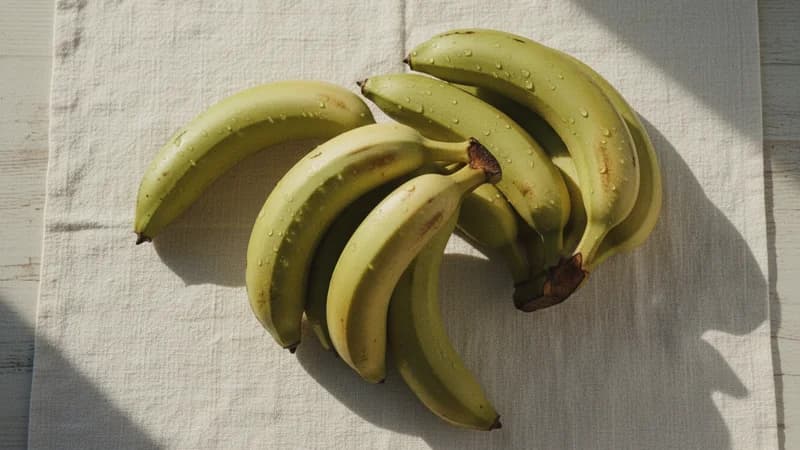
Raw Banana (Plantain) is best suited to Vata and Pitta, which it helps pacify. In excess it can raise Kapha. Its heavy and oily guna, sweet vipaka and cold virya make raw plantain deeply grounding — traditionally used to steady an anxious, depleted Vata and rebuild strength.. Best enjoyed during monsoon.
Ayurvedic Profile
Raw Banana (Plantain) (Kadali (कदली)) is a nourishing vegetables treasured in Ayurvedic nutrition. Referenced in Ashtanga Hridaya, it is characterized by sweet and astringent rasa (taste), cooling virya (potency), and sweet vipaka (post-digestive effect). Kadali (unripe plantain) is described in Bhavaprakasha Nighantu as distinct from ripe banana, possessing Kashaya rasa that makes it useful for Atisara (diarrhea) and Pravahika (dysentery). When cooked, raw plantain is a staple vegetable in South Indian Ayurvedic cuisine. Its heavy and oily gunas make it particularly suited for specific constitutional types. It pacifies Vata, pacifies Pitta, and can aggravate Kapha when consumed in excess. From a nutritional standpoint, raw banana (plantain) provides approximately 122 calories per 100g, with 1.3g protein, 31.9g carbohydrates, and is a valuable source of Vitamin A, Vitamin C, Potassium. Best enjoyed during monsoon, raw banana (plantain) supports healthy Agni (digestive fire) when prepared according to Ayurvedic principles, helping prevent Ama (toxin) accumulation and nourish the dhatus (body tissues).
Ayurvedic Properties
Rasa (Taste)
sweet, astringent
Virya (Potency)
cold
Vipaka (Post-digestive)
sweet
Guna (Qualities)
heavy, oily
How Raw Banana (Plantain) Affects Vata, Pitta & Kapha
Ayurveda reads every food through the three doshas. Here is how raw banana (plantain)’s qualities interact with each: Not sure which is yours? Take the free dosha quiz — about 3 minutes, no signup.
Raw Banana (Plantain) helps pacify Vata. Its cold virya (potency) and heavy and oily qualities, with its sweet and astringent rasa (taste), counterbalance Vata's tendencies — which is why it traditionally suits Vata dosha in regular use.
Raw Banana (Plantain) helps pacify Pitta. Its cold virya (potency) and heavy and oily qualities, with its sweet and astringent rasa (taste), counterbalance Pitta's tendencies — which is why it traditionally suits Pitta dosha in regular use.
Raw Banana (Plantain) is well tolerated by those with Kapha dosha in normal amounts, but its cold virya and heavy and oily qualities may aggravate Kapha in excess — so Kapha types are best keeping to measured portions.
Nutrition Facts (per 100g)
122kcal
Calories
1.3g
Protein
31.9g
Carbs
0.4g
Fat
2.3g
Fiber
Ayurvedic Benefits
- Its heavy and oily guna, sweet vipaka and cold virya make raw plantain deeply grounding — traditionally used to steady an anxious, depleted Vata and rebuild strength.
- The astringent edge on its sweet-astringent rasa is gently binding, which is why cooked raw banana is a classic, easily-digested food traditionally used to help settle loose motions.
- Being starchy yet cooling, it nourishes Rasa and Mamsa dhatu and offers substantial, sustaining energy without the sharp heat of many other filling foods.
- Rich in resistant starch and potassium, it supports a comfortable, well-fed gut and steady fluid balance, making it a valued convalescent food.
- Its Vitamin A and Vitamin C content supports healthy skin, eyes and the body's natural defences, complementing its role as a restorative, Ojas-building vegetable.
How to Use
- As raw banana (plantain) is cooling (shita virya), favour it in warmer weather and pair it with warming spices like ginger or black pepper when the seasons turn cold.
- Raw Banana (Plantain) is at its best during monsoon — eating it in season keeps its Prana (vital energy) and benefit at their peak.
- Boil unpeeled chunks until just tender, then peel and mash with cumin, ginger and a little salt for a soft, easily-digested dish ideal in monsoon or during recovery.
- Steam and mash the flesh into small patties or koftas, binding with besan and coriander before shallow-frying in ghee.
- Simmer diced raw banana into a South Indian avial or a light coconut curry, where its heaviness is balanced by warming spices.
- Slice very thin and fry into crisp plantain chips seasoned with black pepper, turmeric and salt — an occasional treat rather than a daily food.
- Oil your hands and knife before peeling, as the green skin releases a sticky sap; drop the peeled pieces into water to stop them darkening.
Contraindications
- The heavy, oily guna increases Kapha and can dull the Agni, so Kapha types and anyone with sluggish digestion or a tendency to bloating should eat only small, well-spiced portions.
- Always cook raw plantain thoroughly — its dense starch is indigestible and hard on the gut when raw or undercooked, and can cause heaviness and gas.
- Because it is filling and slow to digest, it is best not eaten late at night or in large amounts by those with weak Agni or a tendency to feel lethargic after meals.
“Ayurveda classifies Raw Banana (Plantain) by its sweet, astringent rasa (taste), cold virya (thermal potency), and sweet vipaka (post-digestive effect). InnerVeda reads these three lenses together to map Raw Banana (Plantain) to your dosha and season.”
Frequently Asked Questions
They are close cousins and the terms overlap. Both are starchy, savoury bananas eaten cooked rather than as sweet fruit. In Ayurveda what matters is that unripe, green fruit is heavy, sweet-astringent and must always be cooked — never eaten raw like a dessert banana.
Traditionally it is well regarded for this. Its astringent (kashaya) quality is gently binding and its soft, cooked starch is easy on an irritated gut, so plainly boiled and mashed raw banana is a classic food used to help settle and firm loose motions during recovery. For persistent symptoms, do see a doctor.
It can if overdone. Because it is heavy, starchy and astringent it slows digestion, so large portions — or eating it undercooked — may cause bloating or hard stools, especially for Kapha types or those with weak Agni. Keep portions modest, cook it well and spice it with ginger and cumin.
Dietary information provided is for educational purposes only and is rooted in Ayurvedic tradition. It is not a substitute for professional nutritional or medical advice. Consult a qualified healthcare provider before making significant changes to your diet, especially if you have food allergies, intolerances, or a medical condition.
Want a meal plan matched to your dosha?
Take the free 3-minute dosha assessment and get a personalised nutrition plan with 300 foods rated for your body.
Find Your Dosha — Free~3 min · no signup