Ayurveda for Women's Health: Cycle, Hormones & Dosha
Explore how Ayurveda supports women's health through each life stage: menstrual cycle, hormones, and dosha-specific self-care practices.

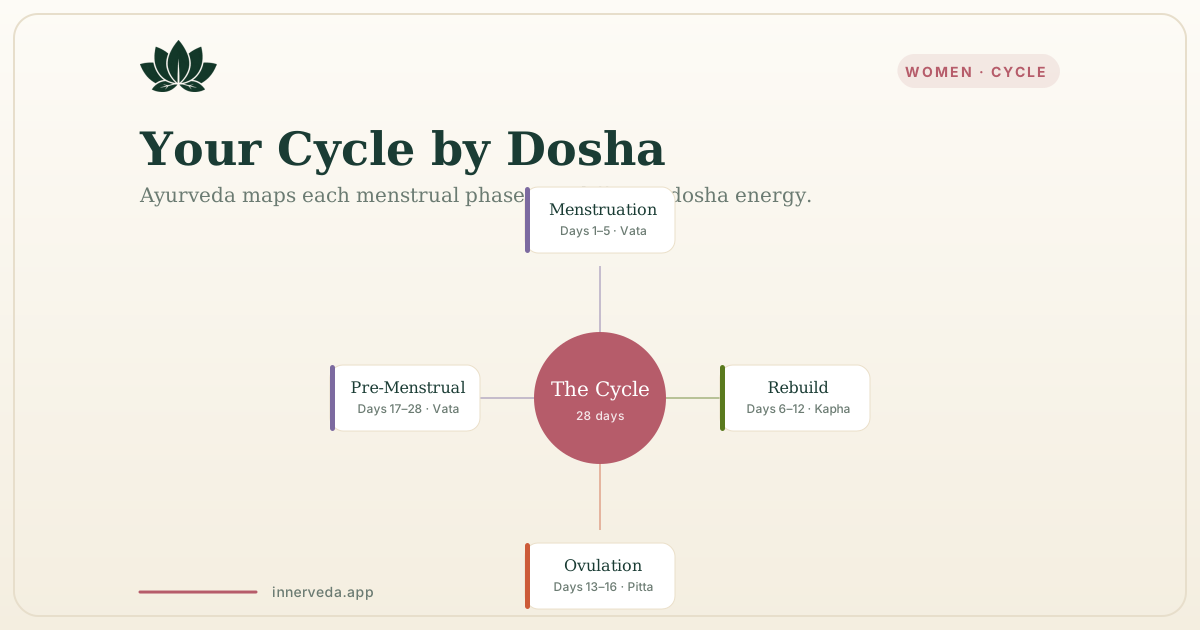
Ayurveda views women's health through the lens of doshas and life stages. Each phase of the menstrual cycle, pregnancy, and menopause has dosha-specific recommendations for diet, herbs, and daily practices that may support hormonal balance and vitality.
Why Ayurveda for Women's Health?
Ayurveda has a rich tradition of addressing women's health through its sub-discipline called Stri Roga, the branch dedicated to female health and gynaecology. Unlike a one-size-fits-all approach, Ayurveda recognises that every woman's body is unique, shaped by her dosha constitution, life stage, and environment.
This personalised framework offers practical tools for supporting health through menstruation, fertility, pregnancy, postpartum recovery, and menopause.
The Menstrual Cycle Through an Ayurvedic Lens
Ayurveda maps the menstrual cycle to the three doshas, with each phase influenced by a different energy.
Phase 1: Menstruation (Days 1 to 5), Vata Phase
This phase is governed by Apana Vata, the downward-moving energy responsible for elimination. During this time:
- Rest is emphasised. Ayurveda traditionally recommends reducing intense exercise and obligations
- Warm, nourishing foods: soups, stews, and cooked grains support the body
- Avoid cold foods and drinks. These may disrupt the natural downward flow
- Gentle self-massage with warm sesame oil on the lower abdomen and lower back
Phase 2: Post-Menstruation (Days 6 to 12), Kapha Phase
As the body rebuilds the uterine lining, Kapha energy rises, bringing nourishment and structure.
- Slightly more active movement is appropriate. Walks, yoga, light cardio
- Nourishing foods: milk, ghee, wholesome grains, and protein support tissue building
- Sweet, grounding flavours. Naturally sweet foods support this building phase
Phase 3: Ovulation (Days 13 to 16), Pitta Phase
Pitta energy peaks around ovulation, bringing warmth and transformation.
- Cooling foods: sweet fruits, coconut water, leafy greens
- Moderate exercise. Your energy is typically highest during this phase
- Avoid excess heat, both in food (excess spice) and environment
Phase 4: Pre-Menstruation (Days 17 to 28), Vata Returns
As Vata begins to increase in preparation for menstruation:
- Grounding practices: meditation, early bedtime, warm baths
- Warm, moist foods. Avoid dry, raw, or cold foods
- Reduce stimulation: less screen time, quieter activities
- Abhyanga (self-massage). Calming sesame oil massage supports Vata balance
Dosha-Specific Women's Health Patterns
Vata Women
- Cycle tendency: Irregular timing, scanty flow, cramping, bloating
- Support strategies: Warm oil massage, regular routine, warm spiced milk, sesame oil
- Key herbs: Shatavari, ashwagandha, dashamoola (traditionally used)
- Exercise: Gentle yoga, walking, tai chi. Avoid overexertion
Pitta Women
- Cycle tendency: Regular but heavy flow, heat, irritability, skin breakouts
- Support strategies: Cooling diet, aloe vera juice, coconut oil massage, nature walks
- Key herbs: Shatavari, brahmi, amalaki, rose (traditionally used)
- Exercise: Swimming, moderate yoga, avoid exercising in midday heat
Kapha Women
- Cycle tendency: Longer cycles, water retention, heaviness, emotional eating
- Support strategies: Light diet, vigorous movement, dry brushing, warming spices
- Key herbs: Triphala, guggulu, ginger, turmeric (traditionally used)
- Exercise: Brisk walking, dancing, energetic yoga. Stay active
Life Stages in Ayurveda
Ayurveda recognises three major life stages, each dominated by a different dosha.
Kapha Stage (Birth to ~40)
The years of growth, fertility, and building. During this stage:
- Focus on building strong ojas (vitality) through nourishing foods
- Establish healthy menstrual patterns with routine and appropriate self-care
- Fertility is naturally supported by balancing all three doshas
Pitta Stage (~40 to 55)
The transformative years, including perimenopause and menopause:
- Hormonal shifts may show up as heat, irritability, or changes in cycle
- Cooling and calming practices become increasingly important
- Self-care rituals help navigate this transformation with grace
Vata Stage (55+)
The years of wisdom and lightness:
- Nourishing, grounding practices become essential
- Warm, oily foods counter the dryness and lightness of Vata
- Gentle movement and meditation support bone and joint health
Shatavari: The Queen of Women's Herbs
Shatavari (Asparagus racemosus) is traditionally the foremost herb for women's health in Ayurveda. The name translates roughly to "she who possesses a hundred husbands", reflecting its association with vitality and reproductive health.
- Traditional uses: Supporting healthy menstruation, fertility, lactation, and menopausal comfort
- Qualities: Cooling, sweet, nourishing. Pacifies both Vata and Pitta
- Modern research: Preliminary studies suggest adaptogenic and antioxidant properties
- How it is taken: Typically as a powder mixed with warm milk and ghee, or in capsule form
Daily Practices for Women's Wellness
Morning Routine
- Wake before sunrise when possible. The Brahma Muhurta (roughly 4:30 to 6:00 AM) is considered especially beneficial
- Warm water with lemon gently stimulates digestion
- Self-massage (abhyanga). Use warm sesame oil (Vata), coconut oil (Pitta), or mustard oil (Kapha)
- Gentle yoga or stretching. 15 to 20 minutes of dosha-appropriate movement
Evening Routine
- Dinner by 7 PM. A light, warm meal supports sleep quality
- Warm milk with spices: turmeric, cardamom, and a pinch of nutmeg
- Foot massage with warm ghee or sesame oil on the soles of the feet
- Meditation or journaling. 10 minutes of calming practice before bed
Nutrition for Women's Hormonal Health
Certain foods are traditionally emphasised in Ayurveda for women:
- Ghee, considered deeply nourishing for reproductive tissues
- Dates and figs, naturally sweet and iron-rich
- Sesame seeds, warming and rich in calcium
- Pomegranate, traditionally associated with fertility and blood health
- Turmeric with milk. The classic "golden milk" supports overall balance
- Mung dal, an easily digestible protein source
Next Steps
- Discover your dosha. Take our free dosha quiz to understand your unique constitution
- Build a routine. Explore our complete daily routine guide
- Learn about nutrition. Read eating for your dosha for personalised dietary guidance
Frequently Asked Questions
Ayurveda views menstruation as a natural monthly cleansing governed primarily by Vata dosha. It recommends rest, warm foods, gentle movement, and avoiding cold or heavy foods during this time to support comfortable cycles.
Traditionally used herbs include shatavari (considered the premier women's tonic), ashwagandha for stress and energy, brahmi for mental clarity, and turmeric for its balancing properties. Always consult a practitioner before starting herbs.
Ayurveda views menopause as a natural Vata-increasing transition. Dosha-specific diet adjustments, calming practices, and traditional herbs like shatavari may help support comfort during this phase. Individual guidance is recommended.
Each dosha type tends toward different health patterns. Vata women may experience irregular cycles, Pitta women may have heavier or warmer periods, and Kapha women may experience longer cycles with water retention. Knowing your type helps personalise care.
References & sources
- Shatavari (Asparagus racemosus): A versatile female tonic— Journal of Ethnopharmacology, 2005
- An investigation into the stress-relieving and pharmacological actions of an ashwagandha extract— Medicine, 2021
- Efficacy and Safety of Shatavari (Asparagus racemosus) Root Extract for Perimenopause: A Randomized, Double-Blind, Placebo-Controlled Study— International Journal of Women's Health, 2025
- A Double-Blind Randomized Clinical Trial for Evaluation of Galactogogue Activity of Asparagus racemosus Willd.— Iranian Journal of Pharmaceutical Research, 2011
- Effects of Ashwagandha Supplements on Cortisol, Stress, and Anxiety Levels in Adults: A Systematic Review and Meta-Analysis— BJPsych Open, 2025
- Menopause (StatPearls)— StatPearls, NCBI Bookshelf (NIH/NLM), updated 2026
Classical sources
- Sushruta Samhita— Sharira Sthana, Chapter 3 (Garbhavakranti Shariram) 3.7
- Sushruta Samhita— Sutra Sthana, Chapter 38 (Dravyasangrahaniya Adhyaya) 38.4-5
- Ashtanga Hridaya— Sutra Sthana, Chapter 2 (Dinacharya Adhyaya) 2.1
- Charaka Samhita— Chikitsa Sthana, Chapter 30 (Yonivyapat Chikitsa Adhyaya) —
This article is for educational purposes only and reflects traditional Ayurvedic perspectives alongside selected research. It is not medical advice. Always consult a qualified healthcare provider before acting on any information presented here.
Written by
Ganesh Kompella
Founder, InnerVeda
Research assisted by Vaidya AI
Trained on 500+ classical Ayurvedic texts

Medically reviewed by Dr. Sheetal Rajput
BAMS (Bachelor of Ayurvedic Medicine & Surgery)
Practise this
Guided sessions that put this article into practice.
On the plate: Ashwagandha — how it affects Vata, Pitta and Kapha, and how to use it.
Continue Reading

What Is My Dosha? Vata, Pitta and Kapha Explained
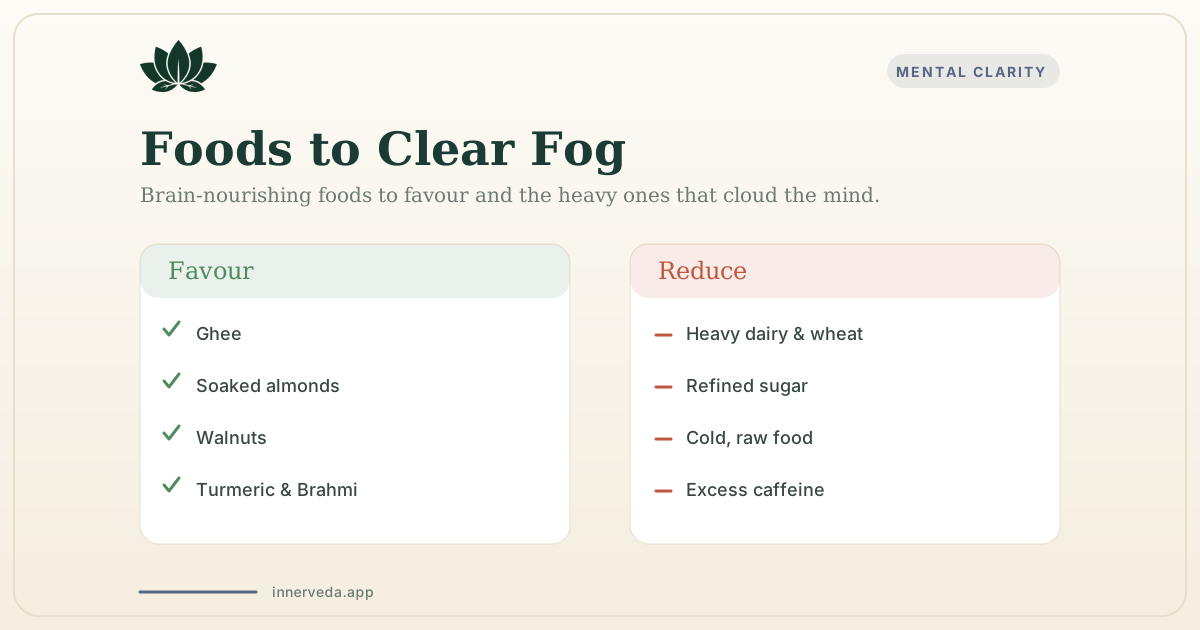
Ayurveda for Mental Clarity: Clear Brain Fog by Dosha
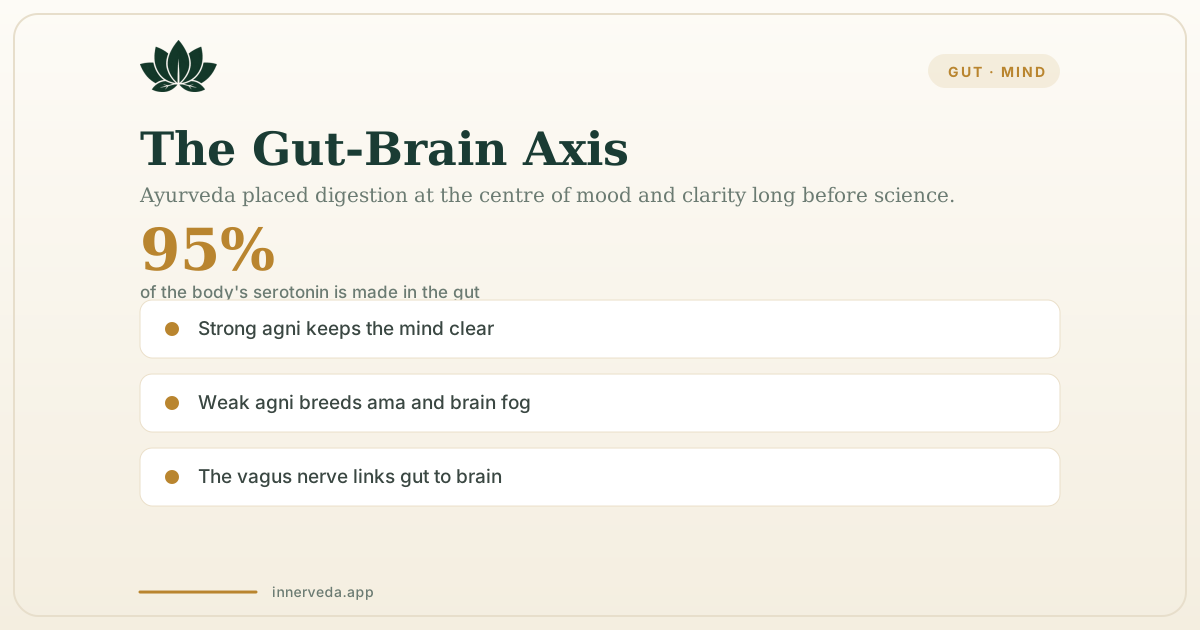
The Gut-Brain Connection in Ayurveda: What Science Confirms
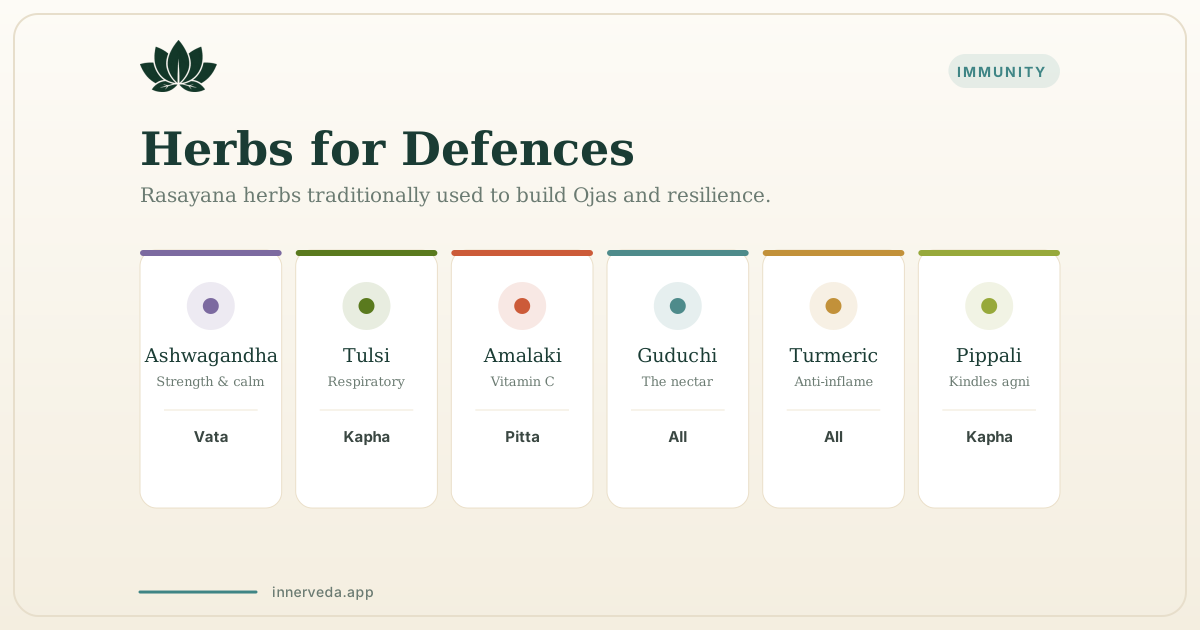
Ayurveda for Immunity: Strengthen Your Natural Defences
Ayurveda for Weight Management: A Dosha Approach
Put this into practice
Take the free dosha assessment. Get a personalised wellness plan with nutrition, meditation, and daily routines matched to your body.
Find Your Dosha — Free~3 min · no signup