Jal Jeera: Benefits & Dosha Effects
Sanskrit: Jala Jiraka (जल जीरक)
Jal Jeera is especially balancing for Vata, Pitta and Kapha. With sour, pungent and salty rasa (taste), cold virya (potency) and sweet vipaka, it is light and sharp in quality and a source of iron.

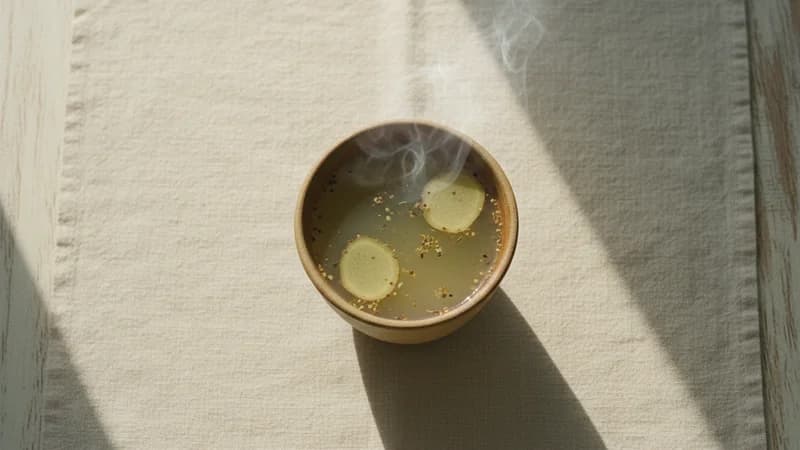
Jal Jeera is best suited to Vata, Pitta and Kapha, which it helps pacify. Pacifies Vata dosha, promoting groundedness and calm in the nervous system. Best enjoyed during summer.
Ayurvedic Profile
Jal Jeera (Jala Jiraka (जल जीरक)) is a hydrating beverages treasured in Ayurvedic nutrition. Referenced in Raja Nighantu, it is characterised by sour and pungent and salty rasa (taste), cooling virya (potency), and sweet vipaka (post-digestive effect). Jal Jeera is a classical Ayurvedic summer beverage combining cumin, mint, and tamarind that exemplifies the principle of Shadrasa (six-taste) therapy in liquid form. It is Tridosha-shamaka in summer, cooling Pitta while stimulating Agni and preventing Kapha stagnation from cold drinks. Its light and sharp gunas make it particularly suited for specific constitutional types. It pacifies Vata, pacifies Pitta, and pacifies Kapha. From a nutritional standpoint, jal jeera provides approximately 15 calories per 100g, with 0.3g protein, 3.2g carbohydrates, and is a valuable source of Iron, Vitamin C, Cumin Extract. Best enjoyed during summer, jal jeera supports healthy Agni (digestive fire) when prepared according to Ayurvedic principles, helping prevent Ama (toxin) accumulation and nourish the dhatus (body tissues).
Ayurvedic Properties
Rasa (Taste)
sour, pungent, salty
Virya (Potency)
cold
Vipaka (Post-digestive)
sweet
Guna (Qualities)
light, sharp
How Jal Jeera Affects Vata, Pitta & Kapha
Ayurveda reads every food through the three doshas. Here is how jal jeera’s qualities interact with each: Not sure which is yours? Take the free dosha quiz — about 4 minutes.
Jal Jeera helps pacify Vata. Its cold virya (potency) and light and sharp qualities, with its sour, pungent and salty rasa (taste), counterbalance Vata's tendencies — which is why it traditionally suits Vata dosha in regular use. Vata meal plan
Jal Jeera helps pacify Pitta. Its cold virya (potency) and light and sharp qualities, with its sour, pungent and salty rasa (taste), counterbalance Pitta's tendencies — which is why it traditionally suits Pitta dosha in regular use. Pitta meal plan
Jal Jeera helps pacify Kapha. Its cold virya (potency) and light and sharp qualities, with its sour, pungent and salty rasa (taste), counterbalance Kapha's tendencies — which is why it traditionally suits Kapha dosha in regular use. Kapha meal plan
Nutrition Facts (per 100g)
15kcal
Calories
0.3g
Protein
3.2g
Carbs
0.1g
Fat
0.2g
Fibre
Ayurvedic Benefits
- Pacifies Vata dosha, promoting groundedness and calm in the nervous system
- Cools and soothes Pitta dosha, reducing excess heat and inflammation
- Balances Kapha dosha, supporting healthy metabolism and reducing heaviness
- Stimulates digestive Agni and enhances nutrient absorption through its sour taste
- Kindles digestive fire (Agni) and helps clear excess Kapha through its pungent taste
- Promotes easy digestion and prevents heaviness in the stomach
How to Use
- As jal jeera is cooling (shita virya), favour it in warmer weather and pair it with warming spices like ginger or black pepper when the seasons turn cold.
- Jal Jeera is at its best during summer — eating it in season keeps its Prana (vital energy) and benefit at their peak.
- Sip jal jeera warm or at room temperature rather than iced for optimal Agni support
- Enjoy jal jeera between meals rather than during meals to avoid diluting digestive enzymes
- Prepare jal jeera fresh for each serving to maximise Prana and therapeutic compounds
- Add a touch of honey (after cooling below 40C) or jaggery to jal jeera if desired
- Consume jal jeera mindfully as part of your Dinacharya (daily routine) for consistent benefits
Contraindications
- During cold seasons or when Agni is weak, combine jal jeera with warming spices to counteract its cooling nature
- Always consult an Ayurvedic practitioner before using jal jeera therapeutically if you are pregnant, nursing, or on medication
“Ayurveda classifies Jal Jeera by its sour, pungent, salty rasa (taste), cold virya (thermal potency), and sweet vipaka (post-digestive effect). InnerVeda reads these three lenses together to map Jal Jeera to your dosha and season.”
Frequently Asked Questions
Jal jeera is particularly beneficial for Vata dosha due to its sour and pungent and salty rasa and cooling virya. However, Ayurveda teaches that any food can be made suitable through proper preparation, combination with complementary spices, and appropriate portion sizes.
According to Ayurvedic Ritucharya (seasonal regimen), jal jeera is best enjoyed during summer. For optimal digestion, consume it during lunch when Agni (digestive fire) is at its peak. Eating seasonally ensures you receive maximum Prana and nutritional benefit from your food.
Ayurveda recommends preparing jal jeera with complementary spices that balance its inherent qualities. Given its cooling virya and sour and pungent and salty taste, pair it with warming ingredients. Cooking with ghee enhances bioavailability and helps carry its therapeutic properties deeper into the tissues.
Your dosha is the balance of Vata, Pitta and Kapha you were born with. Take the dosha quiz — free, about 4 minutes.
Three questions towards your dosha
These are the first three questions of the full dosha quiz. Answer them here and carry on where you left off.
Prefer to start from the beginning? Take the full dosha quiz.
Dietary information provided is for educational purposes only and is rooted in Ayurvedic tradition. It is not a substitute for professional nutritional or medical advice. Consult a qualified healthcare provider before making significant changes to your diet, especially if you have food allergies, intolerances, or a medical condition.
Want a meal plan matched to your dosha?
Take the free dosha assessment (about 4 minutes) and get a personalised nutrition plan with nearly 300 foods in the app, rated for your body.
Find Your Dosha: FreeAbout 4 minutes