Millet (Bajra) (Bajra / Kshudra Dhanya): Benefits, Dosha Effects & How to Use in Ayurveda
Sanskrit: Bajra / Kshudra Dhanya
Millet (Bajra) is especially balancing for Kapha body types but can raise Vata when eaten in excess. With sweet and astringent rasa (taste), hot virya (potency) and pungent vipaka, it is light and dry in quality and a source of iron.

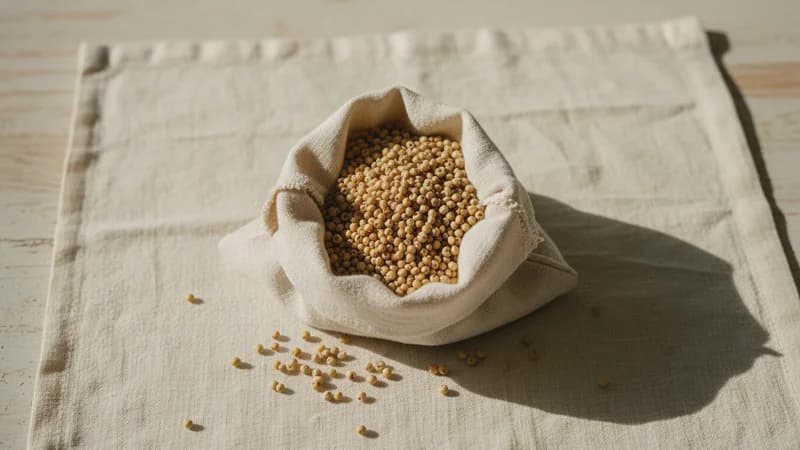
Millet (Bajra) is best suited to Kapha body types, which it helps pacify. In excess it can raise Vata. Lekhana (scraping) quality helps reduce excess Kapha and Meda Dhatu (fat tissue). Best enjoyed during winter.
Ayurvedic Profile
Millets, collectively known as Kshudra Dhanya (small grains) in Ayurvedic classification, represent an important category of grains that have been cultivated in India for thousands of years. Bajra (pearl millet) is among the most commonly consumed varieties and is classified in the Bhavaprakasha Nighantu under the Dhanya Varga. Classical texts describe millets as possessing Kashaya-Madhura (astringent-sweet) rasa, Ushna (hot) virya, and Katu (pungent) vipaka, with predominantly Laghu (light) and Ruksha (dry) gunas.
The Charaka Samhita mentions various Kshudra Dhanyas and generally classifies them as Lekhana (scraping), meaning they have a natural tendency to reduce excess Kapha and Meda Dhatu (fat tissue). This scraping quality, combined with their heating nature, makes millets particularly valuable for individuals dealing with Sthaulya (obesity) and Prameha (metabolic syndrome). The Sushruta Samhita recommends Lekhana foods as part of the therapeutic diet for Meda Roga (fat tissue disorders).
However, classical texts also note that millets are Vatala (Vata-increasing) when consumed in excess or without proper preparation. Their dry, light, and rough qualities can aggravate Vata dosha, particularly in thin, anxious, or elderly individuals. This is why traditional Indian cuisine pairs bajra roti (flatbread) with generous amounts of ghee, buttermilk, and warming preparations, an intuitive culinary practice that mitigates the drying effect through the opposing qualities of Snigdha (oily) and Guru (heavy) foods.
Pearl millet specifically excels in its iron content, making it therapeutically valuable for Pandu (anemia) conditions. The Charaka Samhita's treatment of Pandu includes dietary recommendations that favor iron-rich foods, a principle that modern nutrition validates. Bajra's high magnesium content also supports Majja Dhatu (nervous tissue) health and promotes sound sleep.
In the modern Ayurvedic context, millets have experienced a well-deserved revival. The Indian government's promotion of 2023 as the International Year of Millets highlighted what Ayurvedic practitioners have long known: that these ancient grains offer nutritional density, environmental sustainability, and therapeutic value that modern processed grains cannot match.
Ayurvedic Properties
Rasa (Taste)
sweet, astringent
Virya (Potency)
hot
Vipaka (Post-digestive)
pungent
Guna (Qualities)
light, dry
How Millet (Bajra) Affects Vata, Pitta & Kapha
Ayurveda reads every food through the three doshas — your Ayurvedic body types. Here is how millet (bajra)’s qualities interact with each:
Millet (Bajra) is well tolerated by Vata body types in normal amounts, but its hot virya and light and dry qualities may aggravate Vata in excess — so Vata types are best keeping to measured portions.
Millet (Bajra) has a broadly neutral effect on Pitta. Its sweet and astringent rasa and light and dry qualities neither strongly aggravate nor pacify Pitta, so Pitta body types can enjoy it in moderation within a varied diet.
Millet (Bajra) helps pacify Kapha. Its hot virya (potency) and light and dry qualities, with its sweet and astringent rasa (taste), counterbalance Kapha's tendencies — which is why it traditionally suits Kapha body types in regular use.
Nutrition Facts (per 100g)
378kcal
Calories
11g
Protein
72.9g
Carbs
4.2g
Fat
8.5g
Fiber
Ayurvedic Benefits
- Lekhana (scraping) quality helps reduce excess Kapha and Meda Dhatu (fat tissue)
- Excellent iron content supports Rakta Dhatu and addresses Pandu (anemia)
- Light and dry qualities make it ideal for Kapha-dominant weight management diets
- Gluten-free grain option suitable for those with wheat sensitivity
- Rich in magnesium supporting Majja Dhatu (nervous tissue) health and sleep
- Environmentally sustainable crop requiring less water than rice or wheat
How to Use
- As millet (bajra) is heating (ushna virya), balance it with cooling accompaniments such as coriander, fennel or a little ghee — especially through the warmer months.
- Millet (Bajra) is at its best during winter — eating it in season keeps its Prana (vital energy) and benefit at their peak.
- Prepare bajra roti (flatbread) and serve with generous ghee and a vegetable curry
- Cook as porridge (khichdi) with moong dal and warming spices for balanced nutrition
- Roast millet flour lightly before making rotis to enhance digestibility and flavor
- Make bajra khichdi with ghee, cumin, and vegetables for a Kapha-balancing meal
- Use as a rice substitute in grain bowls, especially for weight management goals
Contraindications
- Can aggravate Vata when consumed in excess or without adequate ghee and oil
- Not ideal as the sole grain for thin, dry, or anxious Vata-dominant individuals
- May cause dryness and constipation if eaten without sufficient Snigdha (oily) accompaniments
“Ayurveda classifies Millet (Bajra) by its sweet, astringent rasa (taste), hot virya (thermal potency), and pungent vipaka (post-digestive effect). InnerVeda reads these three lenses together to map Millet (Bajra) to your body type and season.”
Frequently Asked Questions
Kapha-dominant individuals with strong Agni can eat millet daily, rotating with other grains for variety. Vata types should limit millet to 2-3 times per week and always prepare it with ghee and warming spices. Pitta types can enjoy it regularly with appropriate cooling accompaniments.
Neither is universally better. Millet is lighter and more suitable for Kapha types and weight management. Rice (especially basmati) is more nourishing and better for Vata types. Ayurveda recommends choosing grains based on your individual constitution and current health needs.
Millets are Ruksha (dry) and Laghu (light), which can aggravate Vata over time. Ghee provides the opposing qualities of Snigdha (oily) and Guru (heavy), creating balance. This traditional pairing is a perfect example of Ayurvedic Samyoga (food combining) wisdom.
Dietary information provided is for educational purposes only and is rooted in Ayurvedic tradition. It is not a substitute for professional nutritional or medical advice. Consult a qualified healthcare provider before making significant changes to your diet, especially if you have food allergies, intolerances, or a medical condition.
Want a meal plan matched to your body type?
Take the free 3-minute body type assessment and get a personalised nutrition plan with 300+ foods rated for your body.
Find Your Body Type — Free~3 min · no signup