Barley: Benefits & Dosha Effects
Sanskrit: Yava (यव)
Barley is especially balancing for Pitta and Kapha but can raise Vata when eaten in excess. With sweet and astringent rasa (taste), cold virya (potency) and pungent vipaka, it is light, dry and rough in quality and a source of selenium.

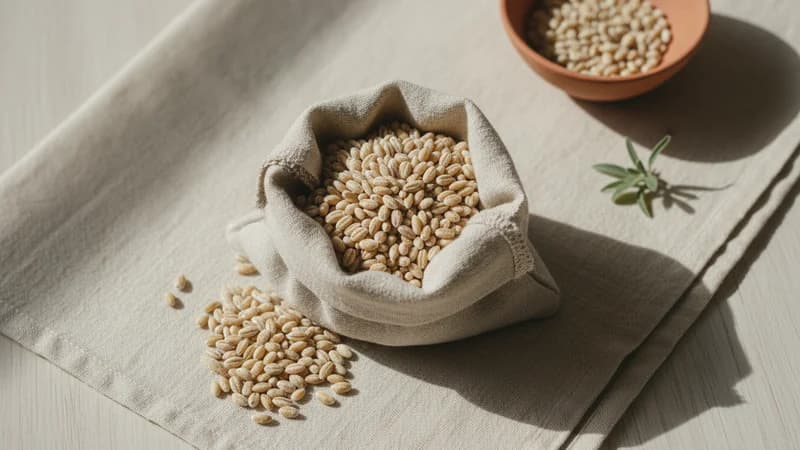
Barley is best suited to Pitta and Kapha, which it helps pacify. In excess it can raise Vata. Declared Agrya by Charaka for Lekhana (fat-scraping) among all grains. Best enjoyed during spring.
Ayurvedic Profile
Barley, known as Yava in Sanskrit, is one of the oldest and most highly regarded grains in Ayurvedic medicine. The Charaka Samhita declares Yava as Agrya (best) among grains for its Lekhana (fat-scraping) properties, placing it in an exalted position for the management of Kapha-related disorders. The extensive chapter on Yava in the Bhavaprakasha Nighantu testifies to the depth of ancient knowledge about this grain, describing its varieties, properties, and therapeutic applications with remarkable precision.
Yava possesses Madhura-Kashaya (sweet-astringent) rasa, Sheeta (cold) virya, and Katu (pungent) vipaka. Its gunas are Laghu (light), Ruksha (dry), and Khara (rough). This unique combination of cold potency with light and dry qualities makes it the premier grain for Kapha and Pitta pacification, while its rough and dry nature can provoke Vata if used excessively without balancing accompaniments.
The Charaka Samhita extensively recommends Yava in the context of Sthaulya Chikitsa (obesity treatment) and Prameha Chikitsa (diabetes management). It describes Yava Saktu (roasted barley flour), Yava Mantha (barley gruel), and Yava Anna (cooked barley) as therapeutic food preparations for these conditions. The Ashtanga Hridaya classifies Yava as Medohara (fat-reducing), Kaphahara (Kapha-reducing), and Mutrala (diuretic), creating a comprehensive metabolic support profile.
Barley water, known as Yavagu or Mantha in classical texts, is one of the most frequently prescribed dietary preparations in Ayurvedic Pathya (therapeutic dietetics). During Panchakarma, barley gruel serves as the primary food during the Samsarjana Krama (graduated diet) phase, demonstrating its gentle yet nourishing qualities that support recovery while preventing Kapha accumulation.
The Sushruta Samhita includes Yava in the dietary management of Shvitra (vitiligo) and various skin conditions, attributing to it a purifying action on Bhrajaka Pitta (the Pitta sub-type governing skin). Barley's cooling nature combined with its Lekhana quality creates a unique therapeutic action that simultaneously reduces heat and clears accumulated waste from the channels, making it exceptionally versatile in clinical practice.
Ayurvedic Properties
Rasa (Taste)
sweet, astringent
Virya (Potency)
cold
Vipaka (Post-digestive)
pungent
Guna (Qualities)
light, dry, rough
How Barley Affects Vata, Pitta & Kapha
Ayurveda reads every food through the three doshas. Here is how barley’s qualities interact with each: Not sure which is yours? Take the free dosha quiz — about 4 minutes.
Barley is well tolerated by those with Vata dosha in normal amounts, but its cold virya and light, dry and rough qualities may aggravate Vata in excess — so people with Vata as their leading dosha are best keeping to measured portions. Vata meal plan
Barley helps pacify Pitta. Its cold virya (potency) and light, dry and rough qualities, with its sweet and astringent rasa (taste), counterbalance Pitta's tendencies — which is why it traditionally suits Pitta dosha in regular use. Pitta meal plan
Barley helps pacify Kapha. Its cold virya (potency) and light, dry and rough qualities, with its sweet and astringent rasa (taste), counterbalance Kapha's tendencies — which is why it traditionally suits Kapha dosha in regular use. Kapha meal plan
Nutrition Facts (per 100g)
354kcal
Calories
12.5g
Protein
73.5g
Carbs
2.3g
Fat
17.3g
Fibre
Ayurvedic Benefits
- Declared Agrya by Charaka for Lekhana (fat-scraping) among all grains
- Premier grain for Kapha reduction and metabolic balance
- Classical food for Prameha (diabetes) management due to its low glycemic impact
- Mutrala (diuretic) property supports healthy urinary function and kidney health
- Cooling and light, making it ideal for Pitta and Kapha types
- Central to Panchakarma dietary protocols for post-treatment recovery
How to Use
- As barley is cooling (shita virya), favour it in warmer weather and pair it with warming spices like ginger or black pepper when the seasons turn cold.
- Barley is at its best during spring — eating it in season keeps its Prana (vital energy) and benefit at their peak.
- Cook as a pilaf with vegetables and ghee for a light, nourishing lunch
- Prepare barley water by simmering 1 tbsp barley in 4 cups water for urinary and metabolic support
- Make Yava Saktu (roasted barley flour) mixed with water and honey as a traditional energy drink
- Add to soups and stews for hearty fibre and sustained energy
- Use as a rice replacement for Kapha types seeking lighter grain options
Contraindications
- Can aggravate Vata in excess due to its dry, light, and rough qualities
- Not suitable as a primary grain for very thin or depleted individuals
- Contains gluten; not appropriate for those with celiac disease or gluten sensitivity
“Ayurveda classifies Barley by its sweet, astringent rasa (taste), cold virya (thermal potency), and pungent vipaka (post-digestive effect). InnerVeda reads these three lenses together to map Barley to your dosha and season.”
Frequently Asked Questions
Yes, barley is one of the most recommended grains in Ayurvedic Prameha (diabetes) management. Its low glycemic index, high fibre content, and Lekhana (scraping) properties help manage blood sugar and reduce fat tissue. Charaka Samhita specifically recommends it for this purpose.
Vata types can enjoy barley occasionally but should not make it their primary grain. Its dry, light, and rough qualities can aggravate Vata over time. When eating barley, Vata types should add generous ghee, cook it well, and pair with warming, oily foods.
Barley water (Yavagu) is a classical Ayurvedic preparation for urinary health, kidney support, cooling excess Pitta, and gentle detoxification. It is also used in Panchakarma recovery diets. Simmer one tablespoon of barley in four cups of water, strain, and drink warm.
Your dosha is the balance of Vata, Pitta and Kapha you were born with. Take the dosha quiz — free, about 4 minutes.
Three questions towards your dosha
These are the first three questions of the full dosha quiz. Answer them here and carry on where you left off.
Prefer to start from the beginning? Take the full dosha quiz.
Dietary information provided is for educational purposes only and is rooted in Ayurvedic tradition. It is not a substitute for professional nutritional or medical advice. Consult a qualified healthcare provider before making significant changes to your diet, especially if you have food allergies, intolerances, or a medical condition.
Want a meal plan matched to your dosha?
Take the free dosha assessment (about 4 minutes) and get a personalised nutrition plan with nearly 300 foods in the app, rated for your body.
Find Your Dosha: FreeAbout 4 minutes