Basmati Rice: Benefits & Dosha Effects
Sanskrit: Shali (शालि)
Basmati Rice is especially balancing for Vata and Pitta but can raise Kapha when eaten in excess. With sweet rasa (taste), cold virya (potency) and sweet vipaka, it is light, smooth and oily in quality and a source of manganese.

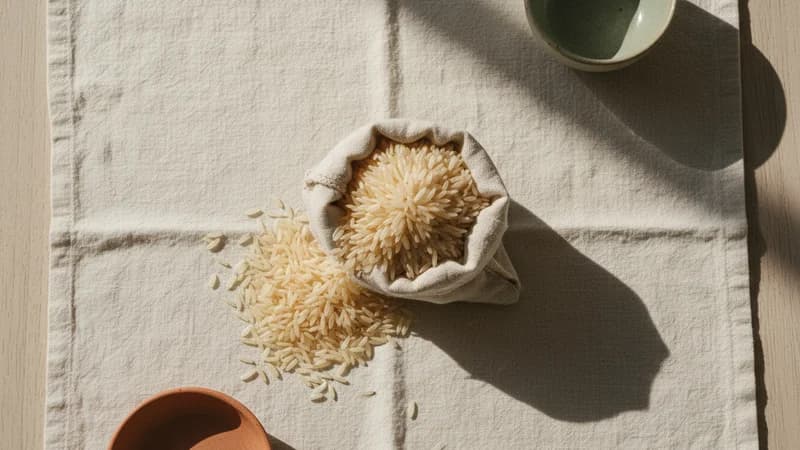
Basmati Rice is best suited to Vata and Pitta, which it helps pacify. In excess it can raise Kapha. With its sweet rasa and cooling virya, basmati is one of the easiest grains for Agni to break down, making it a classic base for a light, fortifying meal when digestion is delicate or recovering.. Suitable year-round.
Ayurvedic Profile
Basmati rice, known as Shali in classical Ayurvedic texts, is considered the king of all rices and occupies a uniquely elevated position in the Ayurvedic dietary system. The Charaka Samhita, in its Annapana Vidhi chapter, places Shali at the very top of the Shuka Dhanya Varga (husked grain category) and declares it Agrya (best) among all grains for daily consumption. Unlike other rice varieties, aged basmati (Purana Shali, rice aged at least one year) is specifically praised as lighter and more digestible.
According to the Bhavaprakasha Nighantu, Shali possesses Madhura (sweet) rasa, Sheeta (cold) virya, and Madhura (sweet) vipaka. Its gunas are Laghu (light), Snigdha (oily/unctuous), and Mridu (soft), a combination that makes it nourishing without being heavy. This is why it is the preferred grain for convalescence and therapeutic diets, especially in the classical Peya and Vilepi preparations (thin and thick rice gruel) used during Panchakarma.
The Ashtanga Hridaya describes Shali as Tridoshashamaka (pacifying all three doshas when properly prepared), Balya (strength-giving), Vrishya (virility-promoting), and Chakshushya (vision-supporting). However, it cautions that freshly harvested rice (Nava Shali) is heavier and more Kapha-promoting, while aged rice (Purana Shali) is lighter and superior for therapeutic purposes. This distinction between new and aged rice is a sophisticated nutritional observation unique to Ayurveda.
In the hierarchy of Ayurvedic foods, basmati rice with ghee and a pinch of rock salt represents the quintessential Sattvic meal, one that is pure, nourishing, easy to digest, and promotes mental clarity. The classical text Bhojana Kutuhalam extensively discusses rice preparation methods, noting that rice cooked in excess water and drained (Tandulodaka method) is lighter than rice cooked by the absorption method.
The therapeutic application of rice extends to Pathya (dietary therapy) in virtually every disease condition described in classical texts. Khichdi, the combination of rice and moong dal, is considered the ultimate healing food in Ayurveda, equivalent in concept to chicken soup in Western tradition but with far more therapeutic depth. This combination provides complete protein while remaining easy to digest.
Ayurvedic Properties
Rasa (Taste)
sweet
Virya (Potency)
cold
Vipaka (Post-digestive)
sweet
Guna (Qualities)
light, smooth, oily
How Basmati Rice Affects Vata, Pitta & Kapha
Ayurveda reads every food through the three doshas. Here is how basmati rice’s qualities interact with each: Not sure which is yours? Take the free dosha quiz — about 4 minutes.
Basmati Rice helps pacify Vata. Its cold virya (potency) and light, smooth and oily qualities, with its sweet rasa (taste), counterbalance Vata's tendencies — which is why it traditionally suits Vata dosha in regular use. Vata meal plan
Basmati Rice helps pacify Pitta. Its cold virya (potency) and light, smooth and oily qualities, with its sweet rasa (taste), counterbalance Pitta's tendencies — which is why it traditionally suits Pitta dosha in regular use. Pitta meal plan
Basmati Rice is well tolerated by those with Kapha dosha in normal amounts, but its cold virya and light, smooth and oily qualities may aggravate Kapha in excess — so people with Kapha as their leading dosha are best keeping to measured portions. Kapha meal plan
Nutrition Facts (per 100g)
349kcal
Calories
7.1g
Protein
78.2g
Carbs
0.6g
Fat
1.3g
Fibre
Ayurvedic Benefits
- With its sweet rasa and cooling virya, basmati is one of the easiest grains for Agni to break down, making it a classic base for a light, fortifying meal when digestion is delicate or recovering.
- Its light and smooth guna means it settles the stomach without heaviness, so it is traditionally chosen for convalescent and monsoon-season cooking when you want nourishment that does not clog the channels.
- The cooling energy and sweet vipaka make basmati calming for aggravated Pitta, gently supporting a settled feeling after spicy, sour or fermented foods.
- As a grounding, sweet, unctuous grain it may help pacify Vata, offering steadiness and a comfortable sense of fullness during dry, windy weather or an erratic routine.
- Manganese, selenium and thiamine (B1) in the grain support everyday energy metabolism and antioxidant defences, complementing its traditional role as a strength-building staple.
How to Use
- As basmati rice is cooling (shita virya), favour it in warmer weather and pair it with warming spices like ginger or black pepper when the seasons turn cold.
- Rinse two or three times and soak for 20 to 30 minutes before cooking; this softens the long grains, shortens cooking time and keeps Agni from having to work harder than needed.
- Cook it soft, not al dente, and serve warm with a teaspoon of ghee stirred through, which adds the oily quality that carries nourishment into the dhatus and eases dryness for Vata.
- Pair with warming spices such as cumin, black pepper or a little ginger to offset the grain's cold virya and lighten any tendency to increase Kapha.
- For gentle days or a light supper, simmer basmati with split mung dal and cumin into a soft kitchari, a preparation traditionally used to rest the digestion.
- Keep portions moderate and favour it at the midday meal when Agni is strongest, rather than late at night when its cooling, building nature sits more heavily.
Contraindications
- Those with sluggish digestion, water retention or a Kapha tendency, or anyone watching their weight, are best keeping basmati limited, since its sweet, building nature can increase Kapha; eat it warm, spiced and in smaller portions.
- People managing blood sugar should be mindful, as white basmati is a refined, quickly digested grain; brown basmati, smaller portions and pairing with dal, vegetables and ghee slow the response. Follow your own clinician's dietary advice.
- If you have been advised a low-arsenic diet, rinse thoroughly and cook in plenty of water then drain, as rice can accumulate arsenic from soil and water.
“Ayurveda classifies Basmati Rice by its sweet rasa (taste), cold virya (thermal potency), and sweet vipaka (post-digestive effect). InnerVeda reads these three lenses together to map Basmati Rice to your dosha and season.”
Frequently Asked Questions
Yes. Basmati carries a sweet rasa, cold virya and sweet vipaka, so it is a gentle, settling choice for aggravated Pitta and a sensible base after spicy or sour meals. Serve it warm and unspiced-to-mild to keep it comfortable.
White basmati is lighter and easier on a delicate Agni, which is why it features in kitchari and convalescent cooking. Brown basmati keeps more bran, manganese and fibre and digests more slowly, so it suits stronger digestion and steadier blood sugar. Choose by the state of your Agni.
Soaking softens the grain so Agni has less work to do, and a little ghee adds the oily, smooth quality that carries nourishment into the tissues, eases dryness for Vata and helps the meal feel satisfying rather than merely filling.
Your dosha is the balance of Vata, Pitta and Kapha you were born with. Take the dosha quiz — free, about 4 minutes.
Three questions towards your dosha
These are the first three questions of the full dosha quiz. Answer them here and carry on where you left off.
Prefer to start from the beginning? Take the full dosha quiz.
Dietary information provided is for educational purposes only and is rooted in Ayurvedic tradition. It is not a substitute for professional nutritional or medical advice. Consult a qualified healthcare provider before making significant changes to your diet, especially if you have food allergies, intolerances, or a medical condition.
Want a meal plan matched to your dosha?
Take the free dosha assessment (about 4 minutes) and get a personalised nutrition plan with nearly 300 foods in the app, rated for your body.
Find Your Dosha: FreeAbout 4 minutes