Teff: Benefits & Dosha Effects
Sanskrit: Teff (टेफ)
Teff is especially balancing for Pitta and Kapha. With sweet and astringent rasa (taste), cold virya (potency) and sweet vipaka, it is light and dry in quality and a source of iron.

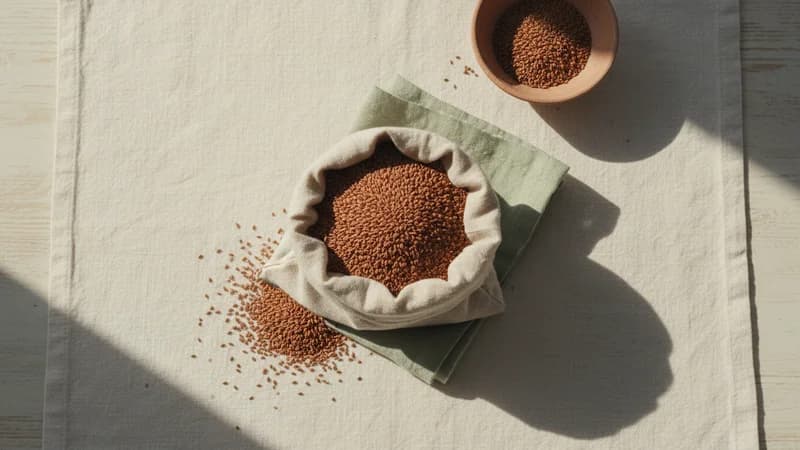
Teff is best suited to Pitta and Kapha, which it helps pacify. Teff is the tiniest of the cereal grains, yet it is remarkably rich in iron and calcium, which in Ayurveda supports the building of Rakta and Asthi dhatu (blood and bone).. Suitable year-round.
Ayurvedic Profile
Teff (Teff (टेफ)) is a sustaining grains treasured in Ayurvedic nutrition. Referenced in Dhanvantari Nighantu, it is characterised by sweet and astringent rasa (taste), cooling virya (potency), and sweet vipaka (post-digestive effect). Teff is an Ethiopian grain embraced in global Ayurvedic practice for its exceptional iron and calcium profile, rivaling Ragi. Its tiny grain size ensures rapid cooking and easy digestion, making it suitable for those building Rakta and Asthi dhatus without burdening Agni. Its light and dry gunas make it particularly suited for specific constitutional types. It has a neutral effect on Vata, pacifies Pitta, and pacifies Kapha. From a nutritional standpoint, teff provides approximately 367 calories per 100g, with 13.3g protein, 73.1g carbohydrates, and is a valuable source of Iron, Calcium, Manganese. Best enjoyed during all-seasons, teff supports healthy Agni (digestive fire) when prepared according to Ayurvedic principles, helping prevent Ama (toxin) accumulation and nourish the dhatus (body tissues).
Ayurvedic Properties
Rasa (Taste)
sweet, astringent
Virya (Potency)
cold
Vipaka (Post-digestive)
sweet
Guna (Qualities)
light, dry
How Teff Affects Vata, Pitta & Kapha
Ayurveda reads every food through the three doshas. Here is how teff’s qualities interact with each: Not sure which is yours? Take the free dosha quiz — about 4 minutes.
Teff has a broadly neutral effect on Vata. Its sweet and astringent rasa and light and dry qualities neither strongly aggravate nor pacify Vata, so those with Vata dosha can enjoy it in moderation within a varied diet. Vata meal plan
Teff helps pacify Pitta. Its cold virya (potency) and light and dry qualities, with its sweet and astringent rasa (taste), counterbalance Pitta's tendencies — which is why it traditionally suits Pitta dosha in regular use. Pitta meal plan
Teff helps pacify Kapha. Its cold virya (potency) and light and dry qualities, with its sweet and astringent rasa (taste), counterbalance Kapha's tendencies — which is why it traditionally suits Kapha dosha in regular use. Kapha meal plan
Nutrition Facts (per 100g)
367kcal
Calories
13.3g
Protein
73.1g
Carbs
2.4g
Fat
8g
Fibre
Ayurvedic Benefits
- Teff is the tiniest of the cereal grains, yet it is remarkably rich in iron and calcium, which in Ayurveda supports the building of Rakta and Asthi dhatu (blood and bone).
- Its sweet-astringent rasa with a cooling virya makes it a naturally Pitta-calming grain, offering a grounding depth of flavour without heating the body.
- The light, dry (laghu-ruksha) quality keeps it easy to digest, while its resistant starch and fibre feed the gut and support a steady, comfortable appetite.
- Teff carries useful manganese, which supports the body's enzyme and bone metabolism, complementing its role as a mineral-dense everyday grain.
- Because the whole grain is milled intact (it is too small to refine), teff delivers its bran and germ in full and is naturally gluten-free, giving wheat-sensitive people a genuinely wholegrain option.
How to Use
- As teff is cooling (shita virya), favour it in warmer weather and pair it with warming spices like ginger or black pepper when the seasons turn cold.
- Ferment teff flour with water for a few days and cook it into injera, the spongy Ethiopian sourdough flatbread, whose souring makes the grain's minerals more available.
- Simmer the whole grain in three parts water into a soft breakfast porridge, sweetened with a little jaggery or dates and warmed with cardamom.
- Cook the tiny grains until they turn glossy and gelatinous, then stir into stews or bakes as a natural thickener.
- Blend teff flour into pancakes, muffins or flatbreads (up to a quarter of the flour) for a nutty, mineral-rich lift without gluten.
- Toast the flour gently before baking to deepen its malty, chocolatey note and make the starch kinder on tender digestions.
Contraindications
- Its dry, light quality can unsettle a Vata constitution if eaten plain, so cook teff soft with ghee, milk or a fermented preparation such as injera.
- As a very iron-rich grain, those with iron-overload conditions such as haemochromatosis should moderate intake and follow their doctor's guidance.
- Being high in fibre and dense, large amounts introduced suddenly can feel heavy or drying, so build up gradually and keep well hydrated.
“Ayurveda classifies Teff by its sweet, astringent rasa (taste), cold virya (thermal potency), and sweet vipaka (post-digestive effect). InnerVeda reads these three lenses together to map Teff to your dosha and season.”
Frequently Asked Questions
Teff is an ancient grain native to Ethiopia and Eritrea, where it has been cultivated for thousands of years as the staple behind injera bread. It is the smallest cereal grain in the world, so tiny it is always eaten wholegrain, which is part of why it is so rich in minerals and fibre.
Yes, teff is naturally gluten-free, which makes injera and teff porridge suitable for those avoiding gluten. It behaves differently from wheat in baking, so it is usually blended with other gluten-free flours or fermented into injera, where its own character shines.
Teff is one of the more iron-rich grains, and much of that comes from being eaten as the whole grain, bran and all. Fermenting it into injera further improves how well the body can absorb that iron. In Ayurvedic terms this supports Rakta dhatu; it aids a nourishing diet rather than treating any deficiency, which should be checked with your doctor.
Your dosha is the balance of Vata, Pitta and Kapha you were born with. Take the dosha quiz — free, about 4 minutes.
Three questions towards your dosha
These are the first three questions of the full dosha quiz. Answer them here and carry on where you left off.
Prefer to start from the beginning? Take the full dosha quiz.
Dietary information provided is for educational purposes only and is rooted in Ayurvedic tradition. It is not a substitute for professional nutritional or medical advice. Consult a qualified healthcare provider before making significant changes to your diet, especially if you have food allergies, intolerances, or a medical condition.
Want a meal plan matched to your dosha?
Take the free dosha assessment (about 4 minutes) and get a personalised nutrition plan with nearly 300 foods in the app, rated for your body.
Find Your Dosha: FreeAbout 4 minutes