Watermelon Seeds: Benefits & Dosha Effects
Sanskrit: Kalinda Bija (कालिन्द बीज)
Watermelon Seeds is especially balancing for Vata and Pitta. With sweet rasa (taste), cold virya (potency) and sweet vipaka, it is light and oily in quality and a source of magnesium.

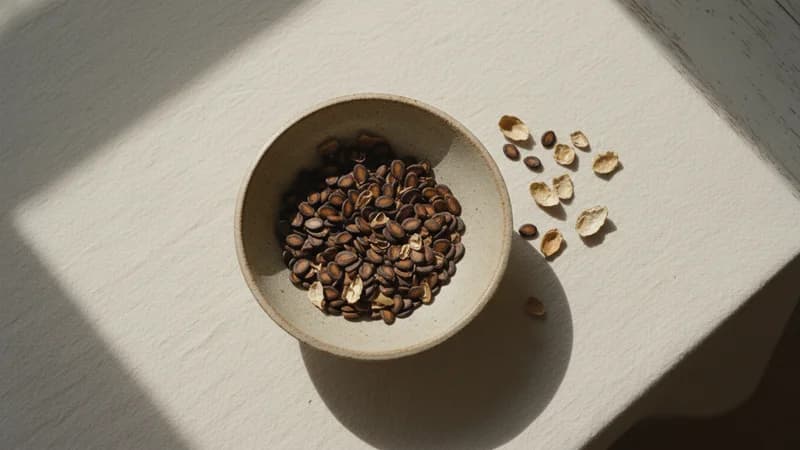
Watermelon Seeds is best suited to Vata and Pitta, which it helps pacify. The hulled kernel, known in Indian kitchens as magaz, is notably rich in magnesium, a mineral traditionally linked to relaxed muscles and a calm, well-settled Vata mind.. Best enjoyed during summer.
Ayurvedic Profile
Watermelon Seeds (Kalinda Bija (कालिन्द बीज)) is a strengthening nuts seeds treasured in Ayurvedic nutrition. Referenced in Charaka Samhita, it is characterised by sweet rasa (taste), cooling virya (potency), and sweet vipaka (post-digestive effect). Watermelon seeds are classified with their parent fruit's Sheeta virya, making them unique among seeds for their cooling properties. Rich in magnesium and zinc, they nourish Asthi and Shukra dhatus while their Laghu quality prevents the heaviness associated with most nuts and seeds. Its light and oily gunas make it particularly suited for specific constitutional types. It pacifies Vata, pacifies Pitta, and has a neutral effect on Kapha. From a nutritional standpoint, watermelon seeds provides approximately 557 calories per 100g, with 28.3g protein, 15.3g carbohydrates, and is a valuable source of Magnesium, Iron, Zinc. Best enjoyed during summer, watermelon seeds supports healthy Agni (digestive fire) when prepared according to Ayurvedic principles, helping prevent Ama (toxin) accumulation and nourish the dhatus (body tissues).
Ayurvedic Properties
Rasa (Taste)
sweet
Virya (Potency)
cold
Vipaka (Post-digestive)
sweet
Guna (Qualities)
light, oily
How Watermelon Seeds Affects Vata, Pitta & Kapha
Ayurveda reads every food through the three doshas. Here is how watermelon seeds’s qualities interact with each: Not sure which is yours? Take the free dosha quiz — about 4 minutes.
Watermelon Seeds helps pacify Vata. Its cold virya (potency) and light and oily qualities, with its sweet rasa (taste), counterbalance Vata's tendencies — which is why it traditionally suits Vata dosha in regular use. Vata meal plan
Watermelon Seeds helps pacify Pitta. Its cold virya (potency) and light and oily qualities, with its sweet rasa (taste), counterbalance Pitta's tendencies — which is why it traditionally suits Pitta dosha in regular use. Pitta meal plan
Watermelon Seeds has a broadly neutral effect on Kapha. Its sweet rasa and light and oily qualities neither strongly aggravate nor pacify Kapha, so those with Kapha dosha can enjoy it in moderation within a varied diet. Kapha meal plan
Nutrition Facts (per 100g)
557kcal
Calories
28.3g
Protein
15.3g
Carbs
47.4g
Fat
0g
Fibre
Ayurvedic Benefits
- The hulled kernel, known in Indian kitchens as magaz, is notably rich in magnesium, a mineral traditionally linked to relaxed muscles and a calm, well-settled Vata mind.
- Its sweet rasa and cooling virya make it a fitting summer seed, and it may help soothe the heat and irritability of an aggravated Pitta during the hottest months.
- A useful plant source of iron and zinc, the kernel supports the building of Rakta (blood) and Shukra dhatus, quietly nourishing tissue depth through its sweet vipaka.
- The light-yet-oily guna lends unctuousness to dry tissues without kindling heat, so it lubricates and grounds a Vata constitution while staying gentle on Agni.
- As the reclaimed heart of a summer fruit, the roasted seed turns what is usually discarded into a mineral-dense, Ojas-friendly snack that cools rather than burdens.
How to Use
- As watermelon seeds is cooling (shita virya), favour it in warmer weather and pair it with warming spices like ginger or black pepper when the seasons turn cold.
- Watermelon Seeds is at its best during summer — eating it in season keeps its Prana (vital energy) and benefit at their peak.
- Dry, then roast the whole seeds until they crackle and split, and eat the soft inner kernel; the hard hull is best cracked away rather than swallowed whole.
- Grind soaked magaz kernels into a paste to thicken North Indian kormas, kheer and cooling summer gravies, where they add body and a mild nutty sweetness.
- Sprinkle roasted kernels over chaat, raita or a summer fruit bowl for a magnesium-rich crunch that suits the season's heat.
- Fold the kernels into a jaggery or date chikki (seed brittle) for a traditional, iron-bearing sweet that carries their sweet rasa well.
- Steep a spoon of kernels in water and blend into a light, cooling summer seed-milk drink to enjoy their cooling virya on a hot afternoon.
Contraindications
- Keep to a modest handful if you have sluggish Kapha or are watching your weight, since the kernels are calorie-dense (around 557 kcal per 100g) and the oily quality can feel heavy in quantity.
- Their cooling nature best suits summer; in cold weather or with weak Agni, roast them and add a pinch of cumin or ginger so they do not dampen digestion.
- Always eat the shelled kernel rather than swallowing whole hard-shelled seeds, and those who are pregnant, nursing or on medication should consult a practitioner before using them therapeutically.
“Ayurveda classifies Watermelon Seeds by its sweet rasa (taste), cold virya (thermal potency), and sweet vipaka (post-digestive effect). InnerVeda reads these three lenses together to map Watermelon Seeds to your dosha and season.”
Frequently Asked Questions
Yes, the mature seeds are perfectly edible once dried and roasted. You eat the soft inner kernel, called magaz, not the hard outer hull, which is best cracked away. They are a traditional South Asian snack and cooking ingredient, not something to fear if you swallow one from a slice of melon.
Magaz are the dried, hulled kernels of melon-family seeds, and watermelon-seed magaz is one of the most common. They are ground into a paste to thicken rich North Indian gravies and kheer, folded into jaggery chikki, or roasted whole as a mineral-rich garnish for chaat and raita.
For a hot, Pitta-heavy season, yes. Their sweet taste and cooling virya make them a naturally summer-suited seed, unlike heating almonds or sesame. Roasting them and adding a little cumin keeps them digestible, while their magnesium, iron and zinc make them a worthwhile way to use the seeds a summer melon leaves behind.
Your dosha is the balance of Vata, Pitta and Kapha you were born with. Take the dosha quiz — free, about 4 minutes.
Three questions towards your dosha
These are the first three questions of the full dosha quiz. Answer them here and carry on where you left off.
Prefer to start from the beginning? Take the full dosha quiz.
Dietary information provided is for educational purposes only and is rooted in Ayurvedic tradition. It is not a substitute for professional nutritional or medical advice. Consult a qualified healthcare provider before making significant changes to your diet, especially if you have food allergies, intolerances, or a medical condition.
Want a meal plan matched to your dosha?
Take the free dosha assessment (about 4 minutes) and get a personalised nutrition plan with nearly 300 foods in the app, rated for your body.
Find Your Dosha: FreeAbout 4 minutes