Asafoetida (Hing): Benefits & Dosha Effects
Sanskrit: Hingu (हिङ्गु)
Asafoetida (Hing) is especially balancing for Vata and Kapha and tends to aggravate Pitta. With pungent rasa (taste), hot virya (potency) and pungent vipaka, it is light, oily and sharp in quality and a source of iron.

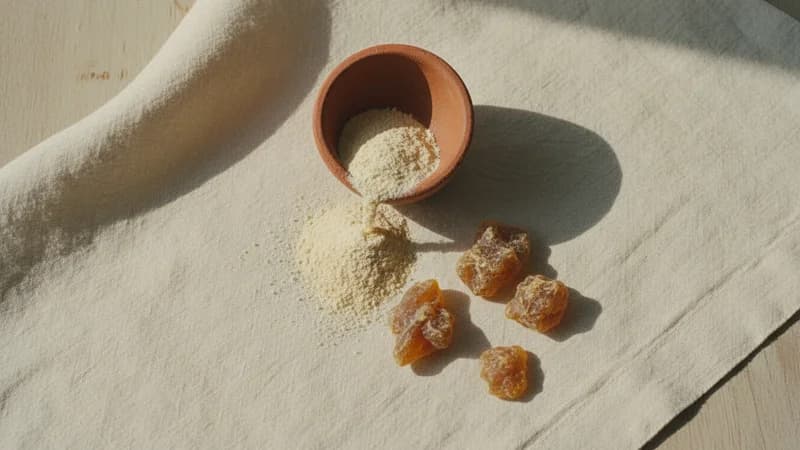
Asafoetida (Hing) is best suited to Vata and Kapha, which it helps pacify. It can aggravate Pitta, so people with Pitta as their leading dosha should use it sparingly. Its light, oily and sharp qualities make it one of Ayurveda's foremost Vatanulomana spices, traditionally used to move trapped wind downward and ease bloating and gripey abdominal discomfort.. Best enjoyed during winter.
Ayurvedic Profile
Asafoetida (Hing) (Hingu (हिङ्गु)) is a therapeutic spices treasured in Ayurvedic nutrition. Referenced in Bhavaprakasha Nighantu, it is characterised by pungent rasa (taste), heating virya (potency), and pungent vipaka (post-digestive effect). Hingu is Ayurveda's premier Vatagulma-nashaka (destroyer of abdominal gas), praised in Charaka Samhita as the finest Deepaniya (digestive stimulant) spice; even a tiny pinch transforms heavy legumes into easily digestible meals. Its light and oily and sharp gunas make it particularly suited for specific constitutional types. It pacifies Vata, may increase Pitta, and pacifies Kapha. From a nutritional standpoint, asafoetida (hing) provides approximately 297 calories per 100g, with 4.0g protein, 67.8g carbohydrates, and is a valuable source of Iron, Calcium, Phosphorus. Best enjoyed during winter, asafoetida (hing) supports healthy Agni (digestive fire) when prepared according to Ayurvedic principles, helping prevent Ama (toxin) accumulation and nourish the dhatus (body tissues).
Ayurvedic Properties
Rasa (Taste)
pungent
Virya (Potency)
hot
Vipaka (Post-digestive)
pungent
Guna (Qualities)
light, oily, sharp
How Asafoetida (Hing) Affects Vata, Pitta & Kapha
Ayurveda reads every food through the three doshas. Here is how asafoetida (hing)’s qualities interact with each: Not sure which is yours? Take the free dosha quiz — about 4 minutes.
Asafoetida (Hing) helps pacify Vata. Its hot virya (potency) and light, oily and sharp qualities, with its pungent rasa (taste), counterbalance Vata's tendencies — which is why it traditionally suits Vata dosha in regular use. Vata meal plan
Asafoetida (Hing) tends to increase Pitta. Its hot virya and light, oily and sharp qualities, with its pungent rasa, align with Pitta's own nature, so those with Pitta dosha are best using it sparingly and pairing it with Pitta-pacifying foods. Pitta meal plan
Asafoetida (Hing) helps pacify Kapha. Its hot virya (potency) and light, oily and sharp qualities, with its pungent rasa (taste), counterbalance Kapha's tendencies — which is why it traditionally suits Kapha dosha in regular use. Kapha meal plan
Nutrition Facts (per 100g)
297kcal
Calories
4g
Protein
67.8g
Carbs
1.1g
Fat
4.1g
Fibre
Ayurvedic Benefits
- Its light, oily and sharp qualities make it one of Ayurveda's foremost Vatanulomana spices, traditionally used to move trapped wind downward and ease bloating and gripey abdominal discomfort.
- A classic Deepana-Pachana agent whose intense pungency kindles Agni and helps digest heavy, gas-forming foods, which is why a pinch is added to beans, lentils and cruciferous vegetables.
- Being hot and pungent it is Kapha-reducing and traditionally valued for easing the heavy, congested feeling of a chesty winter cold.
- Even the tiny culinary quantities used contribute iron, calcium and phosphorus, minerals that support normal blood and bone health, largely from its compounded resin base.
- Its warming, wind-relieving action is why classical formulas such as Hingvashtaka churna are built around hing for sluggish, gassy digestion.
How to Use
- As asafoetida (hing) is heating (ushna virya), balance it with cooling accompaniments such as coriander, fennel or a little ghee — especially through the warmer months.
- Asafoetida (Hing) is at its best during winter — eating it in season keeps its Prana (vital energy) and benefit at their peak.
- Add a pinch to hot ghee or oil in the tadka and let it bloom for a second or two; heating the resin transforms its raw sulphurous smell into a savoury, almost onion-garlic aroma.
- Always stir a pinch into cooking dals, chickpeas, rajma and other beans, where it is traditionally used to cut the wind and heaviness they cause.
- Use it as the go-to seasoning during a no-onion, no-garlic diet: hing gives a similar savoury depth while remaining a Sattvic, allowable spice.
- For an upset, gassy stomach, dissolve a small pinch in warm water with a little rock salt and cumin and sip slowly.
- Buy compounded hing (blended with flour) and use only a small pinch; a little goes a very long way, and store it tightly sealed as the aroma escapes and taints nearby foods.
Contraindications
- Being hot and pungent it can aggravate Pitta, so those with acidity, heartburn or a hot constitution should keep to a very small pinch.
- Best limited to tiny culinary amounts during pregnancy and while breastfeeding rather than used therapeutically, as it is a strong, heating stimulant.
- Check the label if you are gluten-sensitive, coeliac, or allergic to wheat, since most commercial compounded hing is bulked with wheat flour.
“Ayurveda classifies Asafoetida (Hing) by its pungent rasa (taste), hot virya (thermal potency), and pungent vipaka (post-digestive effect). InnerVeda reads these three lenses together to map Asafoetida (Hing) to your dosha and season.”
Asafoetida (Hing) by Dosha
See how asafoetida (hing) interacts with each dosha and get personalised guidance.
Frequently Asked Questions
Beans, chickpeas and lentils are heavy and gas-forming, and hing is Ayurveda's classic answer. Its Vatanulomana action helps move trapped wind downward and its Deepana-Pachana quality kindles digestion, so a pinch cooked into the pot noticeably reduces the bloating and discomfort these foods can otherwise cause.
Yes, and it is one of the most popular choices for Sattvic, Jain and no-onion-no-garlic cooking. Once bloomed in hot fat, its aroma turns savoury and mellow in a way that mimics the depth of alliums, while remaining a permissible spice. A single small pinch replaces a good deal of onion and garlic flavour.
Only a tiny pinch, roughly the amount you can pick up between two fingers, seasons an entire dish; more turns bitter and overpowering. Note that most shop-bought compounded hing is blended with wheat flour as a carrier, so if you are coeliac or wheat-sensitive, look specifically for a gluten-free or rice-flour-based hing.
Your dosha is the balance of Vata, Pitta and Kapha you were born with. Take the dosha quiz — free, about 4 minutes.
Three questions towards your dosha
These are the first three questions of the full dosha quiz. Answer them here and carry on where you left off.
Prefer to start from the beginning? Take the full dosha quiz.
Dietary information provided is for educational purposes only and is rooted in Ayurvedic tradition. It is not a substitute for professional nutritional or medical advice. Consult a qualified healthcare provider before making significant changes to your diet, especially if you have food allergies, intolerances, or a medical condition.
Want a meal plan matched to your dosha?
Take the free dosha assessment (about 4 minutes) and get a personalised nutrition plan with nearly 300 foods in the app, rated for your body.
Find Your Dosha: FreeAbout 4 minutes