Cottage Cheese (Paneer): Dosha Effects
Sanskrit: Chhana (छना)
Cottage Cheese (Paneer) is especially balancing for Vata but can raise Pitta and Kapha when eaten in excess. With sour and sweet rasa (taste), cold virya (potency) and sour vipaka, it is heavy and oily in quality and a source of calcium.

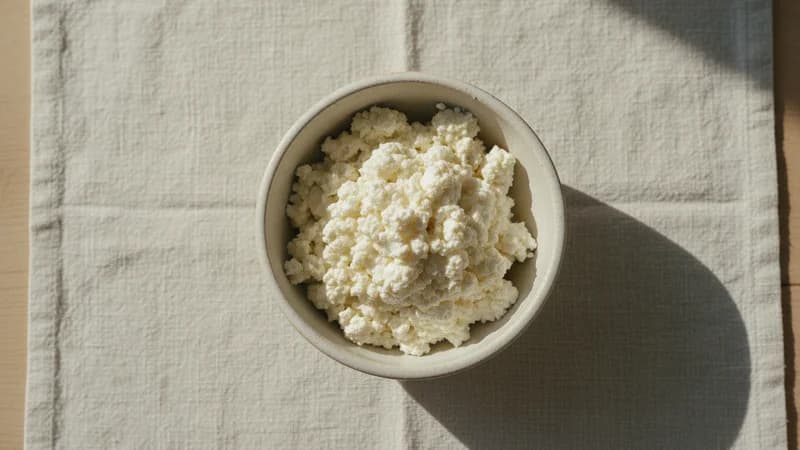
Cottage Cheese (Paneer) is best suited to Vata, which it helps pacify. In excess it can raise Pitta and Kapha. Fresh paneer is a dense, sweet-and-sour (madhura-amla) building food whose heavy, oily (guru-snigdha) quality is traditionally valued to nourish the muscle and reproductive tissues (mamsa and shukra dhatu) and to steady an anxious, depleted Vata frame.. Best enjoyed during winter.
Ayurvedic Profile
Cottage Cheese (Paneer) (Chhana (छना)) is a ojas-building dairy treasured in Ayurvedic nutrition. Referenced in Charaka Samhita, it is characterised by sour and sweet rasa (taste), cooling virya (potency), and sour vipaka (post-digestive effect). Fresh cottage cheese is Snigdha and Guru, best consumed fresh (not aged) in Ayurveda; it nourishes Rasa and Mamsa dhatus but should be paired with digestive spices like black pepper and cumin to prevent channel-blocking Ama formation. Its heavy and oily gunas make it particularly suited for specific constitutional types. It pacifies Vata, can aggravate Pitta when consumed in excess, and can aggravate Kapha when consumed in excess. From a nutritional standpoint, cottage cheese (paneer) provides approximately 265 calories per 100g, with 18.3g protein, 3.6g carbohydrates, and is a valuable source of Calcium, Phosphorus, Protein. Best enjoyed during winter, cottage cheese (paneer) supports healthy Agni (digestive fire) when prepared according to Ayurvedic principles, helping prevent Ama (toxin) accumulation and nourish the dhatus (body tissues).
Ayurvedic Properties
Rasa (Taste)
sour, sweet
Virya (Potency)
cold
Vipaka (Post-digestive)
sour
Guna (Qualities)
heavy, oily
How Cottage Cheese (Paneer) Affects Vata, Pitta & Kapha
Ayurveda reads every food through the three doshas. Here is how cottage cheese (paneer)’s qualities interact with each: Not sure which is yours? Take the free dosha quiz — about 4 minutes.
Cottage Cheese (Paneer) helps pacify Vata. Its cold virya (potency) and heavy and oily qualities, with its sour and sweet rasa (taste), counterbalance Vata's tendencies — which is why it traditionally suits Vata dosha in regular use. Vata meal plan
Cottage Cheese (Paneer) is well tolerated by those with Pitta dosha in normal amounts, but its cold virya and heavy and oily qualities may aggravate Pitta in excess — so people with Pitta as their leading dosha are best keeping to measured portions. Pitta meal plan
Cottage Cheese (Paneer) is well tolerated by those with Kapha dosha in normal amounts, but its cold virya and heavy and oily qualities may aggravate Kapha in excess — so people with Kapha as their leading dosha are best keeping to measured portions. Kapha meal plan
Nutrition Facts (per 100g)
265kcal
Calories
18.3g
Protein
3.6g
Carbs
20.8g
Fat
0g
Fibre
Ayurvedic Benefits
- Fresh paneer is a dense, sweet-and-sour (madhura-amla) building food whose heavy, oily (guru-snigdha) quality is traditionally valued to nourish the muscle and reproductive tissues (mamsa and shukra dhatu) and to steady an anxious, depleted Vata frame.
- Its cold potency (shita virya) makes it a naturally soothing choice for a warm constitution; eaten in modest amounts it supports the body without the sharp heating edge of aged or fried cheeses.
- Rich in casein protein, calcium and phosphorus, paneer supports the maintenance of normal bones and teeth and offers a complete, slow-digesting protein that vegetarians can build a meal around.
- Because it is unfermented and made by curdling milk, paneer carries the grounding, unctuous nature of milk in a firmer form, traditionally used to help restore strength (bala) after a tiring day or a light illness.
- Its satisfying, substantial quality (a food of guru guna) supports a feeling of fullness and steady energy, which may help someone with a fast, scattered appetite eat with more calm.
How to Use
- As cottage cheese (paneer) is cooling (shita virya), favour it in warmer weather and pair it with warming spices like ginger or black pepper when the seasons turn cold.
- Cottage Cheese (Paneer) is at its best during winter — eating it in season keeps its Prana (vital energy) and benefit at their peak.
- Cube fresh paneer and simmer it briefly in a spiced tomato or spinach gravy (palak paneer, matar paneer) so warming spices like ginger, cumin and black pepper offset its cold, heavy nature and kindle Agni.
- Lightly pan-fry or grill cubes with turmeric, ajwain and a pinch of black pepper before adding to a curry; this drying, warming touch makes it easier on Kapha and Pitta-prone digestion.
- Crumble soft paneer into stuffed parathas with grated ginger and coriander for a warm, midday meal, which is when your digestive fire is strongest and best able to handle a heavy food.
- Keep portions to a palm-sized serving and pair with a warm cumin-coriander-fennel tea rather than a cold drink, so the meal digests cleanly and does not sit heavily.
- Favour paneer in the cooler months and eat it freshly made and warm; avoid it late at night, when Agni is low and its heaviness is most likely to create sluggishness or Ama.
Contraindications
- Those with sluggish digestion, a coated tongue, low Agni or clear Kapha signs (mucus, heaviness, water retention) should limit paneer, as its heavy, oily, cold nature can aggravate Kapha and feed Ama.
- People prone to heartburn, acidity or heat-related Pitta discomfort should keep portions small, since its sour post-digestive effect (amla vipaka) can add to internal heat when eaten in excess.
- Anyone with a diagnosed dairy or casein allergy, or significant lactose intolerance, should avoid it and seek advice from their doctor; it is a soft, moist cheese best eaten fresh, as spoiled paneer carries a real risk of food-borne illness.
“Ayurveda classifies Cottage Cheese (Paneer) by its sour, sweet rasa (taste), cold virya (thermal potency), and sour vipaka (post-digestive effect). InnerVeda reads these three lenses together to map Cottage Cheese (Paneer) to your dosha and season.”
Frequently Asked Questions
Paneer is a heavy, oily, calorie-dense food (around 265 kcal per 100g) with a lot of protein, so a small portion can keep you full and steady your appetite. But its guru (heavy) quality can aggravate Kapha, which governs body mass, so treat it as a modest protein serving rather than a free food, keep it fresh and warm, and pair it with plenty of spiced vegetables.
Lightly cooked is generally kinder. Paneer is cold and heavy by nature, so simmering or grilling it with warming spices such as ginger, cumin and black pepper helps balance its qualities and supports digestion. Raw fresh paneer is fine in small amounts at midday for a strong Vata-type digestion, but a cooked, spiced preparation suits most people better.
It is best avoided late at night. Your digestive fire (Agni) naturally dims in the evening, and paneer's heavy, unctuous, cold nature is most likely to feel sluggish or produce Ama when eaten then. Enjoy it at lunch or an early dinner, freshly made and warm, so it has time to digest before you sleep.
Your dosha is the balance of Vata, Pitta and Kapha you were born with. Take the dosha quiz — free, about 4 minutes.
Three questions towards your dosha
These are the first three questions of the full dosha quiz. Answer them here and carry on where you left off.
Prefer to start from the beginning? Take the full dosha quiz.
Dietary information provided is for educational purposes only and is rooted in Ayurvedic tradition. It is not a substitute for professional nutritional or medical advice. Consult a qualified healthcare provider before making significant changes to your diet, especially if you have food allergies, intolerances, or a medical condition.
Want a meal plan matched to your dosha?
Take the free dosha assessment (about 4 minutes) and get a personalised nutrition plan with nearly 300 foods in the app, rated for your body.
Find Your Dosha: FreeAbout 4 minutes