Milk: Benefits & Dosha Effects
Sanskrit: Dugdha / Ksheera (दुग्ध / क्षीर)
Milk is especially balancing for Vata and Pitta but can raise Kapha when eaten in excess. With sweet rasa (taste), cold virya (potency) and sweet vipaka, it is heavy, oily and smooth in quality and a source of calcium.

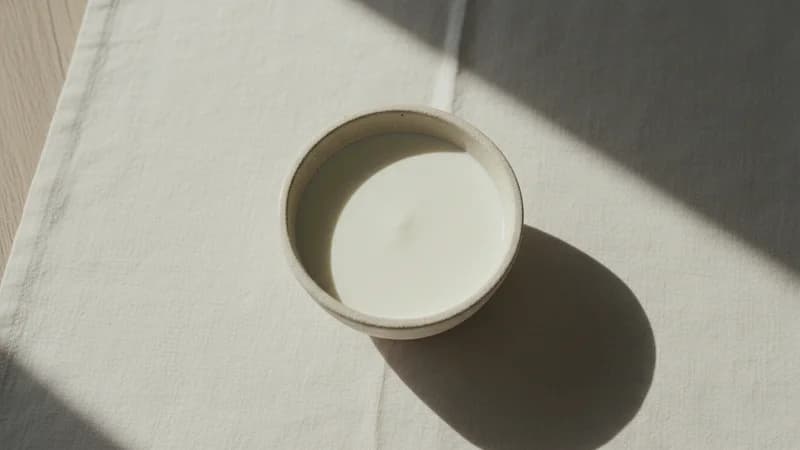
Milk is best suited to Vata and Pitta, which it helps pacify. In excess it can raise Kapha. A Sattvic, Jeevaniya (life-sustaining) food that nourishes every dhatu from Rasa through to Shukra and is classically held to build Ojas — the essence of vitality and calm.. Suitable year-round.
Ayurvedic Profile
Milk, known as Dugdha or Ksheera in Sanskrit, is considered one of the most complete and Sattvic foods in Ayurveda. The Charaka Samhita dedicates an extensive section to Ksheera Varga (the milk group), analysing milks from eight different animals including cow, goat, buffalo, camel, and mare. Cow's milk (Go Ksheera) is given the highest regard, described as Jeevaniya (life-sustaining), Rasayana (rejuvenative), Medhya (intellect-promoting), Balya (strength-giving), and Ojovardhaka (Ojas-enhancing).
Cow's milk possesses Madhura (sweet) rasa, Sheeta (cold) virya, and Madhura (sweet) vipaka with Guru (heavy), Snigdha (oily), and Mridu (soft) gunas. This comprehensive nourishing profile makes it capable of building all seven Dhatus, from Rasa (plasma) through Shukra (reproductive tissue), culminating in the production of Ojas, the vital essence that governs immunity and spiritual radiance.
The Ashtanga Hridaya specifies that milk should always be consumed warm, never cold, and never with incompatible foods. The list of Viruddha Ahara (incompatible combinations) involving milk is extensive: milk should not be combined with sour fruits, salt, fish, green leafy vegetables, or radish. These combinations are said to create Ama and disturb Agni. The classical preparation of milk involves boiling with appropriate spices like cardamom, turmeric, or saffron, which enhances its digestibility.
The Sushruta Samhita explains that different animal milks serve different therapeutic purposes. Goat's milk (Aja Ksheera) is lighter, more suitable for Pitta, and recommended for those who cannot tolerate cow's milk. Buffalo milk (Mahishi Ksheera) is heaviest and most Kapha-promoting. This nuanced classification demonstrates that the Ayurvedic view of milk extends far beyond a simplistic 'drink or avoid' recommendation.
In modern Ayurvedic practice, the quality of milk matters tremendously. The Charaka Samhita's praises of Ksheera refer to fresh, minimally processed milk from healthy, grass-fed, ethically treated cows. This is fundamentally different from the ultra-processed, hormone-laden commercial milk widely available today. When practitioners recommend milk, they are referring to the highest quality available, ideally organic and minimally processed.
Ayurvedic Properties
Rasa (Taste)
sweet
Virya (Potency)
cold
Vipaka (Post-digestive)
sweet
Guna (Qualities)
heavy, oily, smooth
How Milk Affects Vata, Pitta & Kapha
Ayurveda reads every food through the three doshas. Here is how milk’s qualities interact with each: Not sure which is yours? Take the free dosha quiz — about 4 minutes.
Milk helps pacify Vata. Its cold virya (potency) and heavy, oily and smooth qualities, with its sweet rasa (taste), counterbalance Vata's tendencies — which is why it traditionally suits Vata dosha in regular use. Vata meal plan
Milk helps pacify Pitta. Its cold virya (potency) and heavy, oily and smooth qualities, with its sweet rasa (taste), counterbalance Pitta's tendencies — which is why it traditionally suits Pitta dosha in regular use. Pitta meal plan
Milk is well tolerated by those with Kapha dosha in normal amounts, but its cold virya and heavy, oily and smooth qualities may aggravate Kapha in excess — so people with Kapha as their leading dosha are best keeping to measured portions. Kapha meal plan
Nutrition Facts (per 100g)
61kcal
Calories
3.2g
Protein
4.8g
Carbs
3.3g
Fat
0g
Fibre
Ayurvedic Benefits
- A Sattvic, Jeevaniya (life-sustaining) food that nourishes every dhatu from Rasa through to Shukra and is classically held to build Ojas — the essence of vitality and calm.
- Its sheeta (cold) virya with sweet rasa and sweet vipaka makes it a genuine Vata-Pitta pacifier, traditionally used to ground a restless mind and soothe internal heat.
- Medhya (intellect-promoting): warm spiced milk is a classical support for memory, focus and steady nerves, and it supplies Vitamin B12.
- A dependable source of well-absorbed calcium and Vitamin D, supporting Asthi dhatu — the bones and teeth — across all seasons.
- Its Nidrajanana (sleep-promoting) quality when warm and spiced makes a cup before bed one of Ayurveda's simplest supports for restful sleep.
How to Use
- As milk is cooling (shita virya), favour it in warmer weather and pair it with warming spices like ginger or black pepper when the seasons turn cold.
- Always bring milk to a rolling boil before drinking; add a pinch of turmeric, cardamom or dry ginger while it boils to lighten it.
- Sip it warm about an hour before bed, on its own or with a scrape of nutmeg, for its sleep-settling effect.
- Make golden milk by whisking in turmeric, a crack of black pepper and a little ghee for a warming evening drink.
- Simmer with a spoon of ashwagandha or shatavari powder to turn it into a nourishing Rasayana (rejuvenative) drink.
- Warm it with soaked dates and a few threads of saffron for a deeply nourishing, Ojas-building nightcap.
Contraindications
- Kapha-increasing in excess; Kapha types, or anyone with congestion, cough or heavy mucus, are better taking less or choosing lighter options.
- Best kept apart from sour fruit, salt, fish and leafy greens — Ayurveda regards these as Viruddha Ahara (incompatible combinations) that classically disturb Agni and breed Ama.
- Those with lactose intolerance or dairy sensitivity should note that goat's milk also contains lactose; boiling with ginger or dry ginger may make cow's milk feel lighter, but a suitable non-dairy alternative may be needed.
“Ayurveda classifies Milk by its sweet rasa (taste), cold virya (thermal potency), and sweet vipaka (post-digestive effect). InnerVeda reads these three lenses together to map Milk to your dosha and season.”
Frequently Asked Questions
Cold milk is heavy and Kapha-increasing and sits awkwardly on the digestion. Boiling it, ideally with a warming spice, shifts its quality to something lighter and easier to assimilate. The classical method is to boil, add spice, then let it cool to a comfortable sipping warmth.
Ayurveda names several Viruddha Ahara (incompatible) pairings for milk: sour fruits, salt, fish, radish and green leafy vegetables. Taken together these are said to disturb Agni and create Ama. This is why milk is best taken on its own, or only with sweet, compatible ingredients like dates or spices.
Ayurveda praises milk highly but respects individual difference. Kapha-dominant people are better taking less, and anyone with congestion, chronic mucus or heavy Ama may wish to settle that first. Quality is decisive — only warm, well-prepared milk from healthy cows gives the qualities the classical texts describe. Those with a diagnosed dairy allergy should avoid it.
Your dosha is the balance of Vata, Pitta and Kapha you were born with. Take the dosha quiz — free, about 4 minutes.
Three questions towards your dosha
These are the first three questions of the full dosha quiz. Answer them here and carry on where you left off.
Prefer to start from the beginning? Take the full dosha quiz.
Dietary information provided is for educational purposes only and is rooted in Ayurvedic tradition. It is not a substitute for professional nutritional or medical advice. Consult a qualified healthcare provider before making significant changes to your diet, especially if you have food allergies, intolerances, or a medical condition.
Want a meal plan matched to your dosha?
Take the free dosha assessment (about 4 minutes) and get a personalised nutrition plan with nearly 300 foods in the app, rated for your body.
Find Your Dosha: FreeAbout 4 minutes