Jaggery: Benefits & Dosha Effects
Sanskrit: Guda (गुड)
Jaggery is especially balancing for Vata but can raise Pitta and Kapha when eaten in excess. With sweet rasa (taste), hot virya (potency) and sweet vipaka, it is heavy and oily in quality and a source of iron.

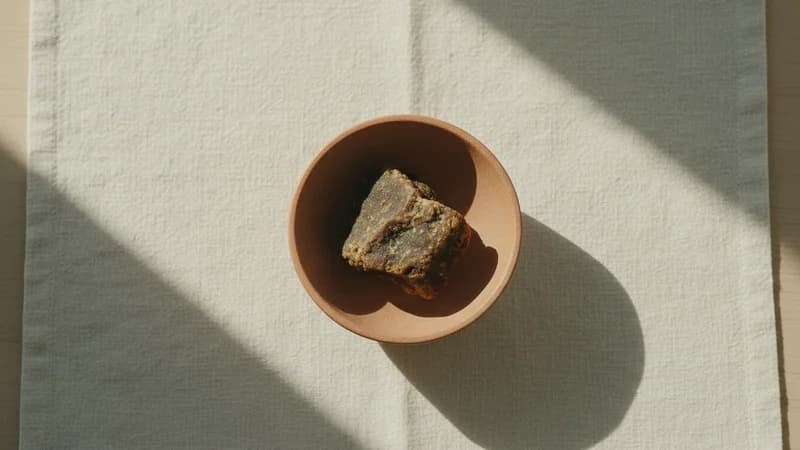
Jaggery is best suited to Vata, which it helps pacify. In excess it can raise Pitta and Kapha. As Guda, jaggery is Ayurveda's classical everyday sweetener, its sweet rasa and sweet vipaka nourishing the dhatus and supporting Ojas without the dryness of refined white sugar.. Best enjoyed during winter.
Ayurvedic Profile
Jaggery (Guda (गुड)) is a energising sweeteners treasured in Ayurvedic nutrition. Referenced in Charaka Samhita, it is characterised by sweet rasa (taste), heating virya (potency), and sweet vipaka (post-digestive effect). Guda is Ayurveda's preferred sweetener over refined sugar, as it retains iron and minerals; Charaka classifies old jaggery (Purana Guda) as Tridoshahara while fresh jaggery is more Kapha-producing, making age an important therapeutic consideration. Its heavy and oily gunas make it particularly suited for specific constitutional types. It pacifies Vata, can aggravate Pitta when consumed in excess, and can aggravate Kapha when consumed in excess. From a nutritional standpoint, jaggery provides approximately 383 calories per 100g, with 0.4g protein, 98.0g carbohydrates, and is a valuable source of Iron, Magnesium, Potassium. Best enjoyed during winter, jaggery supports healthy Agni (digestive fire) when prepared according to Ayurvedic principles, helping prevent Ama (toxin) accumulation and nourish the dhatus (body tissues).
Ayurvedic Properties
Rasa (Taste)
sweet
Virya (Potency)
hot
Vipaka (Post-digestive)
sweet
Guna (Qualities)
heavy, oily
How Jaggery Affects Vata, Pitta & Kapha
Ayurveda reads every food through the three doshas. Here is how jaggery’s qualities interact with each: Not sure which is yours? Take the free dosha quiz — about 4 minutes.
Jaggery helps pacify Vata. Its hot virya (potency) and heavy and oily qualities, with its sweet rasa (taste), counterbalance Vata's tendencies — which is why it traditionally suits Vata dosha in regular use. Vata meal plan
Jaggery is well tolerated by those with Pitta dosha in normal amounts, but its hot virya and heavy and oily qualities may aggravate Pitta in excess — so people with Pitta as their leading dosha are best keeping to measured portions. Pitta meal plan
Jaggery is well tolerated by those with Kapha dosha in normal amounts, but its hot virya and heavy and oily qualities may aggravate Kapha in excess — so people with Kapha as their leading dosha are best keeping to measured portions. Kapha meal plan
Nutrition Facts (per 100g)
383kcal
Calories
0.4g
Protein
98g
Carbs
0.1g
Fat
0g
Fibre
Ayurvedic Benefits
- As Guda, jaggery is Ayurveda's classical everyday sweetener, its sweet rasa and sweet vipaka nourishing the dhatus and supporting Ojas without the dryness of refined white sugar.
- Its heating (ushna) virya paired with sweet, unctuous guna makes it grounding for Vata, traditionally offered after meals to settle digestion and ease the downward flow of apana.
- The unrefined golden solid retains the sugarcane's own iron, magnesium and potassium, so it supports healthy energy and vitality rather than delivering empty sweetness.
- Aged jaggery (Purana Guda) is described in classical texts as lighter and cleaner than fresh, less Kapha-producing and traditionally used as a gentle Agni-kindler that helps clear rather than create heaviness.
- Because it is sweet, warming and building, it is classically favoured in winter to help restore strength and warmth when the body is naturally rebuilding tissue.
How to Use
- As jaggery is heating (ushna virya), balance it with cooling accompaniments such as coriander, fennel or a little ghee — especially through the warmer months.
- Jaggery is at its best during winter — eating it in season keeps its Prana (vital energy) and benefit at their peak.
- Stir a small piece into warm milk with a pinch of dry ginger or cardamom as a traditional winter nightcap that settles Vata.
- Grate it over hot rice with a spoon of ghee, or fold it into wholemeal chapati dough, letting its warmth balance the dryness of the grain.
- Use it in place of white sugar in kheer, halwa and til-gud (sesame-jaggery) sweets, where its caramel depth suits the season.
- Finish a meal with a thumbnail-sized piece to close digestion, the classical role of Guda as a light post-meal digestive.
- Choose firm, aged jaggery over soft fresh blocks when you want the lighter, cleaner effect, and keep it dry and sealed as it draws moisture.
Contraindications
- Being sweet, heavy and heating, it aggravates Pitta in excess and adds to Kapha heaviness, so those of Pitta or Kapha constitution or with sluggish digestion should keep portions small.
- It is a concentrated sugar and raises blood glucose much like any sweetener, so anyone managing diabetes or weight should treat it as sugar, not a free food.
- Unrefined jaggery can carry impurities from open-pan boiling; choose a clean, reputable source, and it is best limited in the hot summer months when its heating quality is least suited.
“Ayurveda classifies Jaggery by its sweet rasa (taste), hot virya (thermal potency), and sweet vipaka (post-digestive effect). InnerVeda reads these three lenses together to map Jaggery to your dosha and season.”
Frequently Asked Questions
Ayurveda has long preferred jaggery (Guda) to refined sugar because it keeps the sugarcane's iron, magnesium and potassium and carries a sweet vipaka that nourishes tissue. It is still a concentrated sugar, so the advantage lies in its minerals and its warming, grounding quality, not in eating more of it.
Classical texts describe aged jaggery (Purana Guda) as lighter and cleaner, and less Kapha-producing than fresh jaggery, which is heavier. If you want the gentler, more digestive effect, choose firm, matured jaggery rather than soft, freshly set blocks. Both remain heating and sweet, so portions still stay small.
Its heating (ushna) virya makes it best suited to winter, when its warmth is welcome. In summer it is best limited and taken in small amounts, ideally the lighter aged form, as its heat can add to Pitta during the hotter months.
Your dosha is the balance of Vata, Pitta and Kapha you were born with. Take the dosha quiz — free, about 4 minutes.
Three questions towards your dosha
These are the first three questions of the full dosha quiz. Answer them here and carry on where you left off.
Prefer to start from the beginning? Take the full dosha quiz.
Dietary information provided is for educational purposes only and is rooted in Ayurvedic tradition. It is not a substitute for professional nutritional or medical advice. Consult a qualified healthcare provider before making significant changes to your diet, especially if you have food allergies, intolerances, or a medical condition.
Want a meal plan matched to your dosha?
Take the free dosha assessment (about 4 minutes) and get a personalised nutrition plan with nearly 300 foods in the app, rated for your body.
Find Your Dosha: FreeAbout 4 minutes