Pearl Millet (Bajra): Benefits & Dosha Effects
Sanskrit: Bajra (बाजरा)
Pearl Millet (Bajra) is especially balancing for Kapha but can raise Vata when eaten in excess. With sweet rasa (taste), hot virya (potency) and sweet vipaka, it is light and dry in quality and a source of iron.

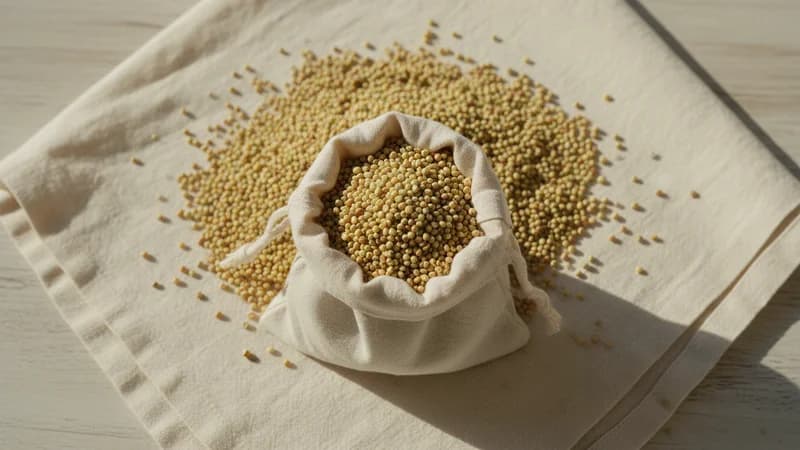
Pearl Millet (Bajra) is best suited to Kapha, which it helps pacify. In excess it can raise Vata. Pearl millet (Bajra) has a sweet rasa yet a distinctly light, drying guna, so this coarse, gluten-free grain is traditionally used to build a warming, grounding meal through the cold months without leaving the body heavy.. Best enjoyed during winter.
Ayurvedic Profile
Pearl Millet (Bajra) (Bajra (बाजरा)) is a sustaining grains treasured in Ayurvedic nutrition. Referenced in Ashtanga Hridaya, it is characterised by sweet rasa (taste), heating virya (potency), and sweet vipaka (post-digestive effect). Bajra is the warming winter millet par excellence in Ayurveda, its Ushna virya and high iron content making it ideal for building Rakta dhatu and maintaining body heat during Hemanta and Shishira Ritu. Its light and dry gunas make it particularly suited for specific constitutional types. It can aggravate Vata when consumed in excess, has a neutral effect on Pitta, and pacifies Kapha. From a nutritional standpoint, pearl millet (bajra) provides approximately 378 calories per 100g, with 11.0g protein, 73.0g carbohydrates, and is a valuable source of Iron, Magnesium, Phosphorus. Best enjoyed during winter, pearl millet (bajra) supports healthy Agni (digestive fire) when prepared according to Ayurvedic principles, helping prevent Ama (toxin) accumulation and nourish the dhatus (body tissues).
Ayurvedic Properties
Rasa (Taste)
sweet
Virya (Potency)
hot
Vipaka (Post-digestive)
sweet
Guna (Qualities)
light, dry
How Pearl Millet (Bajra) Affects Vata, Pitta & Kapha
Ayurveda reads every food through the three doshas. Here is how pearl millet (bajra)’s qualities interact with each: Not sure which is yours? Take the free dosha quiz — about 4 minutes.
Pearl Millet (Bajra) is well tolerated by those with Vata dosha in normal amounts, but its hot virya and light and dry qualities may aggravate Vata in excess — so people with Vata as their leading dosha are best keeping to measured portions. Vata meal plan
Pearl Millet (Bajra) has a broadly neutral effect on Pitta. Its sweet rasa and light and dry qualities neither strongly aggravate nor pacify Pitta, so those with Pitta dosha can enjoy it in moderation within a varied diet. Pitta meal plan
Pearl Millet (Bajra) helps pacify Kapha. Its hot virya (potency) and light and dry qualities, with its sweet rasa (taste), counterbalance Kapha's tendencies — which is why it traditionally suits Kapha dosha in regular use. Kapha meal plan
Nutrition Facts (per 100g)
378kcal
Calories
11g
Protein
73g
Carbs
4.2g
Fat
8.5g
Fibre
Ayurvedic Benefits
- Pearl millet (Bajra) has a sweet rasa yet a distinctly light, drying guna, so this coarse, gluten-free grain is traditionally used to build a warming, grounding meal through the cold months without leaving the body heavy.
- Its hot virya makes bajra a classic winter grain, and freshly griddled bajra rotla is favoured in rural Rajasthan and Gujarat precisely because it stokes Agni and helps the body hold its warmth.
- With a V↑ P= K↓ profile, bajra's drying, heating nature helps lower Kapha (K↓), which is why it is traditionally chosen to ease winter sluggishness and leave a light, unclogged feeling after eating.
- Nutritionally bajra is prized for its iron and magnesium, minerals that support normal red-blood-cell formation and muscle function, making it a valued staple where a hearty, mineral-dense grain is needed.
- Its phosphorus content and slow-digesting complex carbohydrate give steady, long-lasting energy, which is why labourers traditionally relied on a bajra flatbread to carry them through a long working day.
How to Use
- As pearl millet (bajra) is heating (ushna virya), balance it with cooling accompaniments such as coriander, fennel or a little ghee — especially through the warmer months.
- Pearl Millet (Bajra) is at its best during winter — eating it in season keeps its Prana (vital energy) and benefit at their peak.
- Knead bajra flour with warm water and pat out thick rustic rotla or bhakri by hand, cooking on a hot tawa and topping with white butter or ghee to offset its dry, heating nature.
- Simmer bajra as a savoury khichdi with moong dal, ginger and a tempering of ghee and cumin for a warming, easily-digested winter one-pot meal.
- Soak and cook whole pearl millet grains like rice to serve under a warm vegetable stew, letting the moist accompaniment balance its drying guna.
- Blend bajra flour into a spiced winter porridge or raab with buttermilk, ginger and ajwain, a traditional Gujarati warming drink taken on cold mornings.
- Serve bajra rotla with unctuous, grounding partners such as garlic chutney, jaggery and ghee, or a bowl of curd, since the grain's dryness benefits from moistening company.
Contraindications
- Bajra is drying and increases Vata (V↑), so Vata-predominant people and anyone prone to dryness, constipation or gas are best limited to modest amounts and should eat it warm with ghee, buttermilk or curd.
- Its markedly hot virya means those with aggravated Pitta, a tendency to acidity, mouth ulcers or excess body heat are best limited to small amounts, especially away from the cold winter season for which it is best suited.
- Pearl millet naturally contains goitrogenic compounds, so those with an under-active thyroid are best keeping portions moderate, favouring it well-cooked or fermented, and not relying on it as their only daily grain.
“Ayurveda classifies Pearl Millet (Bajra) by its sweet rasa (taste), hot virya (thermal potency), and sweet vipaka (post-digestive effect). InnerVeda reads these three lenses together to map Pearl Millet (Bajra) to your dosha and season.”
Frequently Asked Questions
Bajra has a hot virya (heating potency), so it warms the body and stokes Agni, which is welcome in cold weather but can aggravate Pitta and add excess heat in summer. Traditionally it is a winter staple in Rajasthan and Gujarat, and lighter, cooling grains are preferred once the warm season arrives.
Bajra is one of the more iron-rich grains and also supplies magnesium, so it is a useful mineral-dense choice within a varied diet. Cooking it with a squeeze of lemon or a vitamin-C-rich side can help your body take up the iron, and pairing it with ghee makes it gentler to digest.
Though bajra shares a sweet rasa and a heating, drying quality with corn, it is a far more mineral-dense, gluten-free grain valued especially for iron and magnesium, and it is a deep-winter staple rather than an autumn one. Its coarse, nutty rotla is heartier and more grounding than lighter millets like foxtail.
Your dosha is the balance of Vata, Pitta and Kapha you were born with. Take the dosha quiz — free, about 4 minutes.
Three questions towards your dosha
These are the first three questions of the full dosha quiz. Answer them here and carry on where you left off.
Prefer to start from the beginning? Take the full dosha quiz.
Dietary information provided is for educational purposes only and is rooted in Ayurvedic tradition. It is not a substitute for professional nutritional or medical advice. Consult a qualified healthcare provider before making significant changes to your diet, especially if you have food allergies, intolerances, or a medical condition.
Want a meal plan matched to your dosha?
Take the free dosha assessment (about 4 minutes) and get a personalised nutrition plan with nearly 300 foods in the app, rated for your body.
Find Your Dosha: FreeAbout 4 minutes