Rice Syrup: Benefits & Dosha Effects
Sanskrit: Shali Phanta (शालि फान्त)
Rice Syrup is especially balancing for Vata but can raise Kapha when eaten in excess. With sweet rasa (taste), cold virya (potency) and sweet vipaka, it is heavy, oily and smooth in quality and a source of maltose.

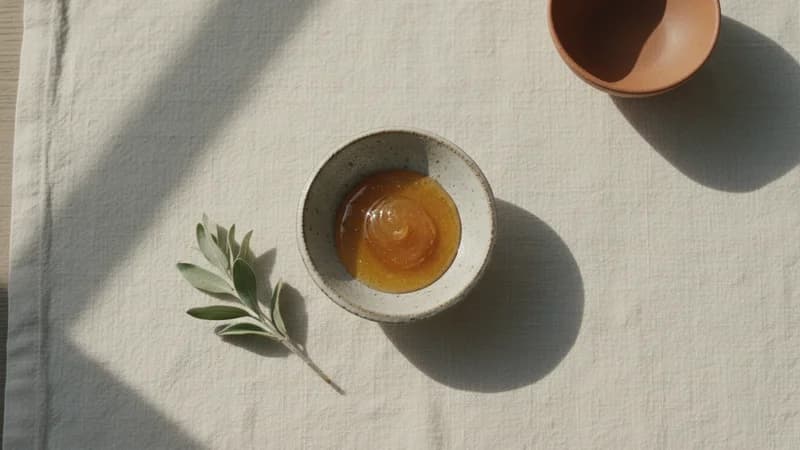
Rice Syrup is best suited to Vata, which it helps pacify. In excess it can raise Kapha. A mild, gentle sweetener made from fermented rice, its sweetness coming mainly from maltose rather than fructose. Suitable year-round.
Ayurvedic Profile
Rice Syrup (Shali Phanta (शालि फान्त)) is a energising sweeteners treasured in Ayurvedic nutrition. Referenced in Ashtanga Hridaya, it is characterised by sweet rasa (taste), cooling virya (potency), and sweet vipaka (post-digestive effect). Rice syrup's Madhura-Sheeta profile makes it one of the gentlest sweeteners in Ayurvedic practice, well-suited for Pitta constitutions; its Snigdha and Mridu (smooth, soft) gunas soothe irritated digestive mucosa and provide gentle, sustained sweetness. Its heavy and oily and smooth gunas make it particularly suited for specific constitutional types. It pacifies Vata, has a neutral effect on Pitta, and can aggravate Kapha when consumed in excess. From a nutritional standpoint, rice syrup provides approximately 310 calories per 100g, with 0.1g protein, 77.4g carbohydrates, and is a valuable source of Maltose, Potassium, Sodium. Best enjoyed during all-seasons, rice syrup supports healthy Agni (digestive fire) when prepared according to Ayurvedic principles, helping prevent Ama (toxin) accumulation and nourish the dhatus (body tissues).
Ayurvedic Properties
Rasa (Taste)
sweet
Virya (Potency)
cold
Vipaka (Post-digestive)
sweet
Guna (Qualities)
heavy, oily, smooth
How Rice Syrup Affects Vata, Pitta & Kapha
Ayurveda reads every food through the three doshas. Here is how rice syrup’s qualities interact with each: Not sure which is yours? Take the free dosha quiz — about 4 minutes.
Rice Syrup helps pacify Vata. Its cold virya (potency) and heavy, oily and smooth qualities, with its sweet rasa (taste), counterbalance Vata's tendencies — which is why it traditionally suits Vata dosha in regular use. Vata meal plan
Rice Syrup has a broadly neutral effect on Pitta. Its sweet rasa and heavy, oily and smooth qualities neither strongly aggravate nor pacify Pitta, so those with Pitta dosha can enjoy it in moderation within a varied diet. Pitta meal plan
Rice Syrup is well tolerated by those with Kapha dosha in normal amounts, but its cold virya and heavy, oily and smooth qualities may aggravate Kapha in excess — so people with Kapha as their leading dosha are best keeping to measured portions. Kapha meal plan
Nutrition Facts (per 100g)
310kcal
Calories
0.1g
Protein
77.4g
Carbs
0g
Fat
0g
Fibre
Ayurvedic Benefits
- A mild, gentle sweetener made from fermented rice, its sweetness coming mainly from maltose rather than fructose
- Sweet and grounding, it pacifies Vata and lends a soft, unobtrusive sweetness
- Being fructose-free, it suits those specifically avoiding fructose
- Its smooth, syrupy nature blends easily into warm foods and drinks
- A traditional grain-based sweetener, closer to a food than a refined sugar
How to Use
- As rice syrup is cooling (shita virya), favour it in warmer weather and pair it with warming spices like ginger or black pepper when the seasons turn cold.
- Stir rice syrup into warm porridge, milk or teas where its mild sweetness dissolves smoothly
- Use it in baking and sweets where a gentle, less-sweet syrup is wanted
- Keep portions modest — being high in maltose, it raises blood sugar readily despite its mildness
- Pair with warming spices like cardamom or dry ginger to aid digestion of its sweetness
- Choose organic brown-rice syrup for the fullest, least-processed character
Contraindications
- Though fructose-free, rice syrup is high in maltose and raises blood sugar quickly, so it is not suited to those managing blood glucose
- Its sweet, heavy nature increases Kapha and should be limited by those managing weight
- It is still a concentrated sweetener despite its mild taste — use small amounts
“Ayurveda classifies Rice Syrup by its sweet rasa (taste), cold virya (thermal potency), and sweet vipaka (post-digestive effect). InnerVeda reads these three lenses together to map Rice Syrup to your dosha and season.”
Frequently Asked Questions
Rice syrup is a grain-based, fructose-free sweetener with a mild flavour, which suits those avoiding fructose. However, it is high in maltose and raises blood sugar quickly, so it is not lower-glycaemic than sugar and should be used in the same modest amounts.
No — despite being fructose-free, rice syrup is high in maltose and raises blood glucose rapidly, so it is not suitable for those managing diabetes. It should be treated as a concentrated sugar and used only in small amounts, with guidance.
Rice syrup is made by fermenting cooked rice with enzymes that break its starches into sugars, mainly maltose, then straining and reducing the liquid to a mild, smooth syrup. It is a traditional grain-based sweetener, free of fructose.
Your dosha is the balance of Vata, Pitta and Kapha you were born with. Take the dosha quiz — free, about 4 minutes.
Three questions towards your dosha
These are the first three questions of the full dosha quiz. Answer them here and carry on where you left off.
Prefer to start from the beginning? Take the full dosha quiz.
Dietary information provided is for educational purposes only and is rooted in Ayurvedic tradition. It is not a substitute for professional nutritional or medical advice. Consult a qualified healthcare provider before making significant changes to your diet, especially if you have food allergies, intolerances, or a medical condition.
Want a meal plan matched to your dosha?
Take the free dosha assessment (about 4 minutes) and get a personalised nutrition plan with nearly 300 foods in the app, rated for your body.
Find Your Dosha: FreeAbout 4 minutes