Ayurveda for Weight Management: A Dosha Approach
Discover Ayurvedic weight management strategies personalised for your dosha. Learn why one-size-fits-all diets fail and what actually works long-term.

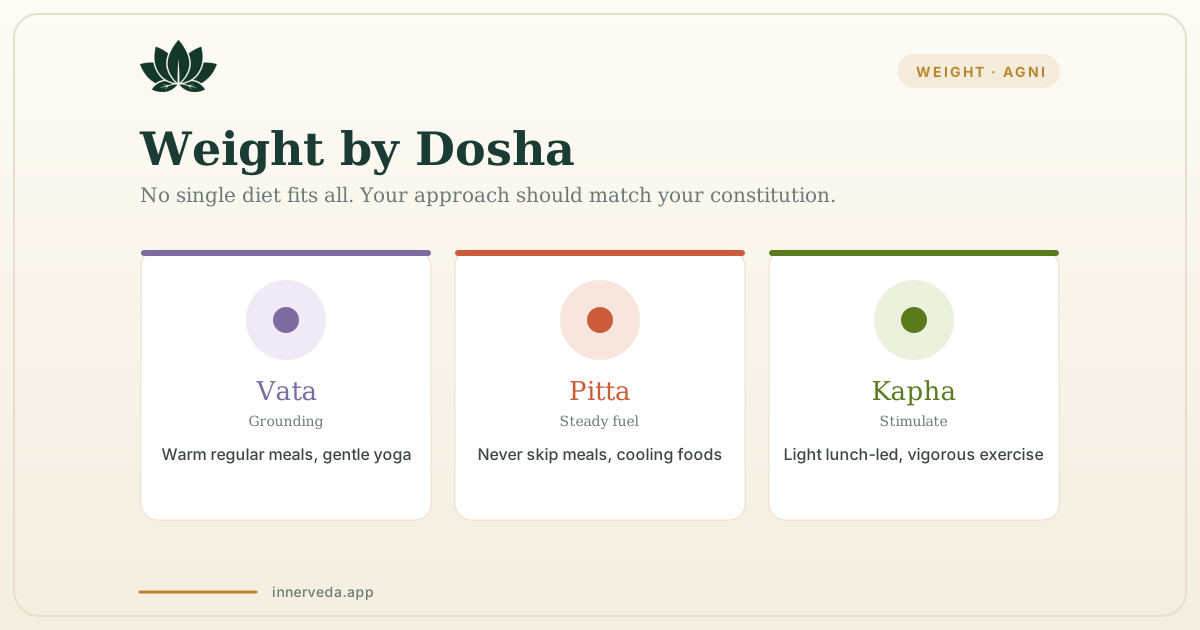
Ayurveda approaches weight management through your unique dosha rather than calorie counting. Kapha types benefit from stimulating foods and exercise, Pitta types need balanced metabolism, and Vata types need grounding nourishment. Find Your Dosha for your personalised plan.
Why Conventional Diets Fail
Most diets operate on a simple premise: eat less, move more. Research consistently shows that the majority of dieters regain lost weight within a few years. Ayurveda has an explanation. These approaches ignore the fundamental differences in how individual bodies process food, store energy, and respond to exercise.
A Kapha type trying a raw food diet will feel heavy and sluggish. A Vata type on an intense exercise programme may become depleted and anxious. A Pitta type skipping meals will become irritable and eventually binge. The approach must match the person.
Ayurveda has understood this for thousands of years, providing a framework for sustainable weight management based on your unique constitution.
The Ayurvedic View of Healthy Weight
Ayurveda doesn't prescribe a single ideal weight for everyone. It recognises that:
- Vata types are naturally lean with lighter frames
- Pitta types are medium-built with athletic tendencies
- Kapha types are naturally sturdy with broader frames The goal isn't to force every body into the same mould. It's to achieve your optimal weight, the weight at which you feel energetic, sleep well, digest efficiently, and experience emotional balance.
Weight imbalance in Ayurveda is a symptom of impaired Agni (digestive fire) and accumulation of Ama (metabolic toxins). Address these root causes and weight naturally adjusts.
Weight Management by Dosha
Kapha Type: The Most Common Weight Challenge
Kapha types face the most frequent weight challenges due to their naturally slower metabolism and tendency to retain.
Why Kapha gains weight:
- Slow metabolic rate (Manda Agni)
- Affinity for sweet, heavy, and oily foods
- Tendency toward sedentary habits
- Emotional eating during stress
- Water retention
Kapha weight management strategy:
Diet adjustments:
- Make lunch the main meal. Keep breakfast and dinner light
- Favour pungent, bitter, and astringent tastes
- Cook with stimulating spices: ginger, black pepper, cayenne, mustard seeds
- Reduce dairy, wheat, sugar, fried foods
- Eat warm, light, well-spiced foods
- Drink hot water with lemon and honey throughout the day
- Try intermittent fasting. Skip breakfast if not hungry, eat between 11 AM and 7 PM
Exercise recommendations:
- Vigorous daily exercise is essential: running, cycling, swimming, hiking
- Aim for 45 to 60 minutes of heart-rate-elevating activity
- Exercise in the morning (6 to 10 AM) during Kapha time
- Avoid exercising after eating
- Include variety to prevent boredom
Lifestyle practices:
- Wake before 6 AM to avoid morning Kapha heaviness
- Dry brushing (Garshana) before bathing to stimulate circulation
- Avoid daytime napping
- Stay socially active and mentally stimulated
- Use warming essential oils: eucalyptus, rosemary, cinnamon
Pitta Type: Balancing a Strong Appetite
Pitta types rarely have slow metabolisms. Their intense appetite can lead to overeating, especially under stress.
Why Pitta gains weight:
- Strong appetite (Tikshna Agni) that demands large meals
- Tendency to overeat when stressed or competitive
- Reliance on heavy, rich foods for satisfaction
- Alcohol consumption
- Eating late at night during "second wind"
Pitta weight management strategy:
Diet adjustments:
- Eat three regular, satisfying meals. Never skip meals
- Favour sweet, bitter, and astringent tastes
- Include cooling foods: cucumber, leafy greens, coconut, melon
- Reduce spicy, sour, and salty foods
- Moderate alcohol and caffeine
- Eat dinner by 7 PM and keep it moderate in size
- Include healthy fats (ghee, olive oil) to prevent feeling deprived
Exercise recommendations:
- Moderate, consistent exercise: swimming, cycling, hiking, yoga
- Avoid exercising in intense heat
- 30 to 45 minutes daily is usually enough
- Include cooling activities: swimming, moonlight walks
- Competitive sports in moderation (Pitta can overdo it)
Lifestyle practices:
- Manage stress proactively. Stress-eating is a Pitta pattern
- Eat in a relaxed environment without multitasking
- Practise mindful eating. Slow down and savour food
- Cool showers or swimming to reduce internal heat
- Don't work through lunch
Vata Type: Gaining and Maintaining Healthy Weight
Vata types more often struggle with being underweight, though stress-related weight gain around the midsection is common.
Why Vata weight fluctuates:
- Irregular appetite and eating habits
- Stress-related cortisol weight gain (around the abdomen)
- Poor nutrient absorption due to variable Agni
- Tendency to eat on the go or skip meals
- Anxiety-driven snacking on dry, light foods
Vata weight management strategy:
Diet adjustments:
- Eat three warm, nourishing meals at regular times
- Favour sweet, sour, and salty tastes
- Include healthy fats: ghee, sesame oil, avocado, nuts
- Cook with warming spices: ginger, cumin, cinnamon, fennel
- Avoid raw, cold, and dry foods
- Snack on soaked almonds, dates, or warm milk between meals
- Never eat while standing, walking, or working
Exercise recommendations:
- Gentle, grounding exercise: yoga, tai chi, walking, swimming
- Avoid excessive cardio or high-intensity training
- 20 to 30 minutes of moderate exercise is ideal
- Include strength training to build stable muscle mass
- Restorative yoga and gentle stretching
Lifestyle practices:
- Establish strict meal times and stick to them
- Warm oil self-massage (Abhyanga) daily for grounding
- Adequate sleep (7 to 8 hours) is non-negotiable
- Reduce stress through meditation and breathing exercises
- Create warmth and stability in your environment
Ayurvedic Herbs for Weight Management
Several herbs traditionally support healthy weight management:
- Triphala, a three-fruit formula that supports digestion, gentle detoxification, and regular elimination. Suitable for all doshas
- Guggulu, traditionally used to support metabolism and healthy cholesterol levels
- Trikatu, a warming blend of ginger, black pepper, and long pepper that stimulates Agni
- Punarnava, may help reduce water retention and support kidney function
- Medohar Guggulu, a classical formula specifically for Meda Dhatu balance
- Garcinia (Vrikshamla), traditionally used to support healthy appetite regulation
Daily Practices for All Doshas
These practices support healthy weight management regardless of your dosha:
- Drink warm lemon water upon waking to stimulate digestion
- Eat mindfully. Sit down, chew thoroughly, eat without distractions
- Make lunch your largest meal. Agni peaks with the midday sun
- Walk after meals. 10 to 15 minutes of gentle walking aids digestion
- Avoid snacking between meals unless your dosha requires it (Vata)
- Sleep by 10 PM. Late nights increase cravings and disrupt metabolism
- Move your body daily in a way appropriate for your dosha
- Manage stress. Cortisol directly affects weight regulation
Getting Started
Sustainable weight management begins with understanding yourself. Find Your Dosha with our free assessment, then apply the specific strategies above for your dosha.
Ayurveda measures success not by the number on a scale but by how you feel. Your energy, digestion, sleep quality, emotional balance. When these are optimised, your body finds its natural, healthy weight.
Frequently Asked Questions
Kapha dosha is most prone to weight gain due to its heavy, slow, and stable qualities. Kapha types have slower metabolisms and tend to store energy efficiently. Any dosha can gain weight when imbalanced. Vata types gain around the middle when stressed, and Pitta types gain when their strong appetite exceeds activity levels.
Ayurveda recommends intermittent fasting (Langhana) primarily for Kapha types, who benefit from lighter eating patterns. Fasting is generally not recommended for Vata types, who need regular meals, or for Pitta types, whose strong digestive fire demands consistent fuel. The approach should always match your dosha.
Triphala is the most widely recommended Ayurvedic formula for healthy weight management, supporting digestion and gentle detoxification. Guggulu may support metabolism, Trikatu stimulates digestive fire, and Punarnava helps reduce water retention. Always consult a healthcare provider before starting herbal supplements.
References & sources
- Triphala: A comprehensive review on its traditional uses, phytochemistry, pharmacology, and clinical applications— Journal of Alternative and Complementary Medicine, 2017
- Prakriti (body constitution) and its association with metabolism, health, and disease— Journal of Ayurveda and Integrative Medicine, 2014
- Turmeric, the golden spice: From traditional medicine to modern medicine— Foods, 2017
Classical sources
- Charaka Samhita— Sutrasthana, Ashtauninditiya Adhyaya, Chapter 21, verse 3 (Cha.Su.21.3) 21.3
- Charaka Samhita— Sutrasthana, Ashtauninditiya Adhyaya, Chapter 21, verse 4 (Cha.Su.21.4) 21.4
- Charaka Samhita— Sutrasthana, Ashtauninditiya Adhyaya, Chapter 21, verse 20 (Cha.Su.21.20) 21.20
- Charaka Samhita— Sutrasthana, Langhanabrimhaniya Adhyaya, Chapter 22 (sthana-level; defining verses on Langhana ~22.9-22.18) —
This article is for educational purposes only and reflects traditional Ayurvedic perspectives alongside selected research. It is not medical advice. Always consult a qualified healthcare provider before acting on any information presented here.
Written by
Ganesh Kompella
Founder, InnerVeda
Research assisted by Vaidya AI
Trained on 500+ classical Ayurvedic texts

Medically reviewed by Dr. Sheetal Rajput
BAMS (Bachelor of Ayurvedic Medicine & Surgery)
Practise this
Guided sessions that put this article into practice.
- Kapalabhati: Skull-Shining Breath10 min · intermediate
- Kapha Udirana: Energizing Meditation for Kapha12 min · beginner
On the plate: Honey — how it affects Vata, Pitta and Kapha, and how to use it.
Continue Reading
Ayurveda for Digestion: Fix Bloating, Gas & Gut Health

Ayurvedic Nutrition: Eating for Your Dosha Type

Ayurvedic Diet: Eat for Your Dosha
Ayurvedic Skincare by Dosha
Dinacharya: The Ayurvedic Daily Routine That Anchors Everything
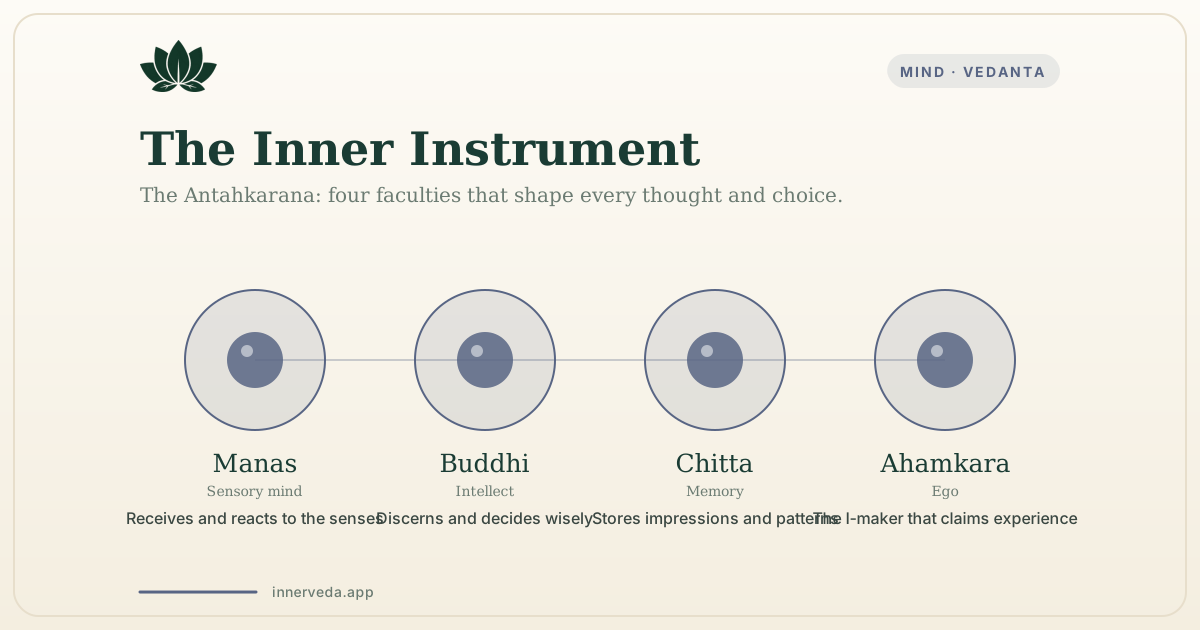
Dynamics of the Mind: Understanding Manas, Buddhi & Chitta
Put this into practice
Take the free dosha assessment. Get a personalised wellness plan with nutrition, meditation, and daily routines matched to your body.
Find Your Dosha — Free~3 min · no signup