Asparagus: Benefits & Dosha Effects
Sanskrit: Shatavari (शतावरी)
Asparagus is especially balancing for Vata and Pitta but can raise Kapha when eaten in excess. With sweet and bitter rasa (taste), cold virya (potency) and sweet vipaka, it is heavy, oily and smooth in quality and a source of folate.

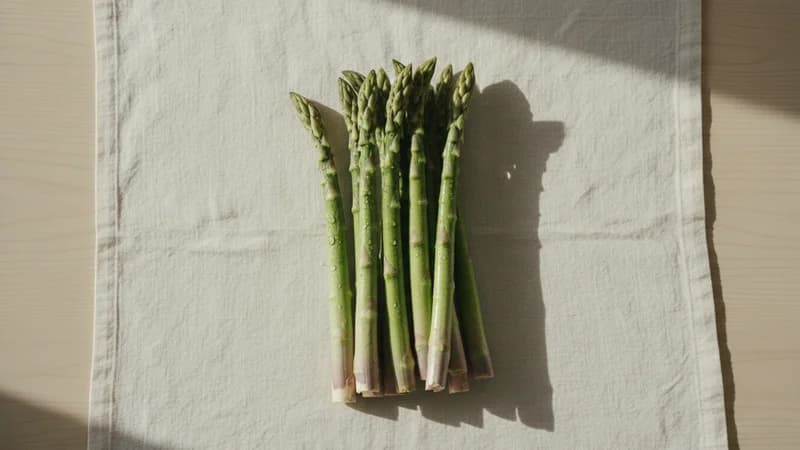
Asparagus is best suited to Vata and Pitta, which it helps pacify. In excess it can raise Kapha. Shares the genus of Shatavari, carrying gentle rejuvenative (Rasayana) qualities. Best enjoyed during spring.
Ayurvedic Profile
Asparagus is intimately connected to one of Ayurveda's most celebrated herbs: Shatavari (Asparagus racemosus). While the culinary asparagus (Asparagus officinalis) is a different species, it shares the same genus and many of the therapeutic qualities that make Shatavari renowned. The Charaka Samhita classifies Shatavari among the Balya (strength-giving), Vayahsthapana (age-preserving), and Jeevaniya (life-promoting) groups, and culinary asparagus carries a gentler version of these properties.
Culinary asparagus possesses Madhura-Tikta (sweet-bitter) rasa, Sheeta (cold) virya, and Madhura (sweet) vipaka. Its gunas include Guru (heavy), Snigdha (oily), and Mridu (soft), creating a nourishing profile that pacifies both Vata and Pitta effectively. The cooling and nourishing combination makes it particularly valuable as a Rasayana (rejuvenative) vegetable that supports Shukra Dhatu (reproductive tissue) and Ojas (vital essence).
The Bhavaprakasha Nighantu's extensive praise of Shatavari includes descriptions of Stanya (lactation-promoting), Shukrala (reproductive tissue-nourishing), and Medhya (intellect-promoting) properties. While culinary asparagus offers these benefits in subtler form compared to the medicinal herb, regular dietary inclusion provides gentle reproductive system support, making it particularly beneficial for women's health.
Asparagus's natural diuretic property, attributed to the amino acid asparagine, aligns with the Ayurvedic classification of Mutrala (diuretic) foods. This gently promotes the flow of Mutravaha Srotas (urinary channels), supporting kidney function and healthy fluid balance. The Ashtanga Hridaya's treatment of Mutraghata (urinary obstruction) includes dietary guidance that favours such naturally diuretic foods.
In the kitchen, asparagus responds beautifully to Ayurvedic preparation methods. Light steaming or sauteing in ghee preserves its delicate qualities while making it more digestible. Overcooking destroys the subtle Prabhava (special therapeutic potency) and diminishes nutritional value. The classical principle of Samyak Paka (appropriate cooking) is especially relevant for asparagus, which benefits from minimal, gentle heat.
Ayurvedic Properties
Rasa (Taste)
sweet, bitter
Virya (Potency)
cold
Vipaka (Post-digestive)
sweet
Guna (Qualities)
heavy, oily, smooth
How Asparagus Affects Vata, Pitta & Kapha
Ayurveda reads every food through the three doshas. Here is how asparagus’s qualities interact with each: Not sure which is yours? Take the free dosha quiz — about 4 minutes.
Asparagus helps pacify Vata. Its cold virya (potency) and heavy, oily and smooth qualities, with its sweet and bitter rasa (taste), counterbalance Vata's tendencies — which is why it traditionally suits Vata dosha in regular use. Vata meal plan
Asparagus helps pacify Pitta. Its cold virya (potency) and heavy, oily and smooth qualities, with its sweet and bitter rasa (taste), counterbalance Pitta's tendencies — which is why it traditionally suits Pitta dosha in regular use. Pitta meal plan
Asparagus is well tolerated by those with Kapha dosha in normal amounts, but its cold virya and heavy, oily and smooth qualities may aggravate Kapha in excess — so people with Kapha as their leading dosha are best keeping to measured portions. Kapha meal plan
Nutrition Facts (per 100g)
20kcal
Calories
2.2g
Protein
3.9g
Carbs
0.1g
Fat
2.1g
Fibre
Ayurvedic Benefits
- Shares the genus of Shatavari, carrying gentle rejuvenative (Rasayana) qualities
- Cooling and nourishing, simultaneously pacifying Vata and Pitta doshas
- Natural Mutrala (diuretic) properties support kidney and urinary health
- Supports reproductive health and Shukra Dhatu through sweet, nourishing qualities
- Rich in folate, making it valuable for prenatal nutrition and Rakta Dhatu formation
How to Use
- As asparagus is cooling (shita virya), favour it in warmer weather and pair it with warming spices like ginger or black pepper when the seasons turn cold.
- Asparagus is at its best during spring — eating it in season keeps its Prana (vital energy) and benefit at their peak.
- Steam lightly and dress with ghee, lemon, and rock salt for a simple therapeutic side
- Roast with a drizzle of sesame oil, cumin, and coriander at moderate heat
- Add to khichdi in the last few minutes of cooking for gentle nourishment
- Include in spring detox meals as a naturally purifying seasonal vegetable
- Prepare asparagus soup with warming spices for a light, nourishing meal
Contraindications
- May increase Kapha in excess due to heavy, sweet qualities; moderate if Kapha is high
- Strong diuretic effect may aggravate dryness in very Vata-dry constitutions
- Avoid overcooking, which destroys delicate nutrients and therapeutic qualities
“Ayurveda classifies Asparagus by its sweet, bitter rasa (taste), cold virya (thermal potency), and sweet vipaka (post-digestive effect). InnerVeda reads these three lenses together to map Asparagus to your dosha and season.”
Frequently Asked Questions
No, they are different species within the same genus. Shatavari (Asparagus racemosus) is a medicinal herb with concentrated therapeutic properties. Culinary asparagus (Asparagus officinalis) shares some benefits but in milder form. For therapeutic use, consult a Vaidya about shatavari supplements.
Asparagus contains sulfur compounds that break down during digestion, creating a distinctive odour in urine. This is harmless and is related to its detoxifying Mutrala (diuretic) action. Not everyone can smell it due to genetic variation in olfactory receptors.
Spring is asparagus's natural season, and Ayurveda encourages eating seasonally. Spring asparagus aligns perfectly with the body's need for lighter, purifying foods after the heavy winter diet. This is the ideal time to enjoy it for both flavour and therapeutic benefit.
Your dosha is the balance of Vata, Pitta and Kapha you were born with. Take the dosha quiz — free, about 4 minutes.
Three questions towards your dosha
These are the first three questions of the full dosha quiz. Answer them here and carry on where you left off.
Prefer to start from the beginning? Take the full dosha quiz.
Dietary information provided is for educational purposes only and is rooted in Ayurvedic tradition. It is not a substitute for professional nutritional or medical advice. Consult a qualified healthcare provider before making significant changes to your diet, especially if you have food allergies, intolerances, or a medical condition.
Want a meal plan matched to your dosha?
Take the free dosha assessment (about 4 minutes) and get a personalised nutrition plan with nearly 300 foods in the app, rated for your body.
Find Your Dosha: FreeAbout 4 minutes