Chlorella: Benefits & Dosha Effects
Sanskrit: Chlorella (क्लोरेला)
Chlorella is especially balancing for Pitta and Kapha. With bitter and sweet rasa (taste), cold virya (potency) and sweet vipaka, it is light and oily in quality and a source of chlorophyll.

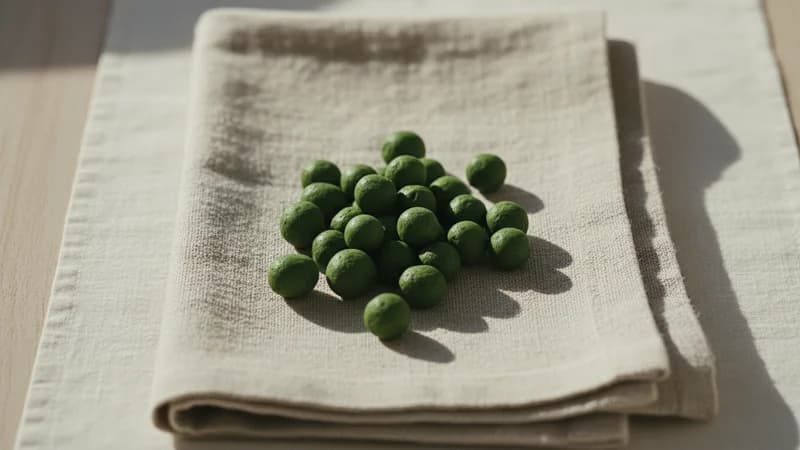
Chlorella is best suited to Pitta and Kapha, which it helps pacify. Chlorella is a single-celled green freshwater microalga with a tough cell wall that must be cracked to be digestible; the resulting powder is protein-rich and among the most concentrated natural sources of chlorophyll, giving it its deep, opaque green.. Suitable year-round.
Ayurvedic Profile
Chlorella (Chlorella (क्लोरेला)) is a vitality-boosting superfoods treasured in Ayurvedic nutrition. Referenced in Kaiyadeva Nighantu, it is characterised by bitter and sweet rasa (taste), cooling virya (potency), and sweet vipaka (post-digestive effect). Chlorella's cell wall binds to heavy metals and toxins, aligning with Ayurvedic concepts of Ama-pachana and Rakta-shodhana; its dense chlorophyll and protein content make it a concentrated green Rasayana for immune support. Its light and oily gunas make it particularly suited for specific constitutional types. It has a neutral effect on Vata, pacifies Pitta, and pacifies Kapha. From a nutritional standpoint, chlorella provides approximately 411 calories per 100g, with 58.4g protein, 23.2g carbohydrates, and is a valuable source of Chlorophyll, Iron, Vitamin B12. Best enjoyed during all-seasons, chlorella supports healthy Agni (digestive fire) when prepared according to Ayurvedic principles, helping prevent Ama (toxin) accumulation and nourish the dhatus (body tissues).
Ayurvedic Properties
Rasa (Taste)
bitter, sweet
Virya (Potency)
cold
Vipaka (Post-digestive)
sweet
Guna (Qualities)
light, oily
How Chlorella Affects Vata, Pitta & Kapha
Ayurveda reads every food through the three doshas. Here is how chlorella’s qualities interact with each: Not sure which is yours? Take the free dosha quiz — about 4 minutes.
Chlorella has a broadly neutral effect on Vata. Its bitter and sweet rasa and light and oily qualities neither strongly aggravate nor pacify Vata, so those with Vata dosha can enjoy it in moderation within a varied diet. Vata meal plan
Chlorella helps pacify Pitta. Its cold virya (potency) and light and oily qualities, with its bitter and sweet rasa (taste), counterbalance Pitta's tendencies — which is why it traditionally suits Pitta dosha in regular use. Pitta meal plan
Chlorella helps pacify Kapha. Its cold virya (potency) and light and oily qualities, with its bitter and sweet rasa (taste), counterbalance Kapha's tendencies — which is why it traditionally suits Kapha dosha in regular use. Kapha meal plan
Nutrition Facts (per 100g)
411kcal
Calories
58.4g
Protein
23.2g
Carbs
9.3g
Fat
0.3g
Fibre
Ayurvedic Benefits
- Chlorella is a single-celled green freshwater microalga with a tough cell wall that must be cracked to be digestible; the resulting powder is protein-rich and among the most concentrated natural sources of chlorophyll, giving it its deep, opaque green.
- Its bitter-sweet (tikta-madhura) rasa and cooling (sheeta) virya make it Pitta-pacifying, and it is traditionally valued as a cleansing green food, its fibrous cracked cell wall adding gentle roughage that supports regular, comfortable elimination.
- A dependable plant source of iron and, unlike spirulina, of genuinely usable vitamin B12 in tested strains, it is used to support healthy blood in those following plant-based diets.
- The light (laghu) guna keeps it Kapha-reducing and non-cloying despite being calorie-dense per 100 grams, so it nourishes the tissues via its sweet vipaka without adding heaviness.
- Its high chlorophyll and carotenoid content underpins its use as a daily green food to support a fresh complexion and clear skin, best taken as a steady rasayana-style habit when Agni is strong.
How to Use
- As chlorella is cooling (shita virya), favour it in warmer weather and pair it with warming spices like ginger or black pepper when the seasons turn cold.
- Choose a product labelled cracked cell wall or broken cell wall; the intact wall is indigestible, so this step is what makes chlorella's nutrients actually available to you.
- Start low, around half a teaspoon of powder or a few tablets daily, and build gradually; a large first dose commonly causes loose stools or wind as the gut adjusts.
- Take it with meals rather than on a very empty stomach, as the mild bitterness and fibrous cell wall are gentler on digestion alongside food; suitable across all seasons.
- Its flavour is intensely green and slightly bitter, stronger than most greens; masking it in a savoury dressing, pesto or a robust smoothie works better than sweet drinks.
- Keep it well sealed and dry, and pair it with a warming spice such as ginger in cold weather to offset its cooling virya, particularly if your digestion runs weak.
Contraindications
- Best limited by anyone on warfarin or other anticoagulants, since its vitamin K and iron content can affect blood-thinning control; take medical advice first.
- People with mould or fungal sensitivities may react to chlorella, and its immune-modulating action means those with autoimmune conditions should seek guidance before regular use.
- As with any cultured microalga, purity is a genuine safety point: buy only from reputable suppliers who test for heavy metals and toxins, as growing conditions directly affect the final product.
“Ayurveda classifies Chlorella by its bitter, sweet rasa (taste), cold virya (thermal potency), and sweet vipaka (post-digestive effect). InnerVeda reads these three lenses together to map Chlorella to your dosha and season.”
Frequently Asked Questions
They are different organisms. Chlorella is a single-celled green alga with a tough cell wall and higher chlorophyll, and it can supply usable vitamin B12 in tested strains. Spirulina is a blue-green cyanobacterium, higher in protein and phycocyanin, but its B12 is largely a form the body cannot use. Many people take them together for complementary benefits.
Chlorella's natural cell wall is fibrous and indigestible to humans, so nutrients locked inside stay unavailable. Manufacturers mechanically break or crack the wall so the protein, iron, chlorophyll and B12 can be absorbed. Always look for cracked or broken cell wall on the label, otherwise you gain little from it.
It can when you start too high. The fibrous cell wall and its sudden bulk of roughage often cause gas, loose stools or nausea in the first days. Begin with a small dose taken with food, increase slowly, and give your digestion a week or two to settle. If it consistently disagrees with you, reduce the amount or stop.
Your dosha is the balance of Vata, Pitta and Kapha you were born with. Take the dosha quiz — free, about 4 minutes.
Three questions towards your dosha
These are the first three questions of the full dosha quiz. Answer them here and carry on where you left off.
Prefer to start from the beginning? Take the full dosha quiz.
Dietary information provided is for educational purposes only and is rooted in Ayurvedic tradition. It is not a substitute for professional nutritional or medical advice. Consult a qualified healthcare provider before making significant changes to your diet, especially if you have food allergies, intolerances, or a medical condition.
Want a meal plan matched to your dosha?
Take the free dosha assessment (about 4 minutes) and get a personalised nutrition plan with nearly 300 foods in the app, rated for your body.
Find Your Dosha: FreeAbout 4 minutes