Wheatgrass: Benefits & Dosha Effects
Sanskrit: Godhuma Ankura (गोधूम अङ्कुर)
Wheatgrass is especially balancing for Pitta and Kapha. With sweet and bitter rasa (taste), cold virya (potency) and sweet vipaka, it is light and oily in quality and a source of chlorophyll.

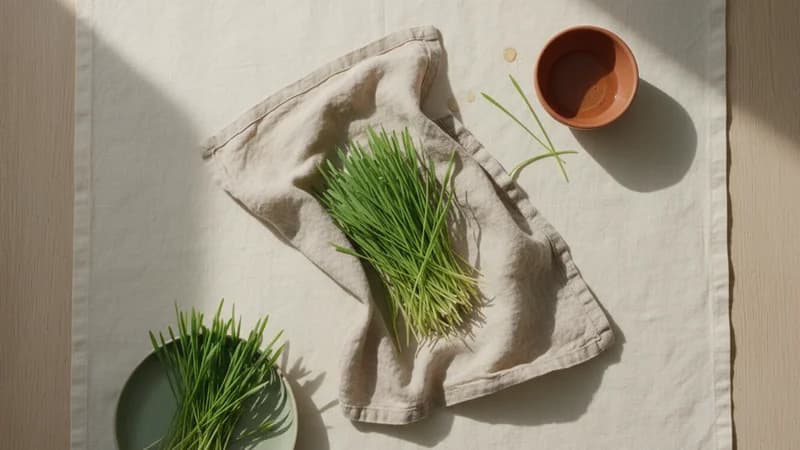
Wheatgrass is best suited to Pitta and Kapha, which it helps pacify. Wheatgrass is the young, freshly sprouted grass of the wheat plant (Godhuma Ankura), harvested before it forms grain; its vivid green juice is dense in chlorophyll, which underlies its traditional use as a cooling, cleansing spring tonic.. Best enjoyed during spring.
Ayurvedic Profile
Wheatgrass (Godhuma Ankura (गोधूम अङ्कुर)) is a vitality-boosting superfoods treasured in Ayurvedic nutrition. Referenced in Charaka Samhita, it is characterised by sweet and bitter rasa (taste), cooling virya (potency), and sweet vipaka (post-digestive effect). Wheatgrass juice is rich in chlorophyll which modern Ayurveda associates with Rakta-shodhana (blood purification); its enzymatic content supports Pachaka Pitta function and it is used therapeutically for anaemia and liver detoxification. Its light and oily gunas make it particularly suited for specific constitutional types. It has a neutral effect on Vata, pacifies Pitta, and pacifies Kapha. From a nutritional standpoint, wheatgrass provides approximately 21 calories per 100g, with 1.5g protein, 2.0g carbohydrates, and is a valuable source of Chlorophyll, Iron, Vitamin A. Best enjoyed during spring, wheatgrass supports healthy Agni (digestive fire) when prepared according to Ayurvedic principles, helping prevent Ama (toxin) accumulation and nourish the dhatus (body tissues).
Ayurvedic Properties
Rasa (Taste)
sweet, bitter
Virya (Potency)
cold
Vipaka (Post-digestive)
sweet
Guna (Qualities)
light, oily
How Wheatgrass Affects Vata, Pitta & Kapha
Ayurveda reads every food through the three doshas. Here is how wheatgrass’s qualities interact with each: Not sure which is yours? Take the free dosha quiz — about 4 minutes.
Wheatgrass has a broadly neutral effect on Vata. Its sweet and bitter rasa and light and oily qualities neither strongly aggravate nor pacify Vata, so those with Vata dosha can enjoy it in moderation within a varied diet. Vata meal plan
Wheatgrass helps pacify Pitta. Its cold virya (potency) and light and oily qualities, with its sweet and bitter rasa (taste), counterbalance Pitta's tendencies — which is why it traditionally suits Pitta dosha in regular use. Pitta meal plan
Wheatgrass helps pacify Kapha. Its cold virya (potency) and light and oily qualities, with its sweet and bitter rasa (taste), counterbalance Kapha's tendencies — which is why it traditionally suits Kapha dosha in regular use. Kapha meal plan
Nutrition Facts (per 100g)
21kcal
Calories
1.5g
Protein
2g
Carbs
0.2g
Fat
1g
Fibre
Ayurvedic Benefits
- Wheatgrass is the young, freshly sprouted grass of the wheat plant (Godhuma Ankura), harvested before it forms grain; its vivid green juice is dense in chlorophyll, which underlies its traditional use as a cooling, cleansing spring tonic.
- With a sweet-bitter (madhura-tikta) rasa and cooling (sheeta) virya, it is used to pacify aggravated Pitta and quench internal heat, making it a natural fit for the warming transition into spring when Kapha begins to liquefy.
- A good source of plant iron alongside vitamin A precursors from its carotenoids, it is traditionally taken to support fresh blood and clear, bright skin rather than to add bulk or weight.
- Its light (laghu) and lightly oily (snigdha) guna make it Kapha-reducing and easy on the system; a small shot of juice feels enlivening rather than heavy, suiting a seasonal reset.
- Being gluten-free in its grass stage (the gluten forms only in the mature grain), it offers the wheat plant's greens to many who cannot take wheat flour, while its sweet vipaka gently nourishes the tissues.
How to Use
- As wheatgrass is cooling (shita virya), favour it in warmer weather and pair it with warming spices like ginger or black pepper when the seasons turn cold.
- Wheatgrass is at its best during spring — eating it in season keeps its Prana (vital energy) and benefit at their peak.
- Take it as a small fresh juice shot, around 30 ml, ideally on an empty stomach in the morning so its cooling green juice is absorbed cleanly before other foods.
- Spring is its classical season; a short daily course through the spring months aligns with Ayurveda's ritucharya, when the body naturally sheds accumulated winter Kapha.
- If fresh grass or a home juicer is unavailable, reconstitute good-quality wheatgrass powder in cool water; drink it promptly, as chlorophyll oxidises and dulls quickly once mixed.
- Its taste is grassy and slightly bitter-sweet; a squeeze of lemon or a few mint leaves lifts it without adding heat, keeping the cooling quality intact.
- Start with a small dose and build up, since a large first serving can feel cleansing to the point of nausea for a sensitive stomach.
Contraindications
- Best limited by those with a genuine wheat or grass-pollen allergy; although the sprouted grass is gluten-free, cross-reactions and mould on poorly grown trays are real safety concerns.
- Those with weak Agni or a delicate, easily chilled digestion should keep portions small, as its cooling virya and raw green juice can feel too cold, especially outside spring.
- Pregnant or nursing women, and anyone growing it at home, should take particular care with hygiene and source, since raw juice grown in damp trays can harbour bacteria or mould; seek advice before regular use.
“Ayurveda classifies Wheatgrass by its sweet, bitter rasa (taste), cold virya (thermal potency), and sweet vipaka (post-digestive effect). InnerVeda reads these three lenses together to map Wheatgrass to your dosha and season.”
Frequently Asked Questions
Gluten forms in the wheat kernel, not in the young grass, so pure wheatgrass juice or powder is generally gluten-free. The real risk is cross-contamination with seed or grain during growing and processing, so if you have coeliac disease choose a product certified gluten-free and check it is grown without the grain heads.
Fresh juice carries the most active chlorophyll and enzymes, which is why it is traditionally taken straight after juicing. Good powder is a fine practical alternative, but mix it just before drinking rather than letting it stand, as the bright green pigment oxidises and loses vibrancy fairly fast.
The grass naturally sprouts in spring, and Ayurveda's seasonal wisdom (ritucharya) points to light, cooling, bitter greens at exactly that time, when winter-accumulated Kapha begins to melt. Its madhura-tikta rasa and cooling virya make it a well-matched seasonal tonic rather than an all-year staple.
Your dosha is the balance of Vata, Pitta and Kapha you were born with. Take the dosha quiz — free, about 4 minutes.
Three questions towards your dosha
These are the first three questions of the full dosha quiz. Answer them here and carry on where you left off.
Prefer to start from the beginning? Take the full dosha quiz.
Dietary information provided is for educational purposes only and is rooted in Ayurvedic tradition. It is not a substitute for professional nutritional or medical advice. Consult a qualified healthcare provider before making significant changes to your diet, especially if you have food allergies, intolerances, or a medical condition.
Want a meal plan matched to your dosha?
Take the free dosha assessment (about 4 minutes) and get a personalised nutrition plan with nearly 300 foods in the app, rated for your body.
Find Your Dosha: FreeAbout 4 minutes