Corn: Benefits & Dosha Effects
Sanskrit: Makka (मक्का)
Corn is especially balancing for Kapha but can raise Vata when eaten in excess. With sweet rasa (taste), hot virya (potency) and sweet vipaka, it is light and dry in quality and a source of thiamine.

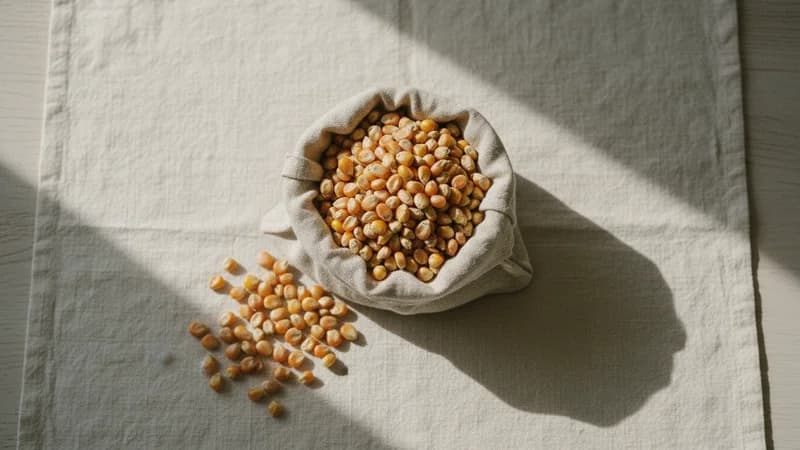
Corn is best suited to Kapha, which it helps pacify. In excess it can raise Vata. Corn (Makka) carries a sweet rasa with a light, drying guna, so in Ayurveda it is valued as a grain that adds bulk to a meal without the heaviness of wheat, and may suit those who find wetter, heavier grains harder to digest.. Best enjoyed during autumn.
Ayurvedic Profile
Corn (Makka (मक्का)) is a sustaining grains treasured in Ayurvedic nutrition. Referenced in Bhavaprakasha Nighantu, it is characterised by sweet rasa (taste), heating virya (potency), and sweet vipaka (post-digestive effect). Corn is classified as Laghu with Ushna virya in modern Ayurvedic practice; while it helps reduce Kapha, its drying quality requires preparation with ghee or oil to prevent excessive Vata aggravation. Its light and dry gunas make it particularly suited for specific constitutional types. It can aggravate Vata when consumed in excess, has a neutral effect on Pitta, and pacifies Kapha. From a nutritional standpoint, corn provides approximately 365 calories per 100g, with 9.4g protein, 74.3g carbohydrates, and is a valuable source of Thiamine, Folate, Phosphorus. Best enjoyed during autumn, corn supports healthy Agni (digestive fire) when prepared according to Ayurvedic principles, helping prevent Ama (toxin) accumulation and nourish the dhatus (body tissues).
Ayurvedic Properties
Rasa (Taste)
sweet
Virya (Potency)
hot
Vipaka (Post-digestive)
sweet
Guna (Qualities)
light, dry
How Corn Affects Vata, Pitta & Kapha
Ayurveda reads every food through the three doshas. Here is how corn’s qualities interact with each: Not sure which is yours? Take the free dosha quiz — about 4 minutes.
Corn is well tolerated by those with Vata dosha in normal amounts, but its hot virya and light and dry qualities may aggravate Vata in excess — so people with Vata as their leading dosha are best keeping to measured portions. Vata meal plan
Corn has a broadly neutral effect on Pitta. Its sweet rasa and light and dry qualities neither strongly aggravate nor pacify Pitta, so those with Pitta dosha can enjoy it in moderation within a varied diet. Pitta meal plan
Corn helps pacify Kapha. Its hot virya (potency) and light and dry qualities, with its sweet rasa (taste), counterbalance Kapha's tendencies — which is why it traditionally suits Kapha dosha in regular use. Kapha meal plan
Nutrition Facts (per 100g)
365kcal
Calories
9.4g
Protein
74.3g
Carbs
4.7g
Fat
7.3g
Fibre
Ayurvedic Benefits
- Corn (Makka) carries a sweet rasa with a light, drying guna, so in Ayurveda it is valued as a grain that adds bulk to a meal without the heaviness of wheat, and may suit those who find wetter, heavier grains harder to digest.
- Its hot virya gently supports Agni, the digestive fire, which is why freshly ground makki flatbread is traditionally favoured in cool autumn weather when digestion tends to feel sluggish.
- A sweet vipaka nourishes the tissues while the dry quality keeps the grain from feeling cloying, so corn's V↑ P= K↓ profile means it is traditionally used to lighten Kapha-type heaviness after a rich season.
- Modern nutrition adds that corn supplies thiamine, folate and phosphorus, nutrients that support everyday energy metabolism and normal bone maintenance as part of a varied diet.
- The yellow kernels carry lutein and zeaxanthin, plant pigments that concentrate in the eye and add colour and fibre to the plate as part of a balanced diet.
How to Use
- As corn is heating (ushna virya), balance it with cooling accompaniments such as coriander, fennel or a little ghee — especially through the warmer months.
- Corn is at its best during autumn — eating it in season keeps its Prana (vital energy) and benefit at their peak.
- Grind dried corn into makki ka atta and knead warm flatbreads (makki di roti), served hot off the tawa with a smear of ghee to balance its dry, hot quality.
- Boil or roast fresh sweetcorn on the cob and finish with a squeeze of lime, black pepper and a little rock salt for an autumn snack that keeps Kapha in check.
- Stir sweetcorn kernels into a lightly spiced vegetable soup or a coriander-flecked chowder, letting the sweet rasa round out warming spices like cumin and ginger.
- Cook polenta or cornmeal porridge slowly with a knob of ghee and warm spices so the drying grain is softened for easier digestion in cool weather.
- Pair corn with moistening companions such as a yoghurt raita or a coriander-mint chutney, since its light, dry nature benefits from a touch of unctuousness on the plate.
Contraindications
- Because corn is drying and increases Vata (V↑), those with a Vata constitution or dry-cold complaints such as bloating and gas are best limited to small portions of plain corn and should pair it with ghee or oil.
- Sweetcorn is a recognised food allergen for some people and its coarse fibre can be hard on a sensitive gut, so anyone with a known corn allergy or an active flare of irritable bowel should be cautious.
- Cooked-then-cooled corn is higher in resistant and rapidly-fermentable starch that some find gas-forming, so those prone to flatulence are best limited to modest, freshly-cooked portions.
“Ayurveda classifies Corn by its sweet rasa (taste), hot virya (thermal potency), and sweet vipaka (post-digestive effect). InnerVeda reads these three lenses together to map Corn to your dosha and season.”
Frequently Asked Questions
Corn has a hot virya (heating potency), which is why makki flatbreads are traditionally eaten in cooler autumn and winter weather. Its warmth gently supports Agni, so it suits Kapha and Vata types better than aggravated Pitta, though its effect on Pitta is broadly neutral (P=).
Neither is simply better; they behave differently. Makki (corn) flour is lighter, drier and heating, making it a good seasonal change for those who find wheat heavy or Kapha-provoking. Wheat is heavier and more grounding. Because corn is drier, it is best cooked with ghee and eaten warm.
Yes. Corn's light, dry guna and hot virya help lower Kapha (K↓), so roasted or boiled corn without heavy toppings can suit a Kapha-pacifying diet. Favour lime, black pepper and warming spices over cream or butter to keep the dish light.
Your dosha is the balance of Vata, Pitta and Kapha you were born with. Take the dosha quiz — free, about 4 minutes.
Three questions towards your dosha
These are the first three questions of the full dosha quiz. Answer them here and carry on where you left off.
Prefer to start from the beginning? Take the full dosha quiz.
Dietary information provided is for educational purposes only and is rooted in Ayurvedic tradition. It is not a substitute for professional nutritional or medical advice. Consult a qualified healthcare provider before making significant changes to your diet, especially if you have food allergies, intolerances, or a medical condition.
Want a meal plan matched to your dosha?
Take the free dosha assessment (about 4 minutes) and get a personalised nutrition plan with nearly 300 foods in the app, rated for your body.
Find Your Dosha: FreeAbout 4 minutes