Lamb (Mutton): Benefits & Dosha Effects
Sanskrit: Avika Mamsa (अविक मांस)
Lamb (Mutton) is especially balancing for Vata but can raise Kapha when eaten in excess and tends to aggravate Pitta. With sweet rasa (taste), hot virya (potency) and sweet vipaka, it is heavy and oily in quality and a source of vitamin b12.

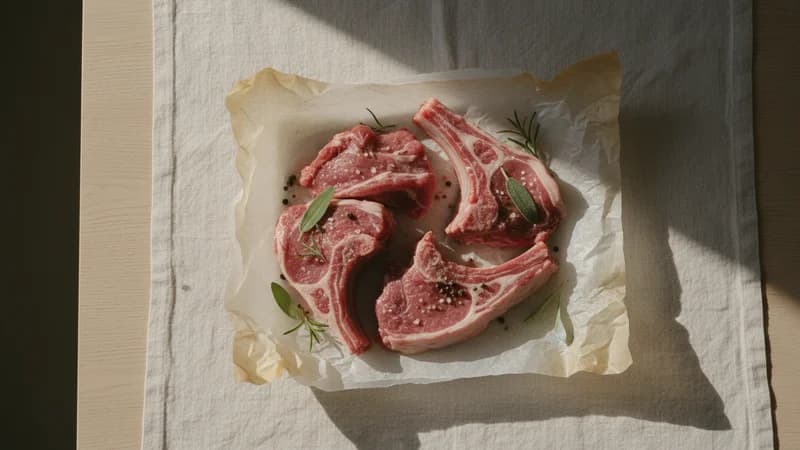
Lamb (Mutton) is best suited to Vata, which it helps pacify. It can aggravate Pitta, so people with Pitta as their leading dosha should use it sparingly. Its sweet rasa and sweet vipaka make lamb a deeply Brimhana (building) food, nourishing the Mamsa (muscle) and Shukra dhatus and supporting a steady return of strength after illness, hard physical work or a long depleting winter. Best enjoyed during winter.
Ayurvedic Profile
Lamb (Mutton) (Avika Mamsa (अविक मांस)) is a tissue-building meats proteins treasured in Ayurvedic nutrition. Referenced in Ashtanga Hridaya, it is characterised by sweet rasa (taste), heating virya (potency), and sweet vipaka (post-digestive effect). Avika Mamsa (mutton) is described in Charaka Samhita as Guru, Snigdha, and one of the best Brimhana (nourishing) meats for building Mamsa and Medas dhatus; it is particularly recommended for Vata constitution and for those requiring strength restoration in cold seasons. Its heavy and oily gunas make it particularly suited for specific constitutional types. It pacifies Vata, may increase Pitta, and can aggravate Kapha when consumed in excess. From a nutritional standpoint, lamb (mutton) provides approximately 294 calories per 100g, with 25.5g protein, 0.0g carbohydrates, and is a valuable source of Vitamin B12, Zinc, Selenium. Best enjoyed during winter, lamb (mutton) supports healthy Agni (digestive fire) when prepared according to Ayurvedic principles, helping prevent Ama (toxin) accumulation and nourish the dhatus (body tissues).
Ayurvedic Properties
Rasa (Taste)
sweet
Virya (Potency)
hot
Vipaka (Post-digestive)
sweet
Guna (Qualities)
heavy, oily
How Lamb (Mutton) Affects Vata, Pitta & Kapha
Ayurveda reads every food through the three doshas. Here is how lamb (mutton)’s qualities interact with each: Not sure which is yours? Take the free dosha quiz — about 4 minutes.
Lamb (Mutton) helps pacify Vata. Its hot virya (potency) and heavy and oily qualities, with its sweet rasa (taste), counterbalance Vata's tendencies — which is why it traditionally suits Vata dosha in regular use. Vata meal plan
Lamb (Mutton) tends to increase Pitta. Its hot virya and heavy and oily qualities, with its sweet rasa, align with Pitta's own nature, so those with Pitta dosha are best using it sparingly and pairing it with Pitta-pacifying foods. Pitta meal plan
Lamb (Mutton) is well tolerated by those with Kapha dosha in normal amounts, but its hot virya and heavy and oily qualities may aggravate Kapha in excess — so people with Kapha as their leading dosha are best keeping to measured portions. Kapha meal plan
Nutrition Facts (per 100g)
294kcal
Calories
25.5g
Protein
0g
Carbs
20.9g
Fat
0g
Fibre
Ayurvedic Benefits
- Its sweet rasa and sweet vipaka make lamb a deeply Brimhana (building) food, nourishing the Mamsa (muscle) and Shukra dhatus and supporting a steady return of strength after illness, hard physical work or a long depleting winter
- The heavy, oily guna grounds an aggravated Vata, so lamb may help those troubled by cold hands and feet, restless sleep and a wiry, undernourished frame feel warmer and more settled
- A hot virya kindles a sluggish, cold-weather Agni, which is why slow-cooked mutton traditionally sits well in deep winter when digestion is strongest and the body craves dense, warming fuel
- Rich in bioavailable Vitamin B12 and haem iron, lamb supports healthy red-blood-cell formation and steady energy, traditionally valued for building Rakta (blood) and Ojas
- Its generous zinc and selenium content supports immune resilience and everyday tissue repair through the colder months, complementing lamb's classical reputation as a strengthening, restorative meat
How to Use
- As lamb (mutton) is heating (ushna virya), balance it with cooling accompaniments such as coriander, fennel or a little ghee — especially through the warmer months.
- Lamb (Mutton) is at its best during winter — eating it in season keeps its Prana (vital energy) and benefit at their peak.
- Slow-braise mutton on the bone for two to three hours with ginger, garlic, black pepper and a little clove; the long moist heat breaks down its heavy guna and makes the meat far kinder to Agni
- Take lamb as your midday meal rather than at supper, when digestive fire peaks and the body has the whole afternoon to process such a dense, oily food without leaving Ama overnight
- Trim the visible white fat before cooking and finish the dish with fresh coriander, mint or a squeeze of lemon to lighten the richness and stop it feeling leaden
- Turn tougher cuts (shoulder, shank, neck) into a spiced yakhni or rogan-style stew where warming spices and a long simmer do the digestive work; reserve grilled chops for when your Agni is genuinely strong
- Reserve mutton for autumn and winter, keep portions modest, and traditionally avoid pairing it with milk or yoghurt in the same meal, which Ayurveda treats as Viruddha Ahara (incompatible combining)
Contraindications
- Those with a Pitta constitution or signs of heat, acidity, skin flare-ups or inflammation should limit lamb, as its hot virya can intensify these; keep portions small and balance with cooling coriander and fennel
- Kapha-predominant people and anyone with high cholesterol, sluggish digestion or excess weight should best limit lamb, whose heavy, oily nature can add to congestion and slow the system further
- Because red meat carries real cardiovascular and gout considerations, those with heart conditions, raised uric acid or on medication should seek their doctor's guidance and treat lamb as an occasional, not daily, food
“Ayurveda classifies Lamb (Mutton) by its sweet rasa (taste), hot virya (thermal potency), and sweet vipaka (post-digestive effect). InnerVeda reads these three lenses together to map Lamb (Mutton) to your dosha and season.”
Frequently Asked Questions
Both suit Vata well, as lamb's sweet rasa, sweet vipaka and heavy, oily quality are grounding and warming. Mutton (older sheep) is denser and needs a longer, slower cook to become digestible, while young lamb is a little lighter; either way, choose slow-braised preparations over grilled, eat at midday, and keep the portion moderate so the richness settles rather than feels heavy.
Combining meat with milk or yoghurt is classed as Viruddha Ahara, an incompatible pairing thought to confuse Agni and generate Ama (metabolic residue). The two foods have opposing qualities that the digestive fire struggles to process together, so keep dairy and lamb in separate meals and finish a mutton dish with lemon or coriander instead of a yoghurt sauce.
For most people an occasional winter meal, perhaps once or twice a week, is plenty. Its hot virya can stir Pitta and its heavy, oily guna can build Kapha in excess, so if you run hot or congest easily, keep servings small, add cooling and digestive spices, and lean on lighter proteins the rest of the week rather than making lamb a daily habit.
Your dosha is the balance of Vata, Pitta and Kapha you were born with. Take the dosha quiz — free, about 4 minutes.
Three questions towards your dosha
These are the first three questions of the full dosha quiz. Answer them here and carry on where you left off.
Prefer to start from the beginning? Take the full dosha quiz.
Dietary information provided is for educational purposes only and is rooted in Ayurvedic tradition. It is not a substitute for professional nutritional or medical advice. Consult a qualified healthcare provider before making significant changes to your diet, especially if you have food allergies, intolerances, or a medical condition.
Want a meal plan matched to your dosha?
Take the free dosha assessment (about 4 minutes) and get a personalised nutrition plan with nearly 300 foods in the app, rated for your body.
Find Your Dosha: FreeAbout 4 minutes