Peach: Benefits & Dosha Effects
Sanskrit: Aaru (आरू)
Peach is especially balancing for Vata but can raise Pitta and Kapha when eaten in excess. With sweet and sour rasa (taste), hot virya (potency) and sweet vipaka, it is light and oily in quality and a source of vitamin c.

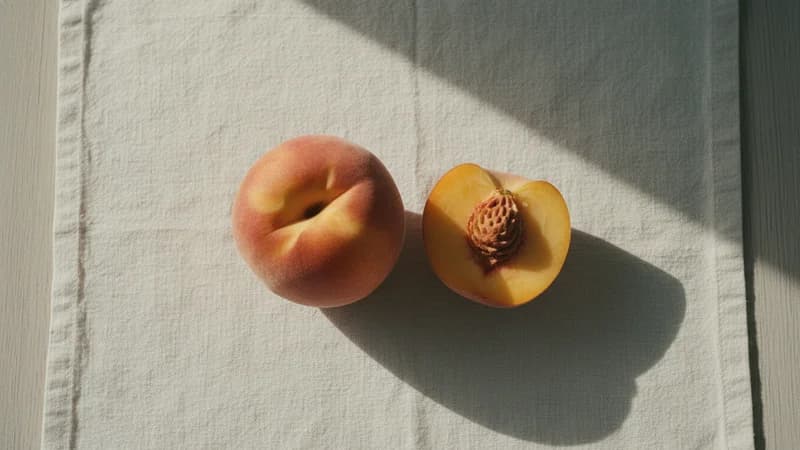
Peach is best suited to Vata, which it helps pacify. In excess it can raise Pitta and Kapha. Peach carries a sweet-sour rasa with a light (laghu) yet oily (snigdha) quality, making it easier to digest than most heavy summer fruits while still gently nourishing and Vata-pacifying; its juicy, unctuous flesh helps counter the dryness of aggravated Vata without feeling leaden.. Best enjoyed during summer.
Ayurvedic Profile
Peach (Aaru (आरू)) is a rejuvenating fruits treasured in Ayurvedic nutrition. Referenced in Bhavaprakasha Nighantu, it is characterised by sweet and sour rasa (taste), heating virya (potency), and sweet vipaka (post-digestive effect). Peach is valued in modern Ayurvedic practice for its gentle Madhura-Amla rasa that stimulates Agni without aggravating Pitta excessively. Its soft, juicy flesh nourishes Rasa dhatu and its moderate fibre supports gentle Anulomana (downward movement) of Apana Vata. Its light and oily gunas make it particularly suited for specific constitutional types. It pacifies Vata, can aggravate Pitta when consumed in excess, and can aggravate Kapha when consumed in excess. From a nutritional standpoint, peach provides approximately 39 calories per 100g, with 0.9g protein, 9.5g carbohydrates, and is a valuable source of Vitamin C, Vitamin A, Potassium. Best enjoyed during summer, peach supports healthy Agni (digestive fire) when prepared according to Ayurvedic principles, helping prevent Ama (toxin) accumulation and nourish the dhatus (body tissues).
Ayurvedic Properties
Rasa (Taste)
sweet, sour
Virya (Potency)
hot
Vipaka (Post-digestive)
sweet
Guna (Qualities)
light, oily
How Peach Affects Vata, Pitta & Kapha
Ayurveda reads every food through the three doshas. Here is how peach’s qualities interact with each: Not sure which is yours? Take the free dosha quiz — about 4 minutes.
Peach helps pacify Vata. Its hot virya (potency) and light and oily qualities, with its sweet and sour rasa (taste), counterbalance Vata's tendencies — which is why it traditionally suits Vata dosha in regular use. Vata meal plan
Peach is well tolerated by those with Pitta dosha in normal amounts, but its hot virya and light and oily qualities may aggravate Pitta in excess — so people with Pitta as their leading dosha are best keeping to measured portions. Pitta meal plan
Peach is well tolerated by those with Kapha dosha in normal amounts, but its hot virya and light and oily qualities may aggravate Kapha in excess — so people with Kapha as their leading dosha are best keeping to measured portions. Kapha meal plan
Nutrition Facts (per 100g)
39kcal
Calories
0.9g
Protein
9.5g
Carbs
0.3g
Fat
1.5g
Fibre
Ayurvedic Benefits
- Peach carries a sweet-sour rasa with a light (laghu) yet oily (snigdha) quality, making it easier to digest than most heavy summer fruits while still gently nourishing and Vata-pacifying; its juicy, unctuous flesh helps counter the dryness of aggravated Vata without feeling leaden.
- The soft, moist pulp and its natural fibre are traditionally used to encourage smooth, regular bowel movements, and peach's lubricating quality makes it a kind, gentle choice for easing the dry, sluggish elimination that troubles many Vata types.
- Rich in vitamin C and beta-carotene (vitamin A), peach supports healthy skin, eyes and normal immune defences, in keeping with its classical value as a soft, tissue-soothing fruit that complements the complexion.
- Peach is a good source of potassium, which supports healthy fluid balance and normal muscle and heart function, and its high water content makes it a light, hydrating way to replenish the body during warm weather.
- Being lighter than richer stone fruits, ripe peach offers gentle, easily digested sweetness that can lift energy and satisfy sugar cravings without heavily burdening Agni, making it a pleasant restorative snack for depleted or convalescing Vata constitutions.
How to Use
- As peach is heating (ushna virya), balance it with cooling accompaniments such as coriander, fennel or a little ghee — especially through the warmer months.
- Peach is at its best during summer — eating it in season keeps its Prana (vital energy) and benefit at their peak.
- Pick a peach that yields to gentle pressure and smells fragrant at the stem; a firm, under-ripe peach is more sour and astringent and can feel harsh on the stomach, so let it soften on the counter for a day or two before eating.
- Eat ripe peach fresh and at room temperature, ideally as a mid-morning or afternoon snack on its own, so its light-yet-juicy quality digests cleanly rather than fermenting on top of a heavy meal.
- Gently poach or stew sliced peach with a pinch of cinnamon or cardamom to make it warmer and even easier to digest; this is a comforting way to serve it to those with delicate or Vata-prone digestion.
- The fuzzy skin can feel scratchy and hard to digest for sensitive stomachs, so rinse well and peel if the down bothers you, then enjoy the smooth flesh soft and ripe.
- As with other fruit, keep peach away from milk and full dairy meals in the same sitting, since Ayurveda considers fruit-with-milk a heavy, incompatible (viruddha) combination for weaker Agni; enjoy it on its own or with a light sprinkle of warming spice instead.
Contraindications
- Peach has a hot potency (ushna virya) and its sour note can aggravate Pitta, so those with a fiery constitution or active heat signs such as acidity, loose stool or skin inflammation should keep portions modest and avoid unripe, sour fruit.
- Its sweet vipaka gives it a mild Kapha-increasing tendency, so people with sluggish digestion, congestion or blood-sugar concerns should enjoy it in moderation, and those with diabetes should treat it as an occasional fruit and check with their clinician.
- Peach belongs to the same botanical family as almonds and apricots, whose kernels contain natural compounds that release cyanide; eat only the fleshy fruit and never the stone or kernel, and anyone with a known stone-fruit or birch-pollen allergy should be cautious of oral tingling.
“Ayurveda classifies Peach by its sweet, sour rasa (taste), hot virya (thermal potency), and sweet vipaka (post-digestive effect). InnerVeda reads these three lenses together to map Peach to your dosha and season.”
Frequently Asked Questions
Ripe peach is soft, moist and lightly fibrous, with an oily (snigdha) quality that helps lubricate the gut, so in Ayurveda it is a gentle, Vata-soothing choice that traditionally supports smooth, regular bowel movements. Because it is lighter than heavier stone fruits, it tends to sit easily on the stomach. Eat it fully ripe and on its own; if your digestion is delicate, lightly stewing the fruit with a pinch of cinnamon makes it even kinder to Agni.
Peach has a hot potency (ushna virya) and a sweet-sour taste, so energetically it warms the body and, in excess, can nudge Pitta upward, especially the sour, under-ripe fruit. Its watery, refreshing flesh feels cooling on a hot day, but its underlying action is mildly heating. Choosing fully ripe, sweeter fruit and eating it in moderation keeps this warmth in balance for Pitta-prone people.
The skin holds fibre and nutrients, so it is fine to eat if you wash the fruit well and tolerate it comfortably. However, the fine fuzz can feel scratchy and harder to digest for those with sensitive or Vata-prone stomachs, in which case peeling the peach or briefly stewing it makes the flesh smoother and gentler. Whichever you choose, always discard the stone, which should never be eaten.
Your dosha is the balance of Vata, Pitta and Kapha you were born with. Take the dosha quiz — free, about 4 minutes.
Three questions towards your dosha
These are the first three questions of the full dosha quiz. Answer them here and carry on where you left off.
Prefer to start from the beginning? Take the full dosha quiz.
Dietary information provided is for educational purposes only and is rooted in Ayurvedic tradition. It is not a substitute for professional nutritional or medical advice. Consult a qualified healthcare provider before making significant changes to your diet, especially if you have food allergies, intolerances, or a medical condition.
Want a meal plan matched to your dosha?
Take the free dosha assessment (about 4 minutes) and get a personalised nutrition plan with nearly 300 foods in the app, rated for your body.
Find Your Dosha: FreeAbout 4 minutes