Mace (Javitri): Benefits & Dosha Effects
Sanskrit: Jatiphala Tvak (जातिफल त्वक्)
Mace (Javitri) is especially balancing for Vata and Kapha but can raise Pitta when eaten in excess. With pungent, bitter and astringent rasa (taste), hot virya (potency) and pungent vipaka, it is light and sharp in quality and a source of manganese.

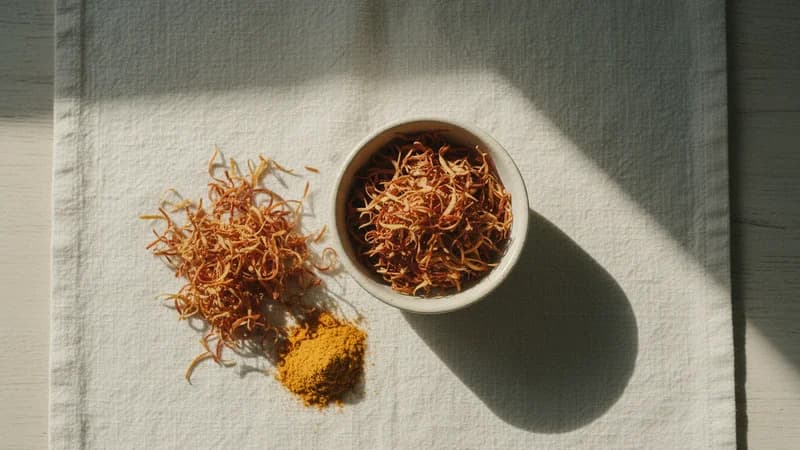
Mace (Javitri) is best suited to Vata and Kapha, which it helps pacify. In excess it can raise Pitta. Javitri, the lacy crimson aril that wraps the nutmeg seed, is a warming carminative spice; its pungent rasa and hot virya kindle Agni and help disperse the trapped wind and bloating that can follow a heavy winter meal.. Best enjoyed during winter.
Ayurvedic Profile
Mace (Javitri) (Jatiphala Tvak (जातिफल त्वक्)) is a therapeutic spices treasured in Ayurvedic nutrition. Referenced in Ashtanga Hridaya, it is characterised by pungent and bitter and astringent rasa (taste), heating virya (potency), and pungent vipaka (post-digestive effect). Javitri is the aril of Jatiphala (nutmeg) and shares many of its therapeutic properties but with a subtler, more refined action. Bhavaprakasha describes it as Grahi (absorbent) and Mukhashodhaka (mouth purifier), effective for improving digestion and addressing Vata-Kapha conditions. Its light and sharp gunas make it particularly suited for specific constitutional types. It pacifies Vata, can aggravate Pitta when consumed in excess, and pacifies Kapha. From a nutritional standpoint, mace (javitri) provides approximately 475 calories per 100g, with 6.7g protein, 50.5g carbohydrates, and is a valuable source of Manganese, Iron, Copper. Best enjoyed during winter, mace (javitri) supports healthy Agni (digestive fire) when prepared according to Ayurvedic principles, helping prevent Ama (toxin) accumulation and nourish the dhatus (body tissues).
Ayurvedic Properties
Rasa (Taste)
pungent, bitter, astringent
Virya (Potency)
hot
Vipaka (Post-digestive)
pungent
Guna (Qualities)
light, sharp
How Mace (Javitri) Affects Vata, Pitta & Kapha
Ayurveda reads every food through the three doshas. Here is how mace (javitri)’s qualities interact with each: Not sure which is yours? Take the free dosha quiz — about 4 minutes.
Mace (Javitri) helps pacify Vata. Its hot virya (potency) and light and sharp qualities, with its pungent, bitter and astringent rasa (taste), counterbalance Vata's tendencies — which is why it traditionally suits Vata dosha in regular use. Vata meal plan
Mace (Javitri) is well tolerated by those with Pitta dosha in normal amounts, but its hot virya and light and sharp qualities may aggravate Pitta in excess — so people with Pitta as their leading dosha are best keeping to measured portions. Pitta meal plan
Mace (Javitri) helps pacify Kapha. Its hot virya (potency) and light and sharp qualities, with its pungent, bitter and astringent rasa (taste), counterbalance Kapha's tendencies — which is why it traditionally suits Kapha dosha in regular use. Kapha meal plan
Nutrition Facts (per 100g)
475kcal
Calories
6.7g
Protein
50.5g
Carbs
32.4g
Fat
20.2g
Fibre
Ayurvedic Benefits
- Javitri, the lacy crimson aril that wraps the nutmeg seed, is a warming carminative spice; its pungent rasa and hot virya kindle Agni and help disperse the trapped wind and bloating that can follow a heavy winter meal.
- Traditionally valued as a grahi (absorbent) dravya, mace is used to firm up loose, watery digestion and settle a restless gut, making it a classic addition to rich, slow-cooked winter dishes.
- Its light, sharp guna reduces damp Kapha and freshens the palate and breath, which is why even a small pinch lifts and brightens creamy or heavy preparations that would otherwise feel dulling.
- In classical use mace's warm, penetrating aroma is prized to steady the mind and ease into restful sleep; a whisper of it in warm bedtime milk is a gentle, grounding Vata-pacifying ritual.
- Rich in manganese, iron and copper, this concentrated spice adds trace minerals that support the body's everyday vitality when used, as it should be, in genuinely small amounts.
How to Use
- As mace (javitri) is heating (ushna virya), balance it with cooling accompaniments such as coriander, fennel or a little ghee — especially through the warmer months.
- Mace (Javitri) is at its best during winter — eating it in season keeps its Prana (vital energy) and benefit at their peak.
- Add a single blade or a small pinch of ground mace early to slow-cooked winter dishes — biryani, korma, pulao and rich meat or vegetable stews — where its perfume infuses gently through long cooking.
- Whisk the barest pinch into warm bedtime milk with a thread of saffron; its warming, settling aroma makes this a soothing cold-season nightcap for a restless Vata mind.
- Grate or grind it fresh just before use, as mace loses its volatile fragrance quickly; buy whole blades and reduce to powder in small batches rather than storing ground.
- Use it in baking and warm desserts — custards, spiced cakes, rice pudding and mulled drinks — where a mere eighth-teaspoon lifts and rounds out sweetness and cream.
- Combine it with cardamom, cinnamon and clove in a winter garam masala blend so its sharp, floral note balances the sweeter, heavier spices rather than dominating them.
Contraindications
- Mace is a potent, concentrated spice: taken in large amounts (well beyond culinary pinches) it can cause nausea, restlessness and grogginess, so it is best limited to small culinary amounts and never used as a bulk spice.
- With its hot virya and pungent vipaka it is markedly Pitta-provoking (V↓ P↑x K↓); those prone to acidity, heat or a very heated constitution should keep it to an occasional small pinch.
- Because of its warming, mind-active nature, mace is best limited to incidental culinary flavouring during pregnancy and breastfeeding rather than medicinal amounts; those on sedative or psychoactive medication should be cautious and seek advice.
“Ayurveda classifies Mace (Javitri) by its pungent, bitter, astringent rasa (taste), hot virya (thermal potency), and pungent vipaka (post-digestive effect). InnerVeda reads these three lenses together to map Mace (Javitri) to your dosha and season.”
Mace (Javitri) by Dosha
See how mace (javitri) interacts with each dosha and get personalised guidance.
Frequently Asked Questions
They come from the very same fruit: nutmeg is the hard inner seed, and mace (javitri) is the bright red lacy net that encases it, dried to an amber blade. Mace is more delicate, floral and slightly sharper, while nutmeg is warmer, sweeter and more resinous. In Ayurveda both share nutmeg's warming, grounding, Vata-pacifying nature, but mace is the finer, more aromatic of the two and is used in even smaller amounts.
A single blade or a pinch (up to about an eighth of a teaspoon of powder) is ample for a family-sized dish. Mace is concentrated and its warming, mind-active quality means more is genuinely not better — large quantities can cause nausea and grogginess. Treat it like saffron: a precious accent, never a base spice.
In the Ayurvedic tradition mace, like nutmeg, is valued for its warm, grounding, Vata-pacifying quality that helps quieten a busy mind — which is why a mere pinch in warm bedtime milk is a classic cold-season ritual. It is a gentle, food-level support for winding down rather than a sleep remedy; keep the amount tiny, and if sleeplessness persists, look to your overall routine and speak with a practitioner.
Your dosha is the balance of Vata, Pitta and Kapha you were born with. Take the dosha quiz — free, about 4 minutes.
Three questions towards your dosha
These are the first three questions of the full dosha quiz. Answer them here and carry on where you left off.
Prefer to start from the beginning? Take the full dosha quiz.
Dietary information provided is for educational purposes only and is rooted in Ayurvedic tradition. It is not a substitute for professional nutritional or medical advice. Consult a qualified healthcare provider before making significant changes to your diet, especially if you have food allergies, intolerances, or a medical condition.
Want a meal plan matched to your dosha?
Take the free dosha assessment (about 4 minutes) and get a personalised nutrition plan with nearly 300 foods in the app, rated for your body.
Find Your Dosha: FreeAbout 4 minutes